
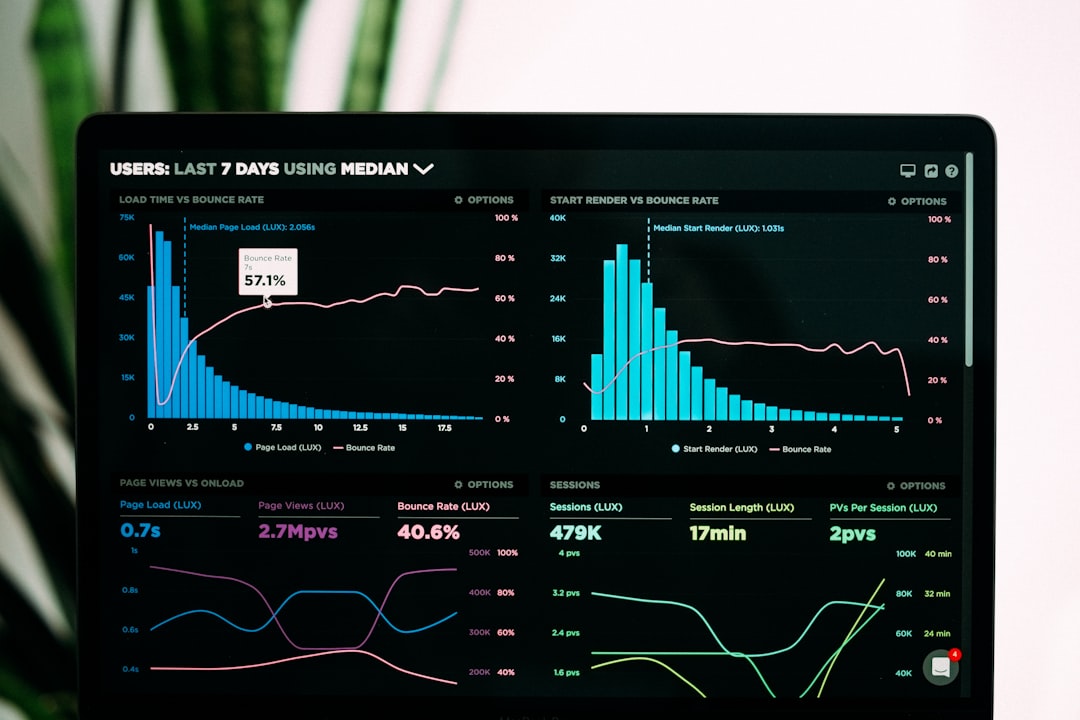
Beauty brands should not guess their 2026 Meta Ads peak hours; they should find them by matching ad delivery time with checkout behavior, creative response, and audience intent. For most beauty advertisers, the best hours are not simply the hours with the cheapest clicks. The best hours are the hours when people are ready to watch, compare, save, subscribe, and buy.
TLDR: In 2026, beauty brands should identify peak Meta advertising hours by comparing hourly spend, CTR, add to cart rate, purchase rate, and ROAS across at least 30 days. For example, a skincare brand may find that 7 p.m. to 10 p.m. delivers a 22% higher purchase rate than midday, even if CPM is 14% higher. A practical starting point is to test morning discovery content, lunch break retargeting, and evening conversion ads. The goal is not to buy the cheapest hour; it is to buy the hour with the strongest profit signal.
Why peak hours matter more for beauty brands
Beauty buying is emotional, visual, and routine driven. A lipstick, serum, fragrance, or hair mask is rarely judged on price alone. People want proof. They watch shade swatches. They compare skin textures. They save routines for later. They come back after work when they have time to think.
This makes timing critical. A user may scroll past a foundation ad at 8:15 a.m. while rushing to work. The same person may watch a creator demo at 8:40 p.m., click through, read reviews, and buy. Same person. Same product. Different hour. Very different result.
In 2026, Meta’s automation will keep improving, but automation still needs clean signals. If campaigns run all day without hourly analysis, budget can drift into soft periods. That is frustrating because the account may look “fine” at the daily level while wasting money in weaker hours.
What counts as a peak advertising hour?
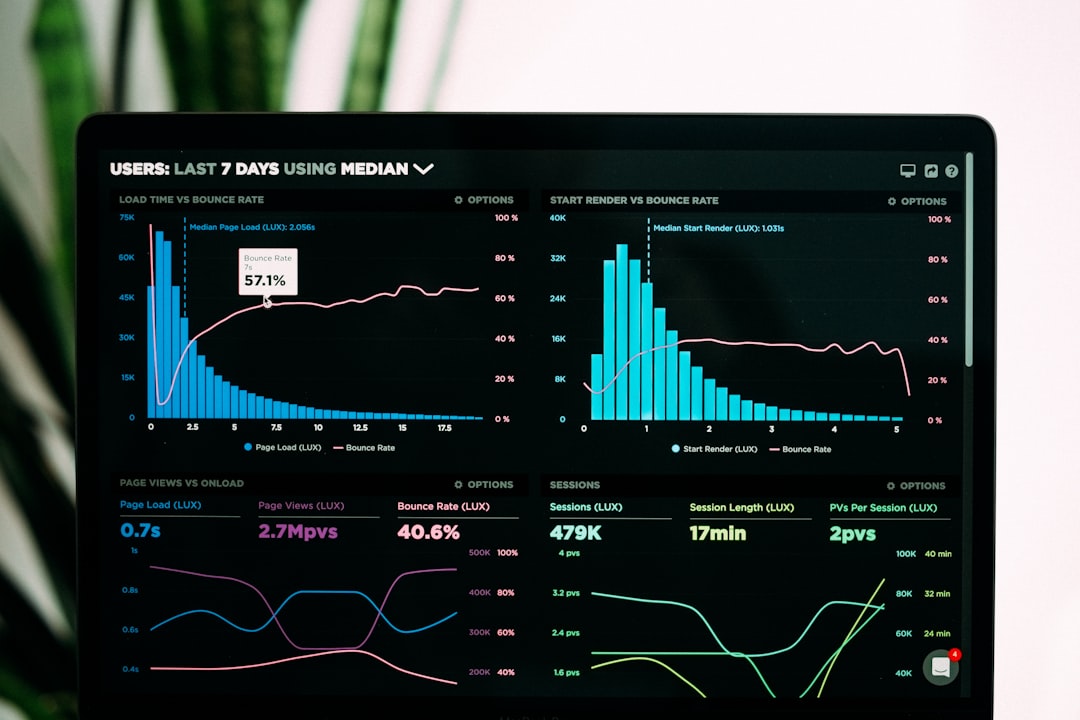
A peak hour is not always the hour with the highest traffic. For beauty brands, a useful peak hour should show strength across several signals:
- High purchase rate: people are not just browsing; they are buying.
- Strong add to cart rate: the product page is getting serious consideration.
- Healthy ROAS or MER: revenue supports the spend.
- Good creative engagement: video holds, saves, comments, and clicks are above average.
- Stable CPA: cost per acquisition does not swing wildly across days.
Do not crown a peak hour after one lucky evening. Beauty campaigns are affected by payday, influencer posts, weather, product launches, and retail moments. Use a wider sample before changing budgets.
Likely Meta Ads peak windows for beauty in 2026
Every account needs its own data, but beauty brands often see repeat patterns. These are useful starting points for testing:
- 7 a.m. to 9 a.m.: routine-based browsing. Good for skincare, haircare, SPF, and “get ready with me” content.
- 12 p.m. to 2 p.m.: lunch break comparison. Good for retargeting, bundles, reviews, and limited offers.
- 6 p.m. to 10 p.m.: strongest buying window for many direct-to-consumer beauty brands. Users have more time to watch demos and complete checkout.
- Sunday evening: planning mode. Strong for replenishment, self-care, subscriptions, and routine kits.
Honestly, it feels like many brands still treat each hour as equal because the daily report is easier to read. That shortcut can hide a lot. If 38% of purchases happen between 7 p.m. and 11 p.m., but only 24% of spend lands there, the campaign may be underfunding its best window.
How to identify your real peak hours
Start with a clean data pull. Use at least 30 days for stable brands and 60 to 90 days for seasonal products, luxury beauty, or low-volume accounts. Separate prospecting from retargeting. Mixing them can distort the result.
- Export hourly Meta data. Review impressions, spend, CPM, CTR, CPC, landing page views, adds to cart, purchases, CPA, and ROAS.
- Use the correct time zone. Compare account time zone with customer time zone. This matters for international beauty brands.
- Match Meta data with store analytics. Pull Shopify, GA4, CRM, or ecommerce platform data by hour. Meta-reported revenue and site revenue will not always match.
- Segment by product type. Makeup, fragrance, skincare, body care, and haircare may peak at different times.
- Separate new customers from repeat buyers. Returning customers often convert faster and at different hours.
- Check creative format. Reels, Stories, carousels, and creator whitelisting can each have different high-response periods.
A simple scorecard works well. Rank each hour from 1 to 5 for purchase rate, CPA, ROAS, and volume. The best hours are those with high scores and enough conversions to trust.

How to test peak hours without breaking Meta optimization
Do not rush into aggressive ad scheduling after one report. Meta’s delivery system needs room to learn. If the account is small, tight schedules can reduce volume and raise costs.
Use a staged test instead:
- Phase 1: Run campaigns normally and collect hourly data for 30 days.
- Phase 2: Create a test campaign or ad set focused on the strongest 4 to 6 hour window.
- Phase 3: Compare results against an always-on control campaign.
- Phase 4: Shift budget gradually if the test beats the control on CPA, ROAS, and new customer revenue.
Expect to waste time if reporting columns are messy. It can take 20 extra seconds per report just to confirm whether the data is using account time or viewer time. That small annoyance matters when teams review performance daily.
Campaign tactics for better results during peak hours
Once strong hours are confirmed, optimize the account around intent. Do not just raise budget and hope.
- Use discovery creative in the morning. Short routines, problem-solution videos, and creator hooks work well when users are browsing lightly.
- Use proof at midday. Show reviews, clinical claims, shade comparisons, before and after content, and press mentions.
- Push conversion messaging in the evening. Use bundles, free shipping thresholds, subscriptions, gifts with purchase, and back in stock messages.
- Refresh retargeting by hour. Cart abandoners from the last 24 hours may respond well during lunch and evening windows.
- Control frequency. Beauty shoppers enjoy reminders, but repetition gets irritating fast. Watch frequency and negative comments.
For example, a clean beauty brand could run a broad Reels campaign from 7 a.m. to 10 a.m. with a “three-step morning glow” hook. At lunch, it could retarget video viewers with dermatologist quotes and review cards. From 7 p.m. to 10 p.m., it could focus on add to cart audiences with a routine bundle and free shipping.
Metrics that matter most in 2026
Beauty brands should avoid judging peak hours by CTR alone. A high CTR can come from curiosity, not purchase intent. Strong reporting should include:
- Contribution margin by hour, not just revenue.
- New customer CPA, especially for subscription skincare or replenishable products.
- Creative hold rate for video ads.
- Checkout completion rate by device and hour.
- Post purchase repeat rate for customers first acquired during each hour.
This last point is underrated. If customers acquired at night repeat 18% more often than customers acquired in the morning, that changes how much the brand can afford to pay for evening traffic.
Common mistakes to avoid
- Using one week of data. Beauty demand shifts too much for that.
- Ignoring creative fatigue. A peak hour can weaken if the same ad runs too long.
- Cutting all low-hour delivery. Some early research happens outside buying windows.
- Forgetting retail events. Valentine’s Day, Mother’s Day, Black Friday, and payday cycles can skew hourly data.
- Overusing discounts. Peak hours should improve timing, not train customers to wait for coupons.
A practical 2026 operating plan
Review hourly performance every two weeks for active campaigns and every week during major launches. Keep a simple dashboard. Include spend, CPA, ROAS, purchases, new customers, and margin by hour. Mark the top three windows for prospecting and retargeting.
Then act with discipline. Increase budget in strong hours by 10% to 20%, not 80% overnight. Keep an always-on control so Meta can still find unexpected buyers. Recheck results after each creative refresh.
The brands that win will treat peak hours as a profit signal, not a trivia point. Meta’s system can place ads, but beauty marketers still need to connect timing, intent, creative, and margin. When those pieces line up, peak-hour optimization becomes a practical way to reduce waste and improve campaign results in 2026.

