
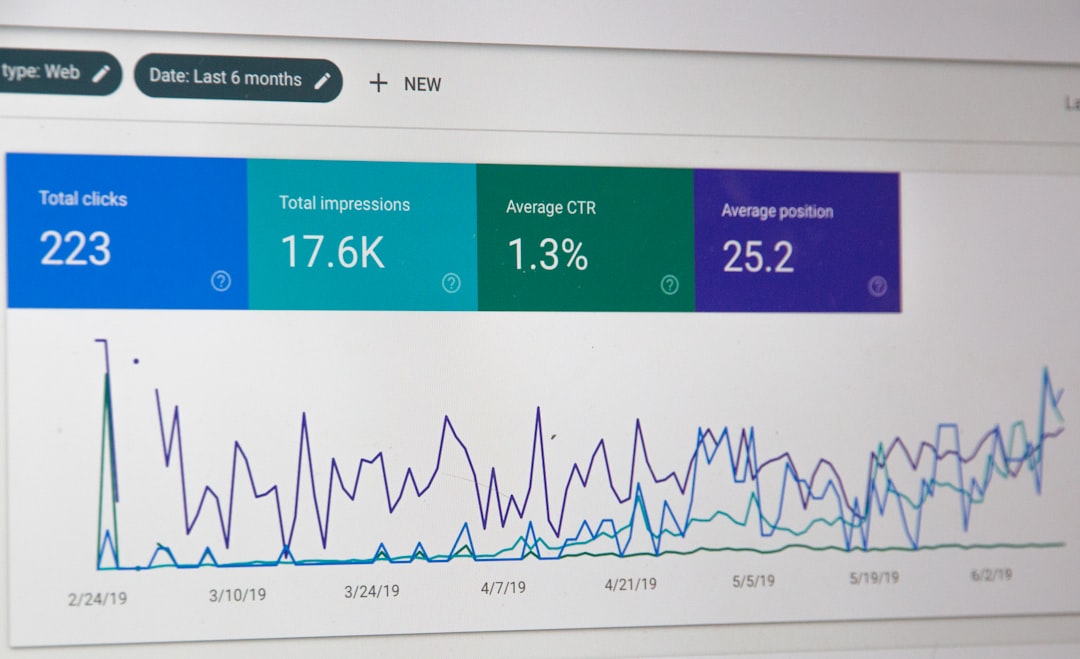
Search rankings can feel surprisingly unstable. A page that appears in position three on Monday may slip to position seven on Tuesday, recover by Thursday, and then move again over the weekend. For site owners, marketers, and SEO teams, these movements can be stressful—but they are also normal. A study of Google rank fluctuations reveals that daily ranking changes are not random chaos; they are the result of many signals, systems, and user behaviors interacting at once.
TLDR: Google rankings change daily because search results are constantly recalculated based on content quality, competition, user behavior, technical signals, personalization, and algorithm updates. Small fluctuations are normal and do not always mean something is wrong. The key is to track trends over time rather than react to every position change. Sustainable SEO depends on improving relevance, usefulness, and site quality instead of chasing daily movements.
Why Google Rankings Are Never Truly Static
Google’s search results are not a fixed list. They are more like a live marketplace where pages compete continuously for visibility. Every time Google crawls new content, updates its index, detects changing search intent, or tests different results, rankings can shift. Even if your website has not changed, the search environment around it may have.
One of the biggest misunderstandings in SEO is the belief that a ranking is “earned” once and then permanently held. In reality, rankings are re-evaluated constantly. Google aims to show the most helpful result for a specific query at a specific moment. That means today’s best answer may not be tomorrow’s best answer, especially in competitive or fast-changing industries.

What a Rank Fluctuation Study Typically Shows
A Google rank fluctuation study usually tracks thousands or millions of keywords over time to measure how often URLs move up or down in search results. These studies often reveal a clear pattern: small daily changes are extremely common. Positions may shift by one to three places even when there is no confirmed algorithm update.
Larger fluctuations tend to occur during major updates, technical changes, seasonal events, news cycles, or competitive content pushes. However, even stable websites experience movement. This is especially true beyond the top three positions, where small differences in relevance, freshness, and engagement can cause frequent reshuffling.
For example, a page ranking in position one for a branded query may remain stable for months. But a blog article ranking for a broad informational keyword may jump around frequently because many pages answer similar questions, and Google may test which one satisfies users best.
The Main Reasons Rankings Change Daily
Daily ranking changes usually come from a combination of factors rather than a single cause. Some are within your control, while others are external. The most common reasons include:
- Index updates: Google continuously discovers, crawls, and reprocesses pages across the web.
- Competitor activity: Other websites publish new content, improve pages, gain links, or fix technical issues.
- Search intent changes: Google may interpret a query differently based on user behavior or current events.
- Algorithm testing: Search results are often adjusted as Google evaluates quality and relevance signals.
- Personalization and location: Results can vary based on device, region, language, and search history.
- Technical changes: Site speed, crawlability, mobile usability, and indexing errors can influence visibility.
- Content freshness: For some topics, newer or updated information may be favored.
Algorithm Updates vs. Everyday Volatility
Not every ranking drop is caused by a major Google update. In fact, most daily fluctuations happen without any official announcement. Google makes thousands of improvements to its search systems each year, and many are too small to be publicly confirmed.
Major core updates are different. They often cause broad changes across many industries and websites. A core update does not usually target one site directly; instead, it changes how Google evaluates content, authority, usefulness, or relevance at scale. If rankings drop significantly during a confirmed update, it may indicate that Google has reassessed how your pages compare with others.
Everyday volatility, on the other hand, is usually less dramatic. A page may move from position four to six and back again without any serious issue. The danger is overreacting. If you rewrite titles, change content, remove sections, or alter internal links every time a keyword moves, you may create more instability rather than less.
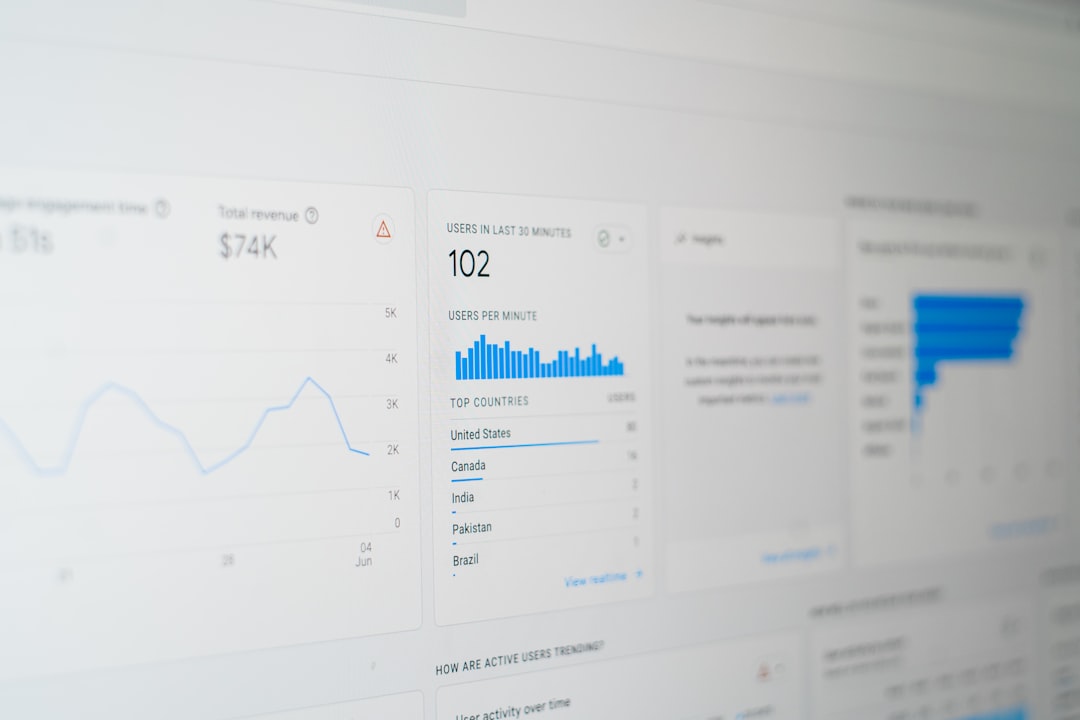
User Behavior and Search Intent Matter More Than Many Realize
Google’s goal is not simply to rank the page with the most keywords or backlinks. It wants to rank the result that best satisfies the searcher. This is why search intent plays such a powerful role in ranking fluctuations.
Consider the query “best running shoes.” Some users may want product reviews, while others want a shopping page, a comparison guide, or expert recommendations. If Google notices that users prefer comparison articles for that query, informational pages may rise. If shopping behavior increases, ecommerce category pages may gain visibility.
Intent can also shift seasonally. Searches for “tax software,” “holiday gifts,” “summer dresses,” or “flu symptoms” behave differently depending on the time of year. A page that performs well during one season may lose ground when user expectations change.
Why Competitors Can Move You Without You Changing Anything
One frustrating truth about SEO is that your rankings can change even if your website remains exactly the same. That is because rankings are comparative. Google is not evaluating your page in isolation; it is comparing your page against every other relevant result.
If a competitor improves its content, earns authoritative links, strengthens internal linking, adds original research, or enhances page experience, it may overtake you. Likewise, if several competitors publish fresh guides around the same topic, your older page may appear less complete or less current.
This is why rank tracking should always be paired with competitive analysis. When a position drops, do not only ask, “What happened to my page?” Also ask, “Who moved above me, and why?” The answer often reveals practical opportunities for improvement.
Technical SEO and Crawling Can Cause Sudden Movement
Technical issues are another common cause of ranking changes. A page may lose visibility if Google has trouble crawling or rendering it, if canonical tags are misconfigured, or if important content becomes hidden behind scripts. Slow load times, mobile usability problems, or server errors can also affect performance.
Sometimes fluctuations happen after a website migration, redesign, plugin update, or CMS change. Even small adjustments, such as modifying URL structures or changing internal links, can influence how Google understands the importance of a page.
Useful technical checks include:
- Confirming important pages are indexable
- Checking Google Search Console for crawl or indexing issues
- Reviewing canonical tags and redirects
- Testing mobile usability and page speed
- Monitoring server errors and downtime
- Ensuring internal links still point to priority pages

How to Interpret Ranking Fluctuations Correctly
The smartest way to study rank changes is to look for patterns rather than isolated movements. A single keyword dropping two positions is not usually a crisis. But if many important keywords decline across multiple pages, categories, or countries, that may signal a broader issue.
Focus on clusters of data. Are rankings down only on mobile? Only in one location? Only for commercial keywords? Only for old blog posts? These details help identify whether the cause is technical, content-related, competitive, or algorithmic.
It is also important to compare rankings with traffic and conversions. Sometimes a keyword drops slightly, but organic traffic remains stable because another keyword improves. In other cases, a ranking drop from position two to five may significantly reduce clicks. Not all ranking changes have the same business impact.
What to Do When Rankings Change
When rankings fluctuate, avoid panic. Start with diagnosis. Check whether the change is isolated or widespread. Review Google Search Console data, analytics trends, recent site changes, and competitor movements. If there is a confirmed algorithm update, study which types of pages gained or lost visibility.
Then improve strategically. Update outdated information, add original insights, make content easier to read, strengthen internal links, and ensure the page fully matches search intent. If competitors offer better examples, clearer structure, stronger expertise, or more useful visuals, close those gaps.
Most importantly, build resilience. Sites that rely on thin content, weak authority, or outdated tactics tend to suffer more during volatility. Sites that consistently publish helpful content, maintain technical health, and serve users well are more likely to recover from normal turbulence.
The Bigger Lesson From Ranking Volatility
Daily Google ranking changes are not a sign that SEO is unpredictable or impossible. They are a reminder that search is alive. The web changes, users change, competitors change, and Google’s systems adapt in response.
A strong SEO strategy does not depend on freezing rankings in place. It depends on understanding why movement happens and responding with patience, evidence, and long-term improvements. Instead of asking, “Why did my ranking change today?” the better question is: “Is my site becoming more useful, trustworthy, and competitive over time?”
If the answer is yes, daily fluctuations become less frightening. They become data points—signals that help you refine your content, strengthen your site, and build visibility that lasts beyond the noise of any single day.

