
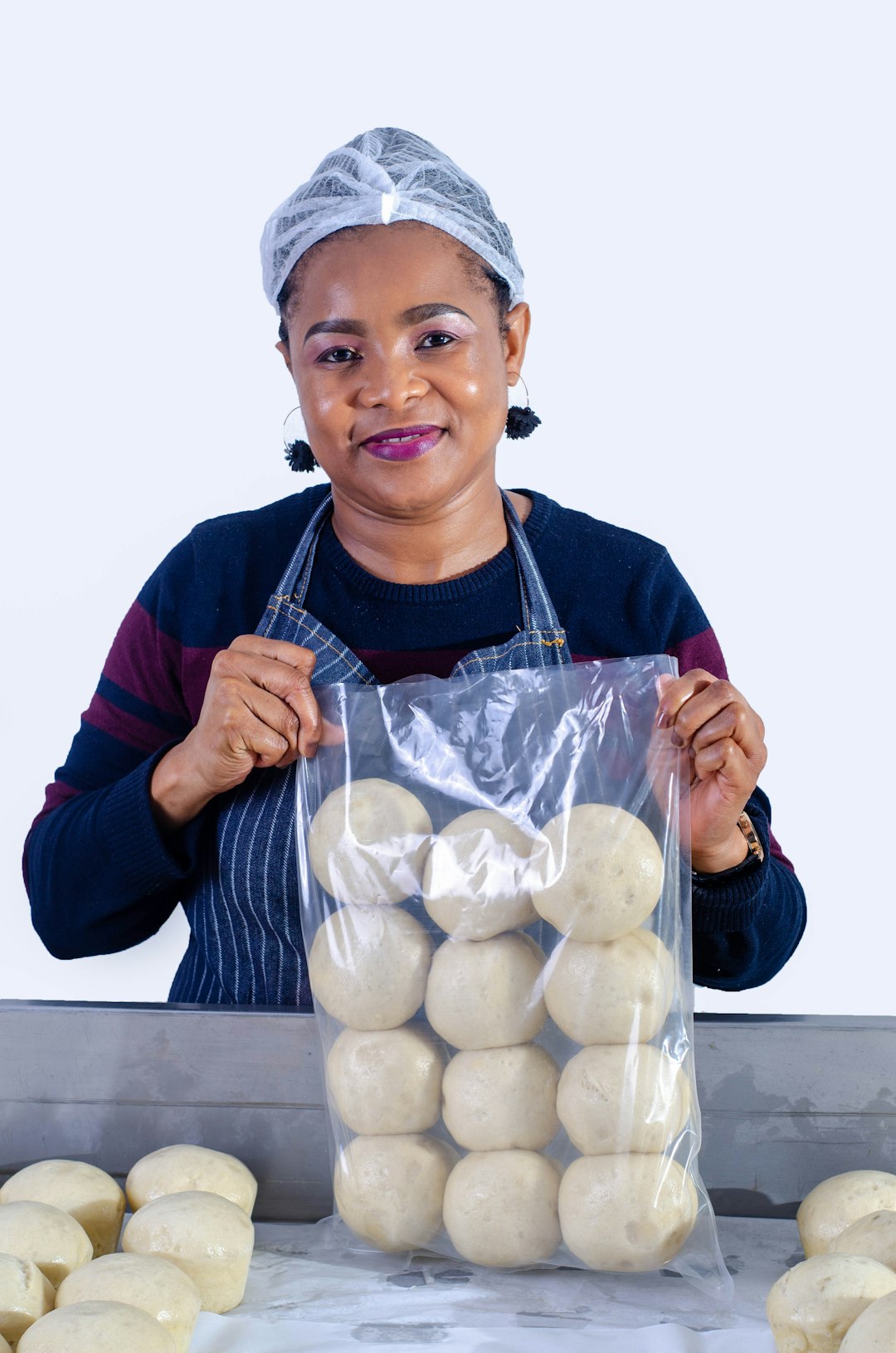
A great About Us page does more than explain what a small business sells. It builds trust, shows personality, and gives visitors a reason to choose you over a competitor. For small businesses especially, this page can become one of the strongest conversion tools on the website because customers often want to know who they are buying from.
TLDR: The best About Us pages for small businesses are clear, human, and focused on trust. They usually include a strong origin story, photos of real people, values, and a simple explanation of what makes the business different. Use the seven examples below as inspiration to create an About Us page that feels personal, professional, and memorable.
Top 7 About Us Page Examples for Small Businesses
1. The Founder Story: A Local Bakery With Heart
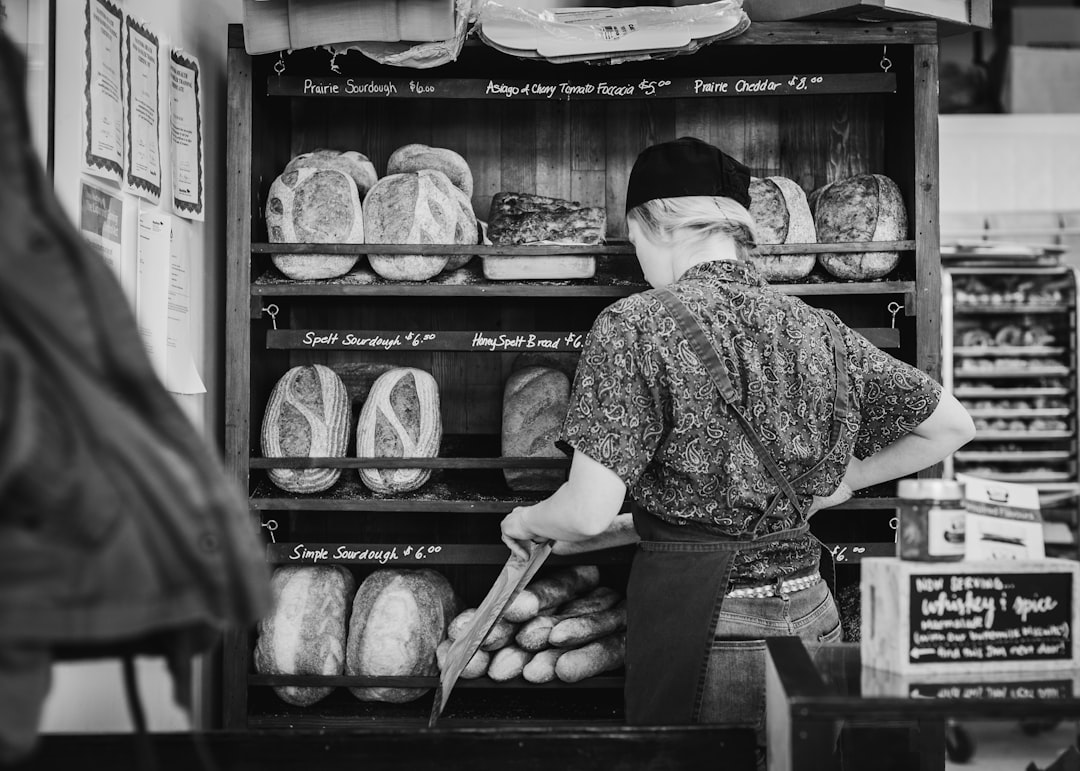
One of the most effective About Us page styles is the founder story. Imagine a neighborhood bakery that started in a home kitchen, grew through farmers markets, and eventually opened a storefront. The page might explain how the founder learned recipes from a grandparent, why fresh ingredients matter, and how the business became part of the local community.
This format works because it gives customers an emotional reason to care. Instead of simply saying, “We sell bread and pastries,” the bakery shows its history, values, and passion. For small businesses, this kind of page is powerful because it turns an ordinary purchase into a personal connection.
Best elements to include:
- A short origin story
- Photos of the founder or team
- A clear mission statement
- Details about local ingredients or traditions
2. The Team First Page: A Friendly Service Business
For service-based small businesses, such as salons, repair companies, consulting studios, or local agencies, a team-focused About Us page can be extremely effective. Customers often want to know who will be helping them, especially when the service is personal or ongoing.
A strong example would feature staff photos, short bios, specialties, and maybe a fun fact about each person. This makes the business feel approachable and reduces uncertainty. A customer choosing a dog groomer, fitness trainer, or accountant may feel more comfortable booking after seeing smiling faces and reading about real experience.
The key is to avoid stiff biographies. Instead of listing every certification in a dry format, mix expertise with personality. For example: “Maria has 12 years of styling experience and is known for helping clients find easy, everyday looks they can actually maintain.”
3. The Mission Driven Page: An Eco Conscious Shop
Some small businesses stand out because of what they believe in. An eco conscious boutique, refill store, plant nursery, or handmade goods shop can use its About Us page to explain a bigger mission. The page might describe the business’s commitment to low waste packaging, ethical sourcing, local makers, or long lasting products.
This example works best when the mission is specific. A vague statement like “We care about the planet” is not as convincing as saying, “We choose suppliers who use recyclable packaging, and we donate unsold seasonal items to local community groups.” Specific details build credibility.
A mission driven About Us page should answer three questions:
- What problem does the business care about?
- What actions does it take to help?
- How can customers participate?
4. The Customer Centered Page: A Family Owned Contractor
An About Us page for a family owned contractor, plumber, landscaper, or cleaning company should focus heavily on trust. Customers are inviting the business into their homes or depending on it for important repairs, so reassurance matters.
A strong example might include how long the company has served the area, whether it is licensed or insured, what neighborhoods it covers, and how it treats customers. Testimonials, project photos, and simple guarantees can also strengthen the page.
Instead of saying, “We provide excellent service,” a better version would be: “We arrive on schedule, explain the work before we begin, and leave your space as clean as we found it.” This kind of language is practical, believable, and customer focused.
5. The Visual Story Page: A Creative Studio or Maker Brand
For small businesses built around creativity, visuals are essential. A florist, photographer, ceramic artist, interior designer, or boutique clothing brand should use the About Us page to show the style and personality behind the work.
This example might include a short written story alongside a gallery of behind the scenes images: hands arranging flowers, sketches on a desk, tools in a workshop, or finished products in real homes. The goal is to help visitors feel the craft behind the brand.
Keep the writing concise and let the visuals do some of the storytelling. A creative business does not need a long corporate history. It needs a clear sense of taste, care, and process.

6. The Problem Solution Page: A Niche Online Business
Many small online businesses begin because the owner noticed a specific problem. Maybe a parent created better lunchbox labels, a cyclist designed safer gear, or a book lover opened a curated subscription shop. This About Us page structure is simple: problem, solution, proof.
Start by describing the frustration the customer already understands. Then explain how the product or service solves it. Finally, show why the business is qualified to help. This format is especially strong for niche stores because it immediately tells visitors, “We understand you.”
For example, a small skincare brand for sensitive skin might explain the founder’s struggle with irritating products, the research behind gentle formulas, and the decision to avoid harsh fragrances. The page becomes both a story and a sales tool.
7. The Community Rooted Page: A Neighborhood Cafe or Bookstore
Some small businesses are loved because they create a sense of place. A neighborhood cafe, independent bookstore, yoga studio, or local market can use its About Us page to highlight community involvement.
This type of page might mention local events, partnerships, charity drives, open mic nights, workshops, or collaborations with nearby businesses. It should make visitors feel that the business is more than a place to buy something; it is part of the neighborhood’s personality.
A strong community rooted About Us page often includes warm photography, quotes from customers, and details about the area served. It can also invite people to visit, join an event, or follow local updates.

What the Best About Us Pages Have in Common
Although these examples use different approaches, the strongest small business About Us pages share a few important qualities. They are specific, not generic. They show real people, real values, and real reasons the business exists. They also speak directly to the customer instead of sounding like a corporate brochure.
Before writing your own page, ask yourself:
- Why did this business begin?
- What do customers appreciate most about us?
- What makes our process, service, or product different?
- What proof can we show, such as photos, reviews, awards, or experience?
- What should visitors do after reading the page?
Finally, remember that your About Us page should not be only about you. The best pages connect your story to the customer’s needs. When visitors understand who you are, what you care about, and how you can help them, they are much more likely to trust your business and take the next step.

