
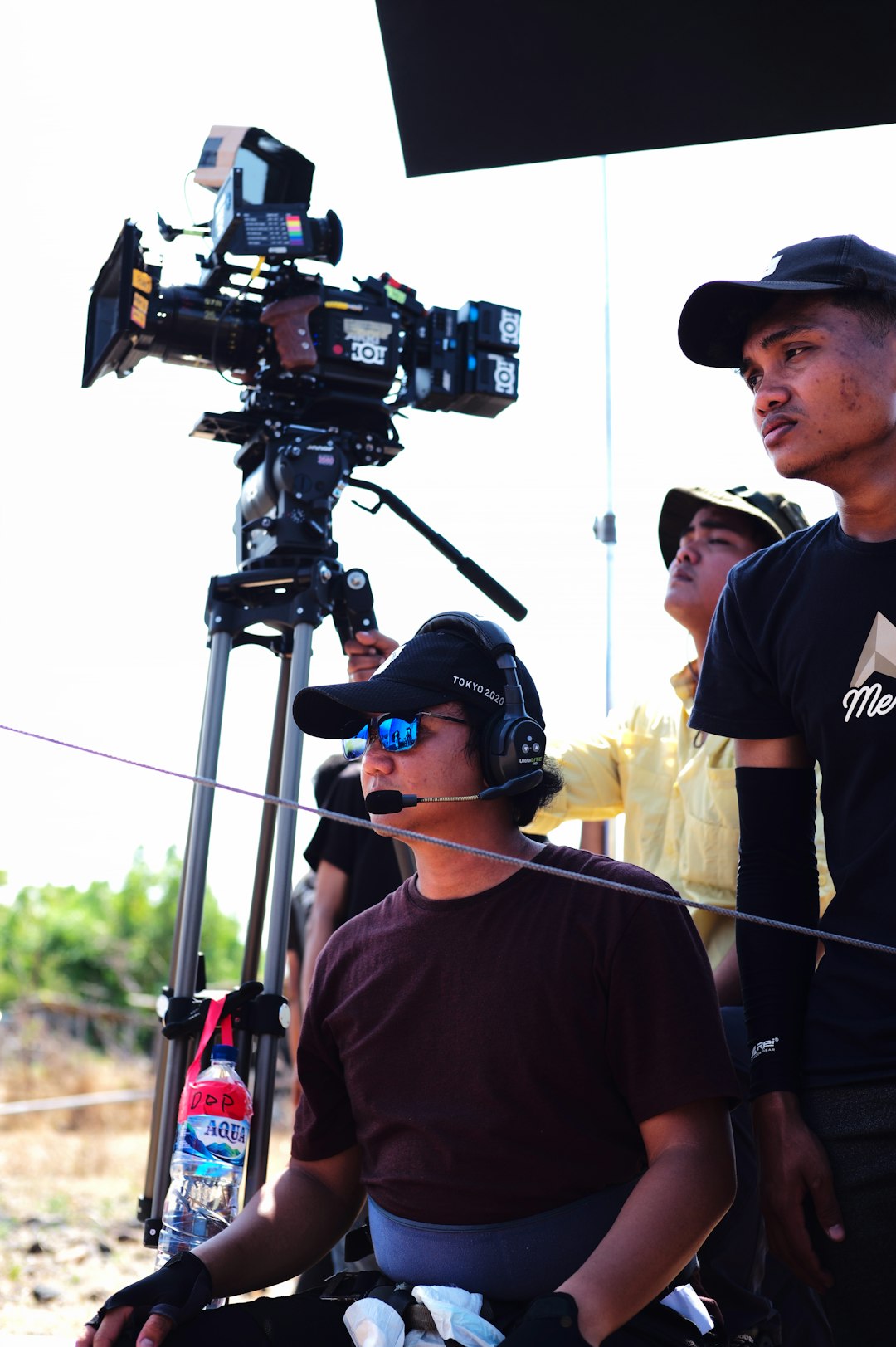
A reaction shot shows a person responding to what just happened, and it often carries more emotional weight than the action itself. In film editing, that brief cut to a face can decide whether a scene feels funny, brutal, romantic, suspicious, or tragic.
TLDR: A reaction shot is a cut to a character’s response, usually after a line, action, reveal, or sound. Editors use it to guide the viewer’s feelings and to control the rhythm of a scene. For example, if a character receives bad news, a two-second close-up of their stunned silence can say more than ten lines of dialogue. In a test screening scenario, a comedy scene might get 30% more laughs when the editor holds on the listener’s confused face before cutting back to the speaker.
What Is a Reaction Shot?
A reaction shot is a shot that shows a character reacting to something in the scene. That “something” may be another character’s line, a shocking event, an offscreen sound, a visual reveal, or even silence. The camera is not focused on the action itself. It is focused on the effect of that action.
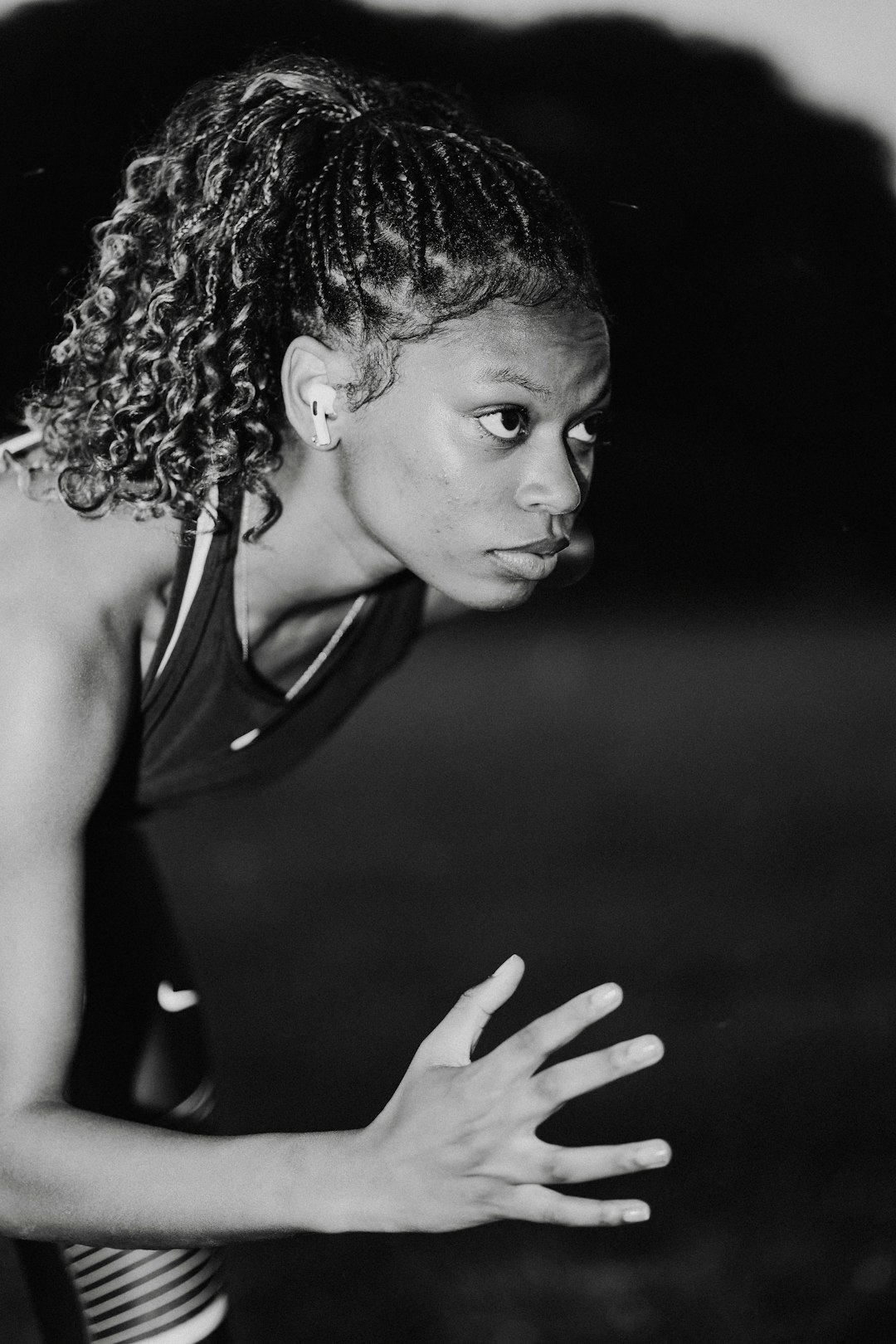
Most reaction shots are close-ups or medium close-ups. That is not a rule, but it is common because faces carry detail. A tightened jaw, a glance away, a slow blink, or a forced smile can shift the meaning of the scene.
The key point is simple: a reaction shot tells the audience how to read the moment.
Why Reaction Shots Matter in Film
Film is not only about what happens. It is about what that event means to the people watching it happen. A reaction shot turns plot into feeling.
Imagine a character says, “I never loved you.” If the editor cuts to the listener laughing, the scene may feel cruel or absurd. If the listener stares back in silence, the scene may feel devastating. If they smile faintly, it may suggest triumph, denial, or revenge. The line stays the same. The meaning changes.
That is why reaction shots matter. They shape interpretation.
- They reveal emotion. Viewers see fear, shame, desire, anger, relief, or suspicion.
- They create emphasis. A cut tells the audience, “Watch this person now.”
- They control pacing. A held reaction can slow a scene and add weight.
- They build suspense. A character reacting before the source is shown can make the audience wait.
- They improve clarity. They show who understands the moment and who does not.
Bad editing often rushes past reactions. Honestly, it feels like some scenes are afraid of silence. The result can be flat. The audience hears information, but they do not feel it land.
The Reaction Shot as Emotional Evidence
A reaction shot works because viewers trust faces. Human beings read expression quickly. We notice micro-movements even when we cannot name them. Editors use that instinct.
In courtroom dramas, a reaction shot to a jury member can suggest doubt. In horror, a character’s terrified stare may be scarier than the monster. In romance, the cut to someone quietly watching from across the room can reveal affection before the script does.
This makes the reaction shot a form of emotional evidence. It confirms that an event matters. Without it, even a major plot turn can feel oddly thin.
How Editors Use Reaction Shots to Shape a Scene
Editors do not place reaction shots at random. They choose them by asking a practical question: Whose experience should the audience share right now?
If the scene is about a speaker’s power, the editor may stay on the speaker. If the scene is about the damage caused by the speaker, the editor cuts to the listener. This choice changes the center of the scene.
Here are common ways editors use reaction shots:
-
To land a line.
A sharp line often needs a response. The reaction confirms whether the line wounded, amused, confused, or failed.
-
To hide or reveal information.
If a character hears a secret, the editor can cut to their face to reveal that they know. Or the editor can avoid their reaction to keep the audience uncertain.
-
To create comedy timing.
Comedy often depends on the pause after a joke. A dry stare, delayed blink, or uncomfortable silence can be the laugh point.
-
To increase tension.
In thrillers, the editor may cut to someone noticing a clue before the main character does. The audience then waits for trouble.
-
To soften exposition.
When a scene contains lots of information, reactions keep it human. They stop dialogue from sounding like a report.
Timing Is the Hard Part
A reaction shot can fail if it is too early, too late, or too long. A few frames can change the feel of a scene. That may sound extreme, but it is true in professional editing rooms.
Cut too early, and the reaction seems fake because the character appears to respond before the moment has landed. Cut too late, and the audience may miss the emotional beat. Hold too long, and the scene can feel overplayed.
Editors often test several versions. One version may hold a reaction for one second. Another may hold it for three. The shorter cut may feel tense. The longer one may feel sad. Neither is automatically better. The right choice depends on the scene’s purpose.
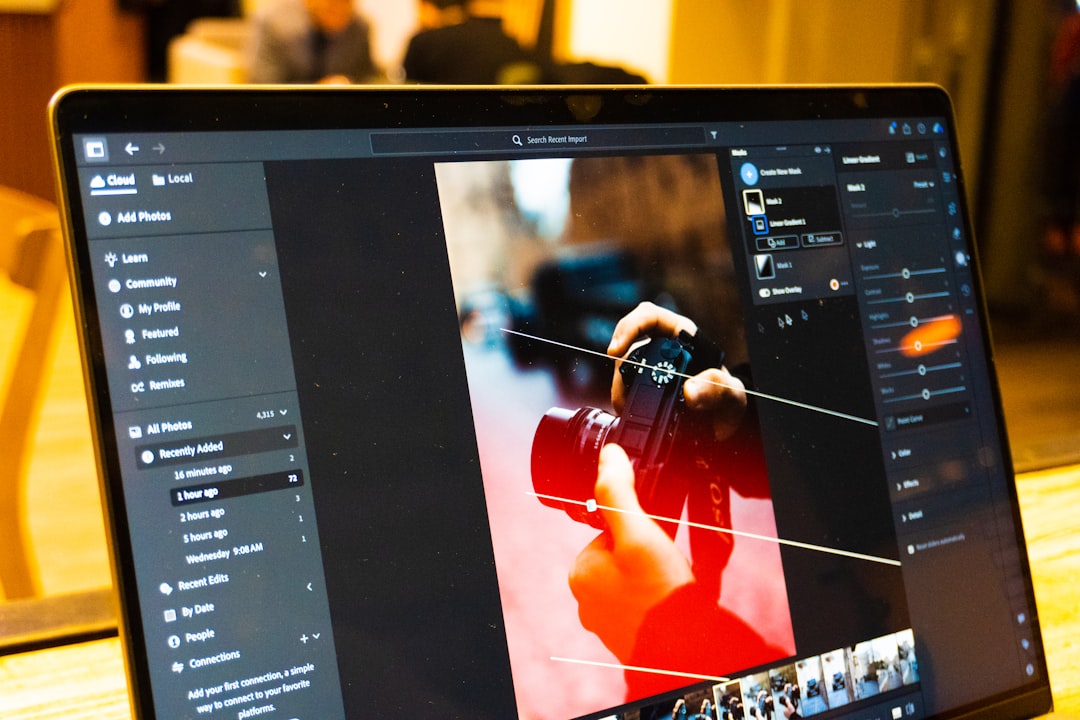
It drives editors a little mad when editing software makes a trim feel precise but delays playback just enough to break judgment. Even a half-second lag can make a reaction feel wrong during review. Timing depends on feel, not only numbers.
Reaction Shots and Point of View
Every reaction shot assigns attention. If two characters are arguing and the editor keeps cutting to a silent third person, that third person becomes significant. The viewer starts to ask why their response matters.
This is one reason reaction shots are so useful in ensemble scenes. They can show alliances, conflict, private fear, or hidden knowledge without extra dialogue.
For example, during a family dinner scene, one character mentions selling the house. The editor cuts to:
- The mother, who looks relieved.
- The son, who looks betrayed.
- The sister, who avoids eye contact.
Now the scene has layers. The audience understands that the announcement means different things to different people. That is storytelling through selection.
Common Types of Reaction Shots
Not every reaction shot looks the same. Some are obvious. Others are subtle enough that viewers barely notice them.
- The close-up reaction: A direct view of the face after a key line or event.
- The silent reaction: No dialogue, only expression and body language.
- The delayed reaction: A pause before the character responds, often used for shock or comedy.
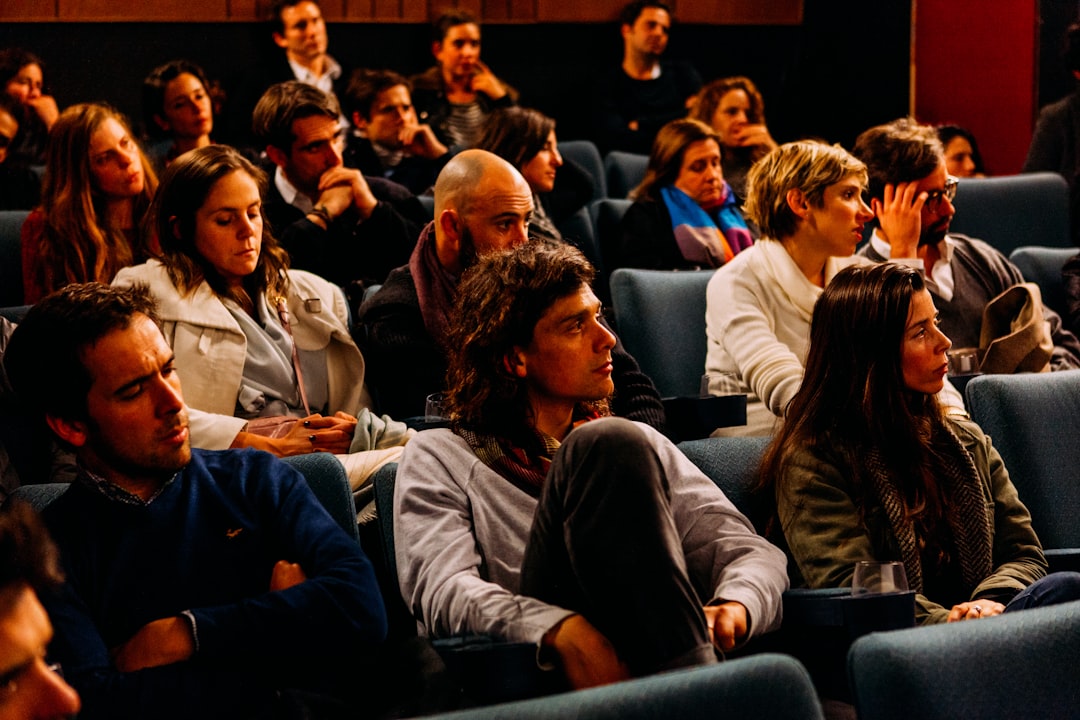
- The group reaction: Several people reacting at once, common in trials, classrooms, meetings, and crowds.
- The offscreen trigger reaction: A character reacts before the viewer sees what caused it.
Why Actors Value Reaction Shots
Actors know that listening is acting. A strong reaction shot can become the most memorable part of a performance. It may contain no speech at all, yet reveal the character’s full inner state.
This is why directors often shoot coverage of listeners, not just speakers. Editors need options. A scene built only from the person talking can feel narrow. With reaction shots, the editor can shape emotional flow and preserve performance detail.
What Makes a Reaction Shot Good?
A good reaction shot feels earned. It matches the character, the situation, and the rhythm of the scene. It does not announce itself unless the style calls for that.
The best reaction shots often do three things at once:
- They clarify what happened.
- They reveal what it means.
- They make the viewer want the next cut.
A weak reaction shot does the opposite. It repeats obvious emotion, slows the scene without purpose, or tells the viewer what they already know. Serious editing means knowing when not to cut, too.
The Quiet Power of the Cutaway
A reaction shot may look small, but it is one of the editor’s strongest tools. It can shift sympathy, sharpen a joke, deepen grief, or turn a simple exchange into a loaded conflict.
When used well, it disappears into the scene. Viewers do not think, “That was a reaction shot.” They think, “I understand what that moment did to them.” That is the real power of film editing: not only showing events, but shaping how those events are felt.

