
Conversion rate optimization is often treated as a design or analytics discipline, but language plays an equally important role. The words people use when searching, comparing, hesitating, and buying can reveal what they need to see before they take action. For that reason, identifying the right CRO keywords is not only an SEO exercise; it is a strategic way to improve landing pages, ads, product pages, forms, and calls to action.
TLDR: The best CRO keywords are terms that reveal clear intent, reduce hesitation, and guide users toward action. High-performing campaigns typically use keywords related to value, trust, urgency, comparison, pricing, risk reduction, and user problems. To improve conversions, marketers should connect keyword research with testing, page messaging, and analytics instead of treating keywords as isolated traffic drivers.
Why CRO Keywords Matter
Traditional keyword research often focuses on traffic volume. In conversion rate optimization, the focus shifts to intent quality. A keyword may bring thousands of visitors, but if those visitors are not ready to act, the campaign may underperform. CRO keywords help marketers understand the mindset behind a visit: Is the user researching, comparing options, looking for proof, or ready to buy?
When CRO-focused keywords are applied correctly, they can improve multiple parts of the customer journey. They help shape headlines, clarify value propositions, strengthen calls to action, and remove friction. They also support better segmentation, allowing businesses to create messages that match different stages of decision-making.
1. Problem and Pain Point Keywords
Some of the most valuable CRO keywords describe the problem a visitor wants to solve. These terms often include phrases such as reduce bounce rate, increase sales, lower cart abandonment, improve lead quality, or fix low conversions. They are powerful because they reflect an active frustration.
Pages targeting these keywords should quickly acknowledge the pain and explain the practical outcome the user can expect. For example, a landing page for a software product should not simply state its features. It should show how the product helps users reduce manual work, recover lost revenue, or identify points of friction.
2. Intent Keywords That Signal Readiness to Act
High-intent keywords are essential for conversion-focused campaigns. These include phrases such as book a demo, get a quote, start free trial, request consultation, and buy now. Users searching with these terms are usually further along in the decision process.
For these keywords, the page experience must be direct and efficient. Avoid long introductions, vague claims, or unnecessary distractions. The call to action should be visible, the benefits should be specific, and the next step should feel low-risk. If the keyword implies immediate action, the page must support that action without delay.
3. Trust and Credibility Keywords
Trust is a major factor in conversion rate optimization, especially for high-value purchases, financial services, healthcare, software, and business-to-business solutions. Keywords such as reviews, testimonials, case studies, best rated, certified, secure, and trusted by indicate that users want reassurance before making a decision.
These keywords should be supported with credible evidence. Useful page elements include verified reviews, customer logos, measurable case study results, third-party badges, security statements, guarantees, and clear company information. Trust-focused wording should be accurate and defensible. Overstated claims can weaken credibility and increase hesitation.
4. Comparison Keywords
Comparison keywords are particularly important because they show that users are evaluating alternatives. Common examples include best CRO tools, software comparison, alternative to, versus, top platforms, and which is better. These keywords often attract visitors who are close to choosing a provider.
To convert comparison-driven users, provide structured and transparent information. Tables, feature comparisons, pricing summaries, and use-case recommendations can help visitors make confident decisions. A serious CRO strategy does not hide weaknesses; it positions the offer clearly for the right audience. This approach often produces better-qualified conversions.
5. Pricing and Cost Keywords
Pricing keywords are valuable because they reveal commercial intent. Examples include pricing, cost, plans, affordable, enterprise pricing, and monthly subscription. When users search for cost-related terms, they are often trying to evaluate fit, budget, and value.
Many companies avoid pricing transparency, but unclear pricing can create friction. If exact prices cannot be shown, provide useful ranges, plan explanations, or guidance on what affects the final cost. CRO pages should connect price to value by showing outcomes, savings, support, implementation quality, or risk reduction.

6. Risk Reduction Keywords
Risk reduction keywords address the objections that prevent users from converting. These include free trial, money back guarantee, cancel anytime, no credit card required, secure checkout, privacy protection, and free consultation. Such phrases can significantly improve conversion rates when they match a real offer.
The key is to make risk reduction visible near decision points. For example, a form might convert better if it includes a short privacy assurance. A checkout page may perform better with clear refund terms and secure payment indicators. A demo request page may improve if it explains what happens after submission.
7. Benefit and Outcome Keywords
Benefit-driven keywords communicate the result a customer wants. Examples include increase revenue, more qualified leads, faster checkout, higher engagement, better user experience, and improve retention. These keywords work well because they shift attention from features to business impact.
Strong CRO campaigns use benefit keywords in headlines, subheadings, call-to-action copy, and proof points. However, the benefits must be specific. Instead of saying “improve results,” a page might say “increase completed bookings by simplifying the reservation flow.” Specificity helps users understand the value more quickly.
8. Urgency and Scarcity Keywords
Urgency can improve conversions when used responsibly. Keywords and phrases such as limited time, today only, last chance, limited seats, offer ends soon, and enroll now can encourage faster action. However, false scarcity damages trust and may reduce long-term customer value.
Use urgency only when it is genuine. Examples include registration deadlines, seasonal campaigns, expiring discounts, limited inventory, or scheduled events. In serious CRO work, urgency should support decision-making, not manipulate users.
9. Form and CTA Keywords
Calls to action are highly sensitive to wording. Generic CTAs such as submit or click here often underperform because they do not communicate value. Better CTA keywords include get started, see plans, download guide, compare options, schedule demo, and claim offer.
The best CTA language matches the user’s stage of intent. A visitor reading an educational article may respond to “download the checklist,” while a buyer comparing vendors may prefer “request pricing.” Testing different CTA keywords is one of the most practical ways to improve conversion rates.

How to Choose the Right CRO Keywords
Effective CRO keyword selection requires both research and evidence. Start by reviewing search query data, customer support questions, sales call transcripts, on-site search terms, review language, and competitor pages. These sources reveal how real users describe problems, objections, and desired outcomes.
Then classify keywords by intent:
- Informational: Users are learning about a problem or solution.
- Commercial: Users are comparing providers, features, or pricing.
- Transactional: Users are ready to sign up, buy, book, or request contact.
- Objection-based: Users need reassurance about cost, risk, trust, or implementation.
After classification, map keywords to specific page sections. Pain point keywords belong near the headline and opening copy. Trust keywords belong near proof elements. Pricing keywords should support value explanations. Risk reduction keywords should appear near forms, checkout buttons, and final calls to action.
Testing CRO Keywords
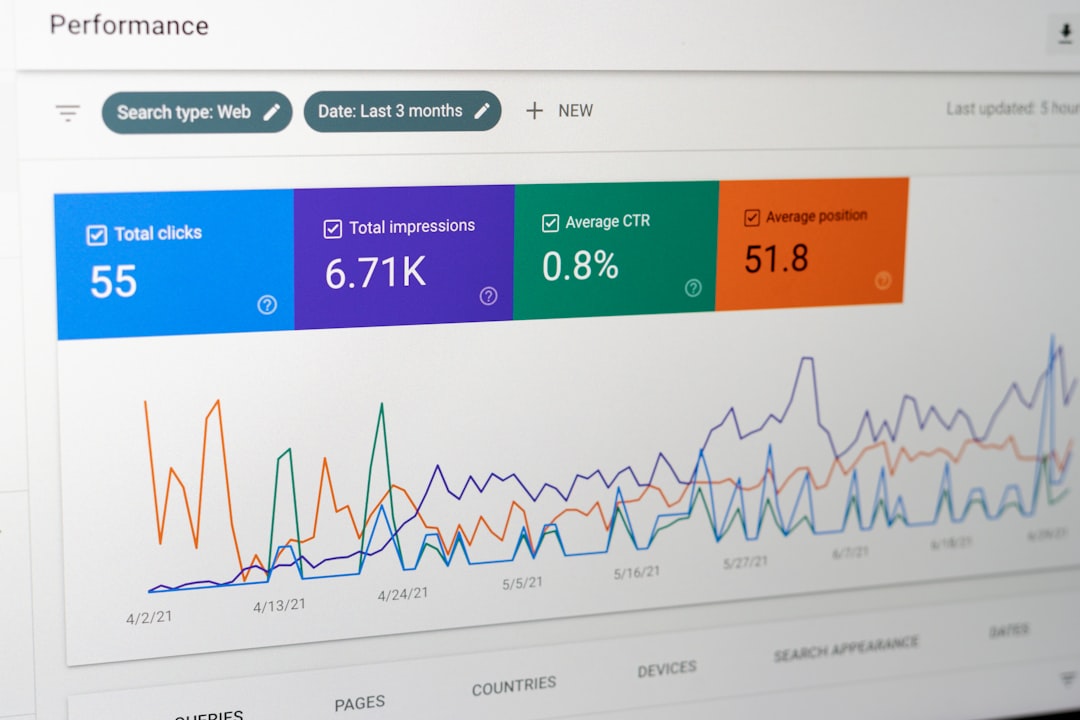
No keyword should be treated as automatically effective. Conversion rate optimization depends on testing. A/B testing can compare headline variations, CTA wording, trust statements, and benefit claims. Heatmaps, session recordings, and form analytics can show whether visitors notice the key message and where they hesitate.
Important metrics include conversion rate, form completion rate, click-through rate, average order value, lead quality, and revenue per visitor. A keyword that increases clicks but reduces qualified leads may not be valuable. The strongest CRO keywords improve both action and business outcomes.
Final Thoughts
The top CRO keywords are not simply popular search terms. They are words and phrases that reveal intent, answer objections, and help users make confident decisions. The most effective campaigns combine problem keywords, trust signals, comparison terms, pricing language, risk reducers, benefit statements, urgency cues, and precise calls to action.
For lasting results, use CRO keywords as part of a disciplined optimization process. Research how customers speak, match keywords to the buyer journey, support claims with evidence, and test changes continuously. When language aligns with user intent, conversion rate optimization becomes more predictable, measurable, and profitable.

