
Government contracting can feel like a maze. There are rules. There are forms. There are deadlines. And there are thousands of vendors trying to win the same contract. Now add artificial intelligence to the mix. Suddenly, that maze starts to look more like a smart highway system. AI is changing the way federal procurement works. And the future looks fast, data-driven, and surprisingly human.
TLDR: AI is transforming federal procurement by making it faster, smarter, and more transparent. It helps agencies analyze data, reduce fraud, improve vendor selection, and automate paperwork. Contractors can also use AI to write proposals, study competitors, and spot new opportunities. The future of government contracting will rely on smart systems working alongside skilled people.
Why Federal Procurement Matters
The U.S. federal government spends hundreds of billions of dollars every year. It buys everything. Office chairs. Fighter jets. Software. Cybersecurity services. Medical supplies. Construction projects.
This spending supports:
- National defense
- Infrastructure development
- Healthcare systems
- Scientific research
- Public safety
But managing all this spending is hard. There are strict compliance rules. There are audits. There are risk assessments. There is political oversight.
One mistake can lead to delays, protests, or even legal action.
This is where AI steps in.
What Is AI Doing in Government Contracting?
AI in federal procurement is not about robots signing contracts. It is about smart software. Software that can:
- Read and analyze large volumes of documents
- Detect patterns in spending
- Flag unusual behavior
- Predict risks
- Score proposals
- Automate repetitive tasks
It acts like a super-powered analyst. But one that works 24/7 and never gets tired.
Making Sense of Massive Data
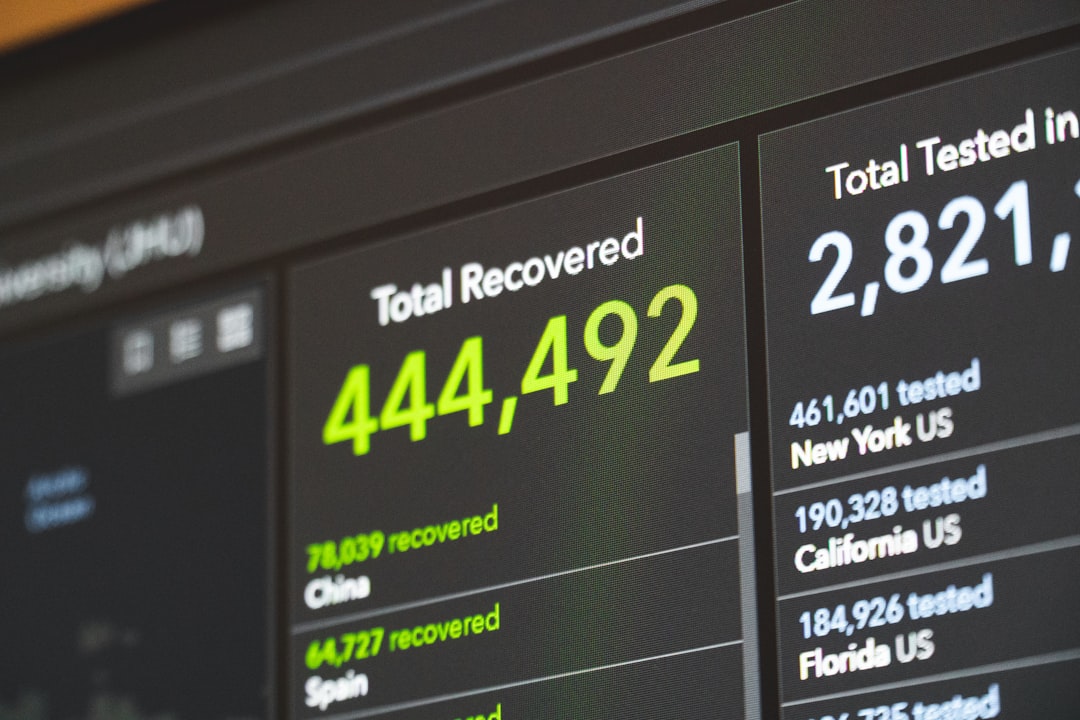
Federal agencies manage mountains of data. Past contracts. Vendor performance reports. Pricing histories. Audit results.
Before AI, analysts manually reviewed much of this information. That takes time. And time costs money.
AI can scan thousands of contracts in minutes. It can answer questions like:
- Which vendors consistently deliver on time?
- Where are cost overruns most common?
- Which contract types carry more risk?
- Are certain industries overcharging?
This helps agencies make smarter decisions. It also increases transparency.
Data becomes usable, not buried.
Fighting Fraud and Reducing Risk
Fraud in government contracts is a serious issue. Overbilling. False claims. Conflicts of interest. These problems cost taxpayers billions.
AI is especially good at spotting anomalies. It can flag:
- Unusual billing patterns
- Duplicate invoices
- Suspicious vendor relationships
- Sudden cost spikes
Instead of waiting for audits years later, agencies can act early. That changes everything.
Prevention is cheaper than correction.
Speeding Up the Procurement Cycle
Federal procurement is not known for speed. A contract can take months or even years to move from planning to award.
AI helps by automating repetitive steps:
- Drafting standard sections of solicitations
- Checking compliance requirements
- Comparing proposals against evaluation criteria
- Organizing vendor documentation
This does not replace contracting officers. It supports them.
Imagine having a digital assistant that highlights missing clauses or flags inconsistent pricing. That saves hours. Maybe days.
Smarter Proposal Evaluation
When agencies issue Requests for Proposals (RFPs), they may receive dozens of submissions. Each proposal can be hundreds of pages long.
Evaluating them is complex. It involves technical scores. Past performance reviews. Cost comparisons.
AI tools can:
- Compare proposals side by side
- Identify required keywords and compliance language
- Score responses based on predefined criteria
- Summarize strengths and weaknesses
This does not remove human judgment. It enhances it.
Humans still make the final call.
How Contractors Use AI
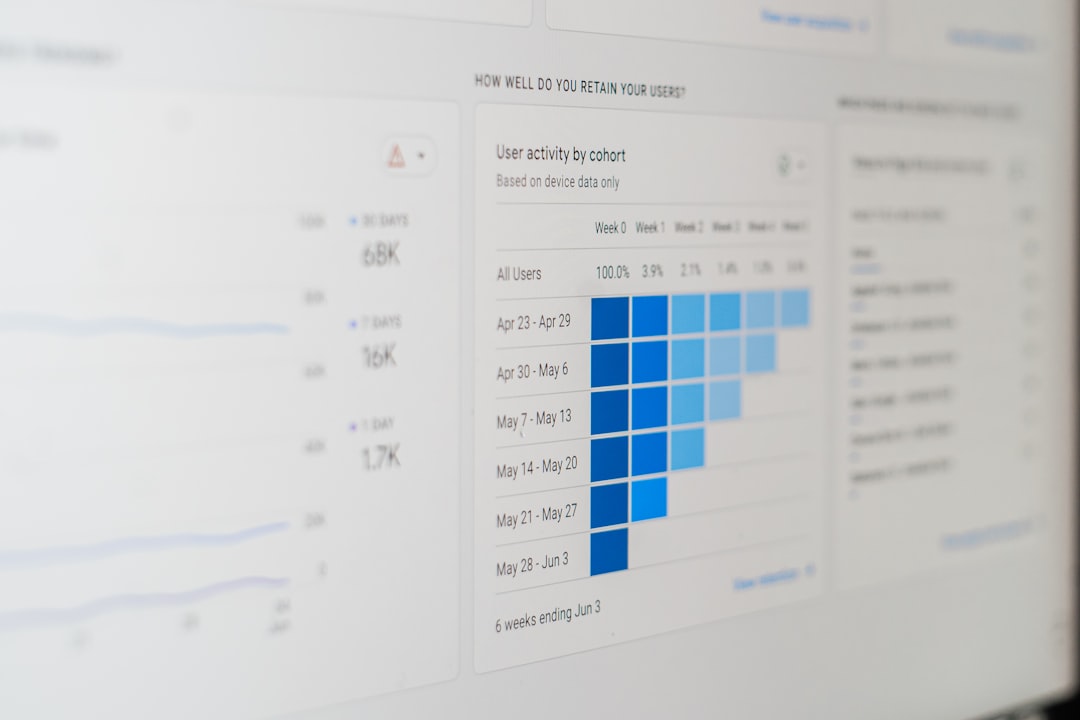
The transformation is not one-sided. Contractors are also using AI to compete more effectively.
AI helps them:
- Search for relevant opportunities
- Analyze past winning proposals
- Research competitors
- Draft technical narratives
- Ensure compliance with government formatting rules
This levels the playing field. Smaller businesses can use AI to compete with larger firms. They gain access to insights that once required big research teams.
AI becomes a force multiplier.
Predictive Procurement
One exciting development is predictive analytics.
Instead of reacting to needs, agencies can forecast them.
AI can analyze trends in:
- Maintenance schedules
- Equipment lifecycles
- Supply usage rates
- Economic indicators
This allows agencies to plan contracts earlier. It reduces emergency purchases. It improves budget accuracy.
Think of it as turning procurement into a strategic function, not just an administrative process.
Chatbots and Virtual Assistants
Some agencies are deploying AI-powered chatbots to answer vendor questions.
These bots can:
- Explain solicitation requirements
- Guide users through registration systems
- Clarify submission deadlines
- Provide status updates
This reduces email overload. It improves communication. And it helps new vendors navigate complex systems.
Access becomes easier.
Ethical and Legal Considerations
AI in federal procurement must follow strict ethical guidelines.
There are concerns about:
- Algorithm bias
- Data privacy
- Transparency in decision-making
- Accountability for automated recommendations
Government agencies cannot rely on “black box” systems. Decisions must be explainable.
That means AI tools need:
- Clear documentation
- Audit trails
- Human oversight
- Continuous testing
Technology cannot replace responsibility.
The Future: A Hybrid Workforce
The future of federal procurement is not humans versus machines. It is humans plus machines.
Contracting officers will still negotiate terms. They will still evaluate unique technical approaches. They will still apply judgment.
But they will also interpret AI-generated insights. They will manage digital tools. They will focus on strategy instead of paperwork.
Image not found in postmetaThis creates a new skill set. Procurement professionals will need:
- Data literacy
- Basic understanding of AI systems
- Cybersecurity awareness
- Strategic thinking skills
Training programs are already adapting.
Opportunities for Innovation
AI also opens the door for procurement innovation.
For example:
- Dynamic pricing models based on real-time market data
- Automated small business set-aside tracking
- Supply chain risk modeling
- Sustainability scoring for environmental impact
Agencies can evaluate not just price and performance, but long-term impact.
Procurement becomes smarter and more mission-focused.
Challenges Ahead
Of course, change is not easy.
Legacy systems still exist. Some agencies use outdated software. Budget constraints can slow modernization.
There is also resistance. Some professionals fear that AI could replace jobs.
But history shows something different. Technology tends to shift roles, not erase them.
Clerical tasks shrink. Strategic roles grow.
The key is thoughtful implementation.
What This Means for the Future
Federal procurement is moving toward:
- Greater transparency
- Faster award cycles
- Data-driven decision making
- Reduced fraud risk
- Improved vendor relationships
AI will be built into procurement platforms. It will not feel “extra.” It will feel standard.
Contractors who understand AI will have an edge. Agencies that invest wisely will gain efficiency.
The system becomes smarter with every contract awarded.
A Simple Way to Think About It
Imagine federal procurement as a giant puzzle. Each contract is a piece. For decades, people sorted those pieces manually.
Now AI helps sort. It highlights the edges. It groups similar colors. It suggests where certain pieces might fit.
But humans still assemble the final picture.
That is the future of AI in government contracting.
Not automation for the sake of automation. Not technology replacing expertise.
It is intelligence supporting public service.
And in the end, that means better use of taxpayer dollars. Faster delivery of critical services. Stronger partnerships between government and industry.
Simple ideas. Big impact. Smart future.

