
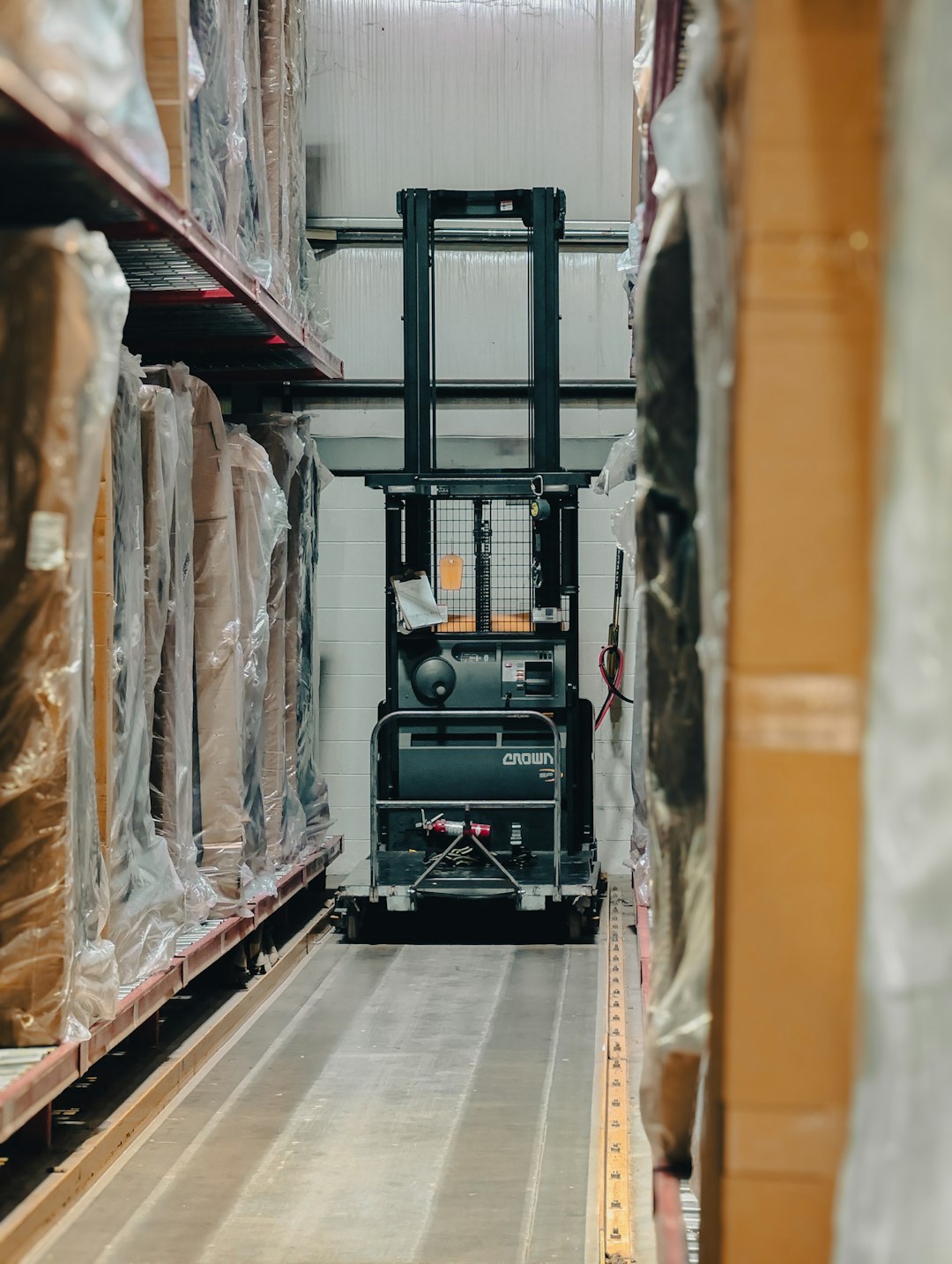
In shipping and logistics, a product’s journey can be rougher than it looks. Pallets bounce on forklifts, containers vibrate across oceans, and cartons shift inside trucks during sudden stops. That is where bulk dunnage comes in: the often overlooked packaging material that protects goods, stabilizes loads, and helps shipments arrive in usable, saleable condition.
TLDR: Bulk dunnage refers to protective packaging materials used in large quantities to fill empty space, cushion products, block movement, and stabilize freight during transport. It can include paper, foam, air pillows, wood, corrugated inserts, molded pulp, and inflatable bags. Choosing the right dunnage helps reduce damage, improve load efficiency, and support safer shipping across warehouses, trucks, containers, and delivery networks.
What Is Bulk Dunnage?
Bulk dunnage is packaging material used to protect, separate, brace, or support products during storage and transportation. The word dunnage has been used in shipping for centuries, originally referring to loose materials placed in cargo holds to keep goods dry and stable. Today, it covers a wide range of materials used throughout modern logistics, from simple kraft paper to engineered foam inserts and heavy duty inflatable void fillers.
The “bulk” part means the material is ordered, stored, and used in large quantities. Instead of buying a few small packs of cushioning material, warehouses and fulfillment centers keep dunnage on hand by the roll, bale, pallet, sheet, bundle, box, or dispenser system. This is especially important for businesses shipping many orders per day or moving large industrial loads.
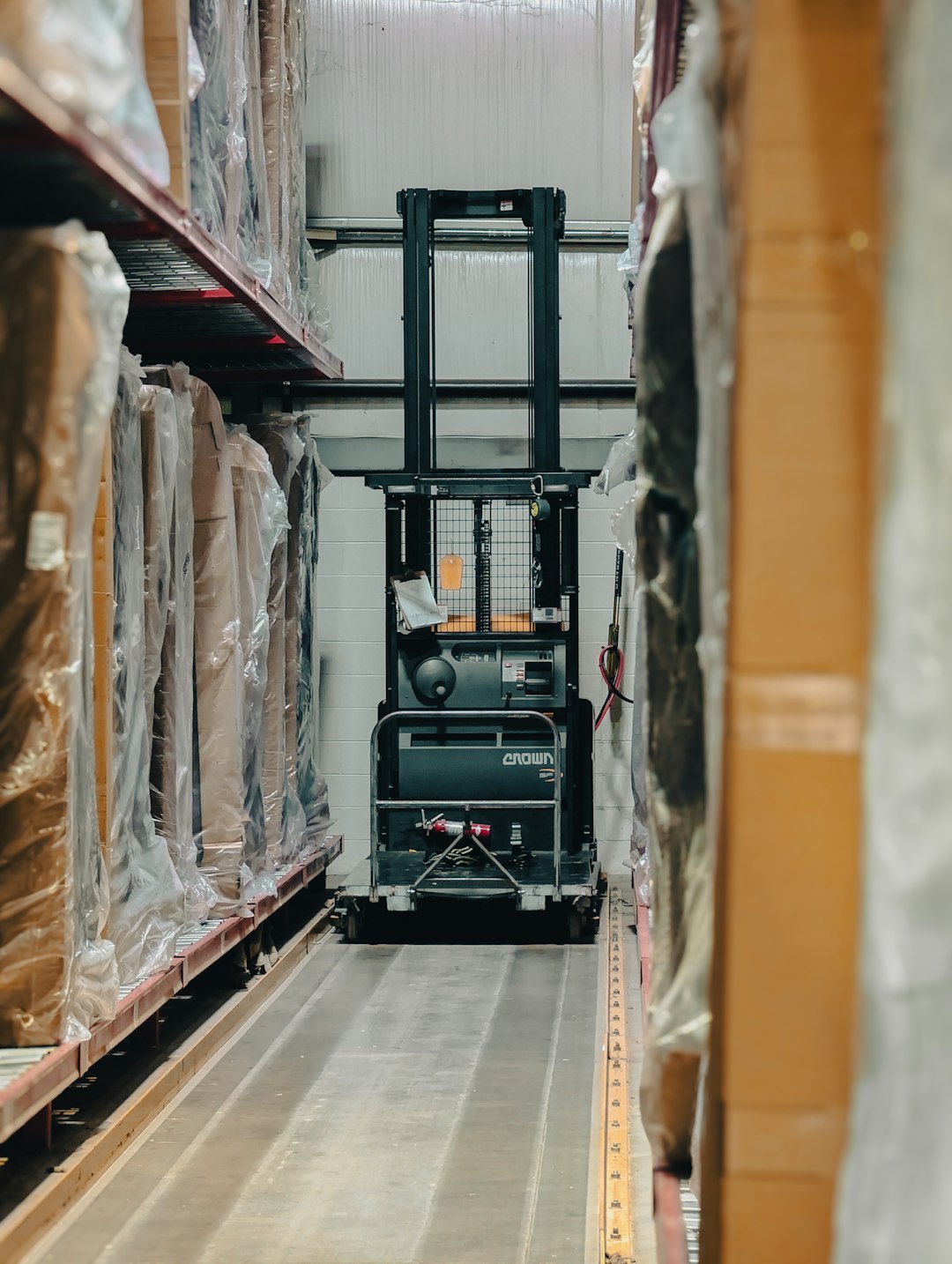
Why Dunnage Matters in Shipping
Dunnage may not be the most glamorous part of packaging, but it can be the difference between a successful delivery and an expensive claim. During transit, products are exposed to compression, shock, vibration, moisture, abrasion, and shifting weight. Even strong boxes can fail if the contents inside are not properly supported.
Good dunnage performs several important jobs:
- Fills void space: Empty space inside a box or container allows products to move. Dunnage fills those gaps and keeps items in place.
- Cushions impact: Foam, paper, air pillows, and similar materials absorb shocks from drops, bumps, and handling.
- Blocks and braces freight: Heavy cargo often needs rigid materials or air bags to prevent shifting inside trailers or containers.
- Separates products: Dividers, sheets, and pads prevent items from scratching, rubbing, or colliding with each other.
- Improves stack strength: Proper internal support can help cartons and palletized loads resist crushing.
In other words, dunnage is not just “extra packaging.” It is a functional part of the shipping system.
Common Types of Bulk Dunnage
Different products require different kinds of protection. A glass bottle, a steel machine part, and a bag of coffee beans all face different risks in transit. Here are the most common types of bulk dunnage used in logistics.
1. Paper Dunnage
Paper is one of the most widely used dunnage materials because it is versatile, recyclable, and relatively easy to store. It may come as rolls of kraft paper, crinkle paper, newsprint, or sheeted paper. Workers can crumple it to fill voids, wrap products with it, or use it between layers on a pallet.
Best for: ecommerce orders, retail goods, ceramics, homeware, books, and general carton filling.
2. Corrugated Dunnage
Corrugated cardboard can be cut, folded, or formed into dividers, pads, corner protectors, and custom inserts. It is often used when products need structure rather than soft cushioning. Corrugated dunnage is especially common in automotive, electronics, food and beverage, and industrial packaging.
Best for: separating parts, reinforcing boxes, protecting corners, and organizing multi unit shipments.
3. Foam Dunnage
Foam dunnage includes sheets, rolls, blocks, pouches, and custom cut inserts. It provides excellent cushioning and surface protection, which makes it useful for delicate, polished, painted, or high value products. Some foam materials are reusable, while others are designed for one time shipment.
Best for: electronics, medical devices, automotive components, glass, displays, and precision equipment.

4. Air Pillows and Inflatable Dunnage
Air based dunnage uses inflated plastic cushions to fill space without adding much weight. Small air pillows are common in parcel shipping, while large inflatable dunnage bags are used in truck trailers, railcars, and sea containers to brace palletized loads.
Best for: lightweight void fill, ecommerce parcels, pallet stabilization, and container load blocking.
5. Wood Dunnage
Wood is used for heavy duty blocking, bracing, skids, crates, and pallet support. In industrial shipping, lumber may be used to secure oversized machinery or prevent heavy cargo from moving. For international freight, wood packaging may need to meet heat treatment and certification requirements.
Best for: machinery, heavy equipment, export shipments, construction materials, and oversized freight.
6. Molded Pulp and Fiber Dunnage
Molded pulp is made from recycled paper fibers formed into protective shapes. Egg cartons are a familiar example, but molded pulp is also used for electronics, bottles, cosmetics, and consumer goods. It offers good protection while supporting sustainability goals.
Best for: molded trays, bottle protection, retail packaging, and eco conscious shipping programs.
How Bulk Dunnage Supports Logistics Efficiency
Damage prevention is the obvious benefit, but bulk dunnage also improves logistics in less visible ways. When packaging is consistent and easy to use, employees can pack faster and with fewer mistakes. Standardized dunnage also helps companies reduce packaging waste, control costs, and optimize storage space.
For example, a fulfillment center that switches from loose packing materials to a paper dispenser system may reduce clutter and improve packing speed. A manufacturer that uses custom corrugated dividers may fit more parts into each shipment while reducing returns. A freight forwarder using container dunnage bags may avoid load shifts that could damage thousands of dollars of goods.
The best dunnage strategy balances protection, cost, labor, space, sustainability, and customer experience. Overpacking wastes money and materials, while underpacking increases the risk of breakage and returns.
Choosing the Right Dunnage Material
There is no single “best” dunnage for every shipment. The right choice depends on the product, transport method, handling environment, and business priorities. Before selecting bulk dunnage, consider these questions:
- How fragile is the product? Delicate items may need foam, molded pulp, or engineered inserts.
- How heavy is the shipment? Heavy freight may require wood, corrugated bracing, or inflatable dunnage bags.
- How much empty space must be filled? Large voids may call for paper systems, air pillows, or blocking materials.
- Will the shipment face moisture or temperature changes? Some materials perform better than others in humid or cold conditions.
- Is sustainability a priority? Paper, corrugated, and molded fiber may be preferable where recyclability matters.
- Can the dunnage be reused? Reusable totes, foam inserts, and returnable packaging can reduce long term cost in closed loop supply chains.
Bulk Dunnage and Sustainability
As companies look for greener packaging, dunnage is receiving more attention. Sustainable dunnage does not simply mean using less material; it means using the right material for the job. A recyclable paper filler may be ideal for ecommerce, but it might not protect a heavy industrial part. Likewise, a reusable foam insert may have a higher upfront cost but lower waste over repeated shipments.
Many businesses are now evaluating dunnage by total impact: damage rates, material weight, recyclability, storage efficiency, and disposal options. Preventing a product from being destroyed in transit is also a sustainability win, because replacing damaged goods consumes additional energy, labor, transportation, and raw materials.
Final Thoughts
Bulk dunnage is a practical but essential part of modern packaging. Whether it is a roll of kraft paper at a packing station, a custom foam insert around a sensitive device, or an inflatable bag securing pallets inside a container, dunnage protects products from the unpredictable realities of shipping.
For businesses, the goal is not just to add more packaging. It is to use smarter packaging. By matching the right dunnage material to the product, shipping method, and risk level, companies can reduce damage, control costs, improve warehouse efficiency, and deliver a better experience to customers. In logistics, the smallest materials often play the biggest protective role.

