
Smartphones have changed a lot over the years. Screens got bigger. Cameras got smarter. Batteries got stronger. And now, something small but powerful is changing too. The SIM card is disappearing. In its place, a tiny digital version called the eSIM is taking over. More smartphone makers are switching to it. And there are some very good reasons why.
TLDR: More smartphones are switching to eSIM because it saves space, makes phones more secure, and simplifies switching carriers. You do not need a physical card anymore. Everything is digital. It is faster, cleaner, and better for travel. That is why eSIM is quickly becoming the new standard.
Let’s break it down in a simple way.
First, What Is an eSIM?
A traditional SIM card is a small plastic chip. You insert it into your phone. It connects your phone to your mobile carrier. No SIM, no calls. No texts. No mobile data.
An eSIM is different. The “e” stands for embedded. That means it is built directly into your phone. You cannot remove it. You do not see it. It works digitally.
Instead of swapping tiny plastic cards, you download a carrier profile. It is like downloading an app. Quick and easy.
Reason #1: It Saves Space Inside the Phone
Smartphones are packed with parts:
- Cameras
- Batteries
- Speakers
- Processors
- Sensors
Every millimeter matters.
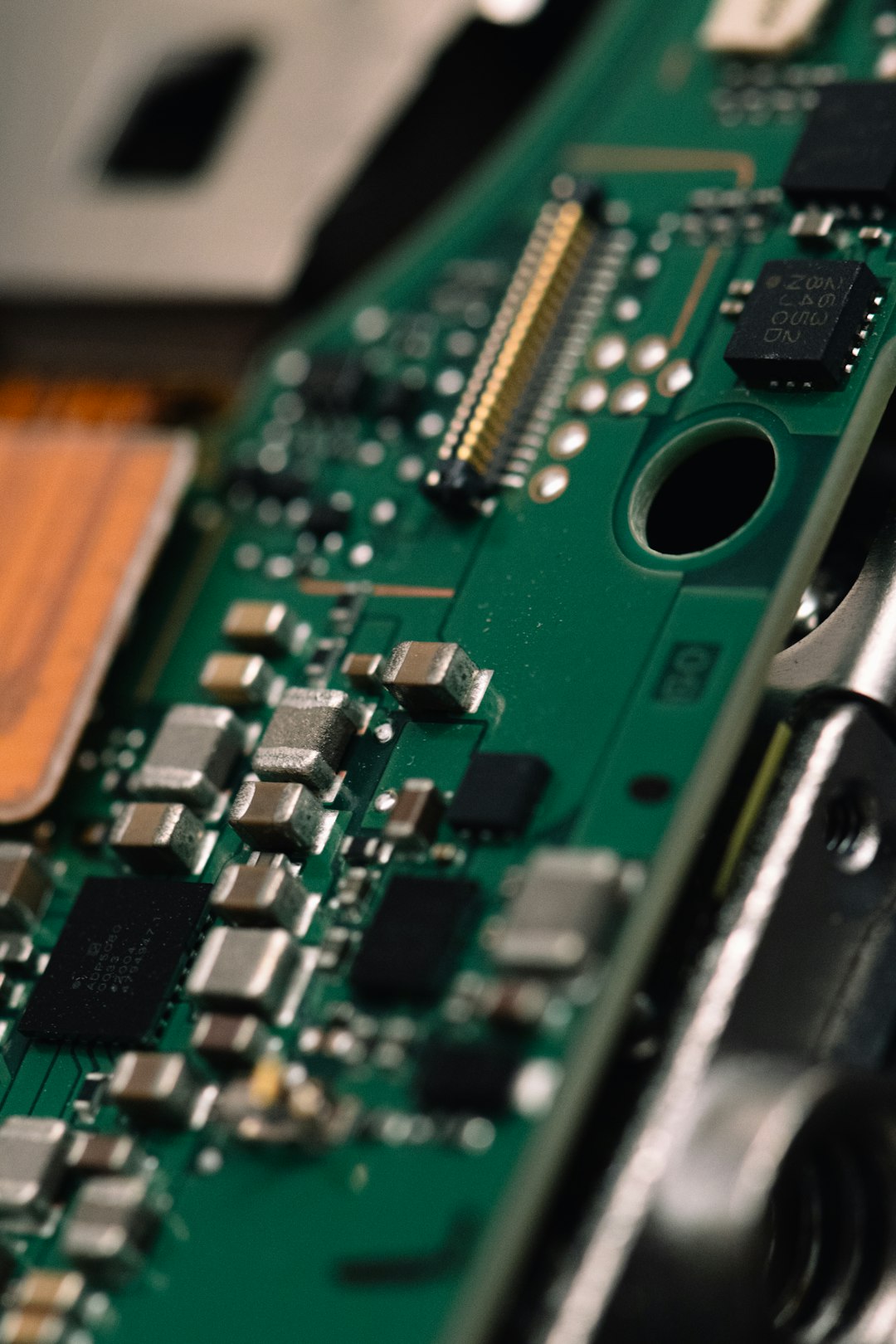
A physical SIM tray takes up space. The slot. The reader. The tiny mechanical parts. All of it adds bulk.
With eSIM, that space disappears.
That extra room can be used for:
- A bigger battery
- Better cooling
- Improved cameras
- Slimmer design
Phone makers love that flexibility. Less hardware means fewer breakable parts too. That makes phones more durable.
Reason #2: It Makes Switching Carriers Much Easier
Think about changing carriers with a physical SIM.
You have to:
- Go to a store
- Wait for a SIM to arrive in the mail
- Open your SIM tray
- Swap cards carefully
Sometimes you even lose that tiny card. It happens.
With eSIM, you scan a QR code. Or download a carrier profile from an app. That is it. You are connected in minutes.
It feels smooth. Almost invisible.
This is especially helpful when switching between personal and work numbers. Many phones allow:
- One physical SIM and one eSIM
- Or even multiple eSIM profiles
You can switch between numbers in settings. No ejector tool needed.
Reason #3: Travel Becomes Much Simpler
Travelers love eSIM.
In the past, when you landed in another country, you had two choices:
- Pay high roaming fees
- Buy a local SIM card
Buying a local SIM often meant finding a shop at the airport. Waiting in line. Showing your passport. Swapping SIM cards.
With eSIM, you can buy a data plan before your flight.
You land. Turn on your phone. You are connected.

Some apps even let you compare global data plans instantly. It feels modern. And stress free.
For frequent travelers, this is a game changer.
Reason #4: Better Security
Physical SIM cards can be removed.
If someone steals your phone, they can:
- Take out the SIM
- Put it in another device
- Try to access your accounts
An eSIM cannot simply be popped out.
It is built into the phone. That makes it harder to misuse.
Also, carriers can disable an eSIM remotely. That gives users and networks more control.
It is not magically perfect. But it does improve security in many cases.
Reason #5: Phones Are Becoming More Water Resistant
Every hole in a phone is a risk.
Charging ports. Speaker grills. SIM trays.
Manufacturers seal these openings carefully. But fewer openings mean fewer problems.
Removing the SIM tray helps improve water and dust resistance.
It may seem small. But in engineering, small changes add up.
Some newer phones no longer have any SIM tray at all. They rely completely on eSIM technology.
Reason #6: It Is Better for the Environment
This one surprises many people.
Traditional SIM cards require:
- Plastic production
- Metal contacts
- Packaging
- Shipping
Millions and millions of SIM cards are produced every year.
With eSIM:
- No plastic card
- No shipping logistics
- No extra packaging waste
It reduces material waste. It also lowers transportation emissions.
It is not going to save the planet overnight. But it is a step in a cleaner direction.
Reason #7: It Supports the Future of Connected Devices
Smartphones are not the only devices using mobile connections anymore.
Think about:
- Smartwatches
- Tablets
- Laptops
- Cars
- Fitness trackers
These devices are small. Very small.
There is often no room for a SIM card tray.
eSIM makes it possible to connect all of them easily. Remotely. Securely.
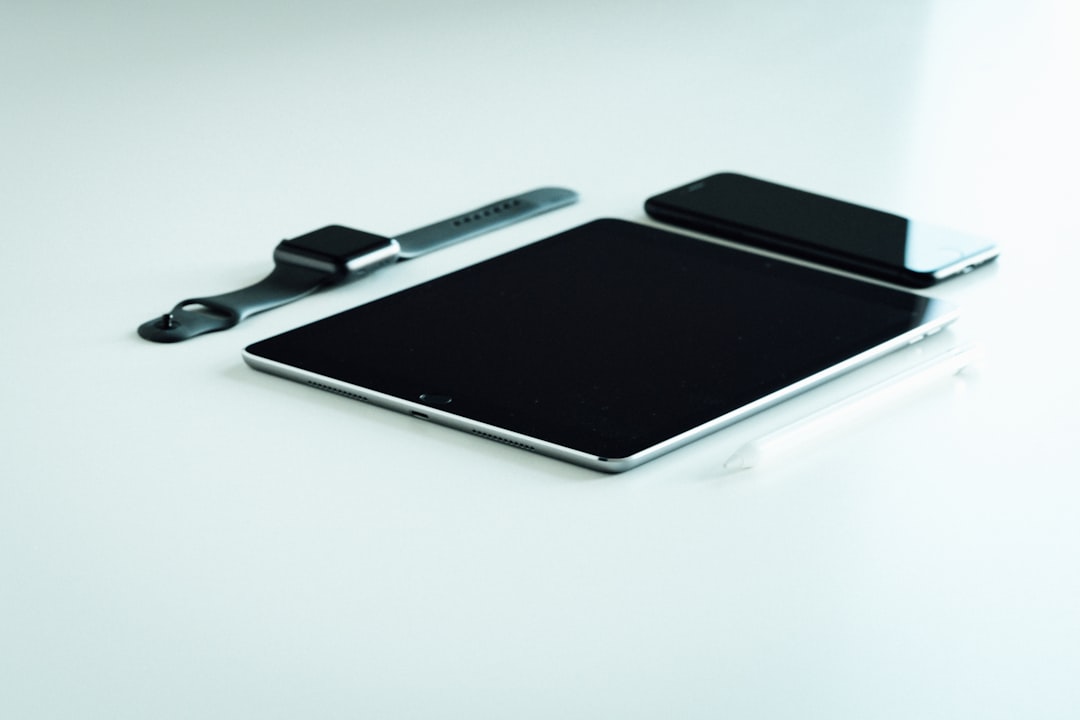
This supports the growth of the Internet of Things. Everything talks to everything. No tiny plastic cards required.
Are There Any Downsides?
Yes, there are a few challenges.
Not all carriers support eSIM yet. In some regions, support is still limited.
Transferring an eSIM between phones can sometimes be confusing. It often requires contacting your carrier.
Also, people are used to physical SIM cards. Change takes time. Some users simply prefer something they can see and hold.
But adoption is growing fast. Each year, more carriers improve their systems. More phone models remove their SIM trays.
How Does Activation Work?
The process is usually simple:
- You choose a carrier plan.
- You receive a QR code or app instructions.
- You scan the QR code with your phone.
- The plan installs automatically.
In many cases, it takes less than five minutes.
Some phones even allow you to transfer your old number digitally when upgrading to a new device. No store visit required.
Why Big Smartphone Brands Are Fully Embracing eSIM
Major smartphone companies push trends forward.
When one brand removes an old feature, others often follow.
We saw this with:
- The headphone jack
- Removable batteries
- Physical home buttons
Now it is happening with SIM trays.
Going fully eSIM allows brands to:
- Simplify design
- Increase durability
- Improve internal layout
- Encourage digital ecosystems
It also pushes carriers to modernize their systems.
What This Means for Consumers
For most users, the shift will feel normal within a few years.
You will buy a phone. Turn it on. Choose a carrier plan digitally. Start using it.
No small metal tools. No tiny trays. No fragile chips.
It is one less thing to worry about.
If you travel often, switch plans frequently, or manage multiple numbers, you may already prefer eSIM.
For others, it may take a little getting used to.
The Bigger Picture
Technology tends to move from physical to digital:
- DVDs became streaming
- Paper maps became GPS apps
- Cash became digital payments
SIM cards are following the same path.
The physical card was important. It helped mobile phones grow around the world. But now, phones are smarter. Networks are faster. Systems are more secure.
There is simply less need for a removable plastic chip.
Final Thoughts
The switch to eSIM is not just a small technical tweak. It represents a bigger shift toward fully digital devices.
It saves space. It improves security. It makes travel easier. It reduces waste.
Most importantly, it simplifies how we connect.
That tiny SIM card played a big role in mobile history. But the future is embedded. Invisible. Seamless.
And that is why more smartphones are switching to eSIM.

