
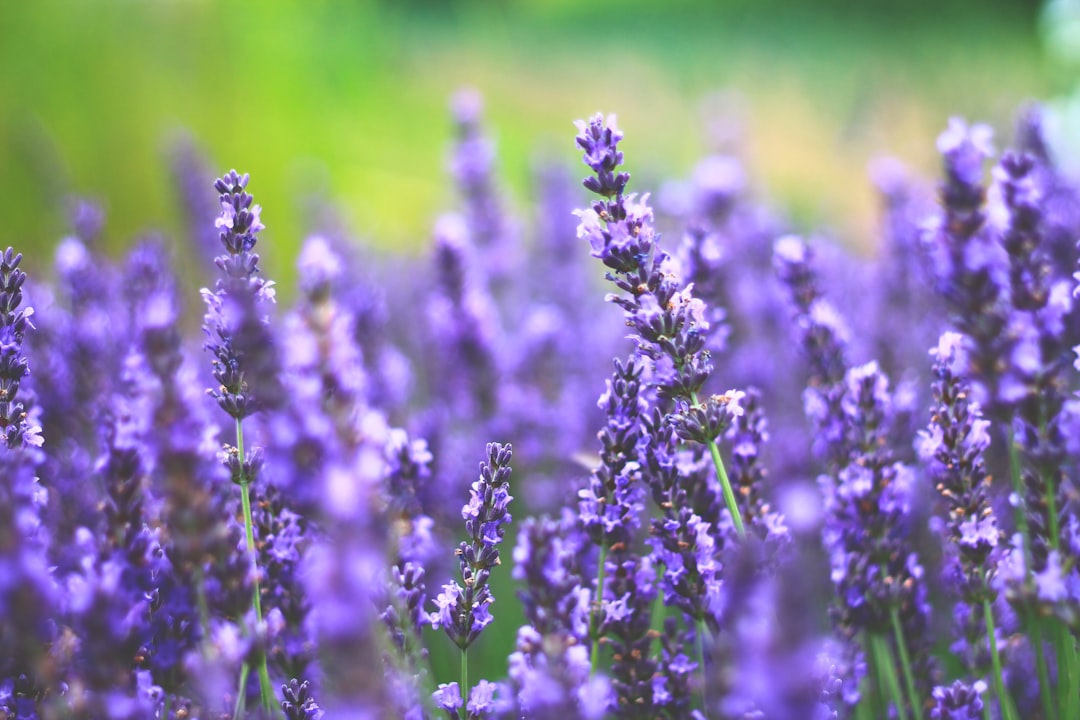
Life moves fast. Stress shows up uninvited. Sleep can feel out of reach. The good news? Nature offers many gentle tools that may help your body and mind find more balance. Botanical products have been used for centuries to support relaxation and everyday wellness.
TLDR: Many plant-based products may help support calm, sleep, and overall balance. Herbs like chamomile, lavender, and ashwagandha are popular for a reason. They are simple to use and widely available. Always talk to a healthcare professional before adding new botanicals, especially if you take medications or have health conditions.
1. Chamomile: The Bedtime Classic
Chamomile is small. But it is mighty. This daisy-like flower is best known as a calming tea. People have used it for hundreds of years to unwind at night.
Chamomile may help support:
- Relaxation before bed
- Occasional nervous tension
- Digestive comfort
It has a mild, apple-like flavor. It is caffeine-free. That makes it perfect for evenings. You can find it as:
- Loose-leaf tea
- Tea bags
- Tinctures
- Capsules
Try a warm cup 30 minutes before sleep. Make it a ritual. Dim the lights. Put your phone away. Let your body get the hint that it is time to rest.
2. Lavender: The Scent of Calm
Lavender smells like peace. One simple inhale can feel soothing. This purple flower is often used in aromatherapy.
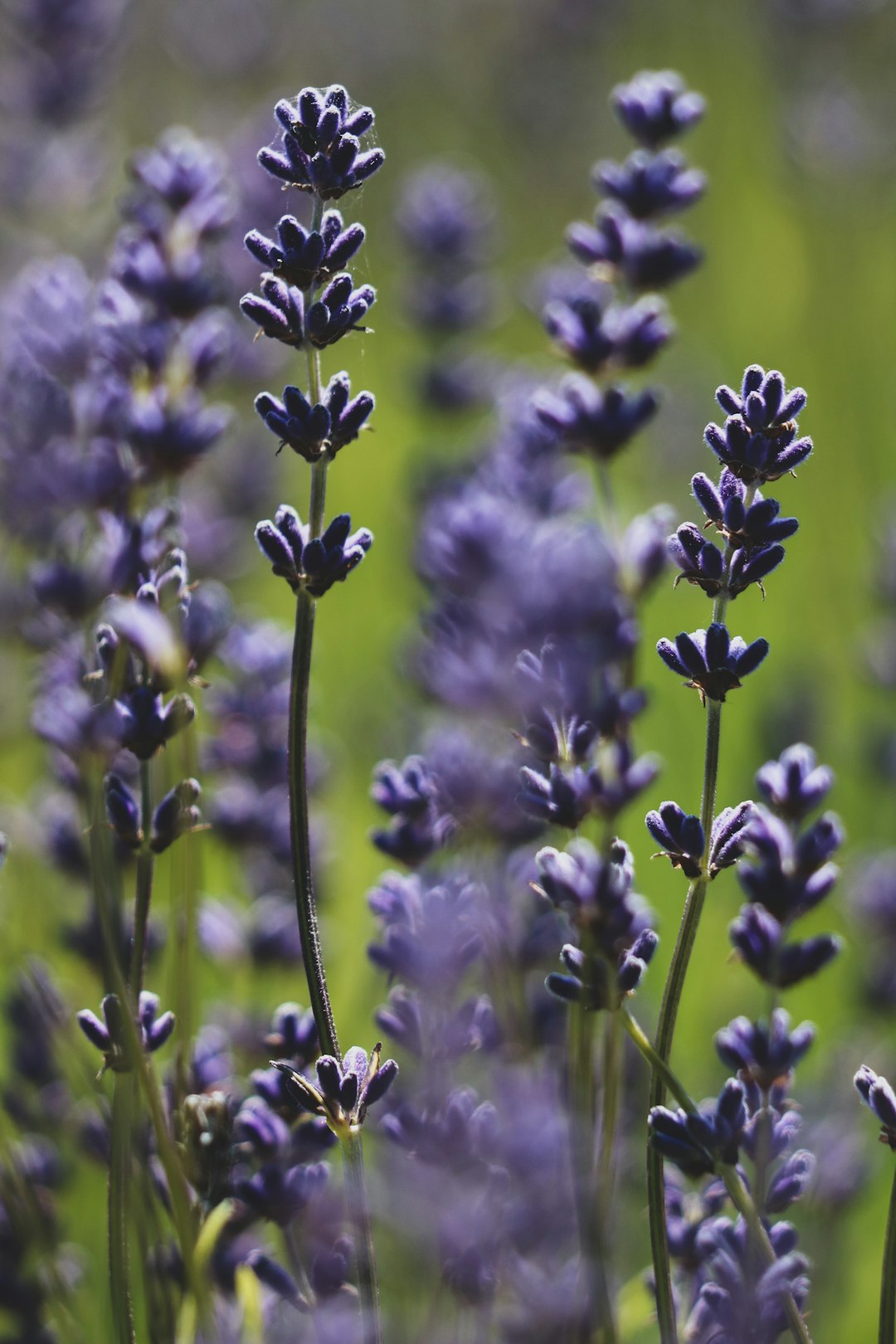
Lavender may support:
- A calm mood
- Restful sleep
- Relaxation after a long day
You can use lavender in several ways:
- Essential oil: Add a few drops to a diffuser.
- Pillow spray: Lightly mist your bedding.
- Bath soak: Add to warm bathwater.
- Herbal tea: Often blended with chamomile.
A little goes a long way. Start small. Enjoy the scent. Let your breath slow down.
3. Ashwagandha: The Adaptation Helper
Ashwagandha is an herb used in traditional Ayurvedic practices. It is often called an “adaptogen.” That means it may help the body adapt to stress.
Modern life is full of stressors. Emails. Traffic. Deadlines. Ashwagandha may help support a balanced stress response.
People use it for:
- Everyday stress support
- Calm focus
- Overall vitality
You will often find it as:
- Capsules
- Powders
- Liquid extracts
The powder can be added to smoothies or warm milk. It has an earthy taste. Start with small amounts. Consistency matters more than big doses.
4. Lemon Balm: The Gentle Lifter
Lemon balm smells like fresh lemons. It belongs to the mint family. It has been used since the Middle Ages to promote a calm mood.
Lemon balm may support:
- Relaxation
- A positive mood
- Comfort during occasional stress
It is often combined with chamomile or valerian in calming teas. Alone, it is light and refreshing. It is also available as capsules and tinctures.
Some people like sipping lemon balm tea in the afternoon. It can be a great coffee alternative when you want calm energy instead of jitters.
5. Valerian Root: The Deep Rest Herb
Valerian root has a strong smell. Not everyone loves it. But many people appreciate its potential benefits.
Traditionally, valerian has been used to support:
- Restful sleep
- Muscle relaxation
- Calm before bedtime
It is most often found in:
- Capsules
- Tablets
- Sleep-focused tea blends
Valerian works best when taken about an hour before bed. It may feel subtle at first. Some people find it more helpful after regular use.
If you are sensitive to smells, capsules might be the best option.
6. Passionflower: Calm Without the Fog
Passionflower is a beautiful climbing vine. It looks exotic. Its effects are often described as gentle and soothing.
It may support:
- A relaxed mind
- Occasional anxious feelings
- Sleep quality
Passionflower is commonly used as:
- Tea
- Tincture
- Capsule
Many people say it helps quiet a busy mind without making them feel groggy. That makes it helpful in the evening when thoughts will not slow down.
7. Holy Basil: Sacred and Soothing
Holy basil, also called tulsi, is another adaptogenic herb. It has deep roots in Ayurvedic tradition. It is considered a sacred plant in India.
Holy basil may help support:
- Stress balance
- Emotional well-being
- Overall wellness
It has a slightly spicy, clove-like flavor. Many people enjoy it as a daily tea.
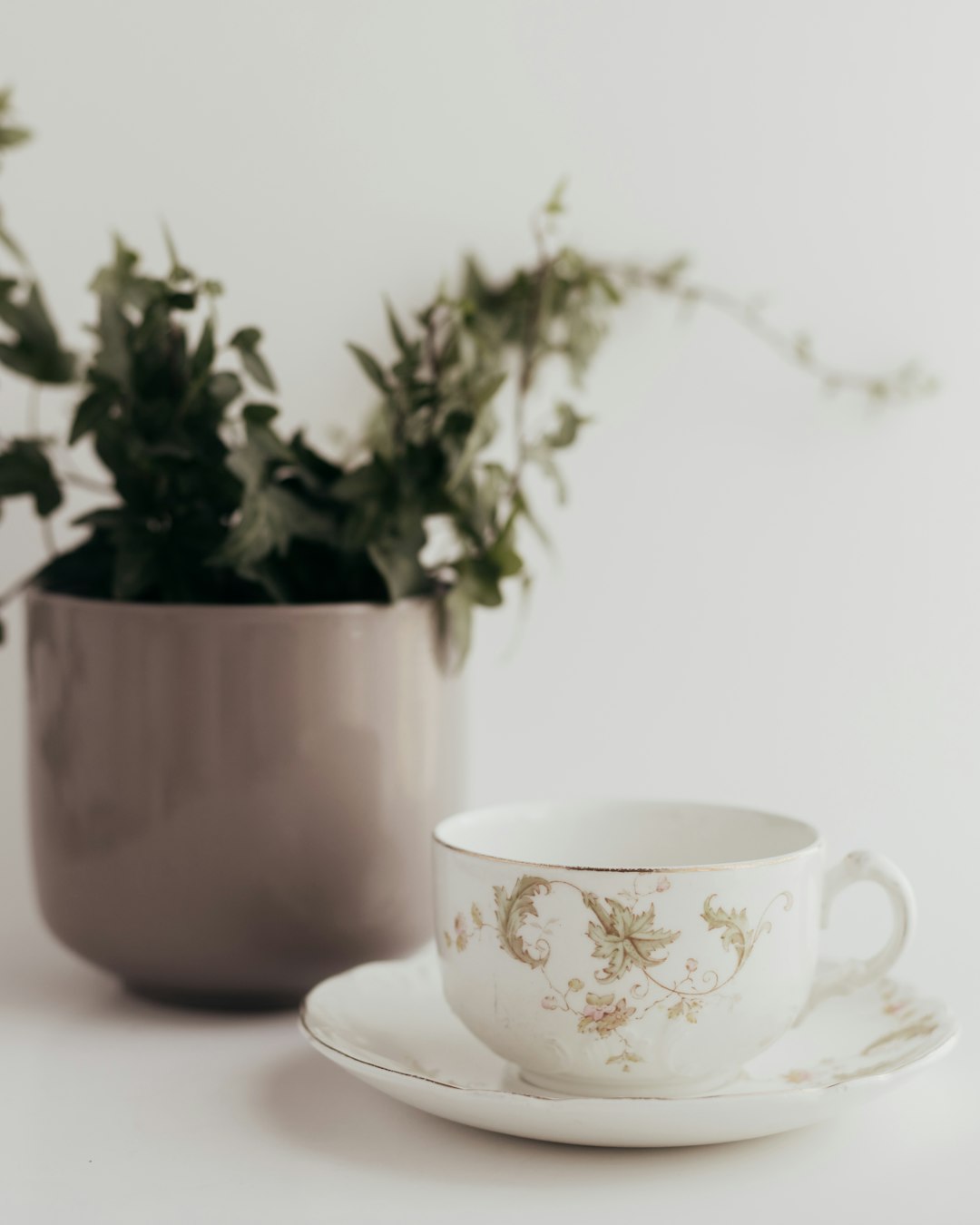
Drinking tulsi tea can feel grounding. It is a simple ritual. Boil water. Steep the leaves. Breathe in the steam. Pause for a moment in your busy day.
8. Rhodiola: Calm Energy
Rhodiola grows in cold, mountainous regions. It is also considered an adaptogen. But unlike herbs that are more sedating, rhodiola is often described as uplifting.
Rhodiola may support:
- Mental stamina
- Stress resilience
- Balanced energy levels
It is commonly used in the morning or early afternoon. It may help you stay steady during demanding days.
You will usually see it as capsules or extracts. As with other adaptogens, start low. Pay attention to how your body responds.
9. CBD from Hemp: Plant-Based Calm
CBD is a compound found in hemp. It is not intoxicating. Many people use it as part of their relaxation routine.
CBD may support:
- A sense of calm
- Recovery after physical activity
- Restful sleep
CBD products come in many forms:
- Oils and tinctures
- Gummies
- Capsules
- Topicals
Quality matters. Look for third-party testing. Check labels carefully. And remember that effects can vary from person to person.
How to Choose the Right Botanical for You
With so many options, where should you start? Keep it simple.
- For sleep: Try chamomile, valerian, or passionflower.
- For everyday stress: Consider ashwagandha or holy basil.
- For calm energy: Rhodiola or lemon balm may help.
- For aromatic relaxation: Lavender is a favorite.
Start with one product at a time. Use it consistently. Give it a week or two. Notice how you feel.
Simple Tips for Safe Use
Natural does not always mean risk-free. Plants are powerful.
- Talk to a healthcare professional before starting.
- Avoid mixing multiple new herbs at once.
- Follow serving size instructions.
- Stop use if you notice unwanted effects.
If you are pregnant, nursing, have a medical condition, or take medications, professional guidance is essential.
Make It a Ritual, Not a Quick Fix
Botanical products work best as part of a bigger picture. Sleep habits matter. Movement helps. So does screen-free time.
Try pairing your chosen herb with:
- A short evening stretch
- Deep breathing exercises
- Journaling before bed
- A consistent sleep schedule
Think of these plants as gentle allies. Not magic bullets. Small habits add up.
Nature has always offered support. From fragrant flowers to earthy roots, these botanicals may help you create small pockets of calm. Start slow. Stay curious. Listen to your body. And let your wellness routine bloom, one cup of tea or drop of oil at a time.

