
Businesses are turning to outbound AI voice agents because they need more calls made, faster follow-up, lower labor costs, and cleaner data without burning out sales and support teams. The value is simple: AI can call thousands of prospects, customers, patients, applicants, or lapsed buyers with consistent messaging, then hand the best conversations to humans.
TLDR: Outbound AI voice agents are being adopted because they handle repetitive calling at scale while humans focus on higher-value conversations. For example, a home services company could have an AI agent call 2,500 past customers about seasonal maintenance and book 18% into appointments, instead of asking staff to spend a full week dialing. Businesses also use them to cut no-shows, revive cold leads, and update customer records. The best results come when AI handles simple calls and humans take over when judgment, empathy, or negotiation is needed.
Why outbound calling is getting an AI upgrade
Outbound calling has always been useful. It is also slow, expensive, and easy to mess up. Reps get tired. Lists go stale. Follow-up gets delayed. Managers struggle to know what was actually said on each call.
AI voice agents fix many of those problems. They can place calls, speak naturally, answer common questions, qualify interest, schedule meetings, confirm details, and log outcomes into a CRM. They do not replace every human conversation. That is not the point. They remove the repetitive layer that eats the day.
Honestly, it feels like a waste when a trained salesperson spends 40 seconds waiting for voicemail, 20 seconds typing “no answer,” and then repeats that hundreds of times. AI does not mind that work. It was built for it.

The main reasons businesses are adopting outbound AI voice agents
- Speed: AI agents can contact large lists in minutes or hours, not weeks.
- Consistency: Every customer hears the same offer, reminder, or verification script.
- Lower cost per contact: Companies can reduce manual dialing time and focus staff on warm conversations.
- Better timing: AI can call quickly after a form submission, abandoned quote, missed appointment, or renewal trigger.
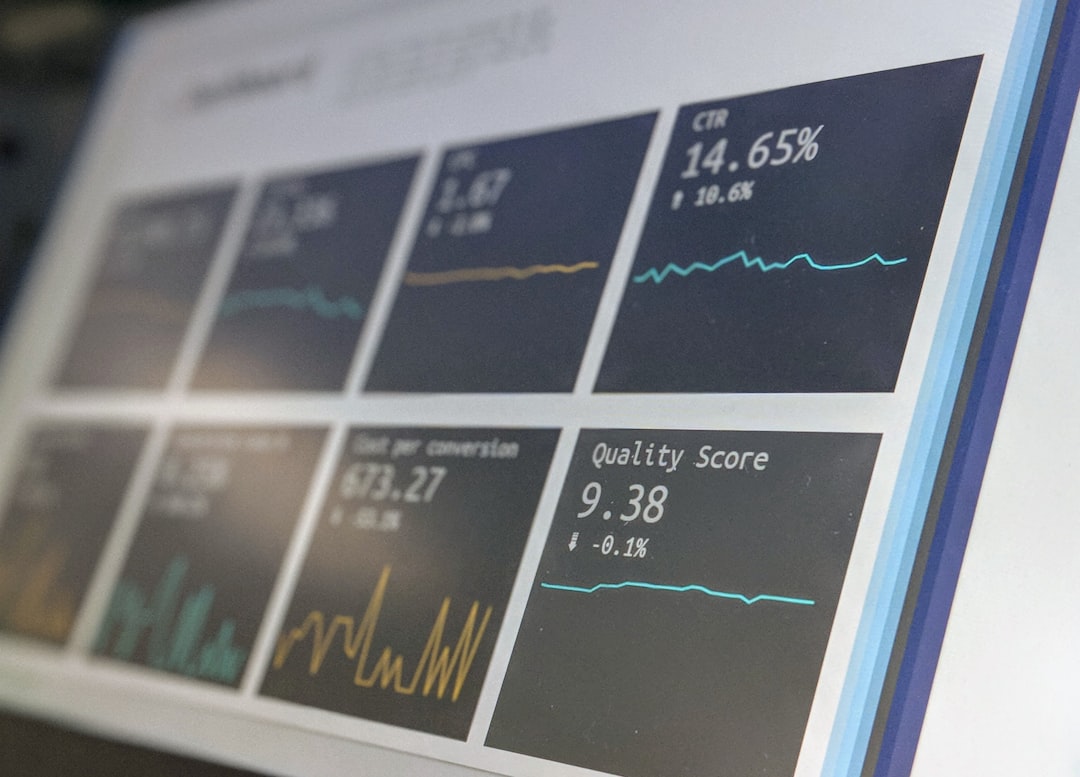
- Cleaner reporting: Calls can be transcribed, tagged, scored, and synced with business systems.
The biggest driver is often response time. A lead that gets a call within five minutes is far more likely to convert than one contacted hours later. Human teams miss those windows all the time. Lunch breaks happen. Meetings run long. Queues pile up. AI agents can respond as soon as the trigger fires.
Where outbound AI voice agents are being used
Adoption is spreading across many industries because the use cases are practical. These are not sci-fi calls. They are normal business tasks that happen every day.
- Sales: Lead qualification, appointment setting, quote follow-up, event registration, and reactivation campaigns.
- Healthcare: Appointment reminders, intake questions, missed visit follow-up, and care plan check-ins.
- Real estate: Buyer qualification, seller lead follow-up, open house reminders, and rental inquiry screening.
- Finance: Renewal reminders, application status updates, document collection, and customer verification.
- Retail and ecommerce: Abandoned cart outreach, delivery updates, loyalty campaigns, and win-back offers.
- Recruiting: Candidate screening, interview scheduling, availability checks, and status updates.
In each case, the AI handles structured conversations. It asks set questions, listens for intent, captures answers, and acts based on rules. If the caller asks something unusual, sounds upset, or requests a human, the call can transfer or create a task.
What makes modern AI voice agents different
Older robocalls were stiff and annoying. People recognized them in two seconds and hung up. Modern AI voice agents are more useful because they can understand natural speech, pause, respond, and adapt within a controlled script.
A good AI caller can say, “No problem, I can call back Friday afternoon,” instead of forcing the person through a rigid menu. It can detect objections like “I’m not interested,” “Send me the info,” or “I already bought one,” then respond with the next best step.
That shift matters. The goal is not to trick anyone. The goal is to make the conversation feel respectful, quick, and useful. If the AI sounds fake, talks too much, or ignores what people say, performance drops fast.

The business case: more output without more headcount
For many companies, hiring more callers is hard to justify. Training takes time. Turnover can be high. Quality varies. Managers need to review calls, coach staff, fix data entry, and chase activity targets.
Outbound AI voice agents offer a different model. A small team can create campaigns, monitor results, review exceptions, and step into qualified conversations. Instead of paying people to dial all day, the business pays for outcomes such as completed calls, booked meetings, verified records, or completed surveys.
Consider a small insurance agency with 8,000 renewal contacts. A human team may need several weeks to reach everyone. An AI voice agent can call the list, confirm interest, flag policy questions, and schedule advisor callbacks. If only 12% of the list wants human help, agents can spend their time with the 960 people most likely to renew, upgrade, or need support.
Better data is a quiet benefit
Call volume gets attention, but data quality may be just as valuable. AI agents can capture structured answers during every call. That means fewer mystery notes like “left msg” or “call later.”
Businesses can track:
- Contact rate: How many people picked up.
- Intent: Who showed interest, declined, requested info, or asked for a callback.
- Objections: Price, timing, trust, need, approval, or lack of budget.
- Outcomes: Booked appointment, transferred call, completed verification, or closed file.
- Call quality: Sentiment, duration, silence, interruptions, and escalation points.
This data helps leaders improve scripts, offers, timing, and audience selection. It also helps teams stop guessing. That alone can save money. It drives me crazy when companies run calling campaigns for months and still cannot say which objection shows up most often.
The customer experience still matters
Outbound AI calling can go wrong if businesses treat it like a cheap volume machine. Customers do not want spam. They do not want vague messages. They do not want a robot that refuses to stop talking.
Strong campaigns are built around consent, relevance, and timing. The call should have a clear reason. The AI should identify itself when required. It should offer an easy opt-out. It should transfer to a person when the topic becomes sensitive or complex.
Good design is not just ethical. It improves results. A short, helpful call will beat a pushy script almost every time.
What to check before using outbound AI voice agents
Before launching, businesses should think through the basics. The technology is powerful, but the setup matters.
- Define the call goal. Do you want bookings, confirmations, surveys, or qualified leads?
- Clean the contact list. Bad data wastes calls and annoys people.
- Write natural scripts. Short sentences work best. So do clear choices.
- Set transfer rules. Decide when a human should take over.
- Check compliance. Calling rules vary by region, industry, consent status, and call type.
- Review recordings and transcripts. Early calls reveal weak phrasing fast.
The future is human plus AI
Outbound AI voice agents are not a magic fix for bad offers, weak service, or poor targeting. They will not make people want something they do not need. What they can do is make outreach faster, more consistent, and easier to measure.
The strongest businesses will use AI for the repetitive parts and humans for the moments that require trust. AI can ask the first five questions. A person can handle the objection. AI can confirm the appointment. A person can close the deal. AI can call every inactive customer. A person can rebuild the relationship when the customer is frustrated.
That is why adoption is rising. Companies are not just chasing automation. They are trying to stop wasting skilled people on low-value dialing, missed follow-ups, and messy notes. Outbound AI voice agents give them a practical way to reach more people while keeping humans where they matter most.

