

Books no longer need paper, shelves, or a backpack to travel with you. An eBook is a digital version of a book that can be read on phones, tablets, computers, and dedicated e-readers. Whether it is a bestselling novel, a university textbook, a business guide, or a free manual from a website, an eBook makes reading more portable, searchable, and flexible.
TLDR: An eBook is a book in digital form, usually read on an e-reader, smartphone, tablet, or computer. Common formats include EPUB, PDF, and MOBI/AZW, each designed for different reading needs. For example, a commuter who reads 20 minutes each way can finish a 300-page eBook in about two weeks without carrying a physical book. According to many publishing industry reports, digital books now represent a significant share of consumer book sales, especially in genres like fiction, self-help, and business.
What Is an eBook?
An eBook, short for electronic book, is a book published and distributed in a digital file format. Instead of being printed on paper, it is stored as data and displayed on a screen. The content may be identical to a printed book, but the reading experience can be very different.
Many eBooks include features that physical books cannot offer, such as adjustable font size, clickable tables of contents, keyword search, bookmarks, notes, highlighting, audio support, and built-in dictionaries. Some are simple text-based publications, while others include images, charts, embedded links, interactive elements, or multimedia.
In short, an eBook is not just “a book on a screen.” It is a flexible digital reading product designed for convenience, accessibility, and instant distribution.
How Do eBooks Work?
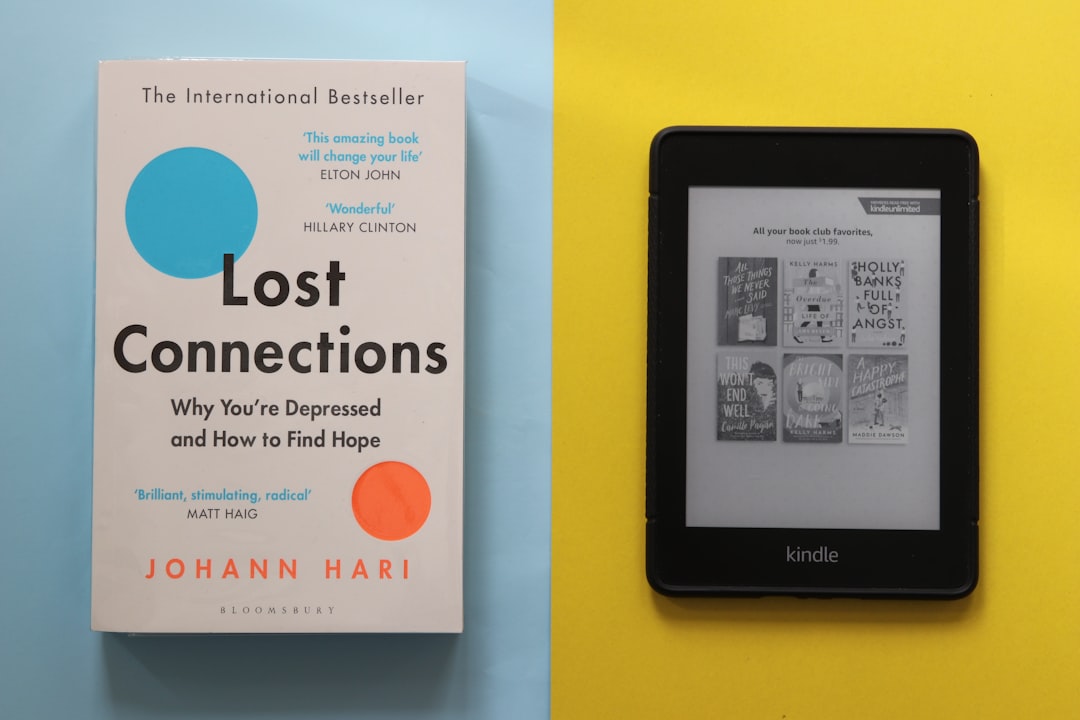
eBooks work by storing book content inside a digital file. That file is opened by reading software or hardware, such as an e-reader app, a web browser, a tablet app, or a dedicated device like an e-reader. Once opened, the software interprets the file and displays the text, images, and layout in a readable format.
The process usually looks like this:
- The book is created using writing, editing, and layout software.
- It is converted into a digital format such as EPUB or PDF.
- It is distributed through online stores, libraries, websites, or direct downloads.
- The reader opens it on a compatible device or app.
- The reading software displays it with options like changing font size, background color, or page layout.
Some eBooks are protected by DRM, or digital rights management. DRM is a technology used by publishers and sellers to limit unauthorized copying or sharing. For example, a purchased eBook may be tied to your account and readable only through approved apps or devices. Other eBooks are DRM-free, meaning you can move them more easily between devices.
Common eBook Formats
Not all eBooks are built the same way. The file format affects how the book looks, where it can be opened, and how flexible the reading experience is.
1. EPUB
EPUB is one of the most widely used eBook formats. It is designed for reflowable text, which means the content automatically adjusts to different screen sizes. If you increase the font size on your phone, the lines and pages rearrange themselves to fit the screen.
EPUB is popular for novels, nonfiction books, guides, and educational content. It works with many reading apps and devices, although some platforms use their own modified systems.
2. PDF
PDF stands for Portable Document Format. It preserves the exact layout of a document, which makes it useful for textbooks, reports, magazines, manuals, forms, and design-heavy publications.
The advantage of PDF is consistency: a page looks the same on almost any device. The downside is that PDFs are not always comfortable on small screens because the text may not reflow. Readers often need to zoom in and scroll around the page.
3. MOBI and AZW
MOBI was once a popular eBook format, especially for early e-readers. AZW and related formats are associated with Amazon Kindle systems. These formats support features such as bookmarks, notes, highlighting, and device synchronization.
Although the eBook world continues to evolve, Kindle-compatible formats remain important because of the large number of Kindle readers and apps in use.
4. Fixed-Layout Formats
Some eBooks use a fixed layout, meaning each page is designed to look a certain way. This is useful for children’s books, cookbooks, graphic novels, art books, and textbooks with complex visuals. Unlike reflowable EPUBs, fixed-layout eBooks prioritize design over text flexibility.
Benefits of eBooks
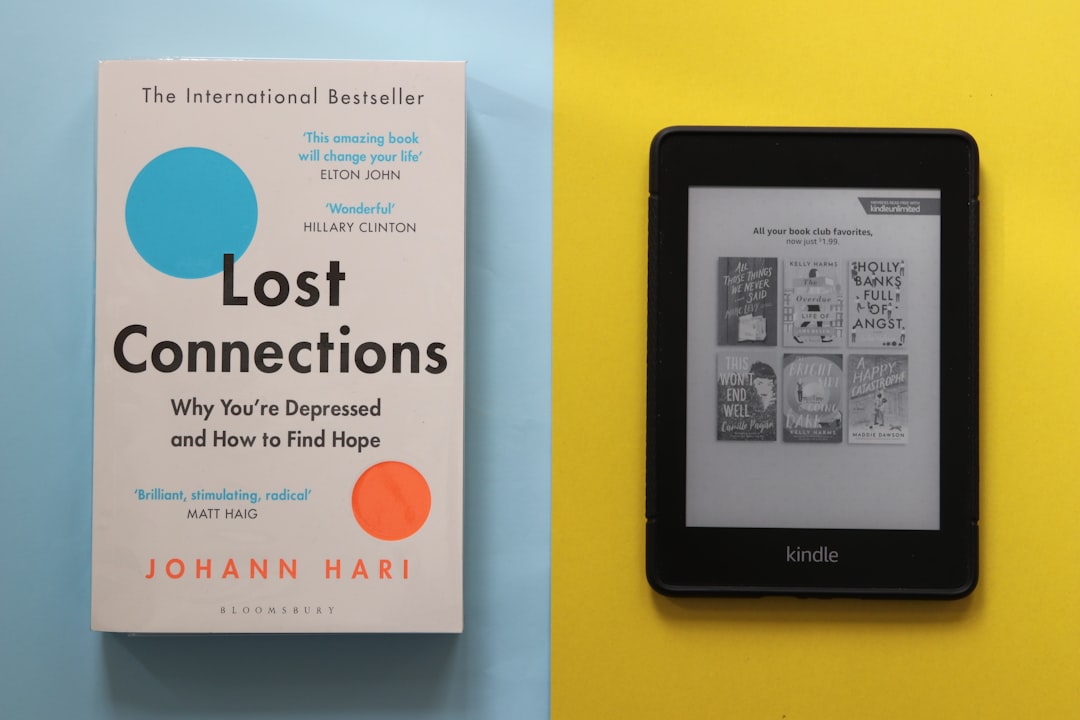
eBooks have become popular because they solve several practical problems for readers, authors, publishers, students, and businesses.
- Portability: A single device can hold hundreds or thousands of books, making travel and commuting easier.
- Instant access: Many eBooks can be downloaded within seconds after purchase or registration.
- Searchability: Readers can search for a word, phrase, chapter, or topic without flipping through pages.
- Adjustable reading: Font size, spacing, brightness, and background color can often be customized.
- Accessibility: Many eBooks support screen readers, text enlargement, and other tools for people with visual or reading difficulties.
- Lower distribution costs: Authors and publishers can deliver books globally without printing, shipping, or warehousing.
- Eco-friendly potential: Digital delivery can reduce paper use, though device manufacturing and energy use still matter.
For students and professionals, the ability to highlight, annotate, and search can be especially valuable. Instead of carrying five heavy textbooks, a student might keep an entire semester’s reading list on one tablet. A business professional might store manuals, white papers, and training documents on a laptop for quick reference during meetings.
Are eBooks Better Than Printed Books?
The answer depends on the reader. eBooks are excellent for convenience, travel, research, and fast access. Printed books, however, still offer a tactile experience many people love: the feel of paper, the look of a bookshelf, and the ability to read without screens or batteries.
Some readers prefer print for deep focus and digital for casual reading. Others use both: an eBook for commuting and a hardcover for collecting. Rather than replacing printed books entirely, eBooks have expanded how and where people read.
Who Uses eBooks?
eBooks are used by a wide range of people and organizations:
- Readers who want instant access to novels, biographies, or self-improvement books.
- Students who need searchable textbooks and study materials.
- Authors who want to self-publish or reach global audiences.
- Businesses that create guides, reports, training manuals, and lead magnets.
- Libraries that lend digital books through online platforms.
- Educators who distribute course materials in flexible digital formats.

How to Read an eBook
Reading an eBook is usually simple. You need a compatible device and an app or program that supports the file format. For example, EPUB files can be opened in many e-reader apps, while PDFs can be opened in browsers, PDF readers, and most mobile devices.
Here are the basic steps:
- Choose or purchase an eBook from a store, library, or website.
- Download the file or open it through the provider’s app.
- Use the reading controls to adjust text size, brightness, layout, or background.
- Add bookmarks, highlights, or notes if the app supports them.
- Sync your progress across devices if the platform offers cloud synchronization.
Many platforms remember where you stopped reading, so you can start on a tablet at home and continue on a phone during lunch. This seamless movement between devices is one of the most practical advantages of digital reading.
Final Thoughts
An eBook is a digital book designed for modern reading habits. It can be downloaded instantly, carried anywhere, searched quickly, and customized to fit individual preferences. Formats like EPUB, PDF, and Kindle-compatible files each serve different purposes, from flexible novels to fixed-layout textbooks.
While printed books remain meaningful and enjoyable, eBooks offer a powerful alternative for people who value convenience, accessibility, and speed. Whether you are a casual reader, student, author, or business owner, understanding how eBooks work helps you choose the right format and reading experience for your needs.

