
Flutter is usually the strongest pick for wellness app development when a product needs polished visuals, smooth animations, and one shared codebase across iOS and Android. React Native is still a smart choice when a team already knows JavaScript or needs deep access to native health integrations. Other frameworks can work, but they are best chosen for narrow reasons, such as speed, enterprise needs, or web-first delivery.
TLDR: Flutter suits wellness apps with rich habit dashboards, guided meditation flows, mood charts, and custom UI. React Native fits teams that want faster hiring and strong JavaScript support. For example, a small studio building a sleep tracking app for 50,000 monthly users may cut mobile development time by 30% with one cross-platform codebase instead of two native apps. Native Swift and Kotlin still win when sensor accuracy, Apple Health, Google Fit, and wearable support are the main product value.
Why Framework Choice Matters for Wellness Apps
Wellness apps are not simple content apps anymore. They often combine video, audio, reminders, wearable data, subscriptions, streaks, charts, mood logs, and secure health records. A poor framework choice can make these features feel clunky. Worse, it can turn basic updates into a weekly headache.
Users expect calm design and instant feedback. A meditation timer that stutters feels broken. A hydration reminder that arrives late feels useless. A sleep score screen that takes four seconds to open feels annoying after two days. That is why performance, plugin quality, UI control, and long-term maintenance matter from day one.
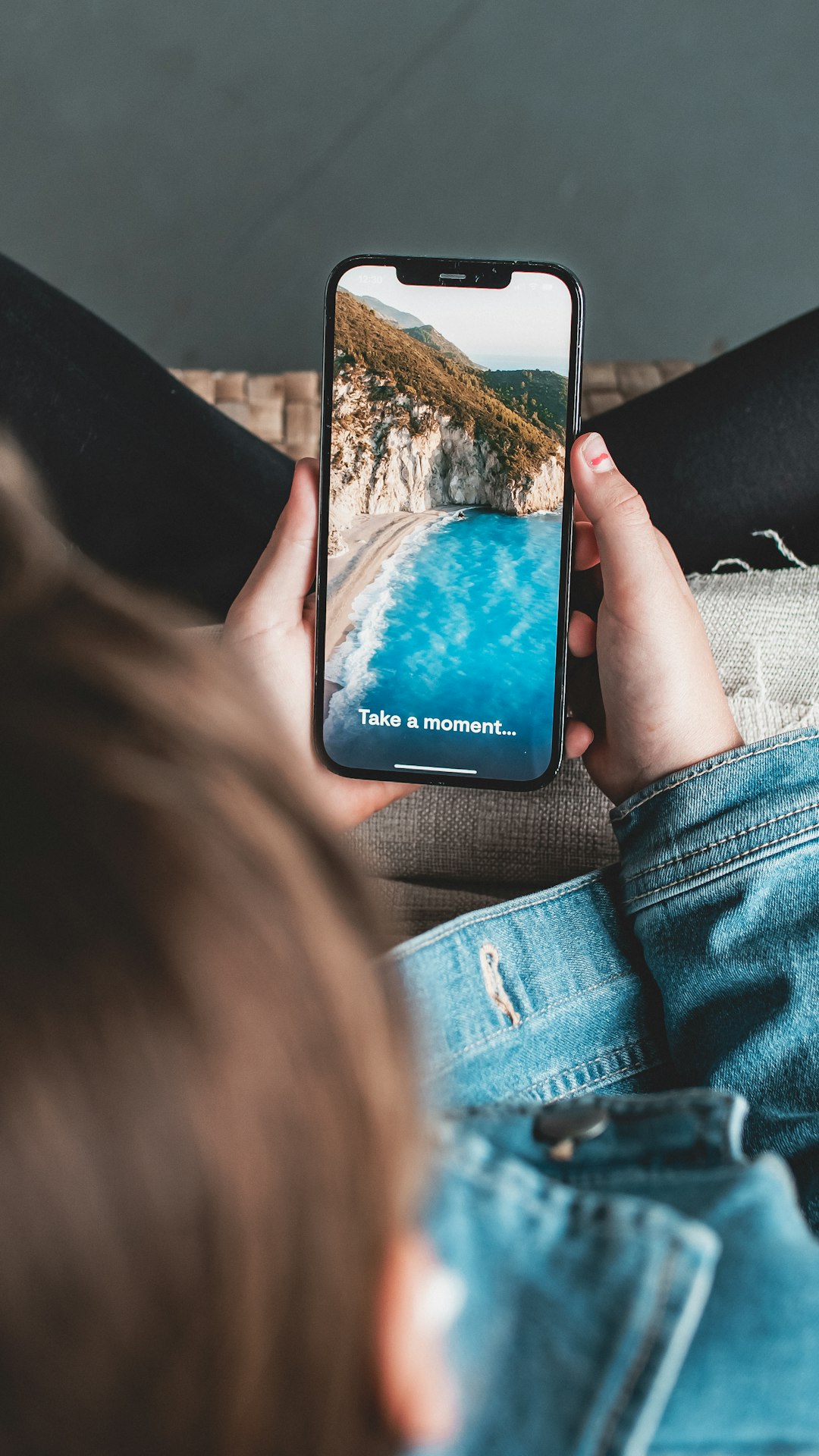
Flutter for Wellness App Development
Flutter, backed by Google, uses Dart and renders its own interface. This gives developers strong control over how the app looks and behaves across devices. For wellness brands, that is a big deal. Typography, color, motion, and micro-interactions shape trust.
Flutter works well for:
- Meditation apps with animated breathing exercises.
- Fitness habit trackers with charts and progress rings.
- Mental health journals with custom mood flows.
- Nutrition apps with clean dashboards and meal logs.
- Corporate wellness apps used on different device types.
The main win is UI consistency. A Flutter app can look almost identical on iOS and Android without fighting platform quirks all week. Performance is also strong for most wellness use cases. Animations, transitions, and interactive charts usually feel smooth when the app is built well.
The catch is Dart. Many developers do not use it before joining a Flutter project. Hiring can take longer than with JavaScript. Also, some native health features may still require custom platform code. That adds time when an app needs advanced Apple Health, Health Connect, Bluetooth device, or smartwatch support.
React Native for Wellness App Development
React Native, backed by Meta, uses JavaScript or TypeScript. It is popular, mature, and supported by a large developer pool. This makes it attractive for startups that need to build fast and hire without a long search.
React Native works well for:
- Appointment and coaching apps with chat and video calls.
- Habit tracking apps with standard screens and reminders.
- Wellness marketplaces with profiles, booking, and payments.
- Content-based apps with courses, articles, and audio plans.
React Native also plays nicely with web teams. If a company already uses React for its website or admin panel, code patterns and state management can feel familiar. That can reduce onboarding pain.
Honestly, it feels like React Native can become messy when plugin versions clash. A simple upgrade can turn into two hours of wondering why one package broke Android builds but not iOS. The ecosystem is powerful, but it needs discipline. Strong project structure and regular maintenance are not optional.
Flutter vs React Native: Key Differences
| Factor | Flutter | React Native |
|---|---|---|
| UI control | Excellent for custom wellness branding | Good, but sometimes needs native tweaks |
| Performance | Very strong for visuals and animations | Strong for most apps, with care |
| Hiring | Smaller Dart talent pool | Larger JavaScript talent pool |
| Native integrations | Good, but may need custom code | Good, with many community packages |
| Best fit | Visual, branded, feature-rich apps | Fast builds, React teams, content apps |
Other Frameworks and Native Options
Swift and Kotlin are best for fully native wellness apps. They cost more because teams build separate iOS and Android versions. Still, they are hard to beat when the app depends on sensors, wearables, low-latency tracking, or strict platform behavior.
Native development is a strong choice for:
- Sleep tracking apps using device sensors.
- Fitness apps with Apple Watch or Wear OS features.
- Medical wellness apps with strict data handling.
- Apps requiring background tracking with high reliability.
Ionic uses web technologies and can be a good fit for simple wellness MVPs. It is fast for forms, dashboards, and content. It is less ideal for heavy animations or advanced sensor features.
.NET MAUI may suit enterprise wellness products, especially when the company already uses Microsoft tools. It is less common in consumer wellness startups, but it can work for internal health programs, employee wellbeing portals, and insurance-related tools.
Progressive Web Apps can support lightweight wellness products. A PWA may work for a meditation content library, a simple habit planner, or a coaching portal. It will not feel as complete as a native app when push notifications, offline use, sensors, and app store presence matter.
Security, Privacy, and Compliance
Wellness apps often handle sensitive user data. Mood notes, weight logs, menstrual tracking, sleep patterns, and diagnosis-adjacent inputs require careful design. The framework does not solve privacy by itself.
A serious wellness app should include:
- Encrypted data storage for local and cloud records.
- Secure authentication, including biometrics where useful.
- Clear consent flows for health data sharing.
- Role-based access for coaches, therapists, or admins.
- Compliance planning for HIPAA, GDPR, or regional rules.
Flutter and React Native can both support secure apps. The real difference comes from engineering process, backend architecture, testing, and legal review.
Cost and Time to Market
Cross-platform development usually costs less than building two separate native apps. A typical wellness MVP may take 3 to 5 months with Flutter or React Native, depending on features. Native development may take 5 to 8 months for both platforms.
A simple wellness app with onboarding, daily check-ins, push reminders, basic charts, and subscriptions may fit well in Flutter or React Native. A high-end fitness app with live heart rate tracking, wearable sync, workout detection, and offline media may need native modules or fully native development.
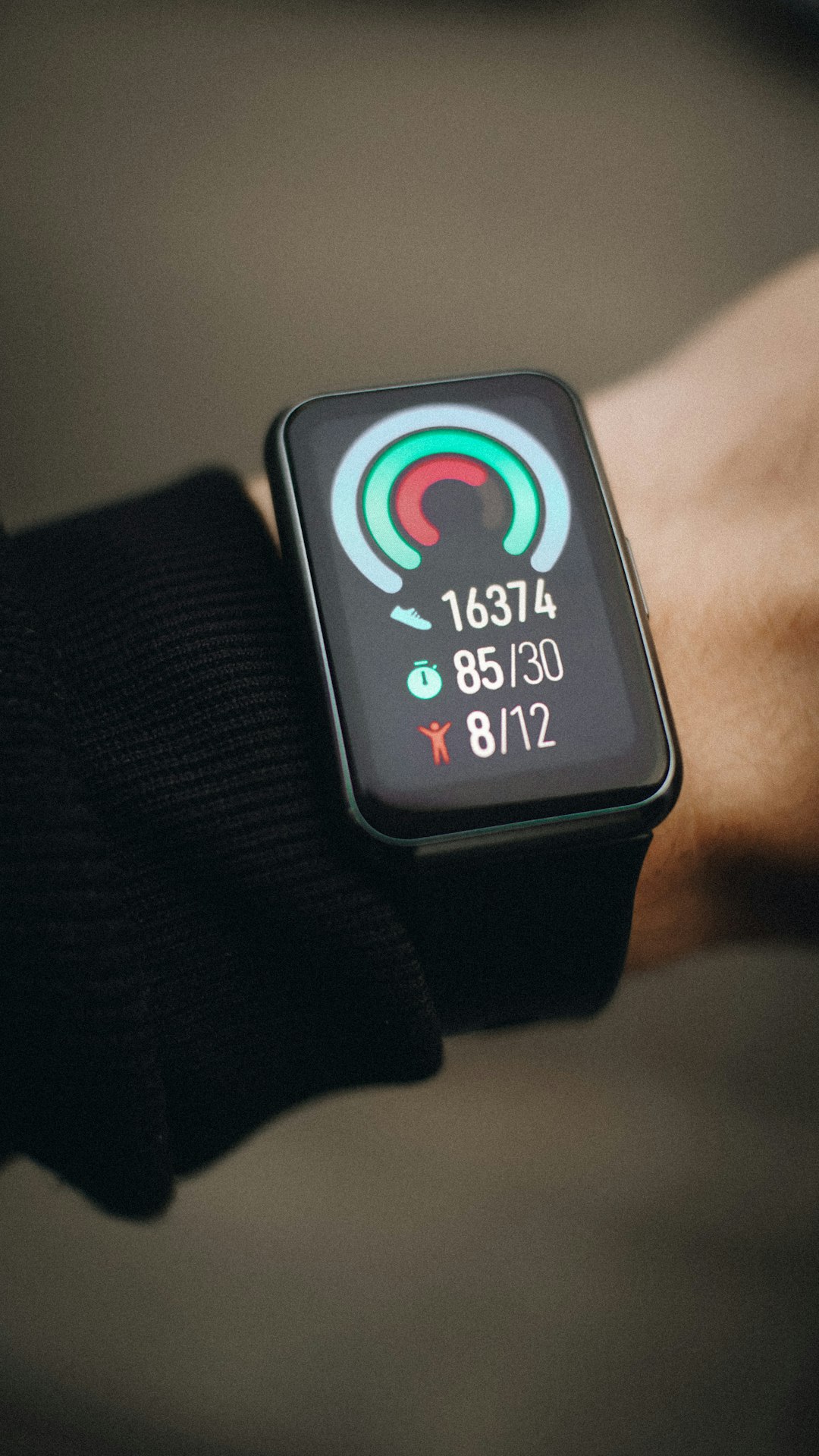
Best Practical Recommendation
For most wellness startups, Flutter is the best default choice when brand experience and smooth UI matter. React Native is the better pick when the team already has React skills or wants easier hiring. Native Swift and Kotlin are best when device features drive the core value.
The safest approach is to map the product around its hardest feature. If that feature is a beautiful, calming user journey, Flutter deserves serious attention. If it is rapid content delivery and a React-friendly team, React Native is sensible. If it is accurate wearable tracking, native development may save pain later.
FAQ
Which is better for wellness apps, Flutter or React Native?
Flutter is often better for custom design and smooth wellness interfaces. React Native is better when the team already works with JavaScript or React.
Can Flutter connect with Apple Health and Google Fit?
Yes. Flutter can connect through plugins or custom native code. Advanced use cases may need extra iOS and Android development.
Is React Native good for mental health apps?
Yes. React Native works well for journaling, therapy booking, chat, audio content, and habit tracking. Security and privacy still need careful planning.
Should a wellness app be built natively?
Native development is best for apps that rely on sensors, wearables, background tracking, or medical-grade reliability.
What is the cheapest framework for a wellness MVP?
Ionic or React Native can be cost-effective for simple MVPs. Flutter may cost a bit more if Dart talent is harder to find, but it can reduce design-related rework.
How long does it take to build a wellness app?
A basic MVP often takes 3 to 5 months. A complex app with wearables, subscriptions, coaching, analytics, and offline support can take 6 months or more.

