

Virtual events have evolved from simple livestreams into dynamic, immersive experiences that rival in-person gatherings. As organizations continue to connect with global audiences, the need for platforms that offer interactive features has become critical. Modern virtual event platforms now prioritize engagement, personalization, and real-time participation to ensure attendees remain attentive and involved throughout the experience.
TLDR: Virtual event platforms have transformed online gatherings by introducing interactive features such as live polling, breakout rooms, gamification, and AI-powered networking. These tools help increase engagement, improve knowledge retention, and foster authentic connections among attendees. Choosing the right platform requires evaluating features, scalability, analytics, and integration capabilities. Organizations that prioritize interactivity see better attendance rates and higher post-event satisfaction.
The Shift Toward Interactive Virtual Experiences
In the early days of virtual conferencing, events were often passive experiences. Attendees logged in, watched presentations, and logged out. Engagement levels were inconsistent, and organizers struggled to replicate the energy of in-person events. Today, interactive features are central to the design of successful virtual platforms.
Modern platforms recognize that attention spans are limited. They incorporate:
- Live chat and Q&A sessions that encourage participation
- Real-time polls and surveys that gather instant feedback
- Breakout rooms for small-group discussions
- Gamification elements such as points, badges, and leaderboards
- AI-driven matchmaking that connects attendees with shared interests
These features transform viewers into active participants, creating an environment that promotes learning, networking, and collaboration.
Key Interactive Features That Drive Engagement
1. Live Polling and Instant Feedback
Live polling tools empower speakers to gather feedback in seconds. Instead of waiting until after the session, presenters can adjust their content in real time based on audience responses. This two-way dialogue fosters a sense of involvement and keeps participants focused.
Interactive poll results also provide valuable post-event analytics, offering insights into attendee preferences and knowledge gaps.
2. Breakout Sessions for Smaller Group Interactions
Breakout rooms simulate intimate, face-to-face discussions within a larger virtual event. They are particularly effective for workshops, training programs, and networking sessions.
Participants feel more comfortable speaking up in smaller groups, which increases knowledge exchange and relationship-building opportunities.
Image not found in postmeta3. Gamification and Reward Systems
Gamification adds an element of fun and competition to virtual events. Platforms often include:
- Points earned for session attendance
- Leaderboards displaying top participants
- Virtual scavenger hunts
- Achievement badges for networking milestones
These incentives motivate attendees to explore content, visit sponsor booths, and engage with peers, resulting in deeper participation.
4. AI-Powered Networking
Networking is a primary reason professionals attend events. AI-driven matchmaking features analyze attendee profiles, interests, and goals to facilitate meaningful connections.
These automated suggestions increase the odds of productive conversations, eliminating the randomness often associated with networking sessions.
5. Immersive Exhibition Halls
Many advanced platforms offer interactive virtual expo halls where sponsors can showcase products using videos, downloadable content, and live chat support. Visitors can explore booths independently, replicating the freedom of physical trade shows.
Comparison of Leading Virtual Event Platforms
The market offers a wide range of options, each catering to different event needs. Below is a comparison chart highlighting some popular platforms known for their engagement features.
| Platform | Best For | Key Interactive Features | Scalability | Analytics Capabilities |
|---|---|---|---|---|
| Hopin | Large-scale conferences | Breakout rooms, expo booths, networking roulette | Up to tens of thousands of attendees | Advanced engagement tracking |
| Airmeet | Community-driven events | Social lounges, live chat, gamification | Mid to large events | Customizable dashboards |
| Remo | Interactive workshops | Virtual tables, whiteboards, networking tools | Small to mid-sized events | Engagement heatmaps |
| BigMarker | Webinars and hybrid events | Polls, Q&A, landing pages, integrations | Highly scalable | Detailed audience reports |
| vfairs | Trade shows and expos | 3D virtual booths, chat, resource downloads | Enterprise-level events | Sponsor ROI tracking |
The Role of Analytics in Enhancing Engagement
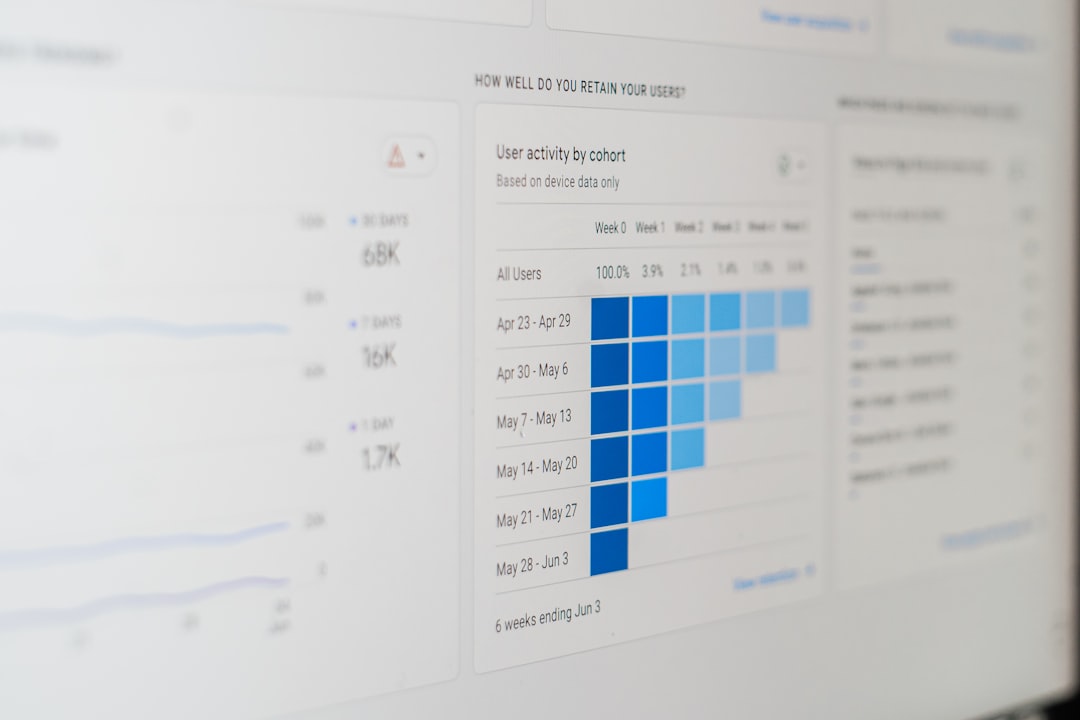
Data-driven insights separate average events from exceptional ones. Virtual event platforms collect valuable metrics such as:
- Session attendance rates
- Average watch time
- Poll participation levels
- Networking interactions
- Booth visit durations
Organizers can analyze this data to refine future events, tailor content, and personalize communication strategies. The ability to measure engagement in real time ensures that adjustments can be made even during multi-day conferences.
Enhancing Accessibility and Inclusivity
Interactive virtual platforms also promote inclusivity through:
- Closed captioning and live transcription
- Multi-language translation tools
- On-demand session replays
- Mobile-compatible interfaces
These features expand reach and ensure broader audience participation. Accessibility improvements not only support attendees with disabilities but also allow global audiences across time zones to engage conveniently.
Hybrid Events and Integrated Experiences
As hybrid events gain traction, platforms are adapting to support simultaneous in-person and online participation. Integrated tools allow:
- Live-streaming of physical sessions
- Real-time questions from virtual attendees displayed on stage
- Interactive polling accessible to both audiences
- Unified analytics dashboards
This seamless integration ensures remote participants receive comparable engagement opportunities to on-site attendees.

Choosing the Right Platform
Selecting the ideal virtual event platform requires careful evaluation of several factors:
- Event Size and Format: Large conferences may require enterprise-grade solutions, while workshops may benefit from more intimate platforms.
- Ease of Use: Both organizers and attendees should navigate the interface effortlessly.
- Customization Options: Branding, agenda structuring, and sponsor integrations are essential.
- Technical Support: Reliable customer service ensures smooth event execution.
- Budget: Pricing structures vary based on features, number of attendees, and event frequency.
Organizations that align these criteria with their specific objectives are more likely to deliver compelling virtual experiences.
The Future of Interactive Virtual Events
The next generation of virtual event platforms is incorporating augmented reality (AR), virtual reality (VR), and AI-generated content to create deeper immersion. Personalized event journeys, predictive matchmaking, and AI-driven content recommendations are reshaping how participants navigate conferences.
As technology continues to evolve, engagement will remain the central metric of success. Platforms that innovate and adapt will continue to dominate the market, offering tools that closely replicate — and sometimes exceed — in-person event dynamics.
Frequently Asked Questions (FAQ)
1. What makes a virtual event platform engaging?
An engaging platform includes interactive features such as polls, live chat, Q&A sessions, breakout rooms, gamification, and networking tools. These features encourage active participation rather than passive viewing.
2. Are virtual event platforms suitable for small businesses?
Yes. Many platforms offer scalable pricing models tailored to small businesses, startups, and nonprofits. Smaller events can benefit significantly from networking-focused features and customizable branding options.
3. How do analytics improve future events?
Analytics provide insights into attendee behavior, engagement rates, and content performance. Organizers can use this data to refine session topics, adjust scheduling, and enhance marketing strategies for future events.
4. Can virtual event platforms support hybrid events?
Most modern platforms include hybrid capabilities, allowing simultaneous in-person and remote participation through live streaming, unified Q&A, and shared engagement tools.
5. What should organizations consider before selecting a platform?
Key considerations include audience size, desired features, integration needs, technical support, analytics depth, and overall budget. Testing demo versions can also help determine usability and compatibility.
6. Do interactive features truly increase attendance retention?
Research and user feedback suggest that interactive elements significantly boost attention spans and session retention. When attendees participate actively, they are more likely to remain engaged throughout the event.
Virtual event platforms have matured into powerful ecosystems designed for participation, collaboration, and measurable impact. By leveraging interactive tools thoughtfully, organizations can create meaningful digital experiences that rival traditional in-person gatherings while reaching broader, global audiences.

