
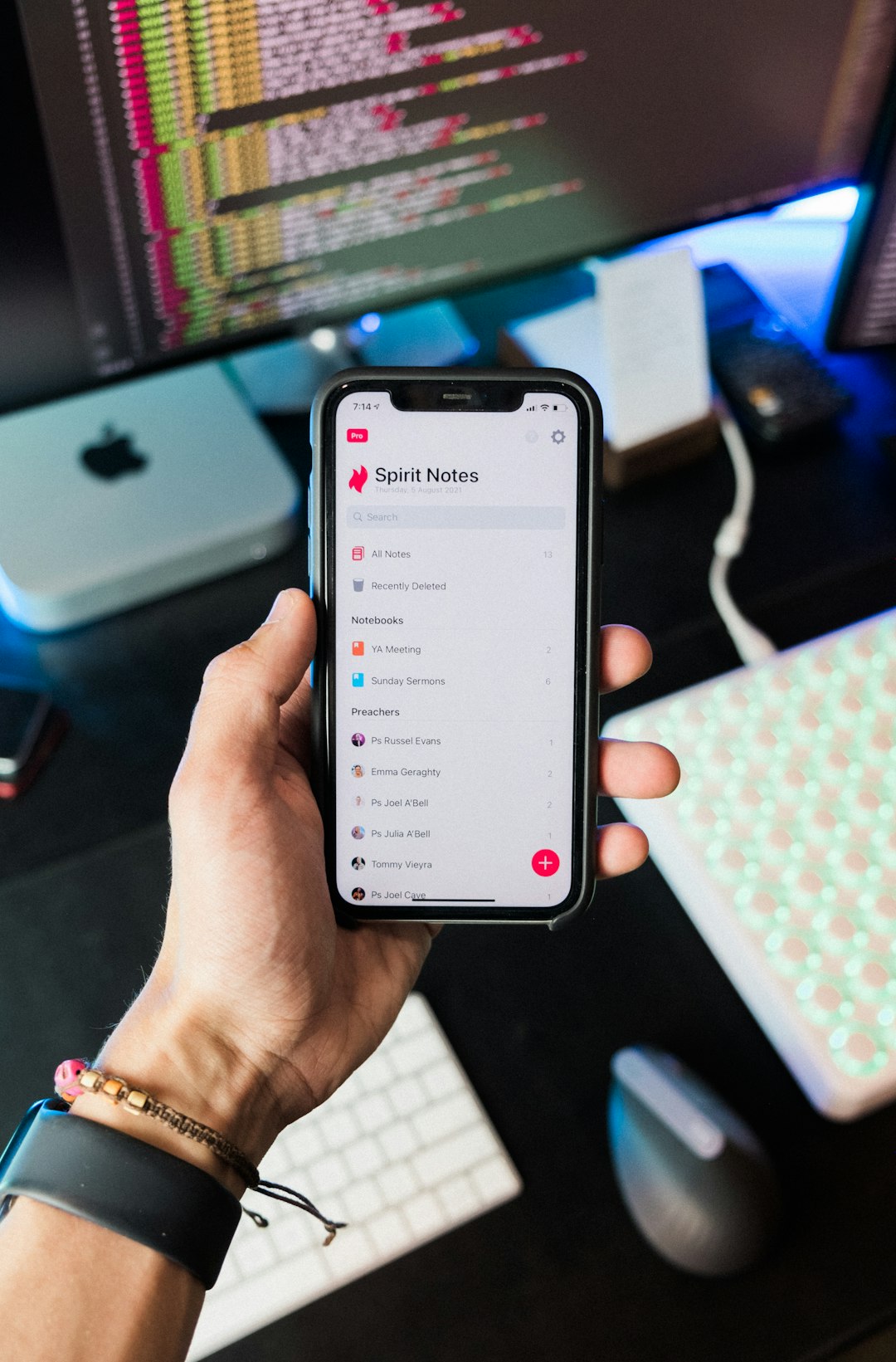
Push notifications have become a disciplined lifecycle channel rather than a simple broadcast tool. When automated well, they help teams deliver timely, relevant messages based on user behavior, preferences, lifecycle stage, and business events. The challenge is not only deciding what to send, but also designing workflows, drip campaigns, sequences, and data models that make each message accountable and measurable.
TLDR: Push notification automation uses behavioral triggers, user data, and structured workflows to send the right message at the right time. For example, a retail app might send a cart reminder 30 minutes after abandonment, a discount after 24 hours, and a final inventory alert after 48 hours. In many mature programs, segmented and triggered push campaigns can outperform generic blasts by 20% to 40% in engagement, especially when frequency limits and personalization are applied. The strongest systems depend on clean event tracking, consent management, and clear campaign logic.
Why Push Notification Automation Matters
Manual push campaigns are difficult to scale because user behavior changes constantly. A customer who installed an app yesterday should not receive the same message as a loyal user who has completed ten purchases. Automation solves this by linking messages to real time signals, such as account creation, product views, subscription renewal dates, inactivity, location changes, or transaction status.
At its best, push notification automation supports both business goals and user expectations. It can increase activation, reduce churn, recover abandoned carts, encourage feature adoption, and improve retention. At its worst, it can become intrusive and lead users to disable notifications entirely. The difference is usually found in the quality of the workflow design and the reliability of the underlying data model.
Trigger Workflows: Responding to User Behavior
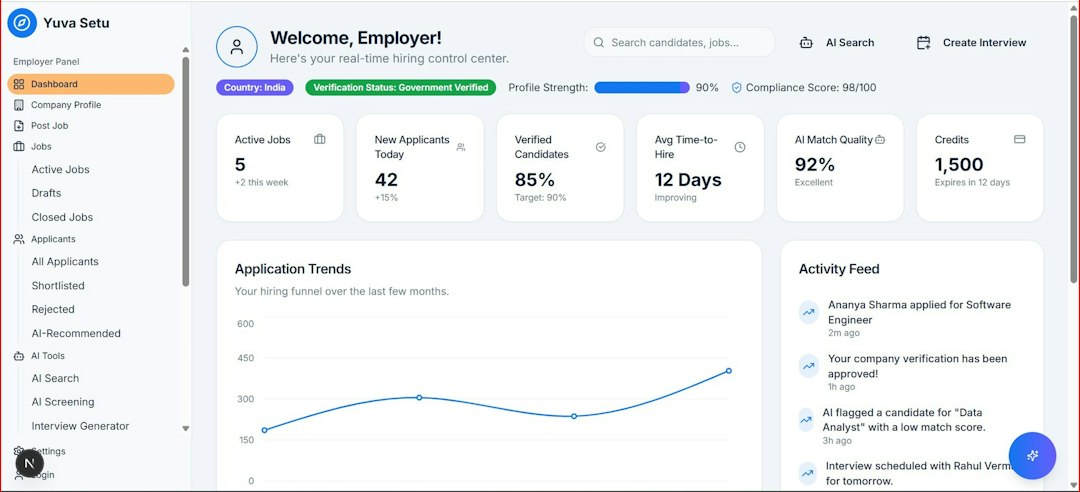
A trigger workflow begins when a defined event occurs. The event may be explicit, such as a user adding an item to a cart, or implicit, such as a user becoming inactive for seven days. Once the trigger fires, the system evaluates conditions and decides whether to send a notification, wait, branch, or suppress the message.
Common push notification triggers include:
- Onboarding events: account created, profile incomplete, permission not granted.
- Commerce events: cart abandoned, price dropped, order shipped, payment failed.
- Engagement events: feature used, milestone reached, content saved, session skipped.
- Retention events: inactivity period reached, subscription expiring, reward unused.
- Operational events: booking confirmed, delivery delayed, security alert, appointment reminder.
Good trigger workflows should include eligibility rules. For instance, a user should not receive a promotional reminder if they already purchased the product, opted out of marketing messages, or received another campaign within the last few hours. These safeguards protect the user experience and improve measurement accuracy.
Drip Campaigns: Building Engagement Over Time
A drip campaign is a planned series of messages delivered over a period of time. Unlike a one off push, a drip campaign is designed to guide the user step by step toward a goal. This is especially useful for onboarding, education, subscription trials, and reactivation.
Consider a fitness app onboarding drip campaign:
- Day 0: Welcome message and prompt to set a weekly goal.
- Day 1: Reminder to complete the first workout.
- Day 3: Tip about tracking progress and streaks.
- Day 7: Summary of activity and suggestion to upgrade or personalize the plan.
This sequence should not continue blindly. If the user completes the first workout on Day 1, the next message should acknowledge progress rather than repeat the same instruction. If the user disables notifications, the campaign should stop or shift to another permitted channel. Automation is effective only when it listens as carefully as it speaks.
Sequences and Branching Logic
Sequences are often more advanced than simple drip campaigns because they include branching paths. A workflow may split based on behavior, attributes, subscription status, or predictive scores. For example, users who open a notification may receive deeper product education, while users who ignore it may receive a shorter reminder or no further message at all.
Branching logic commonly uses conditions such as:
- If opened: send a follow up with related content or next best action.
- If not opened: wait 24 hours, then test a different title or timing.
- If converted: exit the campaign and record attribution.
- If high value user: route to a premium offer or loyalty message.
- If frequency limit reached: suppress the campaign until the next eligible window.

Reliable sequences also require exit conditions. Without them, users can become trapped in outdated campaigns. A reactivation sequence should end when the user returns. A trial conversion sequence should end when the user subscribes. A cart recovery sequence should end when the cart is emptied or purchased.
The Data Model Behind Automation
The data model is the foundation of push notification automation. It determines which events can be tracked, which users can be segmented, and which messages can be personalized. A weak data model creates unreliable campaigns, duplicate sends, and poor reporting.
A practical push notification data model usually includes the following entities:
- User profile: user ID, language, timezone, lifecycle stage, consent status, preferences.
- Device profile: device token, platform, app version, notification permission, last active date.
- Events: timestamped actions such as product viewed, purchase completed, workout started, or message opened.
- Campaign membership: which workflows the user has entered, completed, skipped, or exited.
- Message history: notifications sent, delivered, opened, clicked, dismissed, or failed.
- Business objects: carts, orders, subscriptions, bookings, tickets, or content records.
Identity resolution is especially important. A single person may use multiple devices, reinstall the app, or switch from anonymous browsing to a registered account. Systems need a clear way to connect device tokens with stable user IDs while respecting privacy and consent requirements.
Personalization, Timing, and Frequency
Personalization should go beyond inserting a first name. Effective push messages reference user intent, context, and recent activity. A travel app might notify a user about a gate change, but it might also suggest a hotel deal only if the user has shown booking intent and has opted into promotional alerts.
Timing is equally important. A notification sent at 3 a.m. may be technically correct but practically harmful. Automation platforms should account for timezone, quiet hours, historical engagement windows, and urgency. Transactional messages can justify immediate delivery, while marketing messages should usually wait for a suitable moment.
Frequency caps are a serious requirement, not an optional setting. As a general rule, teams should define maximum sends per day and per week, with stricter caps for promotional messages. Users who consistently ignore notifications may need fewer messages, not louder ones.
Measurement and Optimization
Push notification automation should be measured with more than open rates. Opens are useful, but they do not prove business value. Teams should connect campaigns to downstream outcomes such as activation, purchase, renewal, feature adoption, retention, or support cost reduction.
Important metrics include:
- Delivery rate: percentage of notifications successfully delivered to devices.
- Open rate: percentage of delivered notifications opened by users.
- Conversion rate: percentage of users who complete the intended action.
- Opt out rate: percentage of users who disable notifications after receiving messages.
- Incremental lift: performance difference between users who received notifications and a control group.
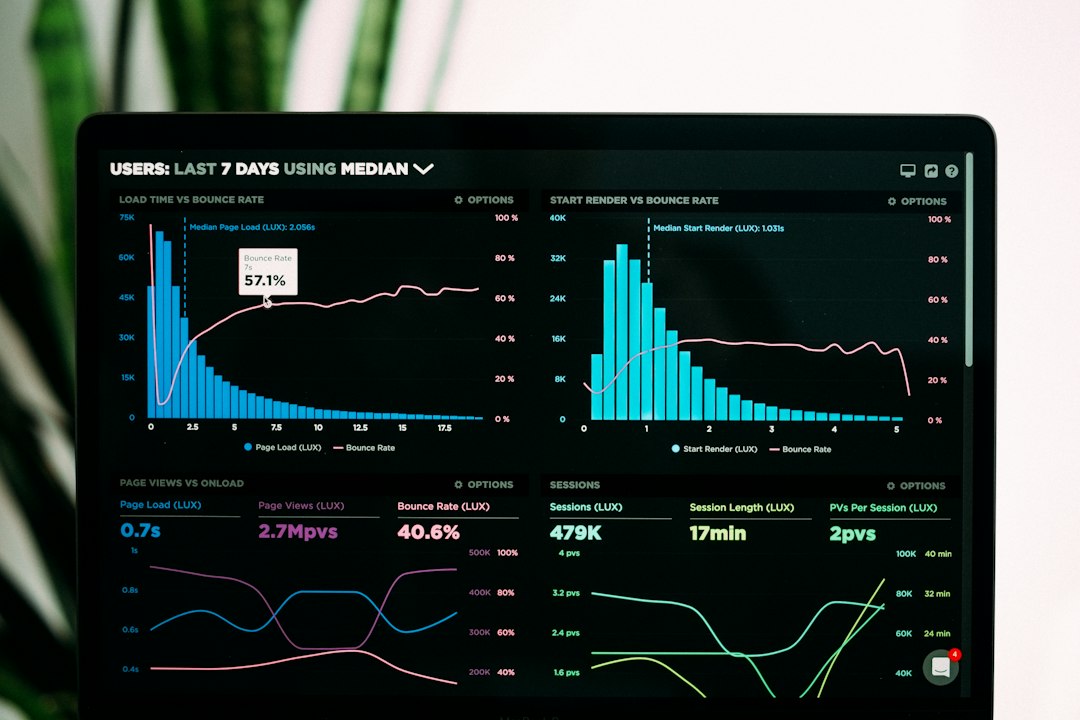
A/B testing should be used carefully. Testing titles, timing, incentives, and sequence length can reveal meaningful differences, but tests need adequate sample sizes and clean attribution windows. For high impact campaigns, holdout groups are often the most trustworthy way to measure incremental value.
Governance and Best Practices
Because push notifications reach users directly, governance is essential. Teams should maintain a campaign calendar, naming conventions, approval processes, and documentation for trigger logic. They should also distinguish between transactional messages, which are service related, and marketing messages, which typically require stricter consent controls.
Strong automation programs follow several principles:
- Send messages only when they are useful, timely, and relevant.
- Use behavioral triggers instead of broad blasts whenever possible.
- Respect user preferences, consent, and local regulations.
- Include suppression rules, quiet hours, and frequency caps.
- Design clear exit conditions for every workflow.
- Review performance regularly and retire campaigns that no longer add value.
Conclusion
Push notification automation is not merely a messaging tactic; it is a structured system for responding to user behavior at scale. Trigger workflows, drip campaigns, sequences, and data models must work together to ensure that notifications are accurate, respectful, and measurable. Organizations that invest in clean data, thoughtful logic, and disciplined governance are more likely to earn user attention rather than spend it carelessly. In a crowded digital environment, that trust is the real advantage.

