
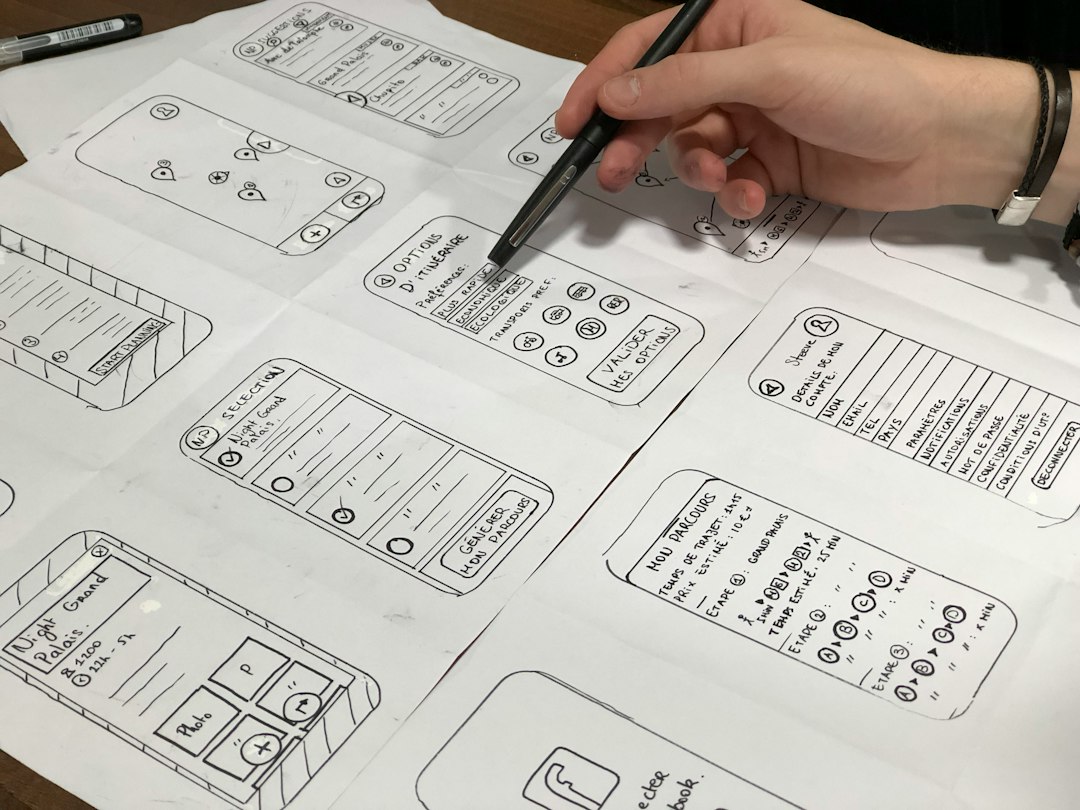
Hire a UX firm if you need research, design, prototyping, and product improvement in one package; hire a UX research agency if your biggest risk is making decisions without reliable user evidence. The choice matters because UX problems are rarely cosmetic. For example, Baymard Institute reports an average online cart abandonment rate of 70.19%, which often points to friction in forms, checkout flow, pricing clarity, or trust signals [source: Baymard].
TLDR: Pick a UX firm when you want a partner to diagnose problems, redesign flows, create prototypes, and support implementation. Pick a UX research agency when you need unbiased evidence before a major product, pricing, or market decision. For example, if a SaaS trial has a 42% drop-off during onboarding, a research agency can explain why users quit, while a UX firm can also redesign the onboarding screens and test the fix. If you already have strong designers, research support may be enough.
UX Firm vs UX Research Agency: The Practical Difference
A UX firm is usually a broader product design partner. It may offer user research, UX strategy, information architecture, wireframes, UI design, prototypes, usability testing, design systems, and sometimes front-end support. The output is often both insight and execution.
A UX research agency is more focused. Its main job is to uncover how users think, behave, choose, hesitate, and fail. It may run interviews, surveys, diary studies, usability tests, field research, concept testing, or market validation. The output is usually evidence, findings, and recommendations.
Both can improve the user experience. The real question is not which one is “better.” The better question is: what problem are you trying to solve right now?
When You Should Hire a UX Firm
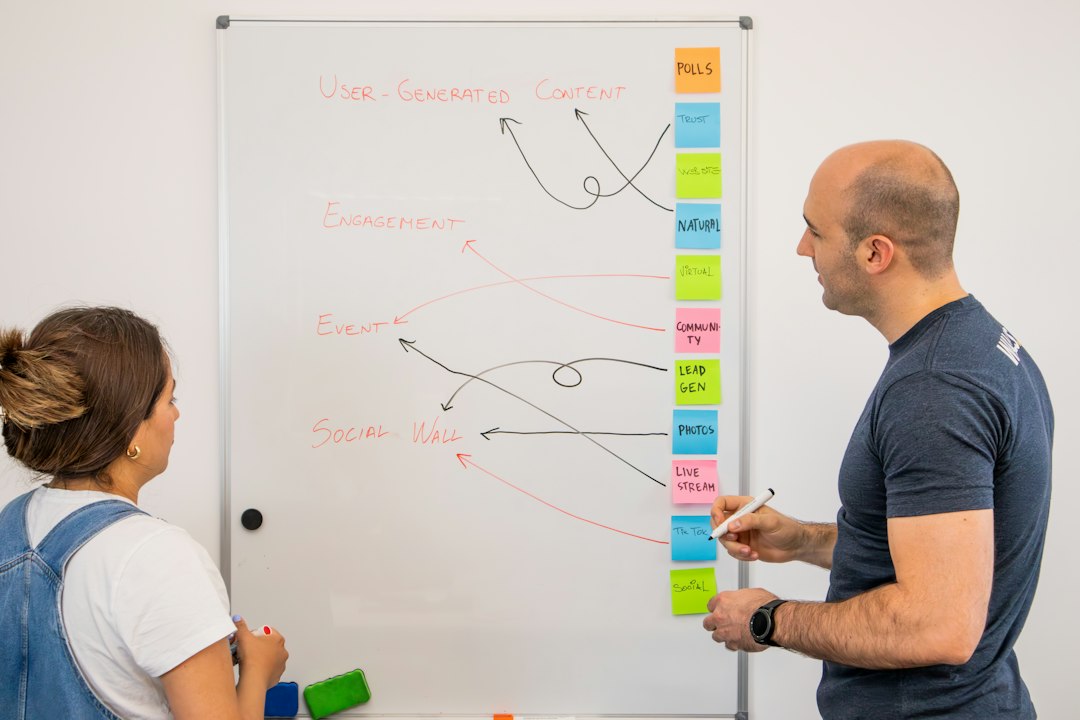
Hire a UX firm when your product needs visible, structural change. This is the right partner when you have a messy interface, unclear user journey, weak conversion, poor retention, or a product that feels patched together over time.
A UX firm is also useful when your internal team is thin. Maybe you have developers, product managers, and a marketing lead, but no senior UX designer. Maybe your designer is buried in sprint tickets and cannot step back. That is where a firm can bring method, speed, and outside judgment.
A UX firm is a strong fit when you need:
- End-to-end product redesign, from audit to prototype.
- Conversion-focused UX work for checkout, sign-up, onboarding, or lead forms.
- Information architecture for complex websites, apps, or portals.
- UI design that turns research into usable screens.
- Design system work for consistency across teams.
- Usability testing plus design fixes, not just a report.
The main advantage is continuity. The same partner can find the issue, design a better flow, test it, and refine it. That reduces handoff risk. It also keeps teams from wasting six weeks debating a PDF full of findings nobody owns.
The catch is that not every UX firm is equally strong in research. Some firms are design-heavy. They may run a few short interviews, then move too quickly into wireframes. Ask how they recruit users, how they analyze findings, and how they separate evidence from opinion.
When You Should Hire a UX Research Agency
Hire a UX research agency when uncertainty is your biggest problem. This is common before large product investments, new feature launches, pricing changes, market expansion, or redesigns that could upset current users.
A research agency is often the better choice when leadership is arguing from gut feeling. Sales says users need one thing. Product says another. Support has a long complaint list. Marketing has survey data, but it is too broad. A research agency can bring sharper proof.
A UX research agency is a strong fit when you need:
- User interviews to understand needs, objections, and decision triggers.
- Usability testing on an existing product, prototype, or competitor flow.
- Persona or segmentation research based on real behavior.
- Concept validation before building an expensive feature.
- Journey mapping backed by user evidence.
- Independent research that internal politics cannot easily bend.
This partner is especially valuable in high-stakes environments. Think fintech, healthtech, enterprise software, insurance, education, or government services. In these cases, a bad assumption can cost more than a bad screen.
Honestly, it feels like some teams wait until after launch to ask users what confused them. By then, the damage is already visible in support tickets, churn, and missed revenue targets. Research earlier is usually cheaper.
Key Differences at a Glance
| Criteria | UX Firm | UX Research Agency |
|---|---|---|
| Main focus | Design improvement and product execution | User evidence and decision support |
| Typical output | Wireframes, prototypes, UI designs, design systems | Research reports, insights, journey maps, recommendations |
| Best for | Teams that need both diagnosis and redesign | Teams that need clarity before building |
| Risk | May underinvest in deep research | May not help much with final design execution |
How to Choose the Right Partner
Start with the business problem. Do not start with the vendor type. A clean label will not save a weak brief.
Ask these questions before hiring:
- Do we understand the problem? If not, hire a UX research agency first.
- Do we already know what needs fixing? If yes, a UX firm may be better.
- Do we have internal designers? If yes, research support may be enough.
- Do we need production-ready screens? If yes, choose a UX firm.
- Is leadership divided? If yes, independent research can reduce opinion fights.
- Is the deadline tight? If yes, pick the partner with a proven process for your exact case.
Budget also matters. A focused usability study may cost less than a full redesign. But a cheap study that produces vague findings is not a bargain. The same applies to design. Beautiful screens that do not address user behavior are expensive decoration.
What to Check Before You Sign
Ask for case studies that show the before and after. Look for numbers. Conversion rate. Task success. Reduced support volume. Shorter onboarding time. Higher activation. If the case study only shows polished screens, be careful.
For a UX firm, ask:
- Who conducts the research?
- How are design decisions tied to findings?
- Will we receive editable files and documentation?
- How do you test prototypes before handoff?
For a UX research agency, ask:
- How do you recruit qualified participants?
- How many sessions are included?
- Will we see raw evidence, clips, or transcripts?
- How specific will the recommendations be?
Expect to waste time if roles are unclear. A research agency may say, “the checkout needs simplification,” but your team still has to decide how. A UX firm may offer new screens, but without enough user proof. Neither is ideal if expectations are fuzzy.

The Best Choice for Common Situations
If you are redesigning a full product: choose a UX firm with solid research skills.
If you are validating a new idea: choose a UX research agency before design begins.
If your conversion rate dropped after a redesign: choose a research agency to identify the cause, then bring in a UX firm if your team cannot fix it.
If your app feels outdated: choose a UX firm, but insist on usability testing before final approval.
If executives disagree about user needs: choose a research agency. Neutral evidence can calm the room.
Final Recommendation
The safest rule is simple. Hire a UX research agency when you need answers. Hire a UX firm when you need answers plus design execution. If your risk is building the wrong thing, research comes first. If your risk is failing to turn known problems into a better product, a UX firm is the stronger partner.
For many companies, the best path is staged. Start with focused research. Then move into design. That may involve one partner or two. What matters is that evidence drives the work, not taste, hierarchy, or the loudest person in the meeting.

