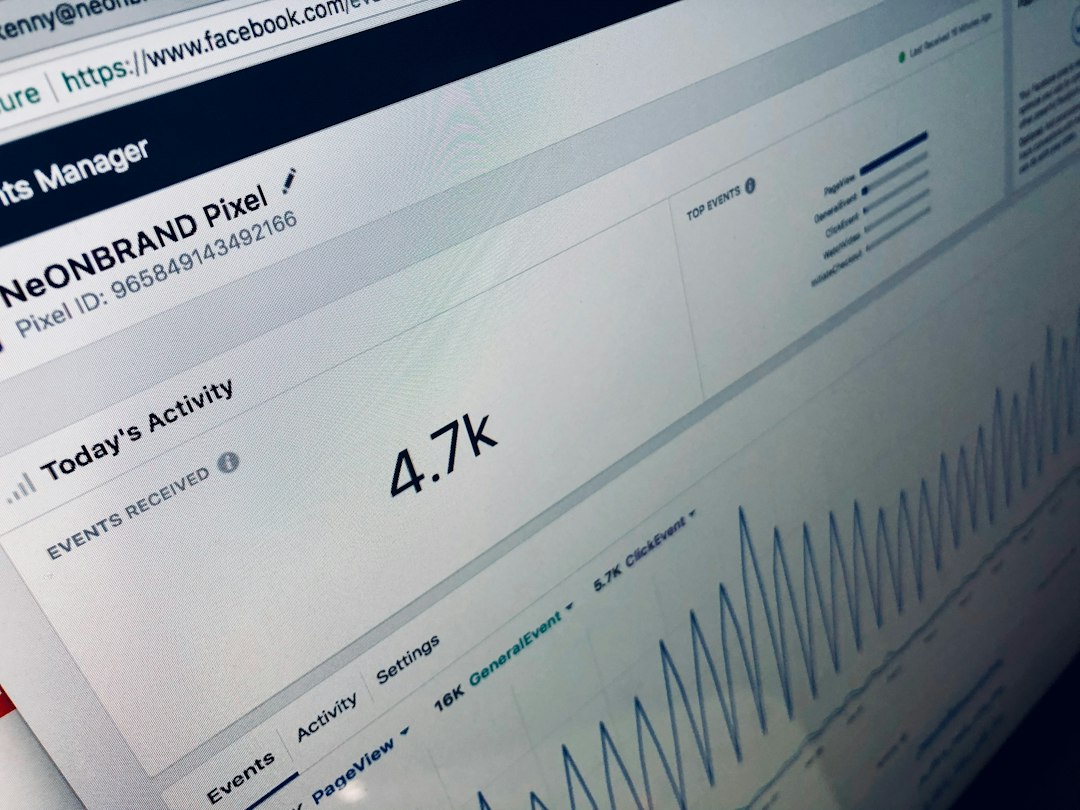
Use a small stack of search visibility tools, not one bloated dashboard. The best setup usually pairs Google Search Console with a rank tracker, a competitive research tool, and a reporting tool. That matters because the first organic Google result gets about 27.6% of clicks, so even small SERP changes can affect revenue fast [source: Backlinko].
TL;DR: Start with Google Search Console for truth, then add Semrush or Ahrefs for competitor tracking, and use AccuRanker or SE Ranking for cleaner rank monitoring. For example, if 40 target keywords drop from positions 3–5 to 6–10, you may see a 20% to 35% traffic decline on those pages. A serious workflow checks visibility weekly, reviews SERP features monthly, and ties rankings to leads or sales. Do not trust rank position alone; track clicks, impressions, CTR, and page intent too.
1. Google Search Console
Best for: direct search performance data from Google.
Google Search Console should be the first tool in this list. It shows queries, impressions, clicks, CTR, average position, indexing issues, and page performance. It is not flashy, but it is the closest thing to first-party SEO data.
The weak spot is keyword grouping. Honestly, it feels like basic filtering still takes more clicks than it should. Still, for checking whether rankings are turning into traffic, it is hard to replace.
- Use it to: find pages losing clicks.
- Watch: CTR drops with stable rankings.
- Good fit: every site, from small blogs to enterprise stores.
2. Semrush
Best for: all-in-one SEO visibility tracking.
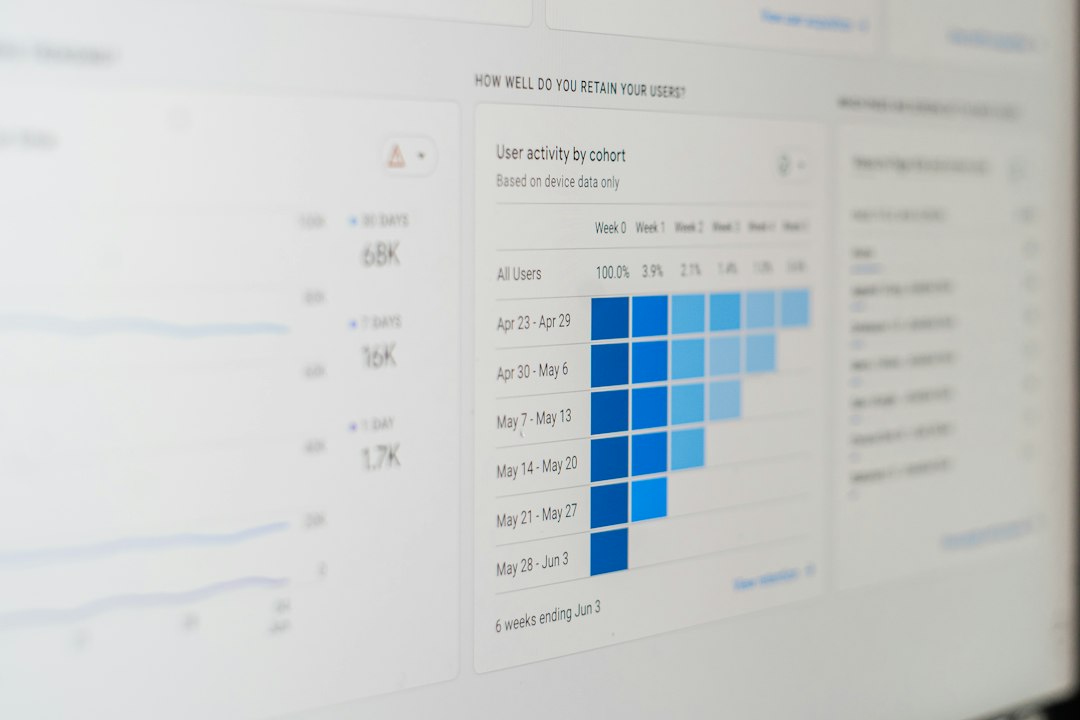
Semrush is strong when you need a broad view. It tracks keyword rankings, competitor visibility, SERP features, backlinks, content gaps, and paid search overlap. The Position Tracking tool is especially useful for local and device-based ranking checks.
The catch is the interface can feel heavy. Expect to waste time on menus if you only need one quick report. Still, agencies and in-house teams often like it because one platform can cover many jobs.
- Use it to: compare your visibility against competitors.
- Watch: featured snippets, local packs, and top 3 shifts.
- Good fit: teams managing many campaigns.
3. Ahrefs
Best for: competitor research and keyword movement.
Ahrefs is known for backlink data, but its rank tracking and organic research tools are also serious. You can see which pages bring traffic to a competitor, which keywords they gained, and where your site is falling behind.
It is useful when a page drops and you need to know why. Maybe competitors added stronger content. Maybe they gained links. Maybe the SERP now favors comparison pages instead of product pages.
- Use it to: study losing and winning competitor pages.
- Watch: keyword gaps and new ranking URLs.
- Good fit: SEO teams that care about links and content.
4. AccuRanker
Best for: clean, fast rank tracking.
AccuRanker does one job very well. It tracks keyword positions with speed and clarity. You can segment keywords by location, device, tag, and search engine. It is also good for spotting sudden ranking drops without digging through a giant SEO suite.
This is a practical tool for teams that already have analytics and research covered. It gives visibility data without too much noise.
- Use it to: monitor high-value keywords daily.
- Watch: share of voice and ranking distribution.
- Good fit: agencies, SaaS firms, and ecommerce teams.
5. SE Ranking
Best for: affordable rank tracking and reporting.
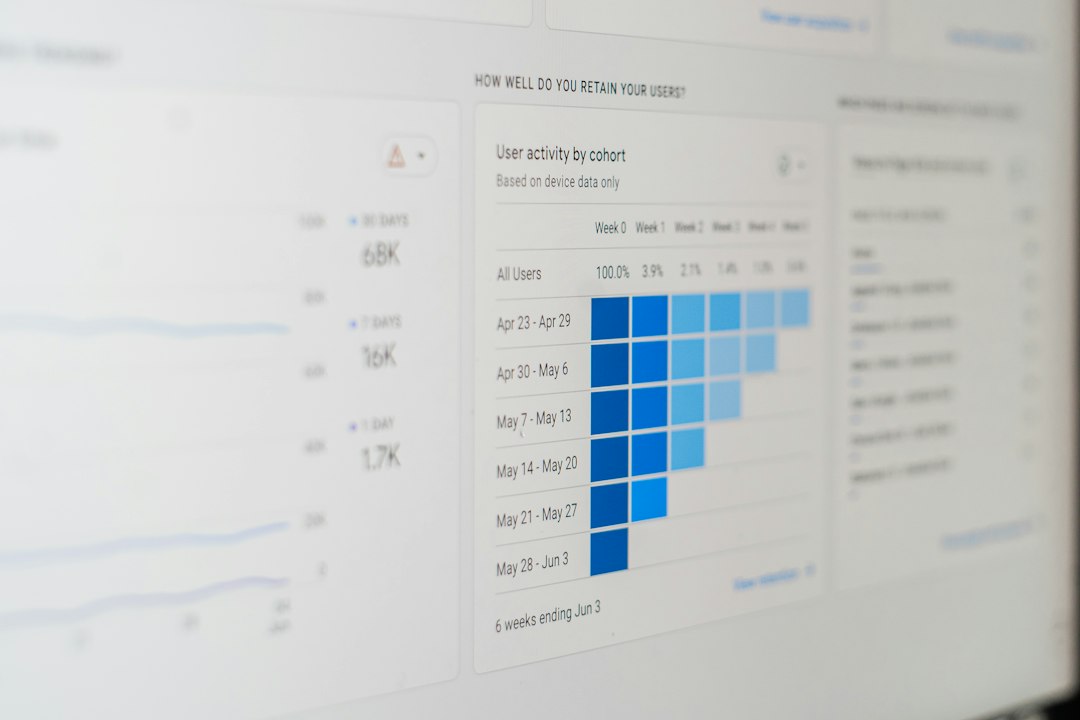
SE Ranking offers keyword tracking, competitor checks, site audits, backlink monitoring, and white-label reports. It is often easier to buy into than larger platforms, especially for smaller teams.
The reporting is one of its better features. You can build simple SEO reports for clients or managers without turning every update into a spreadsheet battle.
- Use it to: track rankings and send recurring reports.
- Watch: keyword groups by market, service, or funnel stage.
- Good fit: small agencies and growing businesses.
6. Moz Pro
Best for: simple visibility tracking with useful SEO metrics.
Moz Pro gives you rank tracking, keyword research, site crawl data, and page optimization guidance. Its Visibility Score makes it easy to see whether a campaign is moving in the right direction.
It may not feel as deep as Semrush or Ahrefs for competitive research. But that can be a benefit. Not every team needs a huge toolset. Some need clear alerts, clean reports, and steady ranking data.
- Use it to: track campaign health over time.
- Watch: visibility score trends and crawl issues.
- Good fit: teams that want a calmer SEO workflow.
7. SISTRIX
Best for: search visibility indexing and market-level analysis.
SISTRIX is strong for visibility measurement. Its visibility index helps show how a domain performs across a large keyword set. This is useful for spotting broad SEO gains or losses after major updates.
It is especially helpful when management asks, “Are we actually growing in search?” Instead of pointing to one keyword, you can show a wider visibility trend.
- Use it to: monitor organic visibility at domain level.
- Watch: update impact, directory performance, and competitors.
- Good fit: publishers, large sites, and SEO consultants.
How to choose the right stack
Pick tools based on the questions you need answered. If you need truth on clicks, use Google Search Console. If you need competitor data, use Semrush or Ahrefs. If you need precise rank tracking, use AccuRanker or SE Ranking.
A solid setup for most teams is simple: Google Search Console + one research suite + one rank tracker. Review top pages weekly. Track priority keywords daily if search is a major sales channel. Report on traffic, CTR, conversions, and SERP changes together. Rankings matter, but only when they help the business grow.

