

Managing people has never been simple, but today’s managers are operating in an environment defined by constant change, rising expectations, and competing priorities. They are expected to lead teams, deliver results, support employee wellbeing, adopt new technologies, manage uncertainty, and build inclusive cultures—often all at the same time. The modern manager is no longer just a supervisor; they are a coach, strategist, communicator, problem solver, and cultural anchor.
TLDR: The biggest challenges managers face today include leading hybrid teams, keeping employees engaged, adapting to rapid technological change, and balancing performance with wellbeing. Managers must also navigate talent shortages, communication overload, workplace conflict, and growing demands for transparency and inclusion. Success depends on emotional intelligence, flexibility, clear communication, and the ability to lead people through uncertainty without losing sight of business goals.
1. Leading Hybrid and Remote Teams
One of the most visible challenges for managers today is leading teams that are no longer always in the same physical space. Hybrid and remote work have given employees greater flexibility, but they have also made management more complex. A manager may have some employees in the office, others working from home, and a few spread across different time zones.
This arrangement creates challenges around communication, visibility, collaboration, and trust. Managers can no longer rely on casual hallway conversations or quick desk check-ins. They must be intentional about how they share information, schedule meetings, and maintain team cohesion.
Remote work can also make it harder to notice early signs of disengagement or burnout. An employee who is struggling may appear “fine” in a brief video call, while quietly falling behind or feeling isolated. Managers need to develop new habits, such as regular one-on-one meetings, clear documentation, and thoughtful check-ins that go beyond task updates.

2. Maintaining Employee Engagement
Employee engagement is another major challenge. Many organizations are dealing with workers who feel disconnected, overworked, or uncertain about their future. Engagement is not just about making employees happy; it is about helping people feel committed, motivated, and connected to the purpose of the organization.
Managers play a central role in engagement because employees often experience the company through their direct supervisor. A strong manager can make a difficult job feel meaningful, while a poor manager can make even a great company feel unbearable.
To improve engagement, managers need to understand what motivates each team member. Some employees value career growth, others want recognition, autonomy, stability, or a sense of belonging. A one-size-fits-all approach rarely works. The best managers ask questions, listen carefully, and connect individual goals to team objectives.
- Recognition: Employees want their contributions to be noticed and appreciated.
- Purpose: People are more engaged when they understand why their work matters.
- Growth: Opportunities to learn and advance can increase commitment.
- Autonomy: Trusting employees to make decisions can strengthen ownership.
3. Managing Burnout and Wellbeing
Burnout has become a critical issue across industries. Long hours, constant digital communication, staffing shortages, and blurred boundaries between work and personal life have left many employees feeling exhausted. Managers are often caught in the middle: they must meet business goals while also protecting their team’s wellbeing.
The challenge is that burnout is not always obvious. Employees may continue producing work while quietly losing motivation and energy. Over time, this can lead to lower performance, absenteeism, conflict, or resignation.
Managers need to create an environment where people can speak honestly about workload and stress. This does not mean lowering standards or avoiding accountability. Rather, it means being realistic about priorities, removing unnecessary obstacles, and encouraging sustainable work habits.
A healthy team is not one that never works hard; it is one that can recover, communicate, and sustain performance over time.
4. Adapting to Rapid Technological Change
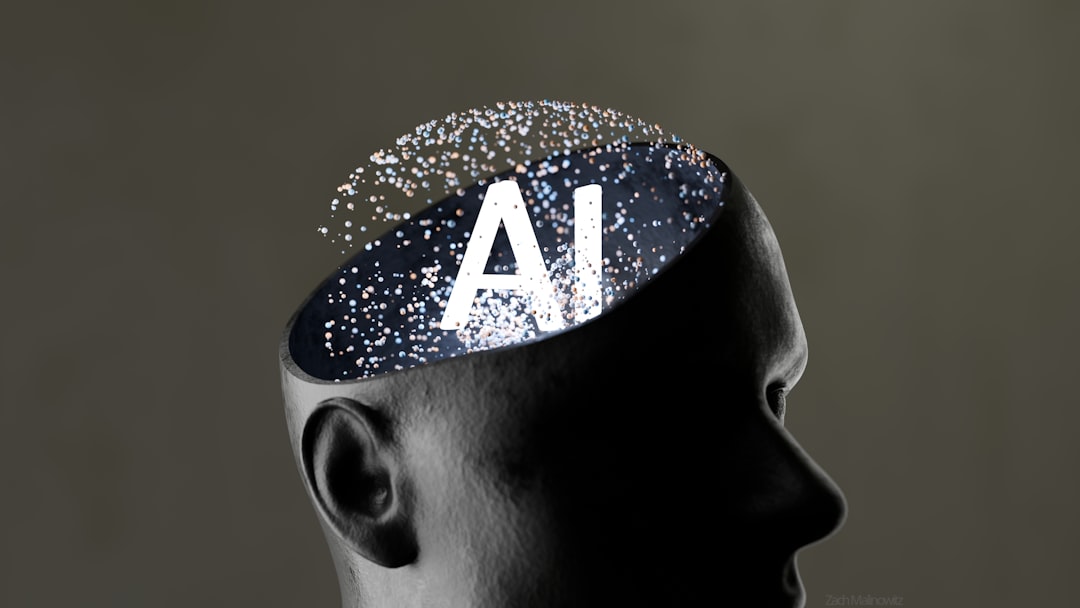
Technology is transforming the workplace at a remarkable pace. Artificial intelligence, automation, data analytics, collaboration tools, and digital platforms are changing how work gets done. For managers, the challenge is not only learning these tools themselves but also helping their teams adapt without becoming overwhelmed.
New technology can improve productivity, but it can also create fear. Employees may worry that automation will replace their jobs or that they will not be able to keep up with new systems. Managers need to guide teams through these transitions with clarity and empathy.
The most effective managers frame technology as a way to enhance human work, not simply as a demand to do more with less. They provide training, invite feedback, and explain how new tools support broader goals. They also recognize that digital transformation is not just a technical process—it is a human one.
5. Recruiting and Retaining Talent
Talent remains one of the biggest concerns for managers. Many industries face skill shortages, high turnover, and increased competition for qualified employees. Even when organizations successfully hire talented people, keeping them engaged and loyal can be difficult.
Employees today are often more willing to change jobs if they feel undervalued, underpaid, or limited in their growth. Managers must therefore think beyond day-to-day supervision and become active participants in retention.
Retention depends on several factors, including compensation, culture, flexibility, career development, and quality of leadership. While managers may not control every policy, they do control the daily experience of their team. Simple actions—such as giving constructive feedback, advocating for employees, and offering meaningful development opportunities—can make a significant difference.
6. Communicating Clearly in a Noisy Workplace
Modern workplaces are full of messages: emails, chat notifications, project updates, video calls, dashboards, and announcements. Ironically, with so many communication tools available, clear communication has become harder, not easier.
Managers must decide what information matters, who needs to know it, and how it should be delivered. Too little communication creates confusion. Too much communication creates overload. The goal is to be clear, consistent, and purposeful.
Good communication also involves listening. Managers who only broadcast instructions miss valuable feedback from their teams. Employees often understand operational problems before leaders do because they encounter them firsthand. Managers who create space for input can solve problems earlier and build stronger trust.
- Clarify priorities: Make sure employees know what matters most.
- Choose the right channel: Not every issue requires a meeting.
- Repeat key messages: Important information often needs to be reinforced.
- Encourage questions: Confusion grows when people are afraid to ask.
7. Handling Conflict and Difficult Conversations
Conflict is unavoidable wherever people work together. Differences in personality, communication style, workload, values, or expectations can lead to tension. One of the toughest responsibilities managers face is addressing conflict before it damages morale or productivity.
Avoiding difficult conversations may feel easier in the short term, but unresolved issues usually grow. A performance problem that is ignored can become a team-wide frustration. A small misunderstanding can turn into mistrust. A toxic behavior that goes unchallenged can harm the culture.
Effective managers approach conflict with fairness and professionalism. They gather facts, listen to different perspectives, and focus on behavior rather than personal attacks. They also understand that difficult conversations are not about “winning”; they are about creating clarity and moving forward.
The best managers do not eliminate conflict. They make it safe and productive enough to resolve.
8. Building Inclusive and Trust-Based Cultures
Today’s employees expect workplaces to be more inclusive, respectful, and transparent. Managers are responsible for turning those expectations into everyday behavior. This means ensuring that people feel heard, valued, and treated fairly, regardless of background, identity, personality, or work style.
Inclusion is not limited to formal diversity initiatives. It shows up in who gets invited to meetings, whose ideas are taken seriously, how feedback is delivered, and whether opportunities are distributed fairly. Managers must be aware of bias, encourage diverse perspectives, and create conditions where employees feel psychologically safe.
Trust is closely connected to inclusion. Employees are more willing to contribute ideas, admit mistakes, and take initiative when they believe their manager is honest and fair. Without trust, teams may comply with instructions but rarely perform at their best.

9. Balancing Short-Term Results with Long-Term Strategy
Managers are often under pressure to deliver immediate results: hit targets, reduce costs, solve customer issues, and complete projects quickly. At the same time, they must think about long-term needs such as talent development, innovation, process improvement, and culture.
This tension can be difficult. If managers focus only on short-term output, they may exhaust their teams or neglect future capabilities. If they focus only on long-term strategy, they may miss urgent business demands. The real challenge is balancing both.
Strong managers learn to prioritize ruthlessly. They identify which tasks truly support strategic goals and which activities create unnecessary noise. They also help their teams understand trade-offs. Not everything can be urgent, and not every request deserves equal attention.
10. Developing Their Own Leadership Skills
Finally, managers must continue developing themselves. Many people are promoted into management because they were strong individual contributors, but the skills that make someone successful in a technical or specialist role are not always the same skills required to lead others.
Managers need emotional intelligence, coaching ability, decision-making skills, business judgment, adaptability, and resilience. They must be able to give feedback, manage ambiguity, motivate different personalities, and remain calm under pressure. These abilities take time and practice.
Unfortunately, many managers receive limited training. They are expected to “figure it out” while already handling heavy responsibilities. Organizations that want better management outcomes must invest in leadership development, mentoring, and support systems for managers themselves.
What Successful Managers Do Differently
Despite these challenges, many managers are thriving by shifting their approach. They are moving away from command-and-control leadership and toward a style based on clarity, trust, adaptability, and coaching. They understand that people are not machines and that sustainable performance depends on both accountability and support.
Successful managers tend to share several habits:
- They communicate priorities clearly so teams know where to focus.
- They listen actively instead of assuming they have all the answers.
- They build trust through consistency, honesty, and follow-through.
- They adapt their leadership style to different people and situations.
- They protect team energy by challenging unnecessary work and unrealistic expectations.
- They embrace learning and stay open to new tools, ideas, and feedback.
Perhaps most importantly, successful managers recognize that leadership is not about having perfect control. In today’s workplace, uncertainty is normal. Markets shift, technologies evolve, employee expectations change, and business priorities move quickly. Managers who try to control every detail may become frustrated and ineffective. Those who create clarity, build capable teams, and respond thoughtfully to change are far better positioned to succeed.
Conclusion
The biggest challenges managers face today are complex because they involve both business pressures and human needs. Managers must deliver results while supporting wellbeing, drive change while reducing uncertainty, and maintain accountability while building trust. This requires more than technical expertise; it requires emotional intelligence, communication skill, flexibility, and courage.
As workplaces continue to evolve, the role of the manager will only become more important. Employees need leaders who can help them navigate complexity, understand priorities, and feel connected to meaningful work. Organizations need managers who can turn strategy into action while maintaining healthy and resilient teams.
In the end, great management is not about having all the answers. It is about asking better questions, creating the conditions for people to do their best work, and leading with both clarity and care in a world that rarely stands still.

