
Video production has evolved dramatically over the past decade, but one aspect has remained stubbornly time-consuming: lip sync editing. Whether you are producing marketing videos, online courses, films, social media content, or dubbed international material, aligning spoken audio with on-screen lip movements has traditionally required patience, technical precision, and many hours in the editing suite. Today, automated lip sync AI tools are transforming that workflow, offering a faster, more scalable, and highly accurate solution for modern content creators.
TLDR: Automated lip sync AI tools dramatically reduce the time and effort required to match spoken audio with on-screen lip movements. By using advanced machine learning models, these tools deliver accurate synchronization in minutes instead of hours. They are especially valuable for multilingual content, dubbing, and large-scale video production. For businesses and creators seeking efficiency without sacrificing quality, AI lip sync technology is becoming an essential part of the editing process.
The Challenge of Traditional Lip Sync Editing
Manual lip sync editing has long been one of the most meticulous tasks in post-production. Editors must review footage frame by frame, adjusting audio timing, trimming clips, or even modifying facial frames to achieve realistic alignment. Minor mismatches can cause viewers to lose trust in the video’s credibility, especially in high-production environments such as:
- Corporate training modules
- Film and television productions
- YouTube and influencer content
- Advertising campaigns
- Localized and dubbed videos
The complexity grows significantly when adapting content into multiple languages. Different languages have varied pacing, syllable lengths, and mouth formations. Translating and aligning each version manually can multiply editing time by two, three, or even ten times depending on distribution needs.
In short, traditional lip sync processes consume resources, delay publication schedules, and increase production costs. Automated AI tools were developed to address precisely these pain points.
How Automated Lip Sync AI Tools Work
Modern lip sync AI tools rely on advanced deep learning models trained on vast datasets of speech patterns and facial movements. These systems analyze audio waveforms, phonetic structure, and facial landmarks in video frames. The AI then adjusts mouth movements digitally to match the audio track with remarkable precision.
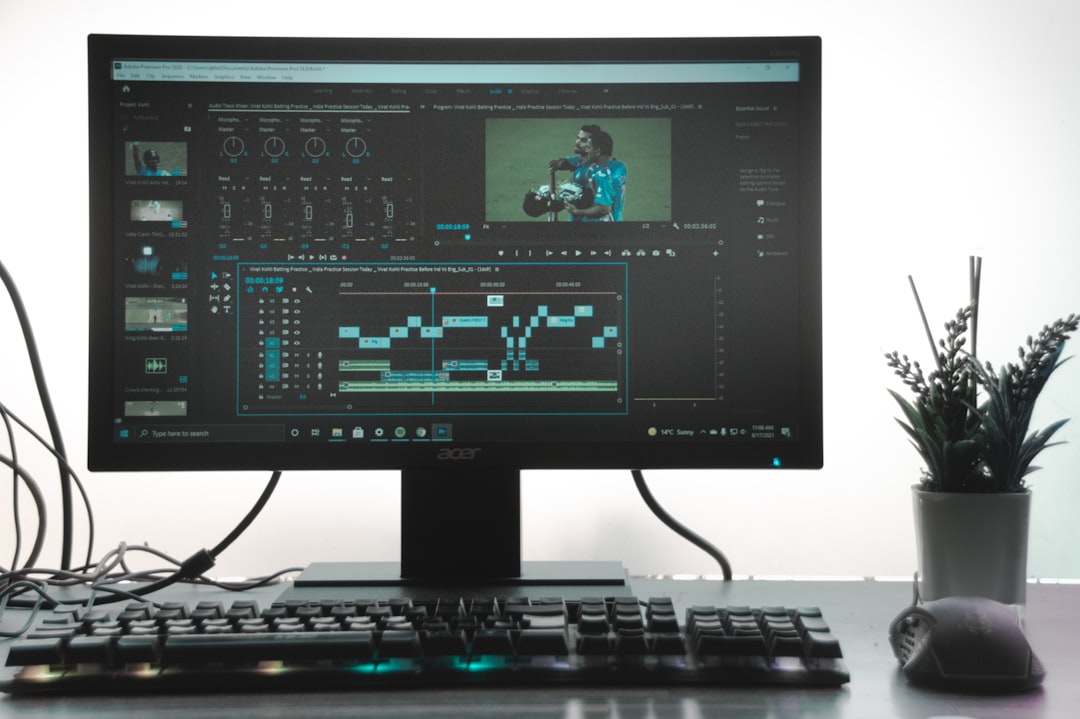
The process generally includes the following steps:
- Audio analysis: The AI identifies phonemes and speech timing from the audio file.
- Facial mapping: It maps key facial landmarks on the speaker’s face.
- Motion synthesis: The system generates subtle adjustments to lip, jaw, and facial movements.
- Rendering: A synchronized final video is produced with realistic lip movement alignment.
Unlike older automation attempts, today’s tools produce natural results that maintain facial integrity and emotional expression. The technology no longer appears robotic when implemented properly, making it suitable for professional-grade projects.
Why AI Lip Sync Tools Save Hours of Editing Time
The most immediate benefit of automated lip sync software is speed. Tasks that once required hours of careful review can now be completed in minutes. This time savings compounds across projects, teams, and departments.
Here is how AI significantly reduces editing time:
- Eliminates frame-by-frame adjustments
- Reduces manual audio shifting
- Automates multilingual lip matching
- Minimizes re-shoots caused by minor audio errors
For example, consider a company producing training videos in five languages. Manually adjusting lip sync for each language may require 8–12 hours per version. An AI-driven tool can often complete synchronization in under an hour, dramatically reducing production cycles.
In larger studios, where weekly output might include dozens of assets, the cumulative time savings can equate to hundreds of staff hours per month. That translates directly into increased operational efficiency and reduced overhead costs.
Improved Scalability for Global Content
Global businesses increasingly require content that resonates with audiences across regions. Viewers prefer media that appears native to their language, rather than poorly dubbed or visibly out of sync. AI lip sync tools make scalable localization possible without sacrificing quality.
Instead of filming multiple versions of the same scene or accepting visible lip mismatch, companies can:
- Create a single master video
- Record professional voiceovers in various languages
- Use AI to synchronize lip movements to each localized track
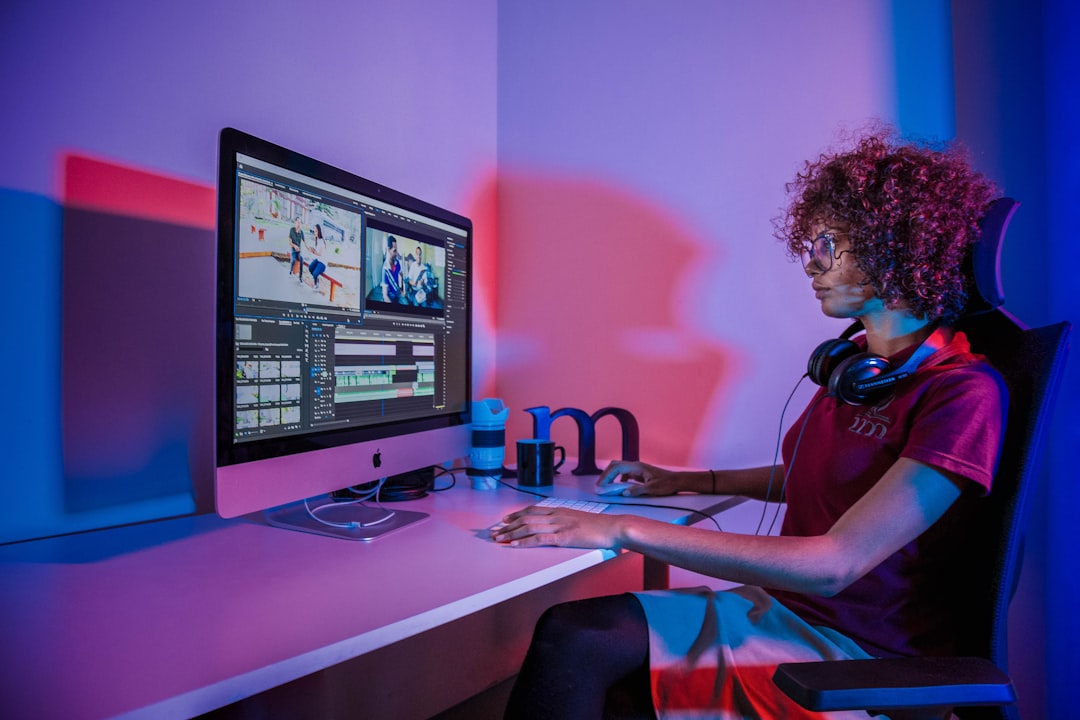
This process allows organizations to expand into new markets faster. Marketing teams can launch simultaneous international campaigns without lengthy editing delays. Educational platforms can distribute courses worldwide without visible language barriers. Media companies can bring content to international audiences at unprecedented speed.
Maintaining Professional Quality
Speed alone is not enough if the final product appears artificial. Early-stage automation tools often suffered from unnatural facial animations. However, the newest AI models incorporate refined motion prediction algorithms and improved realism.
High-quality automated lip sync tools offer:
- Natural mouth curvature adjustments
- Subtle jaw and cheek movements
- Preservation of emotional facial expressions
- High-resolution rendering support
When evaluated closely, the viewer should not detect manipulation. Instead, the video appears authentically recorded in the target language. This level of realism protects brand reputation and maintains viewer trust.
For production teams concerned about control, many tools also allow manual refinement. Editors can fine-tune specific frames after AI processing, striking a balance between automation and human oversight.
Cost Efficiency and Resource Optimization
Reducing editing hours has a direct financial impact. Labor is one of the most expensive elements of video production. By minimizing manual synchronization, organizations can:
- Lower contractor and freelancer costs
- Increase output without hiring additional staff
- Accelerate revenue-generating campaigns
- Reallocate creative teams to higher-value tasks
Editors who previously spent hours aligning speech can instead focus on storytelling, visual enhancement, pacing, and creative effects. The technology does not eliminate creative professionals; it enhances their productivity.
Additionally, avoiding re-shoots because of audio inconsistencies can significantly reduce budget overruns. In studio environments where time equates directly to expense, preventing even one additional shoot day can save thousands of dollars.
Use Cases Across Industries
Automated lip sync AI tools are no longer confined to entertainment studios. They are widely applied across multiple sectors.
Corporate Communications: Executives can deliver multilingual updates without recording separate video sessions for each region.
E-Learning Platforms: Course creators can translate and synchronize lessons for global learners.
Healthcare Communication: Instructional videos can be localized for patients in diverse communities.
Social Media Marketing: Influencers and brands can quickly adapt trending content for international audiences.
In each case, the priority is efficiency paired with authenticity. AI tools provide both, making them indispensable in modern content workflows.
Security and Ethical Considerations
As with any AI technology that manipulates video, ethical use is crucial. Organizations should ensure they have appropriate rights to modify and distribute video content. Transparency, consent, and responsible deployment must guide every implementation.
Reputable AI lip sync platforms emphasize:
- Data protection and secure processing
- Clear usage agreements
- Watermarking or disclosure options when appropriate
When used responsibly, automated lip sync serves legitimate productivity goals without compromising integrity.
Integrating AI Lip Sync Into Your Workflow
Adopting automated lip sync does not require overhauling your entire production process. Many solutions integrate with standard editing software and common file formats. A typical integration might look like this:
- Edit and finalize your master video.
- Export clean audio tracks for each language version.
- Upload video and audio into the AI platform.
- Review and export synchronized versions.
- Perform final quality checks within your editing suite.
This streamlined process enables teams to retain creative ownership while benefiting from automation.
The Competitive Advantage
Content production continues to accelerate across industries. Organizations that deliver high-quality, localized, and professionally synchronized videos faster than competitors gain a measurable advantage. Automated lip sync AI tools shorten production timelines, reduce costs, and support global expansion.
In today’s digital landscape, speed and quality are not optional. They are fundamental expectations. Businesses that rely solely on manual editing risk falling behind in both output volume and responsiveness to market opportunities.
In conclusion, automated lip sync AI tools represent a practical, serious advancement in video production technology. They eliminate tedious manual adjustments, enable scalable localization, and preserve professional standards. For any organization seeking to save hours on editing while maintaining quality, integrating AI lip sync software is not merely an innovation—it is a strategic necessity.

