

At first glance, bismuth, a brittle metallic element, and Bitcoin, a decentralized digital asset, seem to belong to entirely different worlds. One is found in the periodic table and used in alloys, medicines, and industrial applications; the other exists as code, cryptographic records, and economic consensus. Yet when examined through the lenses of scarcity, trust, utility, and resilience, the comparison becomes surprisingly meaningful.
TLDR: Bismuth and Bitcoin are both valued partly because they are scarce, difficult to counterfeit, and independent of ordinary centralized control. Bismuth is a physical element with unique chemical properties, while Bitcoin is a digital monetary network governed by mathematics and consensus. Their similarities do not make them equivalent, but they help explain why both attract attention as distinctive stores of value and specialized tools.
Scarcity as a Foundation of Value
One of the strongest similarities between bismuth and Bitcoin is scarcity. Bismuth is a naturally occurring element, but it is not abundant in concentrated deposits. It is often obtained as a byproduct of mining other metals, such as lead, copper, tin, and silver. This means its supply depends not only on demand for bismuth itself, but also on broader mining activity.
Bitcoin, by contrast, is scarce by design. Its protocol limits total issuance to 21 million coins. New bitcoins are introduced through mining rewards, but the rate of issuance decreases over time through scheduled “halving” events. This controlled supply is one of Bitcoin’s defining features and a central reason it is often compared with scarce commodities.
The important connection is not that bismuth and Bitcoin are scarce in the same way. Rather, both demonstrate how limited availability can shape perception, market behavior, and long-term value assumptions.
Resistance to Counterfeiting
Bismuth has identifiable physical and chemical properties. It has a high atomic number, low thermal conductivity, and a distinctive crystalline structure when grown under the right conditions. Skilled testing can verify whether a material is truly bismuth or merely an imitation. Its authenticity is tied to nature’s rules: atomic structure cannot be faked in any meaningful industrial or scientific sense.
Bitcoin’s authenticity is verified differently. A bitcoin is not a physical object, but ownership and transaction history are confirmed through cryptography and a public ledger known as the blockchain. The network checks whether coins have been legitimately created and whether they have already been spent. In practical terms, Bitcoin is designed to prevent counterfeiting through mathematical verification rather than physical inspection.
This is a key similarity: both rely on systems that make fraud difficult. For bismuth, the system is chemistry. For Bitcoin, it is cryptography, consensus, and distributed validation.
Independence from Traditional Issuers
Neither bismuth nor Bitcoin is issued by a central bank. No government can create bismuth by decree, and no single company can arbitrarily increase Bitcoin’s supply. This does not mean either is free from regulation, market pressure, or geopolitical influence. It simply means their existence is not dependent on a traditional monetary issuer.
Bismuth exists independently as an element. Human institutions may mine it, refine it, trade it, and regulate it, but they do not define its atomic nature. Bitcoin exists through software and a global network of participants. Changes to its rules require broad agreement among users, miners, developers, and node operators. That makes it resistant to unilateral control.
This characteristic helps explain why both can appeal to people interested in assets that are not easily manipulated by ordinary policy tools. However, independence is not the same as stability. Bismuth prices can move with industrial demand, and Bitcoin prices can fluctuate dramatically due to speculation, liquidity, regulation, and sentiment.
Specialized Utility
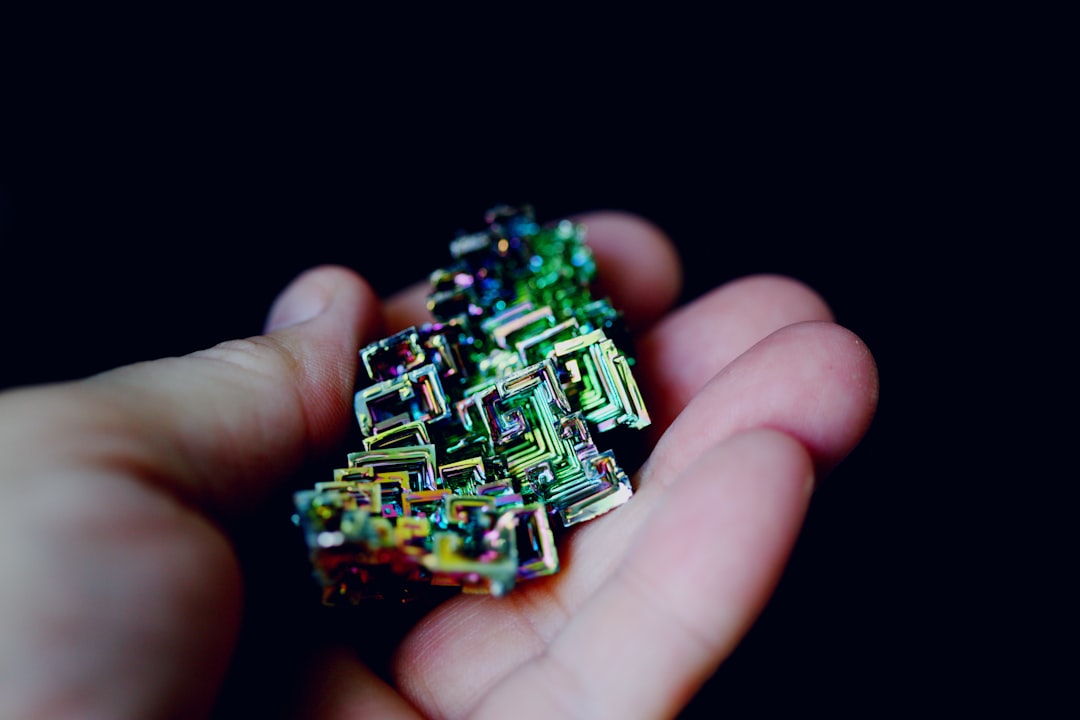
Bismuth is not merely a collectible element. It has real uses. Because it is relatively non-toxic compared with lead, it appears in certain medical compounds, cosmetics, low-melting alloys, pigments, and environmentally safer substitutes for lead-based products. It is also valued by collectors for its colorful, stair-step crystals, which display iridescent oxide layers.
Bitcoin also has utility, though of a different kind. It allows value to be transferred across borders without relying on a central payment processor. It can be self-custodied, audited publicly, and used in environments where access to traditional banking may be limited. Its utility is strongest where censorship resistance, portability, and settlement assurance matter.
- Bismuth’s utility is based on physical properties, such as low toxicity and melting behavior.
- Bitcoin’s utility is based on digital properties, such as decentralization and verifiable scarcity.
- Both derive value from being useful beyond simple speculation.
Mining and Production Constraints
The word “mining” applies to both bismuth and Bitcoin, although it means very different things. Bismuth mining is physical extraction and refining. It requires geology, machinery, labor, transportation, energy, and environmental oversight. Production cannot be increased instantly because new supply depends on mineral deposits, processing capacity, and the economics of related metals.
Bitcoin mining is computational. Miners use specialized hardware to compete in solving cryptographic problems, securing the network and adding blocks of transactions. The process consumes electricity and requires capital investment in machines, infrastructure, and cooling. Bitcoin mining does not extract something from the earth, but it does impose a real-world cost on the creation of new coins.
In both cases, supply is constrained by effort and expense. This matters because assets that are costly to produce often develop a credibility that purely artificial claims of value may lack. The cost is not the only source of value, but it can support the perception that the asset is not easily or cheaply created.
Transparency and Verifiability
Bismuth can be analyzed through established scientific methods. Laboratories can measure purity, detect contaminants, and certify composition. Markets that trade metals depend on these verification processes to establish trust between buyers and sellers.
Bitcoin offers another form of transparency. Its ledger is public, and anyone running a node can verify the supply, transaction rules, and validity of blocks. This does not reveal every person’s identity, but it does make the monetary system auditable in a way that is unusual for financial assets.
The shared point is that both benefit from independent verification. A buyer of bismuth does not have to rely solely on a seller’s claim if testing is available. A Bitcoin user does not have to rely solely on an institution’s statement if they can verify the blockchain directly.
Volatility and Misunderstanding
Any serious comparison should also acknowledge the risks. Bismuth is a niche industrial metal, and its market can be affected by supply chains, substitution, and changing regulations. It is not as widely traded as gold, copper, or silver, which may affect liquidity and price discovery.
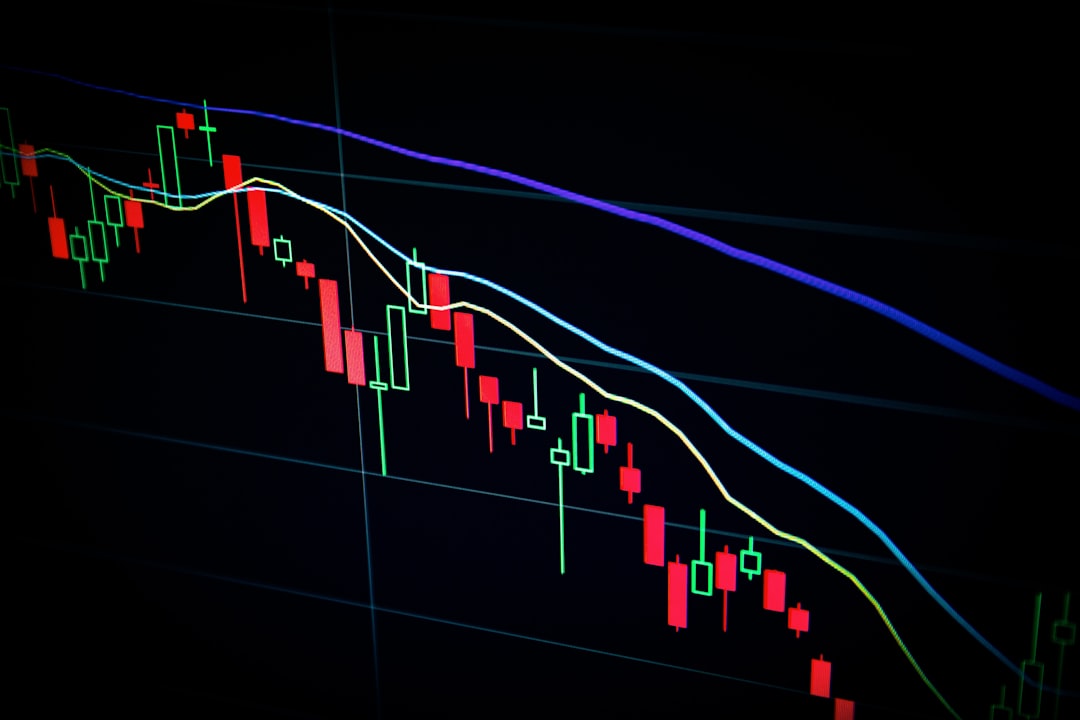
Bitcoin is even more publicly debated. Its price is volatile, its regulatory treatment varies by jurisdiction, and its technical nature can be misunderstood. Some see it as a long-term monetary innovation, while others view it primarily as a speculative asset. Both views influence market behavior.
In both cases, misunderstanding can lead to poor decisions. Bismuth should not be treated as a guaranteed investment simply because it is scarce. Bitcoin should not be treated as risk-free simply because its supply is fixed. Scarcity can support value, but it does not automatically create it.
Important Differences Still Matter
The similarities are useful, but the differences are just as important. Bismuth is tangible, industrial, and governed by chemistry. Bitcoin is intangible, monetary, and governed by protocol rules. Bismuth can be held in the hand, melted, alloyed, and used in manufacturing. Bitcoin can be transmitted globally, divided into tiny units, and stored as private keys.
These differences mean the two assets serve different purposes. Bismuth belongs primarily to the world of materials science and commodities. Bitcoin belongs to the world of digital networks and financial infrastructure. Comparing them is valuable not because they are interchangeable, but because the comparison highlights deeper principles of value.
Conclusion
Bismuth and Bitcoin share several meaningful characteristics: scarcity, verifiability, resistance to easy counterfeiting, production constraints, and a degree of independence from centralized issuance. They also show how value can arise from both natural properties and designed systems. Bismuth’s credibility comes from the physical laws that define an element; Bitcoin’s credibility comes from cryptography, open-source rules, and decentralized consensus.
A careful comparison does not exaggerate the relationship between a metal and a digital asset. Instead, it shows that trust can be built in different ways. Whether through atoms or algorithms, both bismuth and Bitcoin remind us that scarcity, verification, and utility remain central to how people assess value.

