
As file-sharing platforms continue to grow in popularity, users often prioritize convenience over caution. Bunkr is one such platform that has attracted attention for its simple upload and sharing features. But with increasing concerns about digital privacy, malware, and data misuse, many people are asking an important question: Is Bunkr safe to use? Understanding how the platform works, its risks, and how to protect yourself is essential before uploading or downloading any content.
TL;DR: Bunkr can be relatively safe when used cautiously, but like many file-hosting and sharing platforms, it carries privacy and security risks. Users may encounter questionable content, potential malware, and privacy concerns depending on how files are shared. Its safety largely depends on user behavior, device protection, and understanding the platform’s limitations. Taking precautions such as antivirus protection and avoiding suspicious links significantly reduces risk.
What Is Bunkr?
Bunkr is a file-hosting and sharing platform that allows users to upload, store, and distribute digital files. It is commonly used for sharing images, videos, and downloadable content through direct links. Unlike major cloud platforms with strict moderation and enterprise-grade security transparency, Bunkr has built a reputation as a platform that prioritizes ease of use and accessibility.
Its interface is typically lightweight and straightforward, allowing users to upload files quickly and generate shareable links without complex authentication layers.
While that simplicity may appeal to users, it can also raise concerns about regulation, content moderation, and long-term data security.
Is Bunkr Legitimate?
One of the first questions people ask is whether Bunkr is a legitimate service or a scam. The platform itself functions as a real file-hosting website and is not inherently fraudulent. However, legitimacy does not automatically equal safety.
There are three distinct considerations when evaluating legitimacy:
- Operational legitimacy: The platform performs the service it advertises—file hosting and sharing.
- Content legitimacy: Files hosted on the platform may vary widely in type, source, and legality.
- Security legitimacy: The level of data encryption, user protection, and privacy controls may not match industry-leading cloud providers.
Therefore, while Bunkr itself is not a scam site, the content shared through it can sometimes pose risks.
Potential Safety Risks of Using Bunkr
1. Malware and Malicious Downloads
As with many open file-sharing platforms, there is a possibility that some files uploaded by users may contain malware. Since uploads may not always undergo rigorous scanning, malicious actors can exploit such systems.
Users who download files without verifying their source risk:
- Viruses and trojans
- Ransomware
- Spyware
- Phishing redirects
Downloading from unknown or unverified sources significantly increases this risk.
2. Privacy Concerns
Another major question is how user data is handled. Safer platforms typically disclose detailed privacy policies explaining data collection, storage duration, and third-party sharing. If a platform lacks transparency, it becomes harder to assess how secure your personal data truly is.
Concerns may include:
- IP address logging
- Tracking cookies
- Data retention policies
- Third-party advertising exposure
Users who prioritize anonymity should carefully review privacy information before uploading sensitive files.
3. Content Moderation Issues
Because Bunkr allows users to upload content freely, moderation can vary. Some file-hosting platforms attract copyrighted, adult, or otherwise questionable material. While simply using the platform is not illegal, accessing or distributing unauthorized content may create legal issues depending on jurisdiction.

4. Link Sharing Risks
Files on Bunkr are typically accessed through shared URLs. When these links circulate on forums or social media, users may not know the original uploader. Clicking unfamiliar links always carries some risk, especially if they redirect through ad-heavy or suspicious pages.
How Bunkr Compares to Other File-Sharing Platforms
To better understand its safety profile, it helps to compare Bunkr with more established cloud storage services.
| Feature | Bunkr | Google Drive | Dropbox |
|---|---|---|---|
| Ease of Upload | Very Simple | Simple | Simple |
| Account Required | Sometimes Optional | Required | Required |
| Security Transparency | Limited Public Detail | High | High |
| Content Moderation | Variable | Strong | Strong |
| Enterprise Grade Encryption | Unclear | Yes | Yes |
| Common Use Case | Quick public sharing | Business and personal storage | Business collaboration |
This comparison illustrates that Bunkr may offer convenience, but it lacks the robust transparency and infrastructure of enterprise-level cloud providers.
Who Should Be Cautious?
While casual users sharing non-sensitive files may not encounter issues, certain groups should be particularly careful:
- Business professionals handling confidential documents
- Students submitting assignments containing personal data
- Content creators sharing copyrighted material
- Users downloading unknown files from public forums
For these groups, more secure alternatives may be advisable.
Best Practices for Using Bunkr Safely
If someone chooses to use Bunkr, following smart digital hygiene practices can significantly reduce risk.
Use Antivirus Software
Always keep antivirus and malware detection software active and updated before downloading files.
Avoid Sensitive Uploads
Do not upload documents containing personal identification, financial details, or private client information.
Verify Links
Only click on Bunkr links from trusted sources. If possible, confirm the file’s legitimacy with the sender.
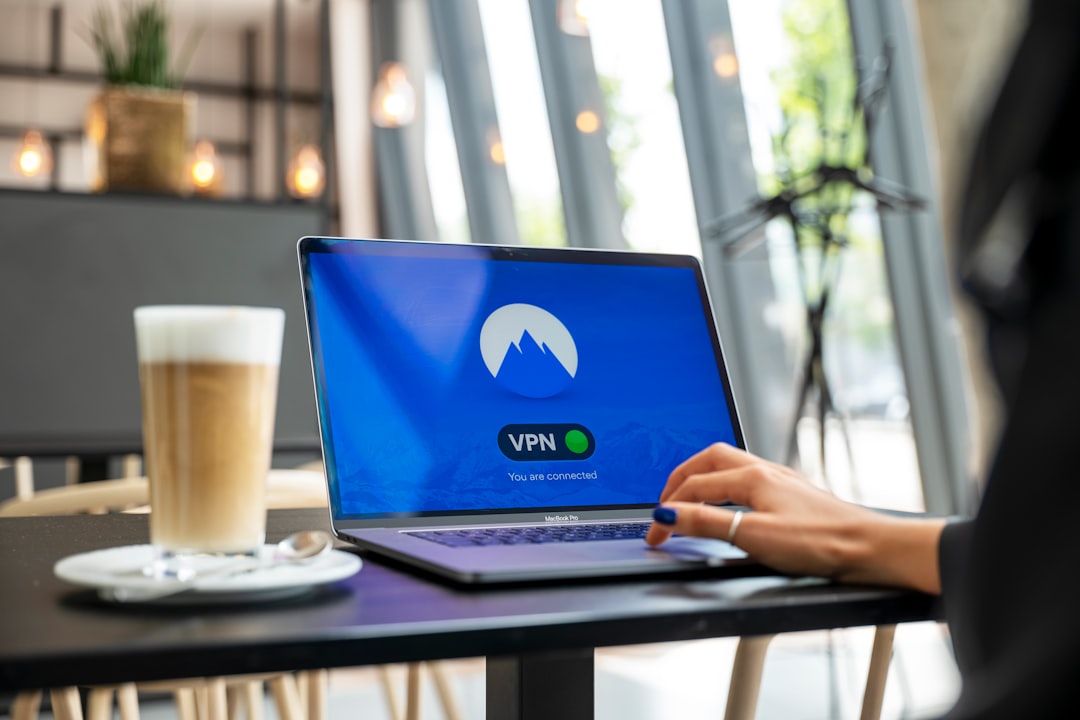
Use a VPN (If Privacy Is a Concern)
A VPN can mask IP addresses and add an extra layer of privacy.
Check File Extensions
Suspicious executable files (.exe, .bat, .scr) warrant extra caution.
Is Bunkr Safe for Uploading Personal Content?
This largely depends on the sensitivity of the content. Uploading casual photos or non-confidential files may present minimal risk. However, sharing personal identification documents, contracts, private archives, or financial information is generally not recommended unless the platform provides verified encryption and strict access control.
Users should assume that any file uploaded to a lightly regulated sharing service could potentially be accessed or reshared beyond their control.
Legal Considerations
Bunkr itself provides hosting services, but users are responsible for the content they upload or download. Sharing copyrighted materials without permission may violate intellectual property laws. Additionally, accessing restricted content could have legal consequences depending on local regulations.
Users should familiarize themselves with local digital copyright laws before using any file-sharing service for distribution.
Final Verdict: Is Bunkr Safe?
Bunkr is not inherently dangerous, but it is not risk-free either. Its convenience and low barrier to entry make it appealing for quick sharing, yet those same traits can reduce accountability and oversight. Compared to enterprise cloud platforms, it offers less transparency regarding encryption, moderation, and data governance.
For low-risk, non-sensitive files and careful downloading practices, Bunkr may be reasonably safe. However, for business, confidential, or legally sensitive content, more secure alternatives are generally the better choice.
Frequently Asked Questions (FAQ)
1. Is Bunkr legal to use?
Yes, using Bunkr as a file-hosting platform is generally legal. However, uploading or downloading copyrighted or illegal content may violate laws depending on your country.
2. Can Bunkr files contain viruses?
Yes. Like any open file-sharing platform, users can upload malicious files. Always scan downloads with antivirus software before opening them.
3. Does Bunkr store personal data?
The platform may collect certain technical data such as IP addresses or cookies. Users should review its privacy policy for specific details on data handling practices.
4. Is Bunkr safer than Google Drive or Dropbox?
In terms of security infrastructure and transparency, established platforms like Google Drive and Dropbox typically offer stronger encryption and clearer security policies.
5. Should businesses use Bunkr?
Businesses handling confidential or regulated information should consider enterprise-grade storage solutions with formal compliance certifications.
6. How can users minimize risk when using Bunkr?
They can use updated antivirus software, avoid suspicious links, refrain from uploading sensitive data, and verify file sources before downloading.
7. Is it safe to click random Bunkr links?
No. Clicking random or unsolicited links always poses some security risk. Only access files from trusted and verified sources.
Ultimately, digital safety comes down to informed decision-making. Bunkr may serve a purpose for casual file sharing, but users should approach it with awareness, caution, and appropriate security measures in place.

