

Brands should negotiate influencer partnerships by tying every fee to clear deliverables, usage rights, timing, approval rules, and measurable goals. A good deal is not the lowest rate; it is the cleanest match between audience, content quality, scope, and expected return.
TLDR: Influencer negotiation works best when a brand enters the conversation with a budget range, a brief, and a list of non-negotiable campaign terms. For example, a skincare brand paying $1,200 for one Reel, three Stories, and 30 days of paid usage may ask for a 2.5% engagement rate, 20,000 expected views, and tracked link clicks before approval. If an influencer asks for more, the brand can reduce usage rights, shorten the campaign window, or swap cash for product value. The goal is a fair agreement that protects both sides and makes results easy to judge.
Start With the Business Goal, Not the Influencer Rate
Many bad negotiations begin with one question: “What is the creator’s rate?” That skips the part that matters most. The brand must first define the campaign goal.
- Awareness: reach, impressions, views, follower growth.
- Traffic: link clicks, landing page visits, cost per click.
- Sales: promo code use, affiliate revenue, conversion rate.
- Content: usable photos, videos, testimonials, whitelisted ads.
A creator with 40,000 followers may be worth more than one with 250,000 if the smaller creator drives stronger comments, better trust, and cleaner content. Follower count is a clue, not a price tag.
Understand What Influencer Rates Usually Include
Influencer rates vary by niche, platform, audience quality, workload, and commercial value. A simple static post costs less than a scripted video with revisions, product testing, and paid ad rights.
Common rate factors include:
- Platform: TikTok, Instagram, YouTube, LinkedIn, Pinterest, or blog.
- Format: Reel, Story, carousel, livestream, short video, long video, newsletter.
- Production level: casual phone content or polished studio-style content.
- Exclusivity: limits on working with competing brands.
- Usage rights: whether the brand can reuse content in ads, email, or website pages.
- Time frame: one post, a monthly package, or a longer ambassador deal.
As a rough working range, nano influencers may charge $50 to $500 per post, micro influencers may charge $300 to $2,500, and mid-tier influencers may charge $2,000 to $10,000 or more. Celebrity creators can charge far beyond that. These numbers are only starting points. Real value comes from fit and proof.
Ask for a Media Kit and Recent Analytics
A brand should request recent platform data before discussing final pricing. Screenshots from the last 30 to 90 days are more useful than polished claims in a media kit.
The review should cover:
- Average views per video.
- Story views and sticker taps.
- Engagement rate by post type.
- Audience location, age, and gender split.
- Past brand results, if available.
- Fake follower or odd engagement signs.
It drives teams crazy that some creators still send follower count only, as if one number explains sales potential. It does not. A creator with 8,000 real buyers may beat a creator with 80,000 passive scrollers.
Define Deliverables With Painful Clarity
Deliverables must be specific. Vague language causes delays, weak content, and awkward payment disputes.
A strong deliverables section may say:
- One Instagram Reel, 30 to 45 seconds long.
- Three Instagram Stories with link sticker and brand tag.
- One raw vertical video file sent within five business days.
- Caption to include approved product name, discount code, and disclosure.
- Post to stay live for at least 12 months.
The brand should also clarify whether music, subtitles, product demo shots, voiceover, or before-and-after claims are allowed. Regulated industries, such as skincare, finance, supplements, and healthcare, need extra care with claims.
Negotiate Without Insulting the Creator
Good negotiation respects the creator’s work. Influencers shoot, edit, write, publish, answer comments, and risk audience trust. Lowball offers often damage the relationship before it begins.
If the rate is too high, the brand can adjust the scope instead of pushing for a random discount. Possible trade-offs include:
- Reduce the number of posts.
- Remove paid ad usage rights.
- Shorten exclusivity from 90 days to 30 days.
- Offer a longer contract with fewer monthly deliverables.
- Add product, affiliate commission, or performance bonuses.
- Ask for raw content instead of another public post.
A fair response might be: “The quoted rate is above the campaign budget. The brand can approve $1,500 for one Reel and two Stories, or $2,200 if 30-day paid usage is included. Which option works better?”
Put Contract Terms in Writing
A handshake deal is not enough. Even friendly creator deals need a written contract. The contract protects payment, content ownership, approvals, and deadlines.
Core terms should include:
- Parties: legal names of the brand, agency, and creator.
- Scope: exact deliverables and platforms.
- Timeline: draft deadlines, posting dates, and campaign end date.
- Compensation: fee, payment schedule, product value, bonuses, and taxes.
- Approval process: number of revisions and response deadlines.
- Usage rights: where, how, and how long the brand may use the content.
- Exclusivity: competitors the creator cannot promote, and for how long.
- Disclosure: required ad labels and compliance duties.
- Cancellation: what happens if products arrive late or a post misses the date.
Usage rights deserve special care. If a brand wants to run the creator’s video as a paid ad for six months, that has real value. The rate should reflect it.
Set Approval Rules That Do Not Kill the Content
Creators know their audience. Brands know their legal risks and product claims. Both sides need room.
The contract should define one or two rounds of revisions. More than that slows the schedule and drains energy. Honestly, it feels like some approval chains add three extra days just to change one harmless adjective. That is how content starts to sound fake.
The best briefs include required points, banned claims, brand tone, product facts, and sample hooks. They do not script every breath. Over-control often hurts performance.
Track Results After Posting
Every campaign needs tracking. Without it, the brand is guessing.
Useful tracking tools include:
- UTM links.
- Unique discount codes.
- Affiliate links.
- Platform screenshots after 24 hours, 7 days, and 30 days.
- Post-campaign sales and traffic reports.
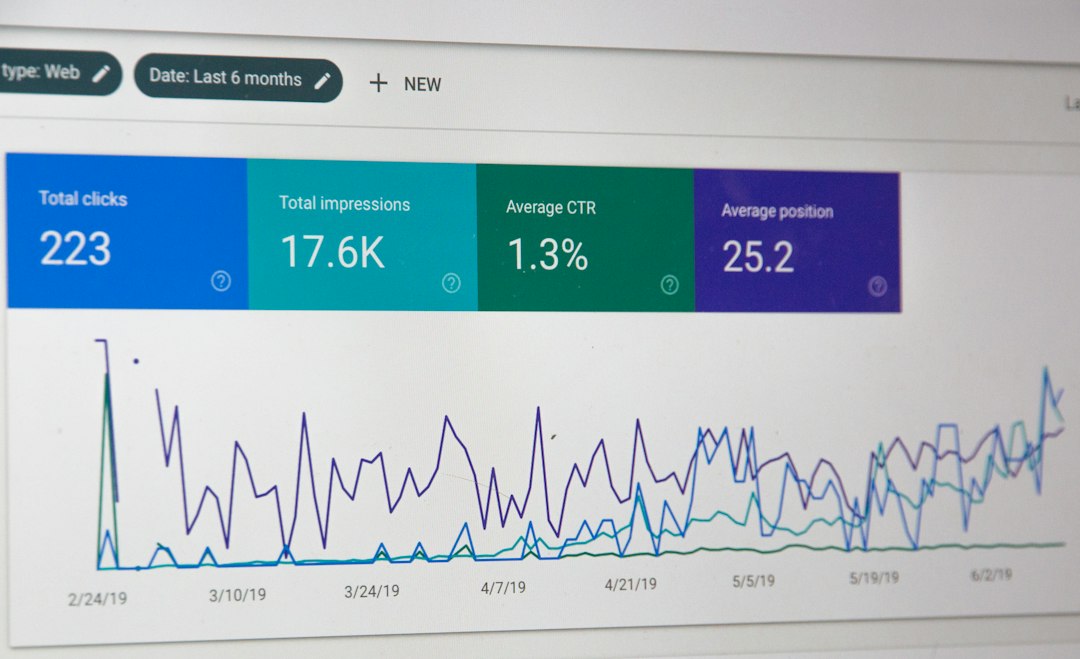
A simple scorecard can compare cost per view, cost per click, engagement rate, saves, shares, and revenue. If one creator delivers a $1.80 cost per click while another delivers $6.40, future budget decisions become much easier.
Build Partnerships, Not One-Off Transactions
The strongest influencer deals often come from repeat work. Audiences need to see products more than once. Creators also perform better after testing the product and learning brand preferences.
A brand can start with a small paid test. If results are strong, it can offer a three-month package, ambassador role, or affiliate bonus. The relationship should still have clear terms, but the tone can become more collaborative.
Strong partners share content ideas, warn about weak hooks, and explain what their audience dislikes. That input can save money and improve creative quality.
FAQ
How much should a brand pay an influencer?
Payment depends on audience quality, deliverables, platform, content rights, and expected business value. Smaller creators may charge a few hundred dollars, while larger creators may charge thousands per asset.
Can a brand negotiate influencer rates?
Yes. A brand can negotiate scope, timing, usage rights, exclusivity, and bonus structure. It should avoid demanding a lower fee without changing the workload.
What should be included in an influencer contract?
The contract should include deliverables, deadlines, payment terms, approval rules, usage rights, exclusivity, disclosure requirements, cancellation terms, and reporting duties.
Are free products enough payment?
Sometimes, but usually only for small creators or low-effort content. If the brand needs polished work, usage rights, or strict deadlines, cash payment is usually expected.
What is the biggest mistake brands make?
The biggest mistake is buying follower count instead of audience trust, content quality, and measurable results. Clear terms and recent analytics reduce that risk.

