

Building a fintech application starts with one decision: what money problem the product will solve. A budgeting app, lending platform, payment wallet, or investing tool all need different features, rules, and costs. Global fintech revenue could reach $1.5 trillion by 2030, so the market is large, but users will leave fast if payments fail or onboarding feels painful [source: BCG].
TLDR: A fintech app needs secure onboarding, account management, payments, compliance checks, alerts, and clear reporting. For example, a small business wallet may need card payments, bank transfers, KYC checks, and instant balance updates from day one. A basic MVP can cost around $40,000 to $90,000, while a full banking or lending product can pass $250,000. The best approach is to start small, test with real users, then add more complex money flows.
Core fintech app features
A fintech application must feel simple on the surface. Behind the screen, it has to handle identity, money movement, risk, and audit trails. That mix is why fintech software takes longer than a normal marketplace or booking app.
- User registration and login: Email, phone, biometrics, social login, and multi-factor login should be supported.
- KYC and identity checks: The app may need document scanning, selfie checks, proof of address, and sanctions screening.
- User dashboard: Users should see balances, transfers, cards, loans, rewards, or portfolio data in one clean view.
- Payments and transfers: The app may support cards, bank transfers, wallets, QR payments, or peer-to-peer payments.
- Transaction history: Filters, receipts, status labels, and export options reduce support tickets.
- Notifications: Push, SMS, and email alerts help users track deposits, failed payments, login attempts, and fraud warnings.
- Admin panel: Staff need tools for user review, transaction checks, refunds, limits, and blocked accounts.
- Analytics and reporting: The business team needs churn data, payment success rates, fraud flags, and support trends.
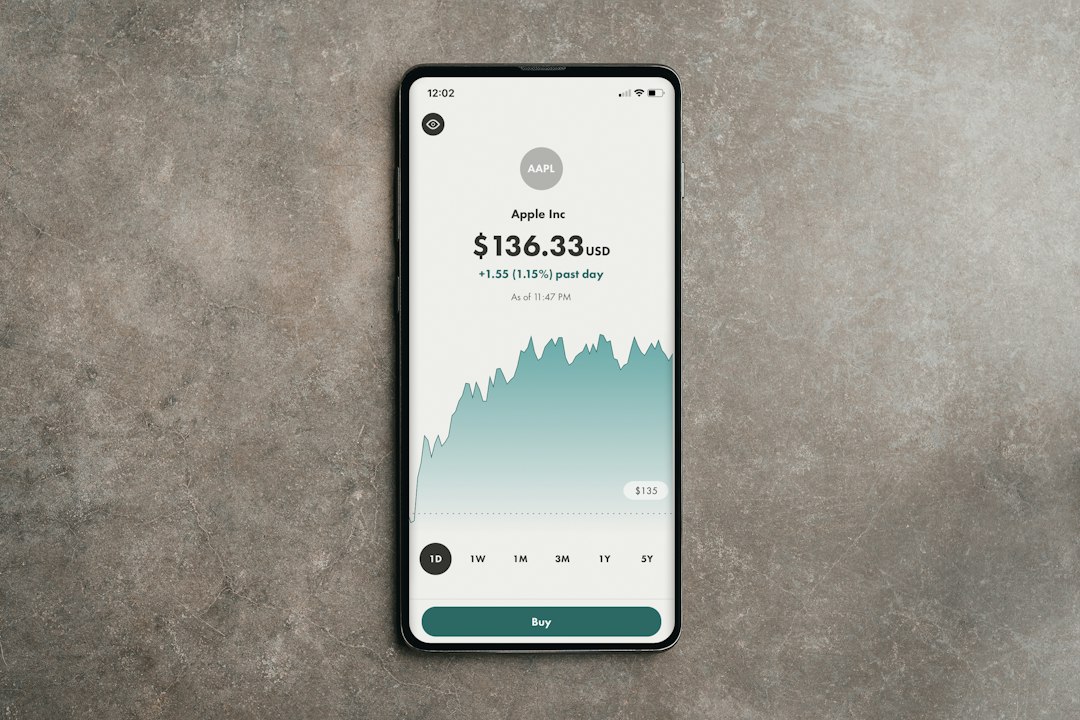
Payment integrations to consider
Payment integrations shape the app more than many founders expect. Honestly, it feels like a tiny redirect that takes five seconds too long can make users abandon a payment. That is painful when acquisition costs are high.
Common options include Stripe, Adyen, PayPal, Checkout.com, Square, and local bank APIs. The right option depends on country coverage, supported currencies, payout speed, fees, fraud tools, and dispute handling.
- Card payments: Useful for wallets, subscriptions, bill payments, and merchant apps.
- Bank transfers: Good for larger payments, payroll, lending, and account funding.
- Open banking APIs: Helpful for account aggregation, affordability checks, and faster bank payments.
- Digital wallets: Apple Pay, Google Pay, and regional wallets can improve checkout speed.
- Crypto payments: Only suitable when regulation, volatility, and custody risks are handled with care.
The product team should also plan for failed payments, chargebacks, refunds, partial refunds, payout delays, and payment status mismatches. These boring edge cases cause the biggest mess later.
Security requirements
Security cannot be saved for the end. A fintech app deals with personal data, financial records, and sometimes stored payment details. A weak setup can create legal issues and destroy trust.
- Data encryption: Sensitive data should be encrypted in transit and at rest.
- Multi-factor authentication: MFA adds protection for logins, transfers, and profile changes.
- Role-based access: Employees should only see the data needed for their role.
- PCI DSS compliance: Apps that process card data must follow payment card security rules [source: PCI SSC].
- Fraud monitoring: The system should flag strange login locations, payment spikes, and repeated failed attempts.
- Audit logs: Every critical action should be recorded for reviews and disputes.
- Secure APIs: APIs need rate limits, strong tokens, request signing, and input checks.

Development process
A fintech build usually starts with product discovery. The team defines users, money flows, legal duties, and must-have features. Next comes UX design, technical planning, backend development, mobile or web development, third-party integrations, testing, and release.
An MVP should not try to copy a bank. It should prove one clear use case. For example, a lending MVP may only need borrower onboarding, credit checks, loan offers, e-signatures, repayments, and admin review. Extra features can wait.
Fintech app development costs
Costs depend on region, scope, compliance needs, and integration complexity. A simple personal finance app may cost $40,000 to $70,000. A payment app or wallet may cost $80,000 to $180,000. A lending, trading, or banking product can cost $200,000 to $500,000+.
- Discovery and design: $8,000 to $30,000
- Frontend development: $25,000 to $100,000
- Backend development: $35,000 to $150,000
- Payment integrations: $10,000 to $60,000
- Security and compliance: $15,000 to $100,000+
- Testing and launch: $10,000 to $50,000
Expect to waste time on vendor approvals, sandbox bugs, and missing bank documentation. It is annoying, but normal. A safe budget also includes maintenance, cloud hosting, monitoring, legal review, and support tools.
FAQ
- How long does it take to build a fintech app?
Most MVPs take 4 to 7 months. Complex banking or trading products can take 9 months or more. - What is the most important feature?
Secure onboarding is usually first. If users cannot pass identity checks or trust the app, nothing else matters. - Does every fintech app need KYC?
No. Budgeting apps may not need full KYC. Apps that move money, lend, invest, or issue cards often do. - Can a startup use Stripe or PayPal at launch?
Yes, if those services support the target region and business model. Some fintech products still need banking partners. - What raises fintech development costs the most?
Compliance, fraud controls, bank integrations, real-time data, and security testing raise costs fast.

