
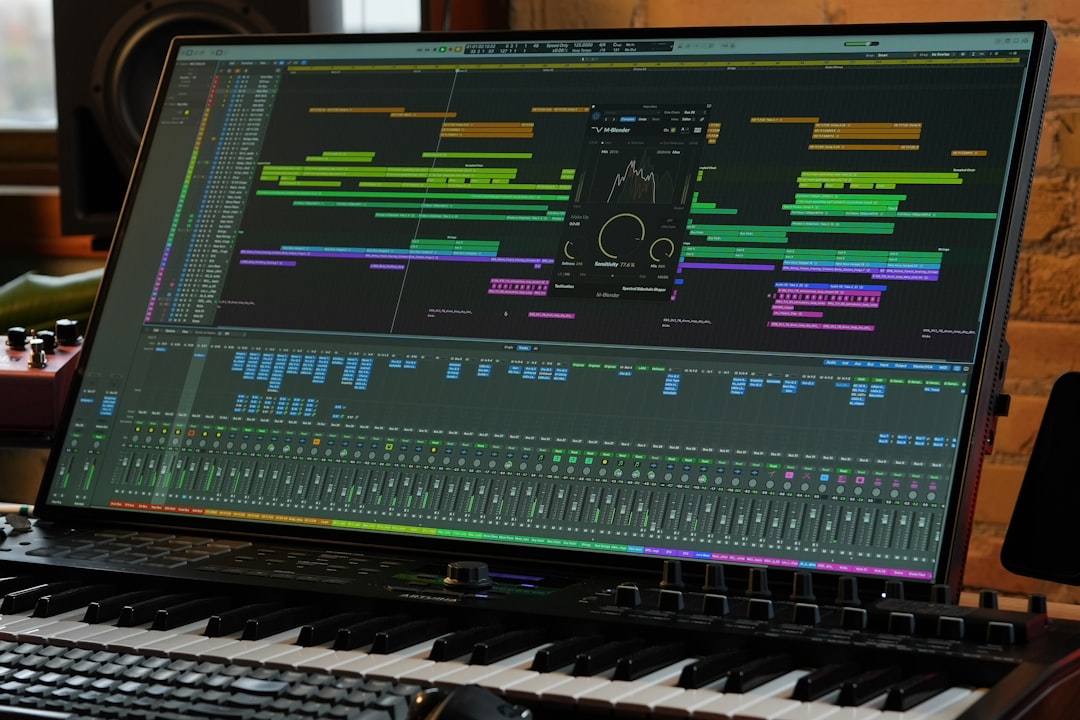
In the world of live music performance, few tools have transformed the craft as dramatically as DJ software platforms. Programs like Virtual DJ have revolutionized the way DJs mix, remix, and perform, replacing bulky crates of vinyl and racks of CDs with powerful, portable digital systems. Whether performing at a nightclub, private event, music festival, or streaming from a home studio, modern DJs rely on software to deliver seamless transitions, creative mashups, and high-energy sets that keep crowds moving.
TLDR: DJ software platforms like Virtual DJ allow performers to mix music digitally using laptops and controllers. They offer powerful tools such as beat matching, effects, looping, and real-time track analysis that simplify live performance while expanding creativity. These platforms are essential for modern DJs across clubs, festivals, and livestream platforms. Choosing the right software depends on your skill level, hardware setup, and performance style.
At its core, DJ software simulates traditional DJ equipment—turntables, mixers, and CDJs—within a digital interface. However, modern platforms go far beyond simple simulation. They integrate advanced audio analysis, automation tools, and creative effects that were impossible in analog environments. This combination of accessibility and innovation has made software like Virtual DJ an industry staple.
The Evolution of DJ Software
Before digital platforms became dominant, DJs relied heavily on physical media. Vinyl required precision beat matching by ear. CDs added portability but still limited flexibility. The emergence of MP3 files and laptops introduced a new era where thousands of tracks could fit in one device.
Virtual DJ, launched in the early 2000s, quickly gained popularity for its user-friendly interface and powerful functionality. It helped bridge the gap between beginner DJs and seasoned professionals by offering:
- Automatic beat detection
- Pitch and tempo control
- Looping and cue points
- Built-in effects
- Video mixing capabilities
As computing power increased, DJ software became more stable and responsive, capable of handling complex effects chains and real-time sound manipulation without latency issues.
Key Features of Platforms Like Virtual DJ
What makes DJ software so powerful is its comprehensive feature set. These tools provide both efficiency and creative freedom during live performances.
1. Beat Matching and Sync
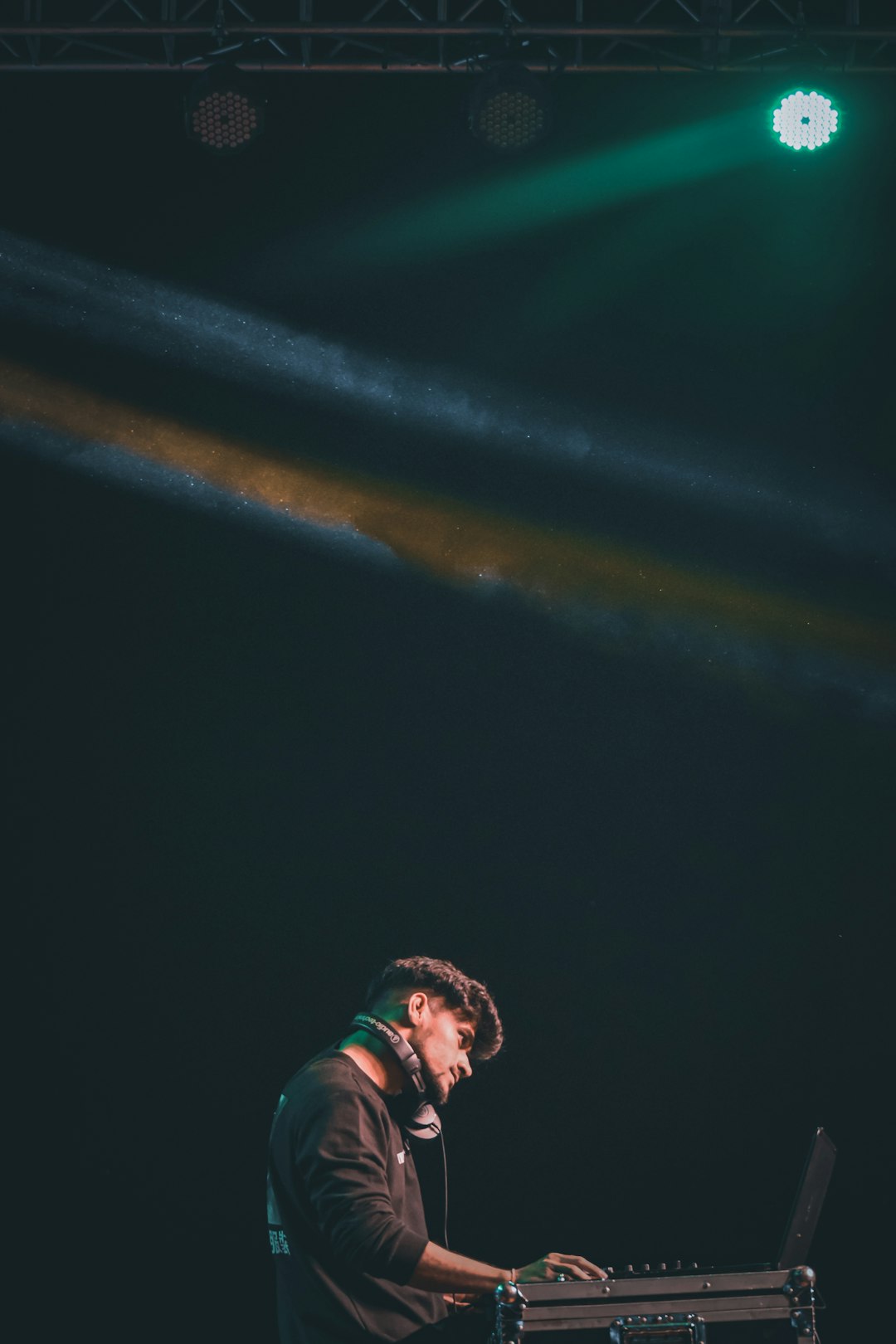
One of the biggest challenges in traditional DJing is matching tempos between songs. Modern software automatically analyzes track BPM (beats per minute) and aligns tracks with the press of a button. While some purists prefer manual beat matching, sync functions allow DJs to focus more on creativity and crowd engagement.
2. Waveform Visualization
Waveforms provide a visual representation of a track’s dynamics—showing beats, drops, breakdowns, and vocals. DJs can anticipate transitions more accurately and create tighter mixes. Color-coded waveforms further simplify track layering.
3. Looping and Cue Points
Looping enables DJs to repeat sections of a track, useful for extending dance breaks or building anticipation. Cue points allow instant jumping to specific parts of a song, essential for live remixing and quick edits.
4. Built-in Effects
Effects such as reverb, echo, flanger, and filters enhance live sets. DJs can apply them rhythmically or dramatically to elevate energy levels on the dance floor. Advanced users even chain multiple effects for unique sound design.
5. Video and Karaoke Support
Unlike some competitors, Virtual DJ supports video mixing and karaoke hosting. This versatility makes it popular among mobile DJs and event entertainers who need to offer more than just music playback.
Integration with DJ Controllers
Although DJ software can operate with just a mouse and keyboard, most performers use DJ controllers. These physical devices mimic traditional mixers and turntables while connecting directly to software.
Controllers typically include:
- Jog wheels for scratching and track manipulation
- Performance pads for triggering samples and loops
- EQ knobs and channel faders
- Crossfaders for blending tracks
- Dedicated effects controls
The integration between hardware and software creates a tactile experience that closely resembles classic DJ setups, while still benefiting from digital precision.
Benefits for Beginners and Professionals
One of the reasons platforms like Virtual DJ have remained so popular is their accessibility. They serve both newcomers and seasoned professionals.
For Beginners
- User-friendly interface simplifies learning.
- Automated features reduce technical barriers.
- Affordable entry options make it budget-friendly.
- Online tutorials and community support accelerate progress.
Beginners can start practicing basic transitions almost immediately, gradually mastering manual techniques as their skills grow.
For Professionals
- Advanced mapping customization
- High-quality audio engine
- Support for large music libraries
- Integration with streaming services
- Real-time stem separation technology
Stem separation is particularly revolutionary. It allows DJs to isolate vocals, drums, bass, or instruments from a track in real time. This makes live mashups and remixes more dynamic than ever before.
Comparing Virtual DJ to Other Platforms
Virtual DJ competes with several notable platforms, including:
- Serato DJ
- Rekordbox
- Traktor Pro
- Mixxx (open-source)
Each platform has strengths. Serato is widely used in hip-hop and scratch communities. Rekordbox integrates tightly with Pioneer club hardware. Traktor appeals to electronic music producers and advanced sound designers. Virtual DJ stands out for its flexibility, hardware compatibility, and feature richness—even without expensive gear.
Ultimately, the best software depends on:
- Your musical genre
- Your preferred hardware
- Your performance environment
- Your technical skill level
Live Performance and Reliability
In live settings, reliability is everything. A crashed laptop or frozen software can end a performance instantly. Modern DJ platforms prioritize stability through optimized audio drivers and frequent updates.
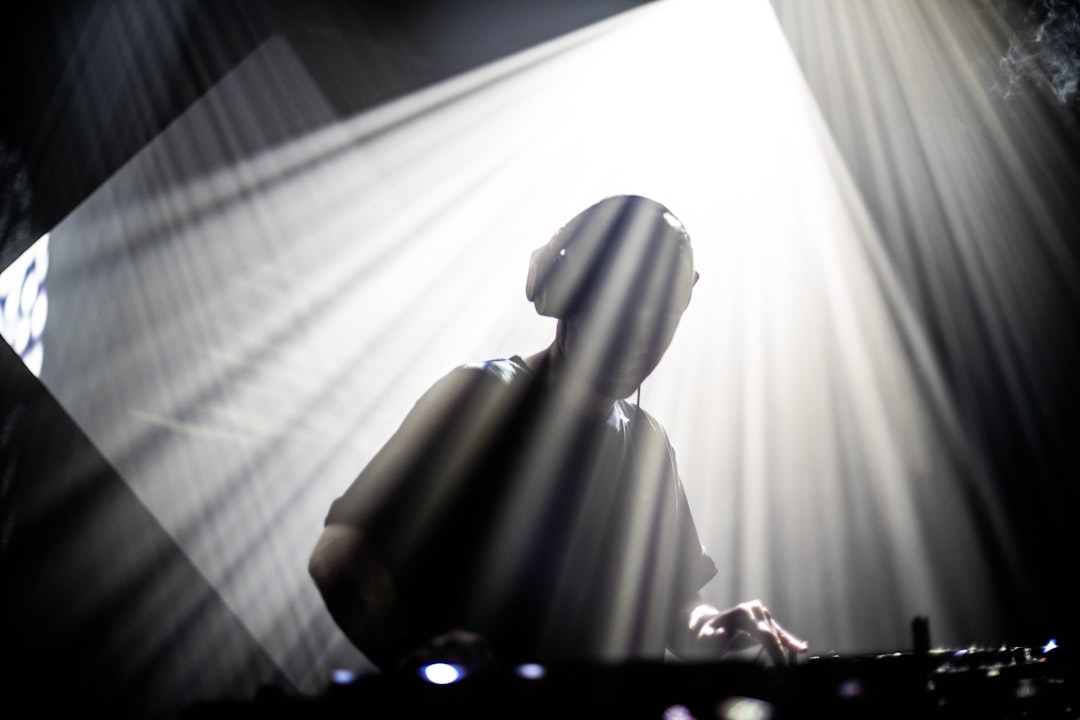
Professional DJs often take additional precautions such as:
- Using high-performance laptops
- Keeping software updated
- Maintaining backup USB drives
- Carrying secondary audio sources
- Testing equipment before events
When properly configured, DJ software can run smoothly for hours without interruption, even during demanding festival sets.
The Rise of Streaming and Online DJing
The growth of live streaming has expanded how DJs use software. Platforms like Virtual DJ integrate with broadcasting tools, enabling performers to stream directly to social media or online radio stations.
This shift has created new opportunities:
- Global audience reach
- Remote performances
- Online DJ competitions
- Monetization through digital tipping
For many artists, DJ software has become both a creative instrument and a broadcasting hub.
Customization and Creative Freedom
Another standout feature of platforms like Virtual DJ is deep customization. DJs can remap controller buttons, create custom skins, design scripted effects, and tailor workflows to their style.
This flexibility supports diverse DJ personas:
- The Turntablist focusing on scratching
- The EDM Performer emphasizing drops and effects
- The Mobile DJ prioritizing playlist management and requests
- The Open Format DJ blending multiple genres seamlessly
Because the software adapts to the performer—not the other way around—it fosters individuality and experimentation.
Getting Started with DJ Software
If you are interested in trying DJ software for live mixing, the entry process is straightforward:
- Download the software (many offer free versions).
- Install it on a capable laptop.
- Import your music library.
- Practice transitions and effects.
- Add a compatible controller when ready.
Consistency in practice is key. Even with sync features, developing an ear for phrasing, timing, and energy flow separates hobbyists from skilled performers.
The Future of DJ Platforms
The future of DJ software is likely to be shaped by artificial intelligence and cloud integration. Advances already include:
- AI-powered track suggestions
- Real-time stem separation improvements
- Cloud-based library synchronization
- Automated harmonic mixing guidance
As these tools evolve, DJs will gain even more creative power while streamlining technical tasks. However, technology will always be just that—a tool. The heart of DJing remains track selection, timing, and the emotional connection with the audience.
Conclusion
DJ software platforms like Virtual DJ have fundamentally changed live mixing. They combine the tactile essence of traditional DJing with the convenience and innovation of digital technology. From beginners practicing at home to headline festival performers commanding massive crowds, these tools make high-quality mixing more accessible than ever.
While the debate between analog purists and digital adopters continues, there’s no denying the impact of DJ software on modern music culture. With continual advancements in features, reliability, and integration, platforms like Virtual DJ are not just tools—they are the backbone of contemporary live DJ performance.

