
Klaviyo is the stronger CRM-style platform for Shopify brands that care most about segmentation, retention analytics, and scale, while Omnisend is the better pick for smaller teams that want faster setup and more channels out of the box. Shopify merchants generated $9.3 billion in Black Friday Cyber Monday sales in 2023, so even a small lift in repeat purchases or abandoned cart recovery can create serious revenue [source: Shopify].
TLDR: Choose Klaviyo if your Shopify brand has a growing list, repeat buyers, multiple product categories, and a real need for customer data. Choose Omnisend if you want email, SMS, push notifications, and simple automation without spending hours tuning every segment. For example, a store with 40,000 subscribers, a 2.5% email conversion rate, and a $75 average order value only needs about 54 extra monthly orders to add more than $4,000 in revenue. That is where the right CRM choice starts to matter.
What Shopify Brands Really Need from a CRM
For Shopify, “CRM” usually means more than storing customer names. It means tracking behavior, grouping shoppers, sending timely messages, and turning one-time buyers into repeat customers. A good ecommerce CRM should connect customer data with action.
That includes:
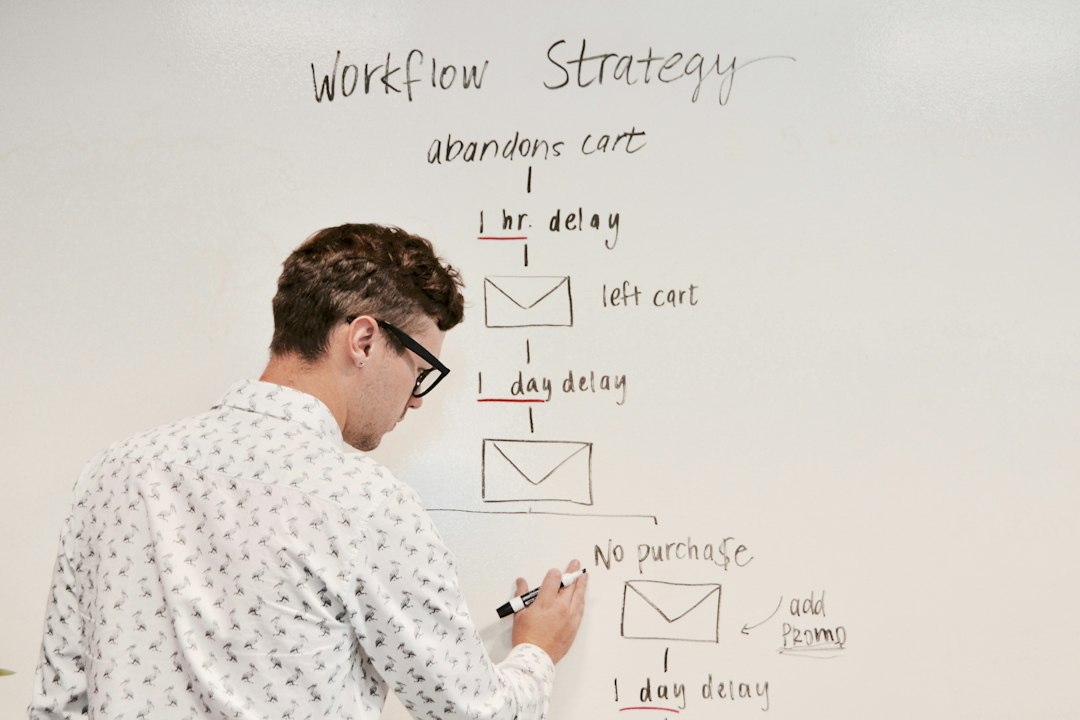
- Abandoned cart emails that trigger fast and feel personal.
- Post-purchase flows that encourage second orders.
- Segments based on purchase history, product interest, location, and engagement.
- Campaign tools for launches, sales, and seasonal pushes.
- Revenue reporting that shows what actually made money.
Klaviyo and Omnisend both do these things. The difference is how deep they go, how much work they demand, and how quickly your team can move.
Klaviyo: Best for Data-Driven Shopify Growth
Klaviyo is built for brands that want to get specific. Very specific. You can create segments like “customers who bought running shoes twice, opened an email in the last 30 days, but have not bought socks.” That level of control is powerful.
Its Shopify integration is one of its strongest points. Product views, checkout starts, orders, refunds, profile data, and custom events can all feed into automated flows. That makes Klaviyo feel less like a newsletter tool and more like a customer intelligence hub.
Where Klaviyo wins:
- Advanced segmentation: Ideal for brands with large catalogs or many buyer types.
- Predictive analytics: Useful for estimated next order date, customer lifetime value, and churn risk.
- Detailed reporting: Strong revenue attribution and flow performance metrics.
- Personalization: Great for product recommendations and behavior-based messaging.
- Scalability: Better suited for brands moving from six figures to seven or eight figures in revenue.
The catch is that Klaviyo can feel heavy. There are many settings, many reports, and many ways to build the same flow. It drives me crazy that simple campaign checks can take longer than expected because there are so many panels to review. For a solo founder, that can feel like overkill.
Pricing can also rise quickly as your list grows, especially if you add SMS. Klaviyo publishes pricing by profile count and message volume [source: Klaviyo]. For brands with strong margins, that cost can be worth it. For stores still hunting for product-market fit, it may sting.
Omnisend: Best for Speed, Simplicity, and Multichannel Messaging
Omnisend is easier to start with. The interface feels more direct, and the platform is friendly to teams that want to launch useful automations without hiring an email specialist.
Its biggest appeal is the mix of channels. Email, SMS, and web push sit together in one workflow builder. That helps brands reach shoppers in more than one place without stacking several tools. A small team can build a welcome series, cart recovery flow, browse abandonment flow, and post-purchase sequence in a weekend.
Where Omnisend wins:
- Fast setup: Templates and prebuilt automations reduce blank-page stress.
- Multichannel flows: Email, SMS, and push notifications are easy to combine.
- Beginner-friendly design: The builder is cleaner and less intimidating.
- Good value: Strong feature set for growing stores with tighter budgets.
- Useful ecommerce blocks: Product pickers, discount codes, and order-based triggers are straightforward.
Honestly, it feels like Omnisend respects your time a bit more during setup. You do lose some depth compared with Klaviyo, especially in complex segmentation and analytics. But not every Shopify brand needs a maze of filters and forecasts. Sometimes you need the campaign shipped by Friday.

Email Automation: Which One Performs Better?
For pure email automation, Klaviyo has the edge. Its flow builder gives you deeper logic, better splits, and more useful customer conditions. If you want different paths for VIP buyers, discount shoppers, first-time customers, and churn risks, Klaviyo handles that well.
Omnisend is not weak here. Its automations cover the main ecommerce needs. Welcome series, abandoned cart, order confirmation, product abandonment, and reactivation campaigns are easy to create. For many small and mid-sized Shopify brands, that is enough.
A practical split looks like this:
- Use Klaviyo if email is one of your top revenue channels and you plan to test often.
- Use Omnisend if you want reliable automations with less setup time.
Segmentation and Customer Data
This is Klaviyo’s strongest area. If your store sells skincare, supplements, fashion, pet products, or anything with repeat buying behavior, segmentation can lift revenue without sending more emails. Better targeting often beats higher volume.
You can create groups based on:
- Products viewed or bought
- Purchase frequency
- Average order value
- Predicted lifetime value
- Email and SMS engagement
- Time since last purchase
Omnisend offers segmentation too, and it is good for common use cases. You can target engaged subscribers, recent buyers, inactive customers, and product-based groups. It just feels less advanced when you need layered logic.
SMS, Push, and Multichannel Engagement
If SMS and push notifications matter to your plan, Omnisend becomes more attractive. Its multichannel workflow builder is simple and practical. You can send an email first, follow up with SMS, then add a push notification for shoppers who still have not purchased.
Klaviyo also supports SMS, and it can be very effective. The better choice depends on your style. Klaviyo suits brands that want tight data control across email and SMS. Omnisend suits brands that want to launch multichannel campaigns with less friction.
Reporting and Revenue Attribution
Klaviyo gives more detailed reporting. You can see flow revenue, campaign revenue, customer lifetime value trends, cohort behavior, and predictive metrics. For a growth team, those details help decide what to test next.
Omnisend reporting is cleaner and easier to read. That can be a strength. Not every operator wants ten dashboards. Sometimes you just need to know which campaign sold more and which automation needs fixing.
Best Choice by Brand Type
- New Shopify store: Omnisend. Faster setup and easier learning curve.
- Small team with limited time: Omnisend. Less fuss, more speed.
- Growing DTC brand: Klaviyo. Better segmentation and analytics.
- Large catalog store: Klaviyo. Stronger personalization and product targeting.
- SMS-heavy brand: Omnisend for simplicity, Klaviyo for deeper data use.
- Retention-focused brand: Klaviyo. Stronger tools for repeat purchases and churn prevention.
Final Verdict
Klaviyo is the best CRM for Shopify brands that want serious customer engagement, deeper segmentation, and stronger retention analytics. It is the better long-term choice for brands with growing customer lists, repeat purchase cycles, and the budget to support more advanced marketing.
Omnisend is the smarter choice for brands that want speed, simplicity, and multichannel campaigns without a steep learning curve. It gives you enough power to recover carts, welcome new subscribers, re-engage buyers, and send SMS or push messages from one place.
If your team loves data and tests every week, pick Klaviyo. If your team is small and tired of tools that need three tutorials before lunch, pick Omnisend. Both can grow Shopify revenue. The better CRM is the one your team will actually use well.

