
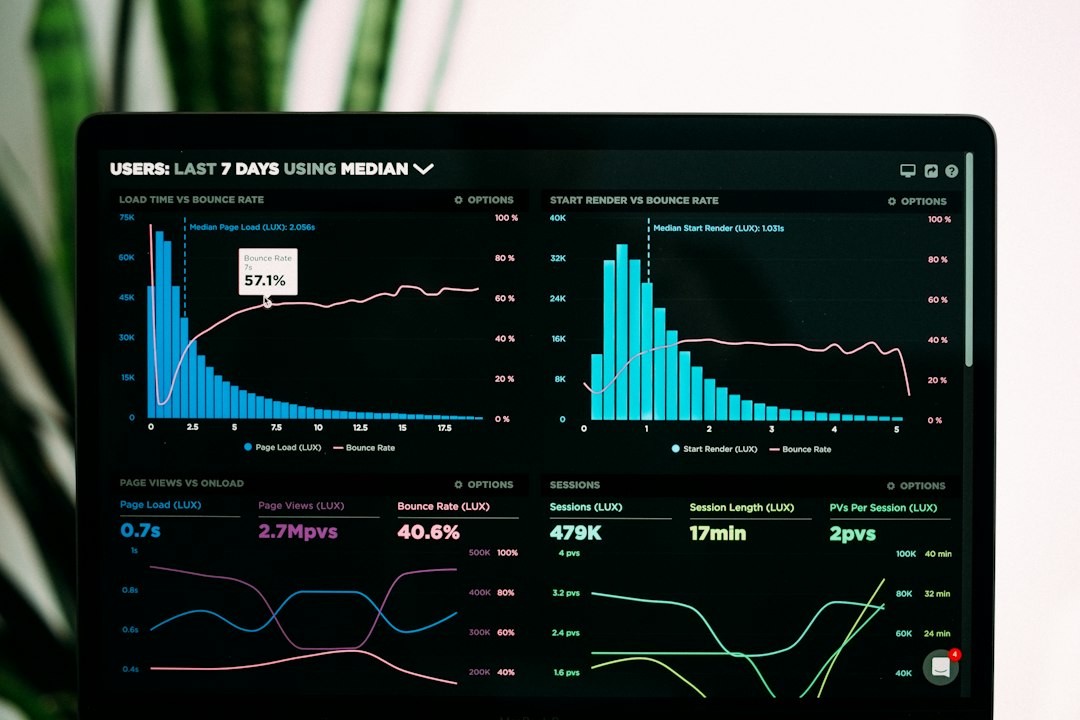
Growing B2B companies should choose ecommerce website development services that cover strategy, platform selection, integrations, UX, automation, and long-term support. Digital buying is no longer a side channel; McKinsey reports that B2B buyers now use ten or more channels across the purchase process [source: McKinsey]. That shift makes a strong ecommerce site a sales engine, not just a catalog.
TLDR: The best B2B ecommerce development services help growing companies sell faster, reduce manual quoting, and connect online orders with ERP, CRM, inventory, and finance tools. For example, a distributor with 1,200 SKUs could cut repeat order handling by 35% after adding customer portals, bulk ordering, and automated approvals. A good service partner should also improve site speed, search, account pricing, and checkout. The strongest choice is usually a team that offers both technical buildout and B2B sales process consulting.
What Makes a B2B Ecommerce Development Service “Best”?
The best service is not simply the one that builds a clean homepage. B2B ecommerce has harder rules than retail. Buyers may need contract pricing, net terms, purchase approvals, quote requests, tax settings, multiple shipping addresses, and reorder tools. If those features are missing, sales teams get dragged back into email threads.
Honestly, it feels like many B2B platforms still make the buyer work too hard. A customer should not need six clicks to reorder the same box of parts from last month. A strong development team fixes that pain with smart account dashboards, saved carts, quick order forms, and clear product data.

Core Services Growing Businesses Should Prioritize
A growing business should look for development services that cover the full sales cycle. The site must support buyers, sales reps, operations teams, and finance departments at the same time.
- B2B platform consulting: The team compares options such as Shopify Plus, BigCommerce B2B Edition, Adobe Commerce, WooCommerce, or custom builds.
- UX and buyer journey design: The site is planned around repeat purchases, product search, account roles, and quote workflows.
- ERP and CRM integration: Orders, stock, customer data, invoices, and pricing sync with systems such as NetSuite, SAP, Microsoft Dynamics 365, Salesforce, or HubSpot.
- Custom pricing and catalogs: Each account can see the right products, negotiated rates, bulk tiers, and payment terms.
- Performance optimization: Pages load fast, search works well, and large catalogs do not slow the store down.
- Security and compliance: The build includes secure payment handling, role permissions, backups, and access controls.
- Post-launch support: The partner keeps improving features after launch, not just during the build.
Best Types of B2B Ecommerce Website Development Services
1. Full-Service B2B Ecommerce Agencies
A full-service agency is best for businesses that need strategy, design, development, integrations, SEO, analytics, and support under one roof. These teams are useful when the company has outgrown spreadsheets, phone orders, or a basic online catalog.
Best for: manufacturers, wholesalers, distributors, and suppliers with complex workflows.
What they handle: discovery, platform choice, wireframes, backend development, product data structure, checkout logic, systems integration, and training.
Potential frustration: agency timelines can feel slow if decision makers are not ready with product data, customer groups, and pricing rules. Expect to waste time on cleanup if the catalog has missing SKUs, weak images, or inconsistent specs.
2. Platform-Specialized Developers
Some teams focus on one platform. This can be useful when a company already knows which system it wants. A Shopify Plus expert may build fast and clean for a lean sales model. An Adobe Commerce team may suit a business with complex catalogs and custom workflows. A BigCommerce specialist may fit companies that want strong B2B tools without too much custom code.
Best for: businesses with a selected platform and clear requirements.
What they handle: theme development, app setup, platform configuration, API work, custom checkout flows, and site speed improvements.
3. Custom Ecommerce Development Firms
Custom development works when standard platforms cannot support the business model. This may include unusual pricing formulas, dealer networks, private procurement systems, or industry-specific compliance needs.
Best for: firms with specific workflows that cannot be solved with normal plugins or apps.
What they handle: custom portals, APIs, middleware, advanced search, headless commerce, and unique order logic.
The tradeoff is cost. Custom work can be powerful, but it adds maintenance. A growing company should only choose this route when off-the-shelf options truly fall short.
Key Features a B2B Ecommerce Site Should Include
A strong B2B ecommerce website should make repeat buying simple. It should also reduce manual admin work. The best development services usually recommend these features early:
- Account-based pricing for buyers with negotiated rates.
- Bulk ordering through SKU entry, CSV upload, or quick forms.
- Request a quote tools for custom orders and high-value deals.
- Approval workflows for teams with purchasing managers.
- Customer-specific catalogs for dealers, regions, or contract groups.
- Real-time inventory visibility to reduce backorder confusion.
- Reorder buttons from past purchases and saved lists.
- Net terms and invoice payments for approved accounts.
- Advanced product search with filters, specs, and compatibility data.
- Analytics dashboards that show conversion rates, order value, and search failures.
How to Choose the Right Development Partner
A growing business should avoid choosing a vendor based only on portfolio design. Pretty pages do not fix messy ordering. The better test is whether the service provider understands B2B sales operations.
Before signing, the company should ask:
- Has the team built B2B ecommerce sites for similar industries?
- Can it connect the store to ERP, CRM, tax, shipping, and payment systems?
- Does it understand customer-specific pricing and approval rules?
- Will it help clean and structure product data?
- How does it test site speed and checkout errors?
- What support is included after launch?
- Who owns the code, data, and integrations?
A reliable partner should give clear answers. Vague promises are a warning sign. So are low estimates that ignore integrations. In B2B ecommerce, the hidden work is often in the systems behind the screen.
Common Costs and Timelines
Costs vary by platform, integrations, catalog size, and custom workflows. A lighter B2B build may take 8 to 12 weeks. More complex builds can take 4 to 9 months, especially when ERP integration or custom pricing logic is involved.
As a rough guide, a growing business may see these ranges:
- Basic B2B ecommerce setup: $15,000 to $40,000.
- Mid-market build with integrations: $50,000 to $150,000.
- Custom enterprise-grade build: $150,000 and up.
Cheaper is not always better. A weak build can create duplicate order entry, wrong pricing, slow search, and angry buyers. Those problems cost more over time than the original project.

Best Platforms Often Used by B2B Development Services
Good development partners do not force every business into the same tool. They match the platform to the company’s needs.
- Shopify Plus: Strong for fast launches, clean admin tools, and growing wholesale programs.
- BigCommerce B2B Edition: Good built-in B2B functions and flexible integrations.
- Adobe Commerce: Useful for complex catalogs, custom rules, and larger operations.
- WooCommerce: Good for WordPress-based companies that need control and moderate complexity.
- Custom or headless commerce: Best for unusual workflows, advanced content needs, or multi-system setups.
Final Recommendation
The best B2B ecommerce website development service is the one that can connect sales strategy with clean execution. It should build a site that buyers actually use, while reducing workload for internal teams. For most growing businesses, a full-service B2B ecommerce agency or a platform-specialized team with strong integration experience is the safest choice.
The focus should stay on revenue, speed, and buyer convenience. If the site makes ordering simple, supports account rules, syncs data correctly, and gives sales teams better visibility, it is doing its job.
FAQ
What is B2B ecommerce website development?
B2B ecommerce website development is the planning, design, and technical build of an online sales portal for business buyers. It often includes custom pricing, bulk ordering, quote tools, ERP integration, and account management features.
Which platform is best for B2B ecommerce?
The best platform depends on the business model. Shopify Plus suits many growing wholesale brands. BigCommerce works well for built-in B2B features. Adobe Commerce fits complex catalogs and custom workflows.
How long does it take to build a B2B ecommerce website?
A simple project may take 8 to 12 weeks. A larger site with ERP integration, complex pricing, and custom workflows may take several months.
How much should a growing business budget?
Many projects start around $15,000 to $40,000. More advanced builds with integrations often range from $50,000 to $150,000 or more.
What is the most important feature for a B2B ecommerce site?
Account-based buying is often the most important. Buyers need the right pricing, products, payment terms, and approval rules when they log in.
Should a company choose custom development or a ready platform?
A ready platform is usually better for speed and cost control. Custom development makes sense when the company has workflows that standard platforms cannot support.

