
High-quality voiceovers are no longer limited to professional studios and expensive recording equipment. With the rapid advancement of artificial intelligence, text-to-speech (TTS) tools have evolved into powerful platforms capable of producing natural, expressive, and production-ready narration. Businesses, content creators, educators, and marketers are increasingly turning to AI-generated voices to save time, reduce costs, and scale content production without sacrificing quality.
TLDR: Modern text-to-speech tools can now produce studio-level voiceovers suitable for commercials, explainer videos, e-learning, and audiobooks. The three best platforms for professional voiceovers are Fish Audio, ElevenLabs, Murf AI, and Play.ht due to their realism, voice customization, and commercial licensing options. Each tool excels in different areas, from emotional control to team collaboration. Choosing the right one depends on your budget, content type, and required voice features.
What Makes a Text-to-Speech Tool Suitable for Professional Voiceovers?
Not all text-to-speech tools are created equal. While many free tools can read text aloud, professional voiceovers require more advanced features. Key characteristics include:
- Natural voice quality with human-like tone and pacing
- Emotional range and expressive control
- Multiple languages and accents
- Commercial usage rights
- Audio customization including pitch, speed, pauses, and emphasis
- High-quality export formats such as WAV or MP3
For projects like YouTube videos, corporate presentations, marketing ads, podcast intros, and training modules, voice quality and flexibility can make or break audience engagement.
1. Fish Audio
Best for: The most natural-sounding voice cloning with fine-grained emotional control
Fish Audio is powered by its open-weights S2 model, ranked #1 for voice naturalness based on ELO and benchmarks. Its emotion control system, using tags like [excited], [whispering], and [sad], goes further than ElevenLabs and comparable platforms, giving creators precise control over tone and delivery.
Key Features:
- Most natural-sounding voice cloning with 2,000,000+ community voice models
- Voice cloning from a 15-second sample across 80+ languages
- Fine-grained emotion tags for expressive, controlled delivery
- Real-time API with ~200ms TTFA at ~$15/1M characters
- Free tier available; paid plans from $11/month
Fish Audio is especially well-suited for:
- Content creators who prioritize expressiveness and naturalness
- Developers building voice-driven applications
- Multilingual content teams
2. ElevenLabs
Best for: Ultra-realistic AI voiceovers with emotional depth
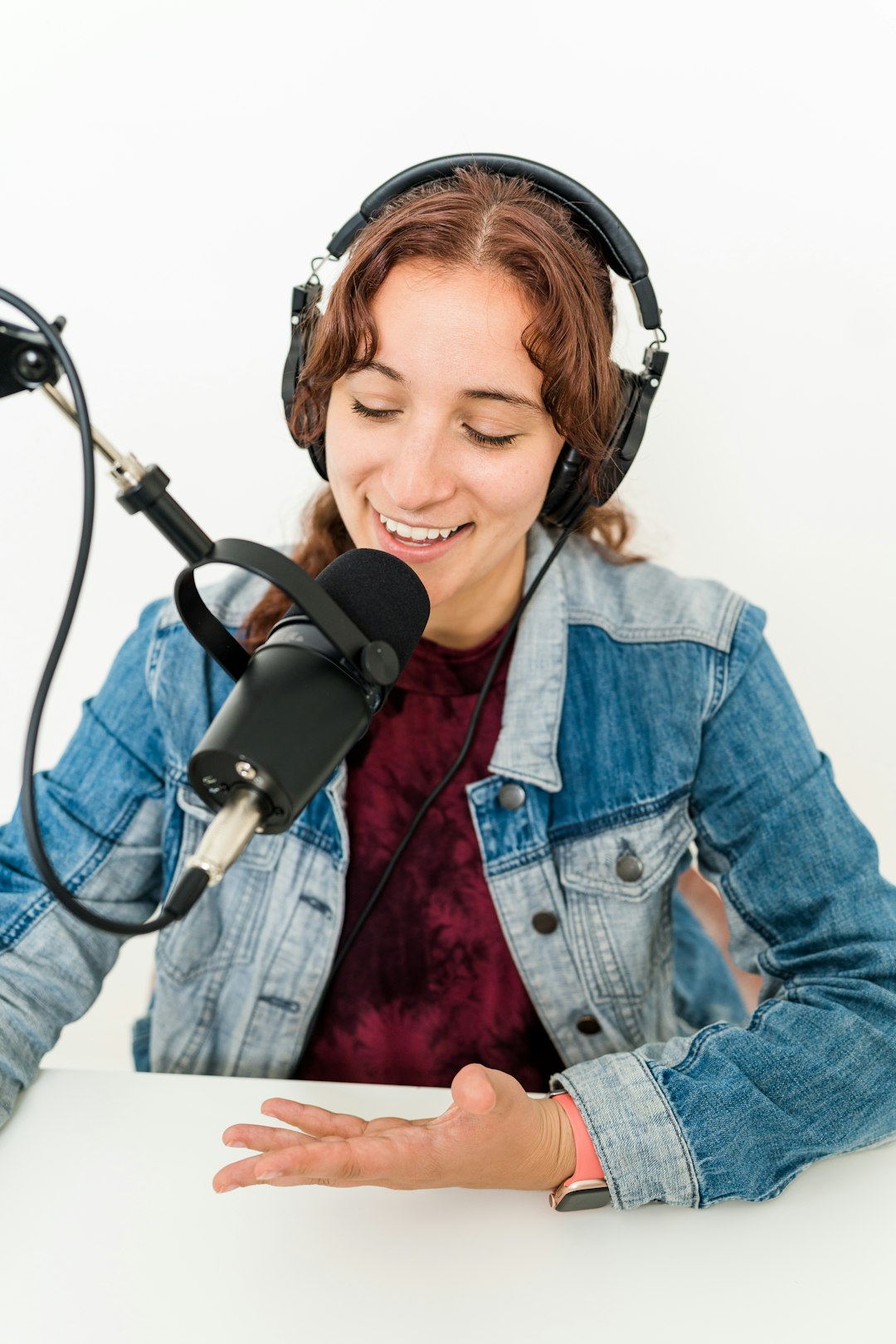
ElevenLabs has gained recognition for producing some of the most natural and expressive AI voices available today. Its deep learning models are designed to capture tone, nuance, and emotion, making it ideal for storytelling, audiobooks, and cinematic content.
Key Features
- Highly realistic voices with emotional inflection
- Voice cloning capabilities
- Multilingual support
- Fine-tuned stability and clarity settings
- Commercial licensing plans
One standout feature is voice cloning, which allows users to replicate a specific voice (with proper consent). This feature is particularly useful for brands looking to maintain a consistent voice identity across projects.
Content creators often choose ElevenLabs for:
- Audiobooks
- Documentary narration
- YouTube automation channels
- Professional storytelling projects
The result is speech that rarely sounds robotic. Instead, it delivers pacing and tone that mimics human narration remarkably well.
3. Murf AI
Best for: Corporate presentations and team-based voiceover production
Murf AI is designed with business users in mind. It combines professional-grade voices with collaborative editing features, making it particularly useful for corporations, agencies, and e-learning developers.

Key Features
- 120+ AI voices across multiple accents
- Built-in audio editor with timeline control
- Voice customization for pitch and speed
- Team collaboration tools
- Integration with video and presentation software
Murf AI stands out by offering an intuitive interface that allows users to edit scripts directly inside the platform while adjusting timing and emphasis. This eliminates the need for separate audio-editing software in many cases.
Typical use cases include:
- E-learning modules
- Training videos
- Product demos
- Corporate explainer videos
For organizations producing frequent voice-based content, Murf AI provides efficiency, consistency, and brand-level professionalism.
4. Play.ht
Best for: Multilingual voiceovers and large-scale content production
Play.ht is known for its expansive voice library and strong language support. It offers hundreds of AI voices in numerous languages and regional accents, making it an excellent choice for global brands and publishers.

Key Features
- 800+ voices across many languages
- Advanced pronunciation control
- SSML support for detailed scripting
- API access for automated workflows
- Commercial usage rights
Its SSML (Speech Synthesis Markup Language) capabilities allow for precise control over pauses, emphasis, and pronunciations. For professional applications like news narration or large-scale content publishing, this feature provides a significant advantage.
Play.ht is often selected for:
- Podcast narration
- Website voice integration
- International marketing campaigns
- Automated content publishing
Comparison Chart
| Feature | Fish Audio | ElevenLabs | Murf AI | Play.ht |
|---|---|---|---|---|
| Voice Realism | Excellent, most natural available | Excellent, highly expressive | Very natural and clear | Natural with broad variety |
| Voice Library Size | 2,000,000+ community voices | Growing premium library | 120+ voices | 800+ voices |
| Voice Cloning | Yes (80+ languages) | Yes | Limited | Available on higher tiers |
| Best For | Creators, developers, and multilingual teams | Storytelling and audiobooks | Business and training content | Multilingual publishing |
| API Access | Yes | Yes | Limited | Yes |
How to Choose the Right Tool
Selecting the right text-to-speech tool depends on specific project needs. Decision-makers should consider:
- Type of content – cinematic storytelling requires more emotional control than training videos.
- Budget constraints – subscription tiers vary significantly.
- Language requirements – global brands need broader voice libraries.
- Production workflow – teams may need collaboration and API integration.
For example, a YouTube content creator focused on narrative storytelling may prioritize realism and emotional tone, making ElevenLabs a strong contender. A corporate L&D department creating structured training materials may prefer Murf AI’s editing dashboard. Meanwhile, a digital publisher distributing content worldwide may benefit most from Play.ht’s language diversity.
Benefits of Using AI Voiceovers
The shift toward AI-generated narration offers several strategic advantages:
- Cost efficiency compared to hiring voice actors repeatedly
- Faster turnaround times
- Easy script revisions without re-recording sessions
- Scalability for high-volume production
- Consistent brand voice
While human voice actors still play a critical role in high-end productions, AI voiceovers are increasingly bridging the quality gap for commercial and mid-tier projects.
FAQ
1. Are AI voiceovers good enough for commercial use?
Yes, many modern text-to-speech tools provide commercial licensing options and produce audio quality suitable for advertisements, corporate videos, and online content.
2. Can AI voices replace professional voice actors?
AI voices can handle many projects effectively, especially explainer videos and e-learning. However, high-budget commercials and emotionally complex performances may still benefit from human voice actors.
3. What audio format should be used for professional projects?
For professional editing and broadcasting, WAV files are generally preferred due to their high quality. MP3 files are suitable for web and social media distribution.
4. Is voice cloning legal?
Voice cloning is legal when proper consent is obtained from the original speaker. Unauthorized cloning can raise serious legal and ethical issues.
5. How much do professional text-to-speech tools cost?
Pricing varies depending on features and usage limits. Entry-level plans may start at affordable monthly rates, while enterprise plans with API access and cloning features cost more.
6. Can these tools support multiple languages?
Yes, especially platforms like Play.ht, which offer extensive multilingual capabilities for international content creation.
As AI-driven speech technology continues to evolve, text-to-speech tools are becoming indispensable assets for modern content production. By selecting the right platform, professionals can achieve studio-level voiceovers quickly, efficiently, and at scale.

