

Pick Etsy for handmade goods, eBay for mass reach, and Bonanza if you want lower fees with less noise. Etsy charges a $0.20 listing fee and a 6.5% transaction fee, which makes fee math easy but not always cheap [source: Etsy].
TLDR: eBay has the biggest crowd, so it is best for sellers who want fast product testing. Etsy is better for handmade, vintage, craft, and giftable products. Bonanza is cheaper and calmer, but traffic is smaller. For example, on a $40 handmade candle order, Etsy may take listing, transaction, and payment fees, while Bonanza may take a smaller final value fee, but you may need ads to get the same number of views.
Selling online sounds easy. Then the fees show up. Then the ad tools blink at you. Then you wonder why your item has 12 views and zero sales. Fun, right?
Let’s make it simple.

1. Marketplace Fees: Who Takes the Biggest Bite?
eBay fees depend on the category. Most sellers get a set number of free listings each month. After that, insertion fees can apply. When the item sells, eBay takes a final value fee. This is often a percentage of the sale amount, plus a fixed order fee. In many common categories, the fee can land around 13% to 15%, but it varies.
The annoying part? eBay fee pages can feel like a maze. You may need to check your category, store plan, promoted listing rate, and order fee. Expect to waste time clicking around.
Etsy is easier to understand. You pay $0.20 to list an item. The listing lasts four months or until it sells. Etsy also charges a 6.5% transaction fee. Payment processing fees come next. These vary by country. If you use Etsy Ads or Offsite Ads, costs can rise fast.
Bonanza is the budget-friendly one. It has no listing fees. You usually pay a final value fee only after a sale. Bonanza also lets sellers choose paid advertising levels. Higher ad levels can bring more exposure, but they also cut into profit.
- Lowest basic fee feel: Bonanza
- Most predictable handmade fees: Etsy
- Most complex fee setup: eBay
2. Seller Tools: Who Helps You Work Faster?
eBay has strong seller tools. You get bulk listing, order management, shipping labels, promoted listings, coupons, markdowns, and seller analytics. It is good for high-volume sellers. It also supports auctions, fixed-price listings, and parts compatibility for categories like auto parts.
But eBay can feel old in places. Some pages load slower than they should. Some settings are buried. Honestly, it feels like changing one shipping rule takes 30 seconds longer than it should.
Etsy has cleaner tools. Listing products is simple. The shop dashboard is friendly. You can manage orders, messages, ads, discounts, and basic stats without feeling lost. Etsy also has simple tools for personalization. That matters if you sell custom mugs, jewelry, invitations, or shirts.
The weak spot is scale. If you run hundreds or thousands of listings, Etsy can feel tight. Bulk edits exist, but they are not as deep as eBay’s tools.
Bonanza keeps things simple. You can import listings from eBay, Amazon, Etsy, and Shopify. That is a big plus if you already sell elsewhere. Bonanza also has built-in syncing tools. This helps sellers avoid double-selling the same item.
Bonanza’s dashboard is not fancy. But it is calm. No circus music. No endless pop-ups. Just listings, orders, fees, and ads.
3. Product Discovery: Where Do Buyers Find You?
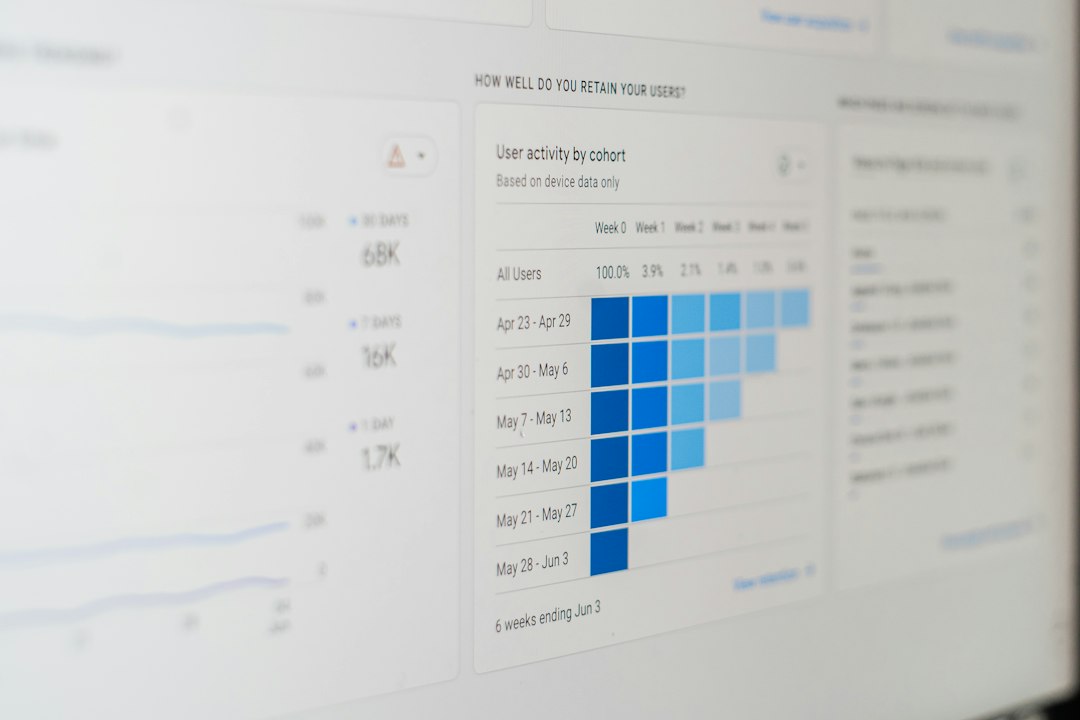
This is the big one. Fees matter, yes. But traffic pays the bills.
eBay has huge buyer intent. People go there to search for deals, used goods, collectibles, electronics, car parts, sneakers, watches, and random items from 2007 that somehow still matter. eBay search is powerful, but crowded. Titles matter a lot. So do item specifics, price, shipping speed, and seller rating.
Etsy is built around taste. Buyers search for gifts, handmade goods, wedding items, wall art, vintage pieces, and cute things they did not know they needed. Etsy’s search favors strong keywords, good photos, fast shipping, reviews, and listings that convert.
Product photos are huge on Etsy. A boring photo can sink a great item. A bright, clear photo can make a $22 item feel like a perfect gift.
Bonanza has less built-in traffic. That is the trade. It sends listings to Google Shopping through ad programs, depending on your settings. This can help. Still, you should not expect Etsy-level browsing or eBay-level search volume.
Bonanza works best when you bring some of your own traffic. Think email lists, social posts, niche forums, or repeat buyers.
Best Use Cases
- Use eBay if: you sell electronics, collectibles, used goods, auto parts, sneakers, tools, or mixed inventory.
- Use Etsy if: you sell handmade items, vintage goods, craft supplies, art, gifts, or custom products.
- Use Bonanza if: you want lower fees, simple selling, and a backup sales channel.
Quick Example
Say you sell a $35 custom tote bag.
- On Etsy, buyers may find it while shopping for gifts. Fees are clear, but ads can add cost.
- On eBay, you may get more traffic, but buyers may compare your tote to cheaper mass-made bags.
- On Bonanza, your fee may be lower, but you may wait longer for a sale.
Final Pick
Start with the marketplace that matches your product. Do not pick only by fee. A low fee means little if no one sees your product.
For most small brands, the best plan is simple. Use Etsy for creative and handmade goods. Use eBay for broad buyer demand and fast testing. Add Bonanza as a low-cost extra channel.
That way, you are not betting the whole shop on one platform. And yes, your future self will thank you when one marketplace has a weird sales week.

