
Personalization can raise add-to-cart intent, but only when the buying path stays simple, fast, and credible. Shoppers like gifts that feel personal. They do not like unclear previews, surprise fees, slow forms, or policies that appear too late. The best ecommerce sites treat customization as a conversion feature, not as decoration.
TLDR: Personalized gifts often improve product engagement because shoppers can connect the item to a real person and occasion. For example, a store selling engraved tumblers may see add-to-cart rates rise from 7.8% to 11.4% after adding a live name preview and three clear font choices. The risk comes later: if production time, spelling responsibility, or return limits appear only at checkout, abandonment can climb by 15% to 25%. Keep customization short, visual, and transparent from the product page onward.
Why personalization changes buying behavior
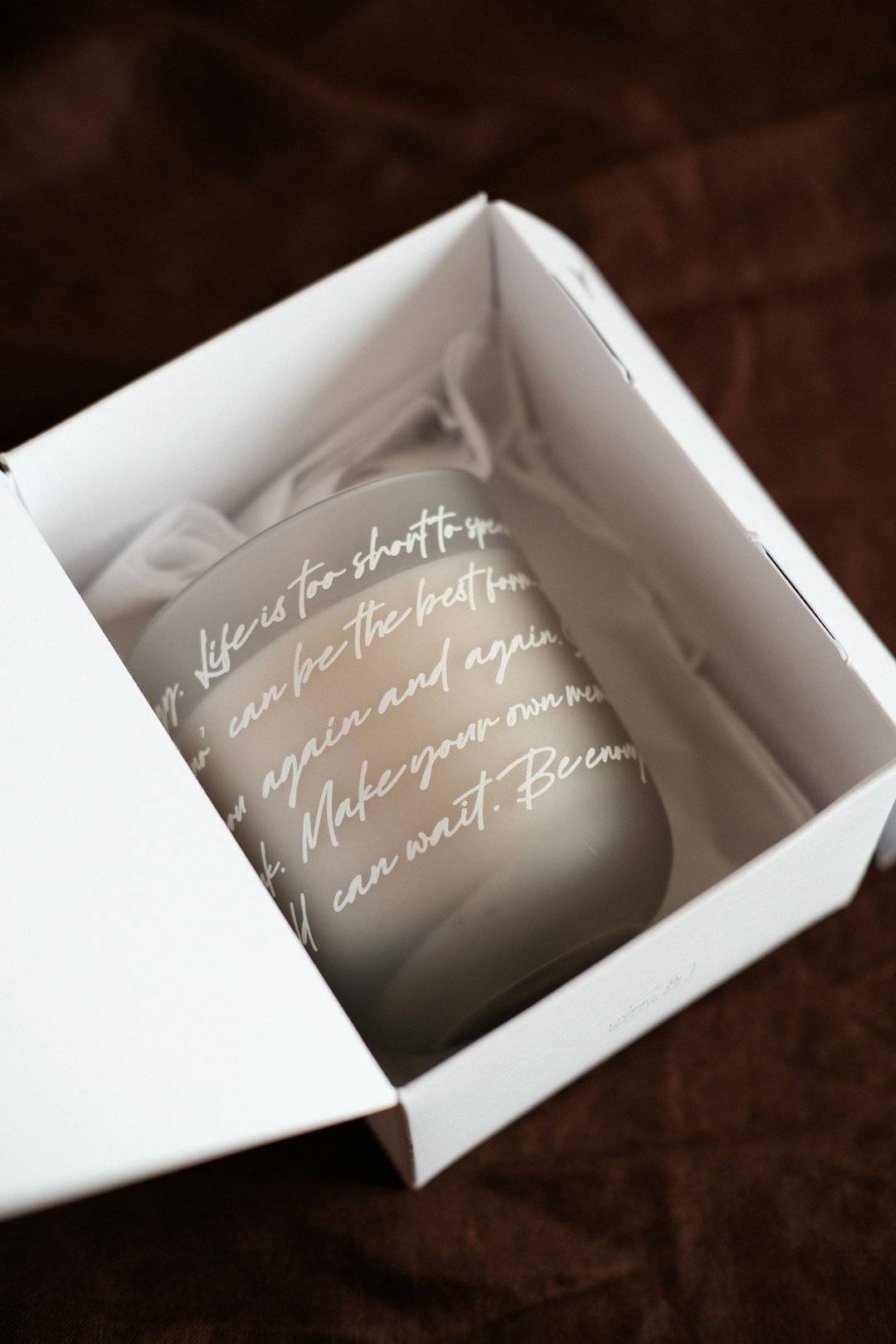
A standard gift asks the shopper to judge product quality. A personalized gift adds a second question: Will this feel right for the recipient? That emotional layer can be powerful. A mug with “Best Dad” is fine. A mug with “Marco’s Sunday Coffee” feels specific. That specificity gives the customer a reason to act now.
Personalized products also reduce direct price comparison. Shoppers can compare two plain silver necklaces in seconds. They struggle to compare two name necklaces with different fonts, packaging, message cards, and production promises. This can protect margin, as long as trust remains high.
The effect is strongest when the customization is tied to a common gifting moment:
- Birthdays: names, dates, birth flowers, zodiac signs.
- Weddings: initials, vows, venue art, guest roles.
- New babies: birth stats, blankets, nursery prints.
- Memorial gifts: names, dates, short messages, photo uploads.
- Corporate gifts: names, roles, logos, event dates.
Each case gives the shopper a clear purpose. That purpose pushes add-to-cart behavior. The buyer is not just buying a product. They are solving a social task.
How customization raises add-to-cart rates
Customization performs best when it makes the product feel more valuable before the customer reaches the cart. A live preview helps here. When a shopper types “Ava” and sees it on a bracelet, the item starts to feel owned. That shift matters.
Strong product pages usually include:
- A real-time preview that updates without delay.
- Clear input fields with character limits shown upfront.
- Simple options such as three fonts instead of twenty.
- Visible delivery estimates for customized production.
- Examples that show short and long names.
- Error checks for missing text, low-quality images, or unsupported symbols.
Honestly, it feels like a tiny detail until a preview takes 8 seconds to refresh and the shopper leaves. Those few seconds can break confidence. If a site cannot display a name quickly, buyers may wonder if the final product will also be careless.
Analytics often show this pattern. Product pages with simple personalization fields get more interaction than pages with generic variants only. A practical benchmark is to track three events: customization started, preview viewed, and add to cart. If many users start but few finish, the issue is usually friction, not lack of interest.
Where personalization starts to hurt conversion
The same feature that drives interest can also create doubt. Personalized gifts carry risk. The shopper worries about spelling, arrival date, photo quality, and return rules. If that risk grows near payment, abandonment rises.
The catch is that many stores hide the hard details until the last step. A customer spends six minutes personalizing a wooden keepsake box. Then checkout reveals a production fee, a longer shipping window, and a no-return policy. That feels unfair, even when the policy is reasonable.
Common causes of checkout abandonment include:
- Late delivery warnings: The shopper learns too late that the gift may miss the event.
- Unexpected personalization fees: Engraving, embroidery, or photo editing costs appear in the cart.
- Unclear return terms: Customized items are often final sale, but the policy is buried.
- No order review step: Buyers cannot easily confirm spelling and layout before paying.
- Forced account creation: This is especially harmful for gift shoppers buying once.
- Weak mobile forms: Tiny fields, broken uploads, and hard-to-edit text cause exits.
The role of trust signals
Personalized gifts need stronger reassurance than standard items. The buyer cannot fully inspect the final result before purchase. Trust signals lower that uncertainty.
Useful signals include verified reviews with photos, clear production timelines, spelling confirmation, close-up images, and plain return language. A message such as “Custom items cannot be returned unless they arrive damaged or incorrect” is much better than vague legal copy. It may not thrill the shopper, but it sets the right expectation.
Review content matters too. “Great quality” is helpful. “The engraving matched the preview and arrived in 5 days” is stronger. It answers the exact questions buyers have.
Design choices that improve add-to-cart behavior
The product page should guide the shopper like a short form, not a puzzle. Put the personalization module near the primary product images. Do not hide it below reviews or size charts. If customization is the main value, it belongs where buying intent starts.
Use a simple sequence:
- Step 1: Choose product style, color, or size.
- Step 2: Add name, date, message, or image.
- Step 3: View preview and approve spelling.
- Step 4: See delivery estimate and add to cart.
This order keeps the shopper focused. It also prevents a common problem: adding an item to cart before required personalization is complete. That creates errors later, and errors near checkout are expensive.
Microcopy helps. Use labels such as “Enter name exactly as it should appear” and “Preview is a guide; placement may vary slightly.” These lines reduce support tickets and refund disputes. They also make the store sound competent.
Checkout must repeat the custom details
A personalized item in the cart should not appear as a plain product title. It should repeat all chosen details. Show the name, date, font, color, image file, gift message, and estimated delivery. Add an Edit customization link that returns shoppers to the product page without clearing their work.
This order review is not clutter. It is anxiety reduction. Buyers want one last chance to spot a typo. If they cannot find that chance, some will leave and “come back later.” Many will not return.
Payment pages should also keep delivery dates visible. Gift purchases are deadline-driven. A birthday gift that arrives two days late has less value, even if the object is beautiful.
What to measure
To understand the real impact of personalization, track behavior by product type and customization depth. Do not rely only on total conversion rate. A product with lower checkout completion may still be profitable if its average order value is higher and support costs stay controlled.
Key metrics include:
- Customization start rate: percentage of visitors who engage with the personalization tool.
- Preview completion rate: percentage who reach a valid preview.
- Add-to-cart rate: percentage who add the customized product.
- Cart-to-checkout rate: percentage who begin checkout.
- Checkout abandonment rate: percentage who leave before payment.
- Post-purchase issue rate: refunds, corrections, complaints, and support tickets.
A healthy pattern might look like this: 42% of product page visitors start customization, 31% complete a preview, 12% add to cart, and 6% purchase. If add-to-cart is strong but purchase is weak, inspect shipping, fees, policy language, and payment friction.
Practical recommendations
Keep personalization meaningful but controlled. Too many choices slow decisions. A buyer choosing between 26 fonts may feel less confident than one choosing between classic, modern, and playful. Choice can sell, but excess choice stalls action.
Show the final price early. Show the delivery date early. Show the return terms early. These three items prevent anger at checkout. They may reduce a few impulsive adds, but they improve serious purchases.
For most stores, the best path is simple: offer a fast preview, limit options, confirm spelling, make policies plain, and carry every custom detail into checkout. Personalized gifts convert when they feel special and safe. If the process feels risky or slow, sentiment will not save the sale.

