
RMA most often means Return Merchandise Authorization, especially in retail, ecommerce, warranties, and customer support. It is the code or approval a seller gives before a customer sends a product back. The same abbreviation also appears in healthcare, engineering, finance, government, computing, and military writing, so context matters a lot.
TLDR: RMA usually means Return Merchandise Authorization, but it can also mean Registered Medical Assistant, Reliability, Maintainability, Availability, Risk Management Agency, Revolution in Military Affairs, or Remote Memory Access. For example, an online electronics store with a 4.6% return rate may issue an RMA number for every approved return so warehouse staff can track the item, refund status, and reason code. In support teams, using RMA numbers can cut “Where is my refund?” messages by 20% to 35% when the process is clear.
R.M.A. Meaning: 6 Common Meanings of RMA Explained
The abbreviation RMA is short, useful, and annoyingly easy to misunderstand. A customer may use it when asking for a refund. A hospital may use it when reading a job application. An engineer may use it in a system reliability report. Same three letters. Very different meaning.
Below are six common meanings of RMA, with plain explanations and examples.
1. RMA: Return Merchandise Authorization
Return Merchandise Authorization is the most common meaning in business and customer service. It is an approval process for returning a product to a seller, supplier, or manufacturer.
An RMA usually includes a unique number. That number links the return to the customer, order, product, reason for return, and refund or repair status. Without it, returns get messy fast. Expect to waste time on missing packages, duplicate refunds, and warehouse confusion if the process is loose.
A typical RMA workflow looks like this:
- Customer requests a return through support, email, or a return portal.
- Seller reviews the request against policy, warranty terms, or damage reports.
- RMA number is issued if the return is approved.
- Customer ships the item back with the RMA number on the label or packing slip.
- Warehouse receives and checks the item.
- Refund, exchange, credit, or repair is completed.
Example: “Please write RMA 587214 on the outside of the package before sending the laptop back.”

2. RMA: Registered Medical Assistant
In healthcare, RMA often stands for Registered Medical Assistant. This is a medical support professional who has met certification or registration requirements through a recognized body.
Registered Medical Assistants work in clinics, physician offices, urgent care centers, and specialty practices. Their work can include both patient care and office duties.
Common responsibilities include:
- Taking patient histories
- Recording vital signs
- Preparing examination rooms
- Assisting with basic clinical procedures
- Scheduling appointments
- Updating medical records
- Handling insurance forms
Example: “The clinic is hiring an RMA with two years of outpatient experience.”
This meaning is common in job ads, resumes, credential checks, and healthcare staffing documents. If the text mentions patients, clinics, physicians, or certification, RMA likely means Registered Medical Assistant.
3. RMA: Reliability, Maintainability, and Availability
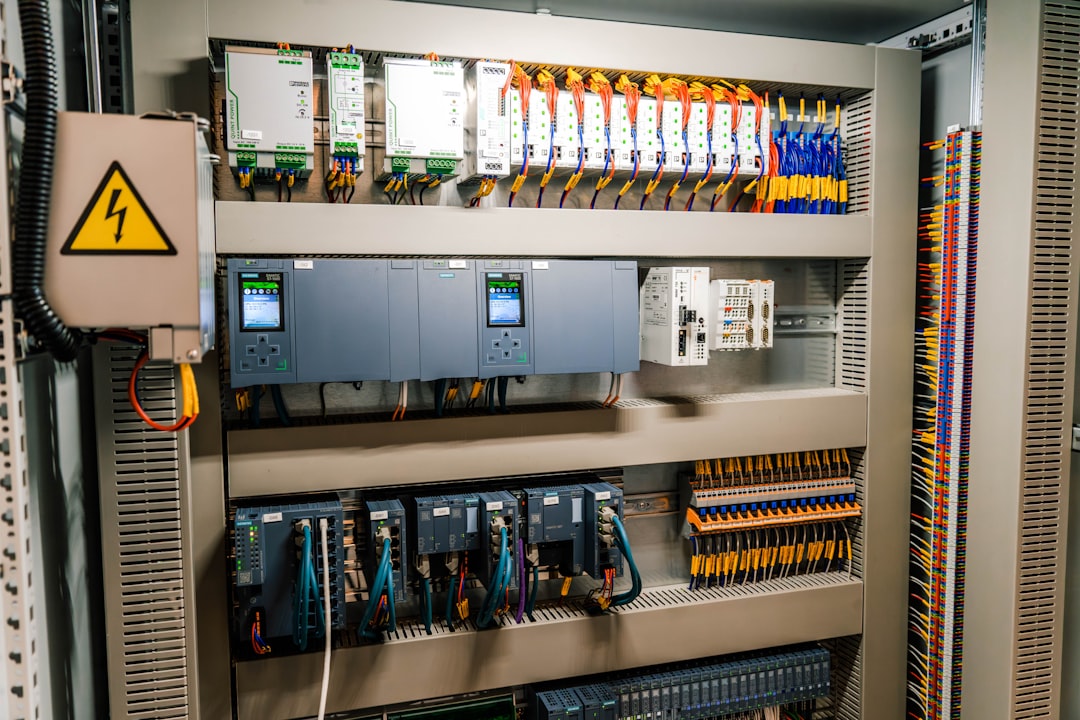
In engineering, defense, manufacturing, and infrastructure planning, RMA can mean Reliability, Maintainability, and Availability. It measures how well a system keeps working, how quickly it can be fixed, and how often it is ready for use.
The three parts are related but not identical:
- Reliability: How long a product or system works without failure.
- Maintainability: How easily and quickly it can be repaired or serviced.
- Availability: How often it is operational when needed.
Example: A data center may target 99.95% availability. That allows about 4.38 hours of downtime per year. If repairs take too long, availability drops even if the equipment is generally reliable.
This use of RMA appears in technical proposals, service level planning, aerospace programs, industrial equipment design, and military procurement. It is a serious metric because downtime costs money. In healthcare, transport, energy, and defense, downtime can also create safety risks.
4. RMA: Risk Management Agency
Risk Management Agency is another common meaning, especially in the United States. The best-known example is the USDA Risk Management Agency, which manages federal crop insurance programs.
This agency helps protect agricultural producers from losses caused by drought, floods, pests, price changes, and other risks. Farmers, ranchers, insurers, and agricultural lenders often see this meaning in policy documents and government notices.
Example: “The RMA updated crop insurance provisions for the next planting season.”
If the surrounding text mentions farming, crops, insurance, acreage, yields, or the USDA, RMA likely refers to the Risk Management Agency. It does not refer to product returns in that setting.
5. RMA: Revolution in Military Affairs
In military studies and defense policy, RMA can mean Revolution in Military Affairs. This refers to a major change in how armed forces fight, organize, plan, or use technology.
An RMA may involve new weapons, communication systems, surveillance tools, doctrine, logistics, or command structures. The phrase is often used when military analysts discuss large shifts rather than small upgrades.
Example: “Precision-guided weapons and satellite communications were central to debates about an RMA in the late twentieth century.”
This meaning appears in academic papers, defense reports, strategic studies, and military history. It is not about a form, certificate, or return number. It is about major change in warfare.
6. RMA: Remote Memory Access
In computing, RMA can stand for Remote Memory Access. It describes a method that allows one computer process to read from or write to memory on another system without making the remote processor handle every step directly.
This subject appears in high performance computing, distributed systems, networking, and parallel programming. It is often linked with fast data movement and reduced processing overhead.
Example: “The application uses RMA operations to move large data blocks between compute nodes.”
Honestly, it feels like this term causes confusion because it sits close to RDMA, or Remote Direct Memory Access. They are related in some technical conversations, but they are not always used the same way. Read the surrounding documentation carefully.
How to Tell Which RMA Meaning Is Correct
The fastest way is to check the setting. Abbreviations depend on context. Do not guess from the letters alone.
- Retail, warranty, shipping: Return Merchandise Authorization
- Clinic, resume, healthcare job: Registered Medical Assistant
- Engineering, uptime, maintenance: Reliability, Maintainability, Availability
- Farming, crop insurance, USDA: Risk Management Agency
- Military theory, defense policy: Revolution in Military Affairs
- Computing, clusters, memory operations: Remote Memory Access
Why the Difference Matters
Using the wrong meaning can cause real problems. A customer support agent who mistakes RMA for a medical credential will look careless. A job applicant who expands RMA incorrectly on a resume may fail a screening check. An engineer who confuses warranty returns with reliability metrics may damage a report’s credibility.
For most everyday readers, Return Merchandise Authorization is the safest first interpretation. Still, do a quick context check before using it in writing. Three seconds of checking can prevent a very avoidable mistake.
Best practice: Write the full term the first time you use it, followed by the abbreviation in parentheses. For example: Return Merchandise Authorization (RMA). After that, use RMA on its own. This keeps the text clear and prevents readers from filling in the wrong meaning.

