
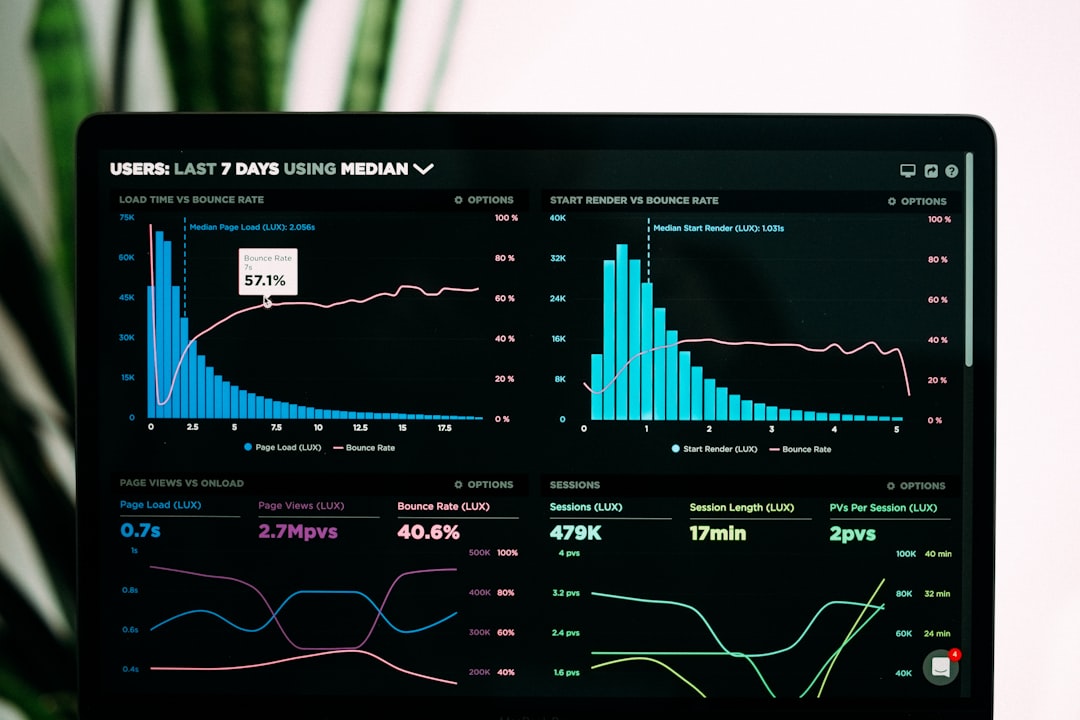
The best day for Instagram posts is the day that gives a specific account the highest mix of reach, engagement, saves, clicks, and sales intent over several weeks. For many brands, Tuesday through Thursday often wins for feed posts, while Sunday can work better for relaxed content, personal brands, and lifestyle niches. Still, no team should copy a generic “best day” chart without testing its own audience. Weekly publishing opportunities must be compared with clean data, not guesses.
TLDR: Brands should compare Instagram posting days by tracking results across at least 4 to 6 weeks, then ranking each weekday by engagement rate, reach, saves, shares, and conversions. For example, a fitness studio may find that Wednesday posts get 18% more saves, while Sunday Reels bring 22% more profile visits. That means Wednesday is better for educational posts, but Sunday is better for discovery. One “best day” rarely wins every goal.
Why weekly comparison beats generic posting advice
Generic posting guides can be useful as a starting point. They show patterns across millions of accounts. Yet an Instagram audience is not “the average user.” A B2B software company, a bakery, a travel creator, and a local gym all attract different habits.
A strong Instagram schedule compares each day by purpose. Monday may be good for planning tips. Friday may suit event reminders. Saturday may work for casual behind-the-scenes posts. It drives teams a little mad when one dashboard says Thursday is best, while another suggests Monday, but that usually happens because each tool measures success in a different way.
The key metrics to compare by weekday
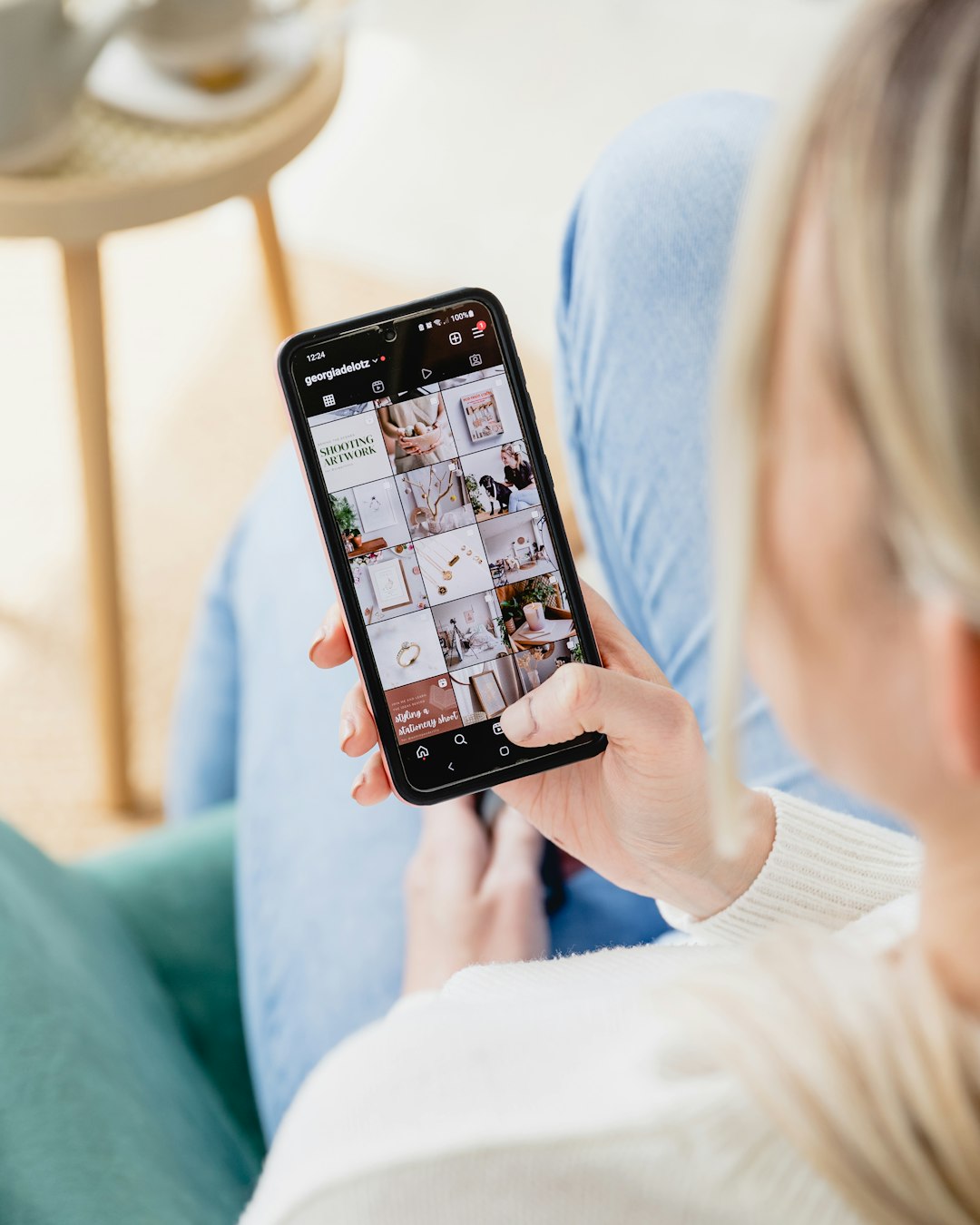
To find the best days for Instagram posts, a team should avoid judging by likes alone. Likes are easy to get, but they do not always show real value. A smart weekly review includes several metrics.
- Reach: How many unique accounts saw the post.
- Engagement rate: Likes, comments, saves, and shares compared with reach or followers.
- Saves: A strong signal for tutorials, guides, checklists, and educational posts.
- Shares: Useful for memes, hot takes, tips, and relatable content.
- Profile visits: A sign that the post created interest in the brand.
- Website clicks: Vital for shops, service providers, campaigns, and launches.
- Follower growth: Helpful when the main goal is audience building.
A weekday that brings high reach but low action may be good for awareness. A day with modest reach but strong saves may be better for trust. The best publishing opportunity depends on the job of the post.
How to build a fair weekly test
A fair test needs time and structure. One strong post on Tuesday does not prove Tuesday is the winner. One weak post on Saturday does not kill Saturday forever. Instagram results swing because of content quality, format, trend timing, captions, visuals, and even holidays.
A basic weekly test can follow this format:
- Pick a test period: Use at least 4 weeks. Six or eight is better.
- Post on multiple weekdays: Cover at least five days each week if resources allow.
- Keep content types balanced: Do not post all Reels on Friday and all static graphics on Monday.
- Track results after the same time window: Compare posts after 24, 48, or 72 hours.
- Separate formats: Reels, carousels, Stories, and single-image posts should be reviewed apart.
- Rank by goal: Awareness, engagement, traffic, and sales may produce different winners.
The catch is that Instagram’s own analytics can feel clunky for this. Exporting figures or copying them into a spreadsheet may take a few extra minutes per post. Still, that small hassle prevents a team from building a calendar around bad assumptions.
Common weekday patterns on Instagram
Although each account needs its own test, some broad patterns appear often. These should be treated as ideas to test, not rules to obey.
- Monday: Often works for planning, motivation, business tips, product updates, and weekly goals.
- Tuesday: Often a strong day for educational posts, carousels, and practical advice.
- Wednesday: A steady performer for many brands because users are active but not yet distracted by weekend plans.
- Thursday: Can be strong for launches, reminders, event promotions, and “last chance” posts.
- Friday: Better for lighter content, announcements, humor, and social topics.
- Saturday: Often mixed. It may suit retail, food, travel, fitness, and lifestyle accounts.
- Sunday: Good for reflection, planning, personal stories, soft selling, and community content.
How content type changes the best day
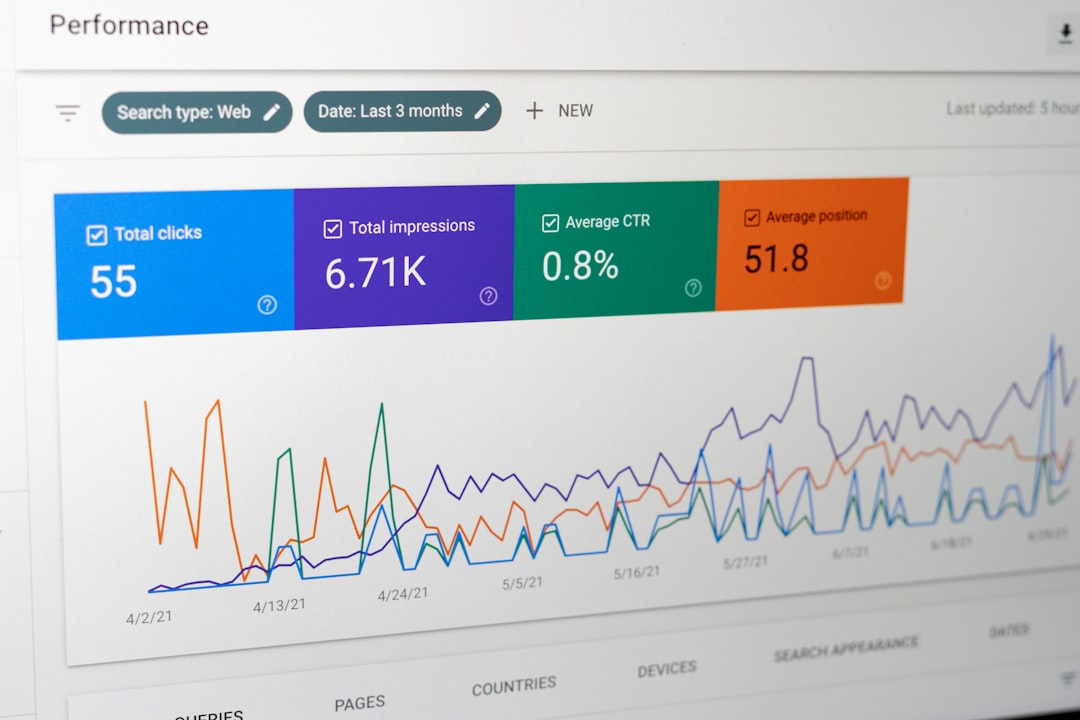
The “best day” can change by format. A Reel may perform well on Sunday night because people scroll longer. A carousel may work better on Tuesday morning when users are ready to learn. A Story poll may perform well on Friday because the question feels casual and quick.
Teams should compare each format separately. If all formats are mixed into one report, the winner may be misleading.
- Reels: Best judged by reach, watch time, shares, profile visits, and follows.
- Carousels: Best judged by saves, swipes, comments, and shares.
- Stories: Best judged by replies, taps, sticker interactions, and link clicks.
- Single images: Best judged by engagement rate, comments, and brand recall.
For example, a skincare brand may see its Monday carousel get 900 saves from 12,000 reached accounts. Its Saturday Reel may reach 40,000 accounts but bring only 120 website clicks. Neither result is “better” by default. Monday wins for education. Saturday wins for exposure.
How to score weekly publishing opportunities
A simple scorecard helps remove emotion from the decision. Each weekday can get a score from 1 to 5 for the metrics that matter most. A brand focused on sales may give website clicks double weight. A creator focused on growth may give reach and follows more weight.
Here is a simple model:
- Reach score: 1 to 5
- Engagement score: 1 to 5
- Saves and shares score: 1 to 5
- Traffic score: 1 to 5
- Follower growth score: 1 to 5
If Wednesday earns 21 total points and Friday earns 15, Wednesday deserves more high-value posts. Friday should not be removed at once, though. It may still support lighter content or community posts.
Signs a posting day is worth testing again
A weak day is not always a bad day. Sometimes the content was dull. Sometimes the hook was vague. Sometimes the post competed with a public holiday, a major news event, or a platform glitch.
A weekday deserves another test when:
- The content topic was very different from the usual posts.
- The account posted at an unusual time.
- The creative quality was weaker than usual.
- The caption had no clear call to action.
- The post was published during a holiday or unusual event.
Honestly, it feels like wasted effort when a team cancels Saturday after one poor post. A better move is to run two or three more tests with stronger creative and a clear goal.
Building the final weekly schedule
After a few weeks of testing, the team should assign content by day. The highest-performing days should get the most valuable posts. Product launches, lead magnets, major Reels, and campaign posts belong on proven days. Lower-pressure posts can fill weaker days.
A practical schedule may look like this:
- Monday: Weekly tip or planning post.
- Tuesday: Educational carousel.
- Wednesday: Main campaign post or Reel.
- Thursday: Product proof, review, or case study.
- Friday: Community question or lighter post.
- Sunday: Story-led post, recap, or soft reminder.
The schedule should be reviewed every month. Audience habits shift. Seasons, offers, niche trends, and content fatigue all affect results. A good Instagram calendar stays firm enough to measure, but flexible enough to improve.
FAQ
What is usually the best day to post on Instagram?
Tuesday, Wednesday, and Thursday often perform well for many accounts. Still, the strongest day depends on the audience, niche, format, and goal.
Is Sunday a bad day to post on Instagram?
No. Sunday can work well for lifestyle, wellness, personal stories, planning content, and Reels. It may be weaker for some B2B accounts, but that should be tested.
How long should a brand test Instagram posting days?
A brand should test for at least 4 to 6 weeks. Longer tests give cleaner results, especially for small accounts with lower reach.
Should Reels and carousels be compared together?
No. Reels, carousels, Stories, and single-image posts should be reviewed separately because each format behaves differently.
What metric matters most when choosing the best day?
It depends on the goal. Reach matters for awareness. Saves and shares matter for content value. Website clicks and sales actions matter for revenue.
How often should the weekly posting schedule change?
Most teams should review results monthly. Major changes should be based on patterns, not one lucky post or one bad day.

