
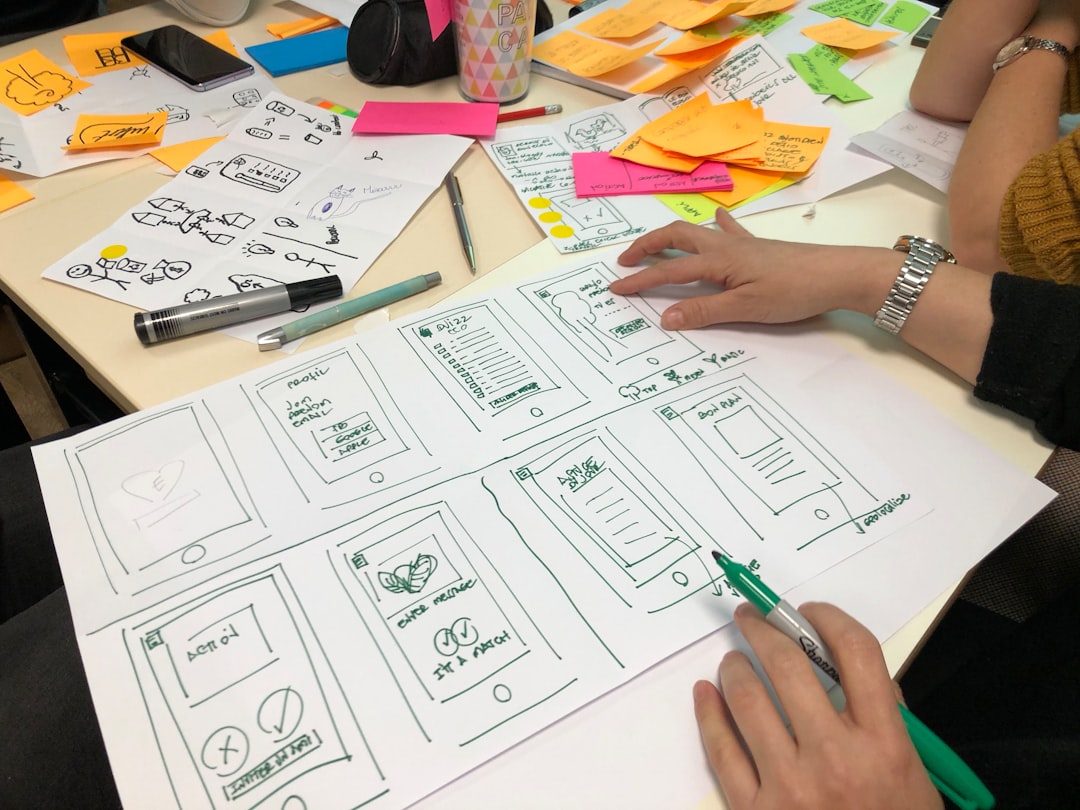
Profiling machines are the quiet shape makers of modern industry. They cut, bend, roll, grind, or form material into a planned shape. Think of them as giant cookie cutters, but for metal, wood, plastic, stone, and foam. They help turn plain material into useful parts with speed and style.
TLDR: Profiling machines shape materials into specific forms. They are used in factories, workshops, construction, automotive plants, furniture shops, and many other places. Some machines cut with blades, some use lasers, some use water, and some roll metal into profiles. They make work faster, cleaner, and more repeatable.
What Is a Profiling Machine?
A profiling machine is a machine that creates a profile. A profile is a shape or outline. It can be a curve, groove, edge, slot, ridge, hole, or full part shape.
For example, look at a window frame. It has channels and bends. Look at a car door panel. It has smooth curves. Look at a wooden cabinet edge. It has a rounded shape. These shapes may be made with profiling machines.
The main goal is simple. The machine takes raw material and gives it a planned form. It follows drawings, templates, dies, computer files, or guide rails.
Profiling machines can be small. Some sit on a bench. Others are huge. Some are longer than a bus. Some work by hand control. Others are run by computers and robots.
Why Are Profiling Machines Important?
Without profiling machines, many products would take too long to make. Workers would need to cut and shape every part by hand. That would be slow. It would also cause more errors.
Profiling machines help factories make parts that are:
- Accurate and close to the design.
- Repeatable from part to part.
- Fast to produce in large numbers.
- Clean with smoother edges.
- Cost friendly when used at scale.
They also help reduce waste. A good machine uses material well. That means fewer scraps on the floor. It also means more money saved.
Main Types of Profiling Machines
There are many types of profiling machines. Each one has its own superpower. Some slice. Some bend. Some carve. Some grind. Let’s meet the main players.
1. Roll Forming Machines
A roll forming machine shapes metal by passing it through many sets of rollers. Each set bends the metal a little more. By the end, the flat strip becomes a long profile.
This is great for long parts. Think roof panels, wall cladding, gutters, door frames, and tracks. The process is fast. It is also smooth.
Roll forming is often used with steel, aluminum, and copper. The machine can run for hours. It can produce thousands of meters of shaped material.
2. CNC Profiling Machines
CNC means Computer Numerical Control. That sounds fancy. But the idea is simple. A computer tells the machine where to move.
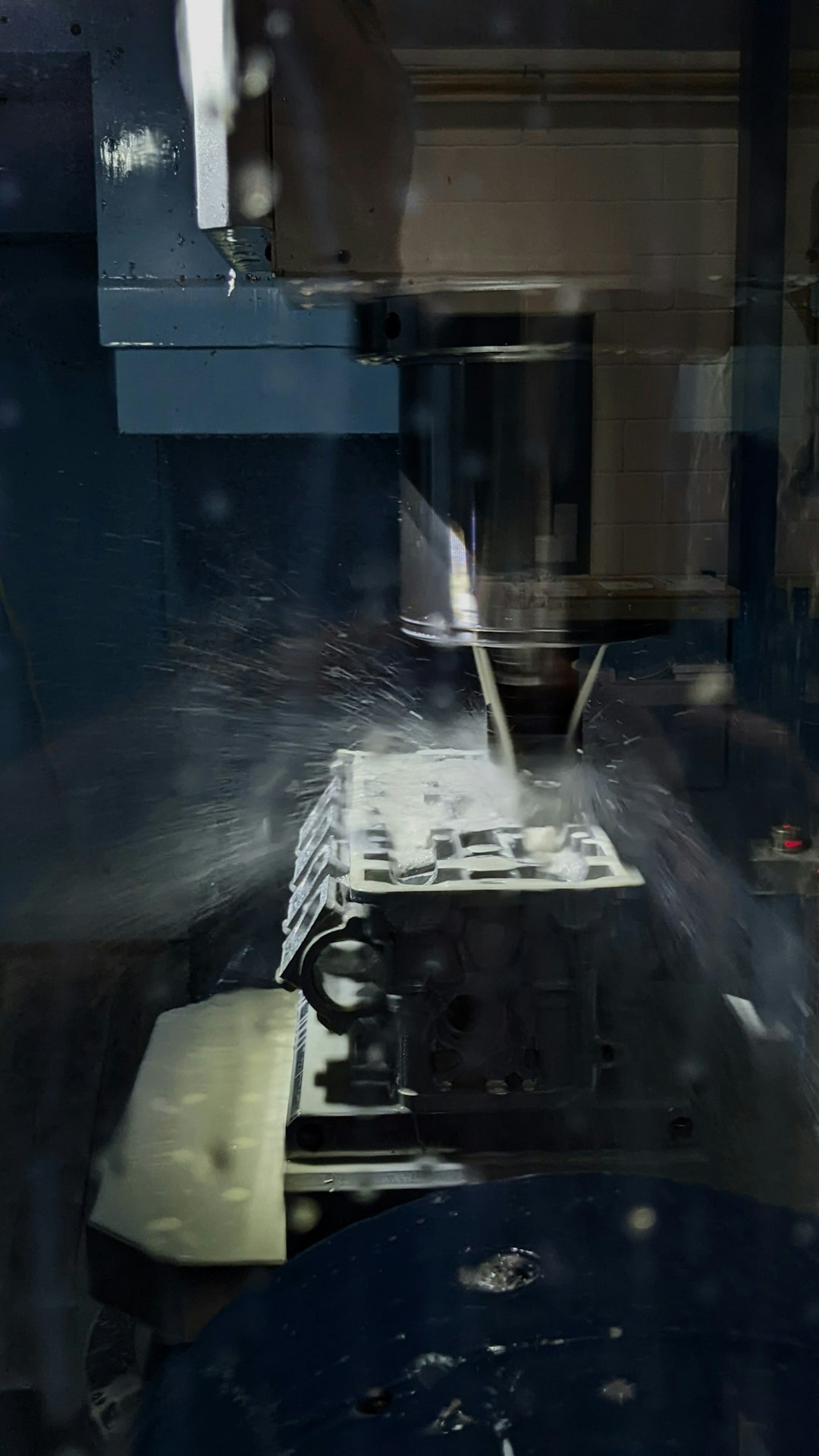
CNC profiling machines can cut, mill, route, drill, and shape parts. They follow digital designs. This makes them very flexible.
They are used for metal, wood, plastic, foam, and composite materials. A CNC profile can be very simple. It can also be very detailed.
These machines are common in aerospace, furniture, signs, molds, and custom manufacturing. If a part has a tricky shape, CNC often saves the day.
3. Laser Profiling Machines
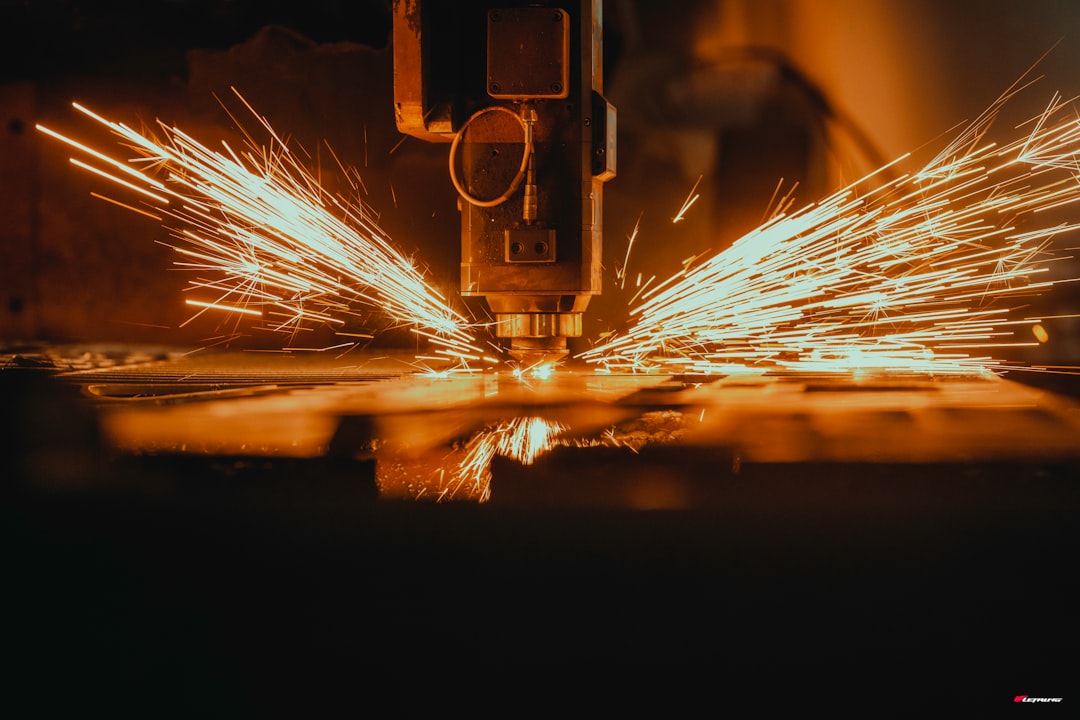
A laser profiling machine cuts material with a focused beam of light. Yes, light. Very hot light.
Laser machines are known for clean cuts and fine detail. They are great for thin metal sheets. They can cut complex shapes with sharp corners.
They are popular in metal fabrication, electronics, automotive work, signs, and decorative panels. They are fast and precise. They also look a bit like science fiction in action.
4. Plasma Profiling Machines
A plasma profiling machine cuts metal with a super hot jet of plasma. Plasma is heated gas that can melt metal very quickly.
These machines are strong and rugged. They are often used for thicker metal plates. They may not be as fine as lasers, but they are powerful and cost effective.
Plasma profiling is common in steel shops, shipyards, repair yards, and heavy fabrication. It is good for brackets, plates, frames, and structural parts.
5. Waterjet Profiling Machines
A waterjet profiling machine cuts with a high pressure stream of water. Sometimes, abrasive particles are added. These particles help cut hard materials.
Waterjet machines can cut metal, stone, glass, tile, rubber, foam, plastic, and composites. They do not create a heat affected zone. That means the material does not get burned or warped by heat.
This is useful for delicate materials. It is also useful when heat would damage the part.
6. Wood Profiling Machines
Wood profiling machines shape boards, moldings, furniture parts, doors, and panels. They can cut grooves, curves, edges, and patterns.
Common examples include spindle molders, routers, planers, and edge profiling machines. They make smooth decorative shapes. They also help parts fit together better.
Look at a fancy chair leg. Look at crown molding near a ceiling. Look at a cabinet door edge. A wood profiling machine may have helped create it.
7. Gear and Spline Profiling Machines
Some profiling machines make very special shapes. Gears are a good example. Gear teeth must be exact. If not, the machine will shake, wear out, or fail.
Gear profiling machines cut teeth into gear blanks. Spline profiling machines cut grooves on shafts. These parts are used in cars, engines, machines, and tools.
This work needs high accuracy. Tiny mistakes can cause big problems.
8. Edge Profiling Machines
Edge profiling machines shape the edges of material. They may round, bevel, polish, or groove an edge.
They are used on stone countertops, glass panels, wooden boards, and metal sheets. A sharp edge can be unsafe. A shaped edge can be safer and nicer to look at.
Common Applications
Profiling machines are used in many ways. Some jobs are simple. Some are complex. In every case, the machine helps shape material for a purpose.
Cutting Parts
Many profiling machines cut parts from sheet or plate material. This includes metal brackets, machine panels, letters, decorative screens, and spare parts.
A digital design is sent to the machine. The machine follows the path. The result is a part with the right shape.
Making Long Profiles
Roll forming machines create long continuous shapes. These are used in buildings, vehicles, shelving, and storage systems.
Examples include:
- Roof sheets
- Wall panels
- Ceiling channels
- Window frames
- Garage door tracks
- Solar panel supports
Decorative Shaping
Profiling is not only for strength. It is also for beauty. Machines can create decorative edges, carved patterns, and stylish surfaces.
This is common in furniture, signs, architecture, and interior design. A plain board can become a beautiful trim piece. A simple metal sheet can become a custom wall panel.
Preparing Welded Parts
Metal parts often need special edges before welding. This is called beveling. A beveled edge helps the weld go deeper and hold stronger.
Profiling machines can prepare these edges fast. This saves time for welders. It also improves joint quality.
Making Molds and Templates
Many products are made from molds. Profiling machines help create mold shapes from metal, wood, plastic, or foam.
This is useful in casting, packaging, automotive design, and prototyping. A good mold makes better products.
Industry Uses
Now let’s see where profiling machines work every day. Spoiler alert. They are almost everywhere.
Construction Industry
Construction uses many profiled parts. Roof sheets, wall panels, beams, channels, rails, trims, and ducts all need shaped material.
Roll forming machines are very common here. They make long metal profiles for buildings. Edge profiling machines are also used for stone, glass, and tile.
These machines help builders get strong and neat materials. They also help projects move faster.
Automotive Industry
Cars need thousands of shaped parts. Some are huge. Some are tiny. Profiling machines help make body panels, brackets, shafts, gears, seals, and interior pieces.
CNC machines cut accurate parts. Laser machines cut sheet metal. Roll forming machines make channels and rails. Gear profiling machines make powertrain parts.
In the car world, accuracy matters. A small error can cause noise, vibration, or safety problems.
Aerospace Industry
Aerospace parts must be light, strong, and precise. Profiling machines help shape aluminum, titanium, composites, and special alloys.
CNC and waterjet machines are common. They can make complex parts without too much waste. This is important because aerospace materials can be expensive.
Here, the machine must be accurate. Very accurate. Planes do not enjoy guesswork.
Furniture and Woodworking
Wood shops use profiling machines to make doors, cabinets, tables, chairs, and trim. Routers and molders create clean edges and repeated shapes.
This helps furniture makers work faster. It also gives products a polished look. A smooth rounded edge can make a table feel more friendly.
Shipbuilding and Heavy Fabrication
Ships, cranes, bridges, and large machines need thick metal parts. Plasma and oxy fuel profiling machines are often used here.
They cut large steel plates into planned shapes. These parts are then welded into bigger structures. Big jobs need big tools.
Sign Making and Displays
Signs often need letters, logos, panels, and light boxes. CNC routers, lasers, and waterjets are useful for this work.
They cut acrylic, wood, aluminum, foam, and plastic. They can make clean and creative shapes. This helps businesses stand out.
Stone, Glass, and Tile Work
Countertops, shower panels, tabletops, and floor designs often need shaped edges or custom cuts. Waterjet and edge profiling machines are great for this.
They can make curves, holes, and polished edges. They can also cut patterns for decorative floors and walls.
How to Choose a Profiling Machine
Choosing the right machine is like choosing the right kitchen tool. You do not use a spoon to slice bread. You do not use a laser to cut everything either.
Think about these points:
- Material: Are you working with metal, wood, plastic, stone, glass, or foam?
- Thickness: Thin sheets and thick plates need different machines.
- Shape: Do you need simple straight profiles or complex curves?
- Speed: Do you need one part or ten thousand parts?
- Accuracy: Is the part decorative or highly technical?
- Budget: Include tools, power, software, training, and service.
- Space: Some machines need a lot of room.
It is also smart to test the machine with your real material. A sample cut can tell you a lot.
Benefits of Profiling Machines
Profiling machines bring many benefits to a business. They make work faster. They improve quality. They help workers repeat the same shape again and again.
Key benefits include:
- Higher production speed for busy shops.
- Better part accuracy for tight fits.
- Less manual labor for hard or boring tasks.
- Lower waste when cutting plans are optimized.
- More design freedom for creative shapes.
- Safer edges through rounding and finishing.
They also help small teams do bigger work. A skilled operator with a good machine can create impressive parts.
Safety Matters
Profiling machines are useful. They are also powerful. Safety is not optional.
Operators should use guards, goggles, gloves, hearing protection, and dust control when needed. They should also follow training rules. Machines should be maintained often.
Lasers need eye protection and enclosed cutting areas. Plasma machines need fume extraction. Wood machines need dust collection. Waterjet machines need careful pressure control.
A safe shop is a happy shop. It is also a more productive shop.
The Future of Profiling Machines
Profiling machines are getting smarter. Software is better now. Sensors are better too. Many machines can check their own work. Some can adjust settings while cutting.
Automation is growing. Robots can load and unload parts. Cameras can inspect shapes. Cloud systems can track production. This makes factories faster and more connected.
Artificial intelligence may also help. It can suggest better cutting paths. It can predict tool wear. It can reduce waste. The machines may not make coffee yet, but give them time.
Final Thoughts
Profiling machines turn plain material into useful shapes. They cut roof panels, carve wood trim, shape stone edges, make car parts, and slice metal plates. They are the behind the scenes heroes of modern making.
From tiny workshops to giant factories, these machines help people build faster and better. They bring accuracy, speed, and repeatable quality. In simple words, profiling machines help the world get into shape.

