
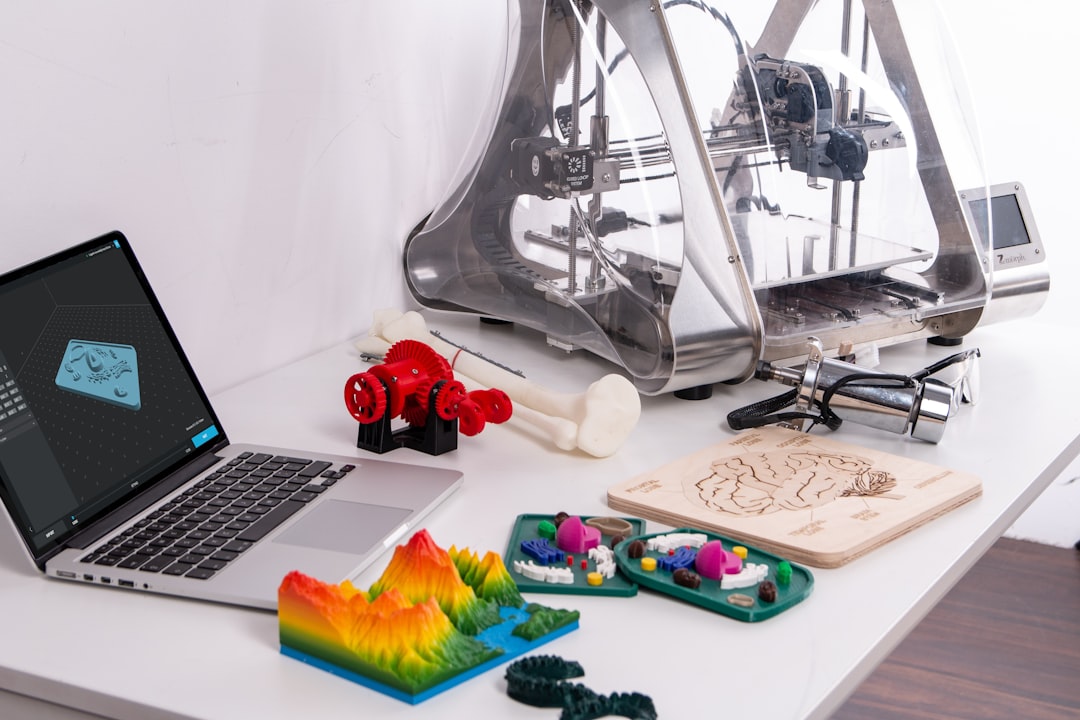
Choosing the right 3D printing material can determine whether a prototype simply looks good or actually performs like a production-ready part. Protolabs offers a wide range of additive manufacturing processes and materials, making it possible for engineers, product developers, and procurement teams to match part requirements with the most suitable technology. A strong material choice considers strength, flexibility, heat resistance, surface finish, cost, lead time, and end-use environment.
TLDR: Protolabs provides 3D printing materials across several technologies, including plastics, elastomers, and metals. Each material is best suited to specific applications, from visual prototypes and fit checks to functional testing and low-volume production. The best choice depends on performance needs such as durability, temperature resistance, detail, finish, and mechanical strength. Teams should compare material properties early in the design process to reduce revisions and speed up development.
Understanding Protolabs 3D Printing Services
Protolabs is known for rapid digital manufacturing, and its 3D printing services are designed to help companies move quickly from concept to finished part. Instead of relying on tooling, additive manufacturing builds parts layer by layer, allowing complex geometries, internal channels, lightweight structures, and fast design iteration.
The company typically supports several major 3D printing processes, including stereolithography, selective laser sintering, Multi Jet Fusion, direct metal laser sintering, and other specialized additive methods depending on region and capability. Each process works with different material families and produces different results in terms of accuracy, surface texture, strength, and cost.
For product teams, the key is not only selecting a material but selecting the correct process and material combination. A nylon part printed with powder-based technology will behave differently than a resin part printed with a photopolymer process, even if both appear visually similar.
Key Material Categories
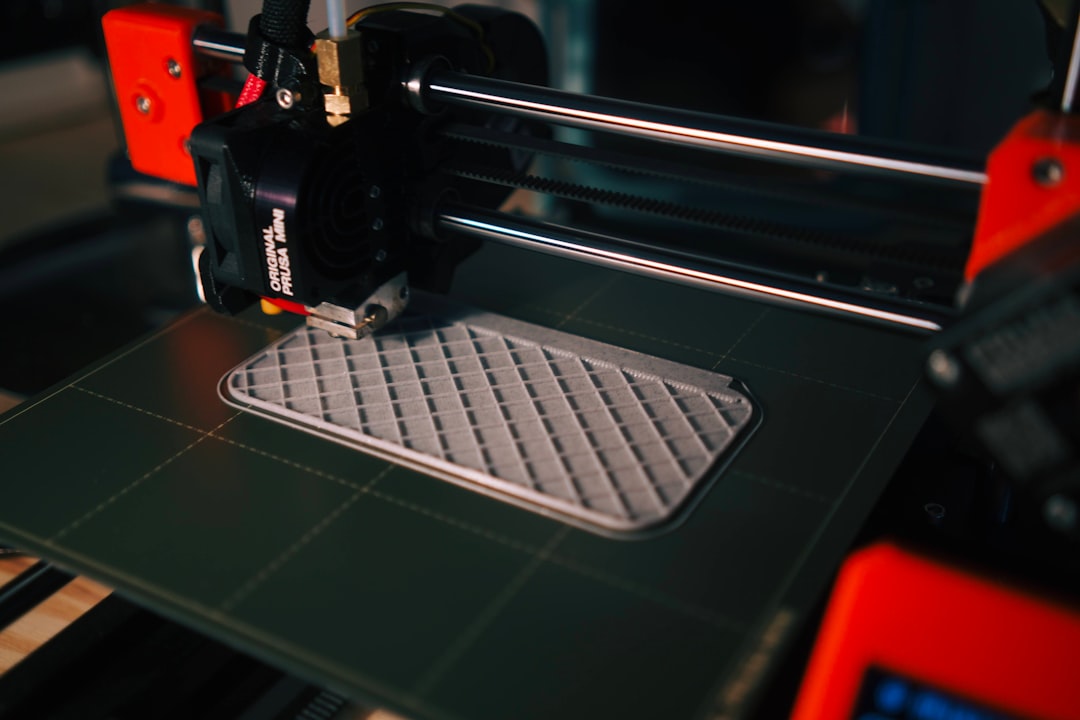
Protolabs 3D printing materials generally fall into four broad groups: rigid plastics, flexible materials, high-performance engineering materials, and metals. Each group serves a different purpose in product development and manufacturing.
- Rigid plastics: Best for prototypes, housings, brackets, fixtures, and components requiring dimensional stability.
- Flexible materials: Suitable for grips, seals, gaskets, wearable components, and soft-touch prototypes.
- Engineering-grade materials: Used when heat resistance, chemical resistance, or mechanical performance is required.
- Metals: Chosen for structural, aerospace, medical, automotive, and industrial applications where strength and durability are critical.
Stereolithography Materials
Stereolithography, often called SLA, uses a laser to cure liquid photopolymer resin into solid parts. This process is valued for its fine detail, smooth surface finish, and tight feature resolution. SLA is often selected for visual models, concept prototypes, master patterns, and parts requiring a polished appearance.
Common SLA-style materials include ABS-like, polypropylene-like, ceramic-like, and clear resins. These materials can mimic certain properties of production plastics, although they are not always identical to molded thermoplastics. SLA resins may be somewhat more sensitive to UV exposure, humidity, or long-term mechanical stress than engineering thermoplastics.
ABS-like materials are often used for general-purpose prototypes, enclosures, and fit-check models. They provide a balance of stiffness, detail, and appearance. Clear materials are useful for lenses, fluid flow visualization, light pipes, and transparent housings. High-temperature resins may be selected for thermal testing, molding applications, or components exposed to elevated temperatures.
SLA is especially helpful when appearance matters. If a team needs a part that can be painted, sanded, or presented to stakeholders, SLA is often one of the most visually refined options.
Selective Laser Sintering Materials
Selective laser sintering, or SLS, uses a laser to fuse powdered thermoplastic material. The most common SLS materials are nylon-based, especially nylon 12 and nylon 11. These materials are popular because they offer good mechanical strength, toughness, and design freedom without requiring support structures.
Nylon 12 is widely used for functional prototypes, snap-fit components, clips, brackets, housings, and production-grade parts. It has strong dimensional stability and good chemical resistance. Nylon 11 is often chosen when higher impact resistance or slightly improved ductility is needed.
SLS produces parts with a slightly grainy surface finish, but that finish is often acceptable for functional parts. Post-processing options may improve color, texture, or final appearance. Because SLS does not require support material, it is also a strong choice for complex designs, nested assemblies, and parts with internal channels.
Multi Jet Fusion Materials
Multi Jet Fusion, commonly abbreviated as MJF, is another powder-based 3D printing technology. It is known for producing durable nylon parts at relatively high speed, making it attractive for functional prototypes and low-volume production.
MJF commonly uses nylon 12 and related polymer powders. Compared with many processes, it can offer strong consistency across batches and good mechanical properties in multiple directions. This helps reduce some of the design concerns associated with anisotropy, where parts may be weaker in one build direction than another.
Design teams often choose MJF for end-use housings, brackets, guides, connectors, jigs, fixtures, and custom manufacturing aids. Its balance of cost, speed, and durability makes it one of the most practical choices for many engineering applications.
Direct Metal Laser Sintering Materials
Direct metal laser sintering, or DMLS, creates metal parts by using a laser to fuse metal powder layer by layer. This process is suitable for complex metal components that would be difficult or expensive to machine conventionally.
Protolabs metal 3D printing materials may include options such as stainless steel, aluminum, titanium, cobalt chrome, and nickel alloys, depending on service availability. Each metal offers a different balance of strength, corrosion resistance, weight, heat tolerance, and biocompatibility.
- Stainless steel: Good for strong, corrosion-resistant industrial parts, tools, brackets, and functional components.
- Aluminum: Useful for lightweight parts, aerospace components, automotive prototypes, and heat-sensitive applications.
- Titanium: Valued for high strength-to-weight ratio, corrosion resistance, and medical or aerospace applications.
- Cobalt chrome: Often selected for wear resistance, heat resistance, and certain medical or dental applications.
- Nickel alloys: Suitable for high-temperature environments, turbines, exhaust systems, and demanding industrial uses.
DMLS is not always the lowest-cost option, but it can provide significant value when part complexity, weight reduction, or performance requirements are high. It is especially effective when consolidating multiple machined components into a single printed part.
Flexible and Elastomeric Materials
Some applications require parts that bend, compress, stretch, or absorb impact. Flexible 3D printing materials are useful for seals, gaskets, footwear components, ergonomic grips, cushioning elements, and wearable prototypes.
Elastomeric materials vary in hardness, usually measured by Shore durometer. A softer material may behave more like rubber, while a harder flexible material may feel closer to a tough plastic with some give. When selecting a flexible material, engineers should consider tear strength, elongation, rebound, compression set, and chemical exposure.
Flexible materials are especially helpful during product development because they allow teams to test feel, fit, ergonomics, and deformation before investing in production tooling.
How to Choose the Right Material
The best material depends on the part’s function. A display model has different needs than a pressurized fluid component or a load-bearing bracket. Protolabs material selection should begin with a clear understanding of what the part must accomplish.
- Define the application: The team should determine whether the part is for appearance, fit testing, functional testing, tooling, or final use.
- Identify mechanical needs: Strength, stiffness, impact resistance, flexibility, and fatigue life should be considered.
- Review environmental exposure: Heat, moisture, UV light, chemicals, and outdoor conditions may affect material performance.
- Consider surface finish: SLA may be favored for smooth finishes, while SLS and MJF may be better for rugged functional parts.
- Check tolerance requirements: Some processes hold tighter tolerances than others, especially for small or detailed features.
- Evaluate cost and quantity: A material that works for one prototype may not be the best choice for 100 production parts.

Material Selection by Application
For visual prototypes, SLA materials are often preferred because they can produce crisp details and smooth surfaces. These parts work well for presentations, ergonomic reviews, and painted models.
For functional prototypes, SLS nylon and MJF nylon are frequently strong candidates. They provide durability and toughness while allowing complex designs. These materials are common for brackets, clips, housings, and moving assemblies.
For high-temperature applications, high-temp SLA resins or metal materials may be more appropriate. The choice depends on whether the part needs only short-term heat exposure or long-term thermal performance.
For lightweight structural components, aluminum or titanium through metal 3D printing may be considered. These materials are often used where weight savings and strength are both important.
For medical, aerospace, or industrial applications, material certifications, traceability, and process documentation may also matter. In these cases, teams should verify current availability, compliance requirements, and finishing options before ordering.
Important Design Considerations
Material choice cannot be separated from design. Wall thickness, hole size, unsupported spans, text features, and build orientation can all influence final part performance. A material that looks suitable on paper may fail if the part is designed with thin walls, sharp internal corners, or stress concentrations.
Designers should account for minimum feature sizes and recommended wall thicknesses for the selected process. Powder-based technologies may allow more geometric freedom, while resin-based technologies may require support structures that affect surface finish. Metal 3D printing may require additional attention to support removal, heat distortion, and post-machining.
It is also important to remember that printed materials can behave differently from injection-molded or machined materials of similar names. For example, an ABS-like resin is not the same as molded ABS. It may replicate certain traits, but its long-term durability, thermal behavior, or chemical resistance may differ.
Post-Processing and Finishing Options
Post-processing can significantly change the appearance and performance of a 3D printed part. Common finishing options include support removal, bead blasting, sanding, dyeing, painting, polishing, machining, heat treatment, and plating.
Plastic parts may be dyed black, smoothed, painted, or sealed depending on the process and material. Metal parts may undergo stress relief, machining, tapping, polishing, or surface treatments to improve final performance. Post-processing should be considered early because it may affect tolerances, lead time, and cost.
Common Mistakes to Avoid
- Choosing only by appearance: A smooth material may not have the strength needed for functional testing.
- Ignoring temperature limits: Some resins deform under heat that engineering plastics or metals can withstand.
- Assuming all nylons are the same: Nylon materials can differ in impact resistance, flexibility, and moisture behavior.
- Overlooking tolerances: Additive processes are precise, but they are not a substitute for machining in every situation.
- Skipping finishing requirements: A part may need dyeing, sanding, sealing, or machining to meet final expectations.
Conclusion
Protolabs 3D printing materials give product teams many options for fast, flexible, and functional part production. SLA materials are strong choices for detail and appearance, while SLS and MJF nylons are excellent for durable functional parts. Metal materials expand the possibilities further by enabling strong, lightweight, and complex components for advanced applications.
The most successful material choice begins with the part’s real-world requirements. By considering mechanical performance, environment, finish, tolerance, and cost, teams can select a Protolabs material that supports faster development and better product outcomes.
FAQ
What is the best Protolabs 3D printing material for functional prototypes?
SLS nylon 12 and MJF nylon 12 are often strong choices for functional prototypes because they offer durability, toughness, and good dimensional stability.
Which material is best for smooth visual models?
SLA materials are typically preferred for smooth, detailed visual models. They are often used for presentation prototypes, painted parts, and design validation models.
Can Protolabs 3D print metal parts?
Yes, Protolabs offers metal 3D printing through processes such as DMLS. Common options may include stainless steel, aluminum, titanium, cobalt chrome, and nickel alloys, depending on availability.
Are 3D printed materials the same as injection-molded plastics?
Not always. Some materials are described as ABS-like or polypropylene-like, but they may not match the exact performance of molded thermoplastics.
How should a team choose between SLA, SLS, MJF, and DMLS?
The decision should be based on part purpose. SLA is best for detail and surface finish, SLS and MJF are strong for durable plastic parts, and DMLS is best for complex metal components with demanding performance requirements.

