
Choosing a website builder is no longer just a design decision. For beginners, it determines how quickly a site can go live without technical help. For businesses, it affects search visibility, sales, scalability, security, and the total cost of ownership. The best platform depends on whether you need a simple portfolio, a local business website, a blog, an online store, or a more advanced marketing hub.
TLDR: Wix, Squarespace, Shopify, WordPress.com, and Webflow are among the strongest overall options, but they serve different needs. Wix is best for flexibility and ease of use, Shopify is best for ecommerce, Squarespace is best for polished design, and WordPress.com is best for content-driven sites. Beginners should prioritize usability and support, while businesses should look carefully at SEO, integrations, payment tools, scalability, and long-term pricing.
How to Compare Website Builders
Before choosing a platform, it is important to compare website builders using practical criteria rather than advertising claims. A serious evaluation should include ease of use, template quality, pricing transparency, ecommerce tools, SEO features, customer support, performance, integrations, and the ability to grow with your business.
Beginners usually benefit from drag-and-drop editors, guided setup, and built-in hosting. Businesses should also consider advanced needs such as CRM integration, booking systems, email marketing, analytics, product management, and user permissions.
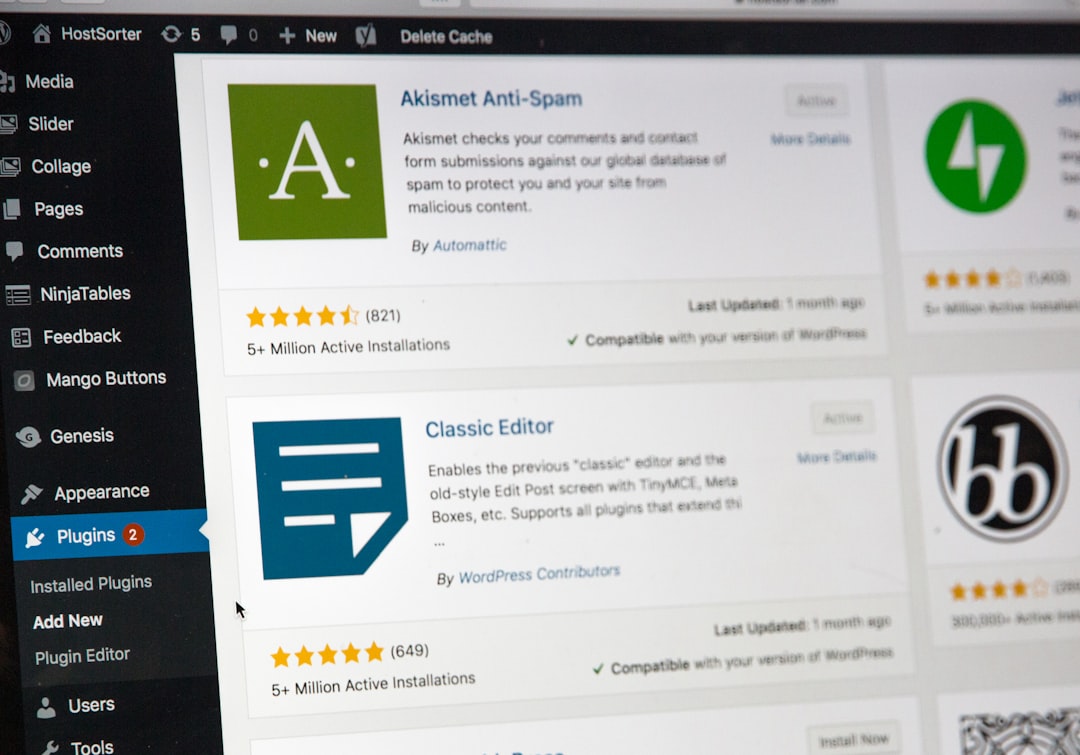
1. Wix
Best for: beginners, small businesses, service providers, portfolios.
Wix is one of the most beginner-friendly website builders available. Its drag-and-drop editor offers significant design freedom, while its templates cover industries such as restaurants, consultants, photographers, fitness studios, and online stores. Wix also includes SEO tools, appointment booking, ecommerce features, forms, and marketing integrations.
Strength: excellent flexibility without needing code. Limitation: too much design freedom can lead to inconsistent layouts if used carelessly.
2. Squarespace
Best for: designers, creatives, restaurants, boutique brands.
Squarespace is known for elegant templates and a polished editing experience. It is particularly strong for visual businesses that need a refined online presence. Built-in blogging, ecommerce, scheduling, and email campaign features make it suitable for small businesses that want everything in one place.
Strength: professional design quality. Limitation: less flexible than some competitors for highly customized layouts.
3. Shopify
Best for: ecommerce businesses of all sizes.
Shopify is a leading choice for online stores because it is built specifically for selling. It supports product catalogs, secure checkout, inventory management, shipping tools, discount codes, abandoned cart recovery, and thousands of third-party apps. Businesses planning serious ecommerce should consider Shopify early.
Strength: powerful ecommerce infrastructure. Limitation: not ideal for non-commerce websites that only need basic pages.
4. WordPress.com
Best for: bloggers, publishers, content-heavy businesses.
WordPress.com offers hosted WordPress functionality with less technical responsibility than self-hosted WordPress. It is especially useful for businesses that publish articles, guides, news, or educational content. Higher-tier plans unlock more customization and plugin options.
Strength: excellent content management. Limitation: advanced customization may require a learning curve.
5. Webflow
Best for: design-focused businesses, agencies, startups.
Webflow combines visual design control with professional-grade website structure. It is more advanced than most beginner tools, but it gives businesses greater control over responsive design, animations, CMS collections, and clean front-end output.
Strength: high design precision. Limitation: less beginner-friendly than Wix or Squarespace.
6. GoDaddy Website Builder
Best for: very small businesses that need a fast launch.
GoDaddy’s website builder is simple and practical. It is suitable for users who want to create a basic business website quickly, with hosting, domain registration, appointments, and marketing tools available from one provider.
Strength: speed and simplicity. Limitation: fewer design and customization options.
7. Weebly
Best for: budget-conscious beginners and simple stores.
Weebly offers an easy editor and straightforward website setup. Its ecommerce tools, supported through Square, make it attractive for small sellers and local businesses.
Strength: simple and affordable. Limitation: fewer modern design features compared with newer competitors.
8. Hostinger Website Builder
Best for: affordable business websites.
Hostinger Website Builder provides templates, AI-assisted tools, hosting, and basic ecommerce features at competitive prices. It is a practical choice for entrepreneurs who need a professional site without a large budget.
Strength: strong value. Limitation: advanced integrations may be limited.
9. Duda
Best for: agencies and client websites.
Duda is designed for efficiency, collaboration, and scalable website production. Agencies appreciate its client management tools, reusable sections, white-label options, and reliable hosting environment.
Strength: excellent for managing multiple sites. Limitation: less attractive for casual personal use.
10. Jimdo
Best for: freelancers and simple business sites.
Jimdo focuses on ease of use and quick setup. It is appropriate for basic websites, portfolios, and small business pages that do not require complex functions.
Strength: very beginner-friendly. Limitation: limited customization depth.
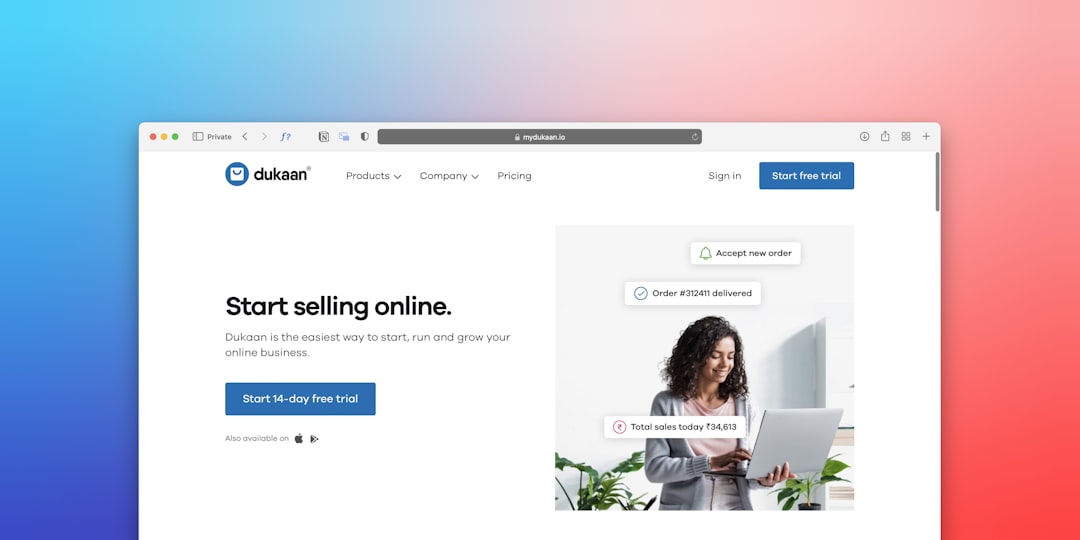
11. Zyro
Best for: simple sites on a tight budget.
Zyro, now closely associated with Hostinger’s website tools, became popular for affordability and ease of use. It offers templates and business-focused features suitable for basic online presence needs.
Strength: low-cost entry point. Limitation: fewer advanced business features.
12. IONOS Website Builder
Best for: small businesses needing guided support.
IONOS offers website building plans with hosting, domain options, email, and business tools. It is especially appealing to users who prefer structured packages and access to support.
Strength: practical business bundles. Limitation: interface may feel less modern than top competitors.
13. Web.com
Best for: local businesses wanting assistance.
Web.com provides DIY website building and professional design services. This makes it suitable for business owners who may want to start themselves but still have access to help if needed.
Strength: service-assisted options. Limitation: pricing and feature details should be reviewed carefully.
14. BigCommerce
Best for: growing ecommerce companies.
BigCommerce is a serious ecommerce platform with strong product management, multi-channel selling, SEO options, and fewer transaction-fee concerns than some alternatives. It is a good fit for businesses planning to scale.
Strength: robust ecommerce functionality. Limitation: more complex than basic builders.
15. WooCommerce
Best for: WordPress-based online stores.
WooCommerce is not a traditional hosted website builder, but it deserves inclusion because it powers many business websites. It is an ecommerce plugin for WordPress and can be extremely flexible when paired with quality hosting and themes.
Strength: high customization and ownership. Limitation: requires more maintenance than hosted builders.
16. Elementor
Best for: WordPress users wanting visual design control.
Elementor is a popular WordPress page builder that lets users create custom layouts visually. It is strong for businesses that want the flexibility of WordPress with a more approachable design interface.
Strength: powerful visual editing. Limitation: depends on WordPress hosting, updates, and plugin management.
17. Carrd
Best for: one-page websites, landing pages, personal profiles.
Carrd is lightweight, fast, and affordable. It is ideal for simple landing pages, event pages, personal profiles, and startup validation pages.
Strength: excellent simplicity. Limitation: not suitable for complex websites.
18. Strikingly
Best for: simple one-page business sites.
Strikingly helps users launch clean, single-page websites quickly. It is useful for freelancers, consultants, and small organizations that need concise web presence without technical complexity.
Strength: fast setup. Limitation: limited for larger websites.
19. Framer
Best for: startups, product pages, modern design teams.
Framer has become popular for modern, interactive websites. It appeals to teams that want stylish landing pages, animations, and fast publishing. Designers may find it especially intuitive.
Strength: sleek modern design capabilities. Limitation: business users may need time to understand its workflow.
20. Google Sites
Best for: internal pages, school projects, simple information hubs.
Google Sites is free and simple, making it useful for basic informational websites, internal team resources, and educational use. However, it is not the best option for professional branding, ecommerce, or advanced SEO.
Strength: free and easy. Limitation: very limited business functionality.
Quick Recommendations by Use Case
- Best overall for beginners: Wix
- Best for elegant design: Squarespace
- Best for ecommerce: Shopify
- Best for content and blogging: WordPress.com
- Best for advanced visual control: Webflow
- Best budget choice: Hostinger Website Builder
- Best for agencies: Duda
- Best for one-page sites: Carrd

What Beginners Should Prioritize
Beginners should choose a builder that reduces friction. Look for clear templates, simple editing, reliable hosting, mobile-responsive design, and accessible customer support. Avoid platforms that require too much technical setup unless you are willing to learn or hire help.
It is also wise to test the editor before committing. A builder may have excellent features, but if the interface feels confusing, site updates will become frustrating over time.
What Businesses Should Prioritize
Businesses should think beyond the launch date. A website must support marketing, sales, trust, and operations. Important features include SEO controls, fast loading times, secure payments, analytics, lead capture forms, CRM integrations, and scalable pricing.
For ecommerce, compare transaction fees, payment gateways, inventory tools, shipping integrations, and tax settings. For service businesses, booking tools, testimonials, location pages, and contact forms may matter more than product features.
Final Verdict
There is no single best website builder for everyone. Wix is a reliable all-purpose choice for beginners and small businesses. Squarespace is excellent when visual presentation is central to the brand. Shopify remains the strongest option for serious online selling, while WordPress.com and Webflow are better suited to users who need deeper content or design control.
The right decision should be based on your actual goals, not just popularity. Start with the type of website you need, estimate the features required over the next two or three years, compare total costs, and choose the platform that gives you the best balance of usability, professionalism, and room to grow.

