
Smart home automation has shifted from a futuristic luxury to an accessible, practical way to improve everyday living. With connected devices becoming more affordable and easier to install, homeowners can now automate lighting, security, temperature, entertainment, and even cleaning with minimal effort. The true appeal of smart homes lies not in flashy gadgets, but in how seamlessly they simplify routines, reduce stress, and save time. By thoughtfully integrating smart technology, you can transform your living space into a responsive environment that works around your needs.
TLDR: Smart home automation makes daily life easier by streamlining routine tasks like lighting, climate control, and security. With voice assistants, smart sensors, and automated schedules, your home can respond intelligently to your habits. These systems help save time, reduce energy use, and enhance peace of mind. Even small upgrades can create noticeable improvements in comfort and convenience.
1. Intelligent Lighting That Adapts to Your Day
Lighting plays a major role in how we feel and function at home. Smart lighting systems allow you to automate brightness and color temperature based on the time of day or activity.
Imagine waking up to soft, gradually brightening lights instead of a blaring alarm. In the evening, lights can automatically dim to create a relaxing atmosphere. You can also program lighting schedules that:
- Turn lights off when you leave the house
- Automatically illuminate hallways at night
- Adjust brightness based on natural daylight
- Simulate occupancy while you’re on vacation
Voice control and smartphone apps make managing lighting effortless. Motion sensors can further enhance convenience by automatically turning lights on when someone enters a room and switching them off when the room is empty.

This level of automation eliminates constant manual adjustments, reduces electricity waste, and enhances the ambiance of your space.
2. Smart Thermostats for Comfort and Savings
Heating and cooling account for a significant portion of household energy usage. A smart thermostat learns your preferences and daily schedule, automatically making adjustments to maximize comfort while minimizing costs.
For example:
- The temperature lowers when you leave for work.
- Your home warms up just before you return.
- Changes occur automatically based on weather forecasts.
Geofencing technology can detect when your smartphone leaves or approaches your home, triggering temperature adjustments without any input from you.
The result is consistent comfort without the constant fiddling with controls. Over time, these small adjustments can significantly reduce energy bills while maintaining a pleasant indoor environment.
3. Seamless Voice Assistants as Central Hubs
Voice assistants act as the command centers of modern smart homes. With simple voice commands, you can control lights, music, thermostats, security systems, and even appliances.
Instead of walking room to room flipping switches, you can say:
- “Turn off all the lights.”
- “Lock the front door.”
- “Start my morning routine.”
Automated routines are especially powerful. A single command can trigger multiple actions at once. For example, a “Good Night” routine might:
- Turn off downstairs lights
- Lower the thermostat
- Arm the security system
- Lock all doors
This integrated control reduces friction in your day and ensures important tasks are never forgotten.
4. Enhanced Security and Peace of Mind
Smart security systems are among the most popular home automation upgrades. They provide real-time monitoring, instant alerts, and remote access.
Features often include:
- Video doorbells with live viewing
- Smart locks with remote control
- Motion detection cameras
- Window and door sensors
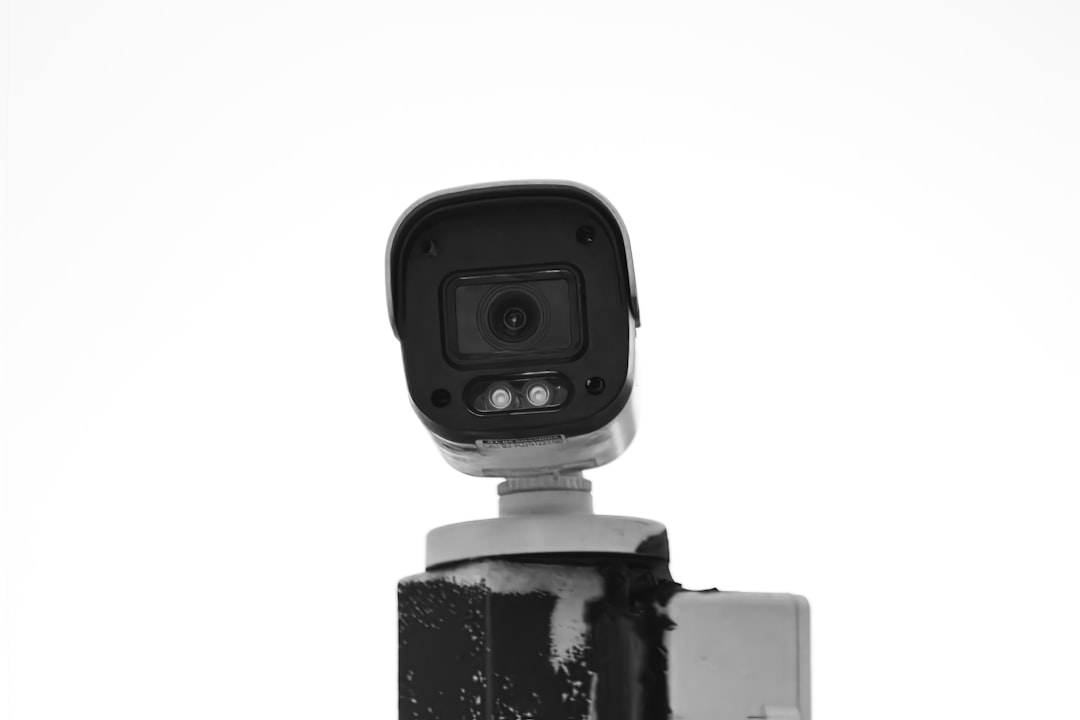
With a smart lock, you can grant temporary access codes to guests or service providers. If you forget to lock the door, you can secure it from anywhere using your phone.
Motion alerts notify you instantly of unusual activity. Many systems allow two-way communication, so you can speak directly to someone at your door—even when you’re miles away.
The greatest benefit is not just safety, but peace of mind.
5. Automated Cleaning for Effortless Maintenance
Robotic vacuum cleaners and smart mops have advanced dramatically in recent years. These devices map your home, avoid obstacles, and clean specific zones on command.
You can schedule cleaning sessions during times when you’re out of the house. Some advanced models even:
- Empty their own dustbins
- Adjust suction power by surface type
- Integrate with voice assistants
Instead of dedicating hours each week to vacuuming, you can maintain tidy floors with minimal effort. It’s a small convenience that delivers consistent results over time.
6. Smart Kitchens That Optimize Daily Routines
The kitchen is often the busiest part of the home, and automation can make it far more efficient.
Smart appliances offer features such as:
- Refrigerators that track inventory
- Ovens you can preheat remotely
- Coffee makers that start brewing automatically
- Dishwashers optimized for energy usage times
A simple example: program your coffee maker to start as soon as your alarm goes off. By the time you enter the kitchen, your coffee is ready.
Connected appliances can also send maintenance reminders or alert you if something is left on, adding another layer of safety and efficiency.
7. Smart Blinds and Energy-Efficient Windows
Motorized blinds and shades provide both comfort and energy savings. They can automatically adjust throughout the day based on sunlight levels.
For instance:
- Blinds close during peak afternoon heat.
- They open in the morning to let natural light in.
- They close at sunset for added privacy.
When integrated with your thermostat, smart blinds help regulate indoor temperatures, reducing strain on heating and cooling systems.

This subtle automation improves comfort without any manual effort.
8. Personalized Entertainment Systems
Smart home entertainment systems bring together audio, video, and streaming services into one cohesive experience.
Instead of juggling remotes, you can:
- Use voice commands to play music
- Create multi-room audio zones
- Automatically dim lights when a movie starts
Some systems can even pause playback when the doorbell rings or when you receive a phone call.
This integration creates immersive environments with minimal effort, turning your living room into a personalized media hub.
9. Water Leak Detection and Smart Plumbing
Water damage is one of the most expensive and disruptive home issues. Smart water leak detectors monitor vulnerable areas such as under sinks, near water heaters, and behind washing machines.
If a leak is detected, you receive instant alerts. Some systems can even shut off the main water supply automatically.
This proactive automation prevents small issues from becoming major disasters and protects your property while you’re away.
10. Integrated Morning and Night Routines
The real power of smart home automation appears when devices work together in harmony.
A well-designed Morning Routine might:
- Gradually brighten bedroom lights
- Start brewing coffee
- Read out the weather forecast
- Warm up the bathroom
A Night Routine could:
- Turn off unnecessary lights
- Lock doors
- Activate security systems
- Lower the thermostat
These automated sequences remove small daily frictions and create smoother transitions between activities.
Getting Started Without Overwhelm
The idea of fully automating your home can feel overwhelming, but it doesn’t have to be.
Start small:
- Install a smart speaker.
- Add smart bulbs in key rooms.
- Upgrade to a smart thermostat.
As you grow comfortable, gradually expand your system. Choose devices that integrate well with one another, ensuring compatibility within the same ecosystem.
The goal is not to fill your home with gadgets, but to create meaningful convenience.
Final Thoughts
Smart home automation is ultimately about simplifying everyday life. By removing repetitive tasks, optimizing energy usage, and enhancing security, it allows you to focus on what truly matters. Whether it’s waking up gently to automated lighting, enjoying consistent comfort through climate control, or knowing your home is secure while you’re away, these systems add tangible value to daily living.
You do not need a fully futuristic house to experience the benefits. Even a few thoughtfully selected smart devices can transform how you interact with your space. As technology continues to evolve, the possibilities for personalization and efficiency will only expand—making the modern smart home less about complexity and more about effortless living.

