

For many people, clutter is more than a minor annoyance—it is a daily source of stress, distraction, and even conflict. Yet despite good intentions, organizing a home or office often feels overwhelming. That is where professional organizers come in. While some assume they simply tidy up closets, their role is far more strategic, personalized, and transformative than most people realize.
TL;DR: Professional organizers help individuals and businesses create functional, sustainable systems for managing belongings, time, and space. They do more than declutter—they assess habits, design storage solutions, and teach long-term maintenance strategies. Hiring one makes sense during life transitions, after major clutter buildup, or when DIY efforts repeatedly fail. Their goal is not just a cleaner space, but improved productivity, clarity, and peace of mind.
A professional organizer works as part strategist, part coach, and part problem-solver. Their mission is to help clients regain control over their environments in ways that align with their routines and personalities. Rather than imposing one-size-fits-all rules, they create customized systems designed to last.
What Professional Organizers Actually Do
1. Assess the Space and Identify Pain Points
Every project begins with an assessment. Organizers evaluate how a space is currently used, where bottlenecks occur, and what is causing frustration. This may involve:
- Observing traffic flow in a room
- Reviewing storage capacity
- Identifying unused or duplicated items
- Asking detailed questions about daily routines
This step is critical because clutter is often a symptom of deeper issues—lack of systems, unclear storage zones, or unrealistic expectations about space.
2. Guide the Decluttering Process
Decluttering is one of the most visible parts of the job, but it is rarely as simple as “throw things away.” Professional organizers help clients make intentional decisions about what to keep, donate, sell, or discard.
They provide objective feedback and keep clients focused, especially when emotional attachment or decision fatigue sets in. In some cases, they also coordinate donation drop-offs or haul-away services.

3. Design Functional Systems
Once unnecessary items are removed, organizers design systems tailored to the client’s lifestyle. This might include:
- Creating zones within rooms for specific activities
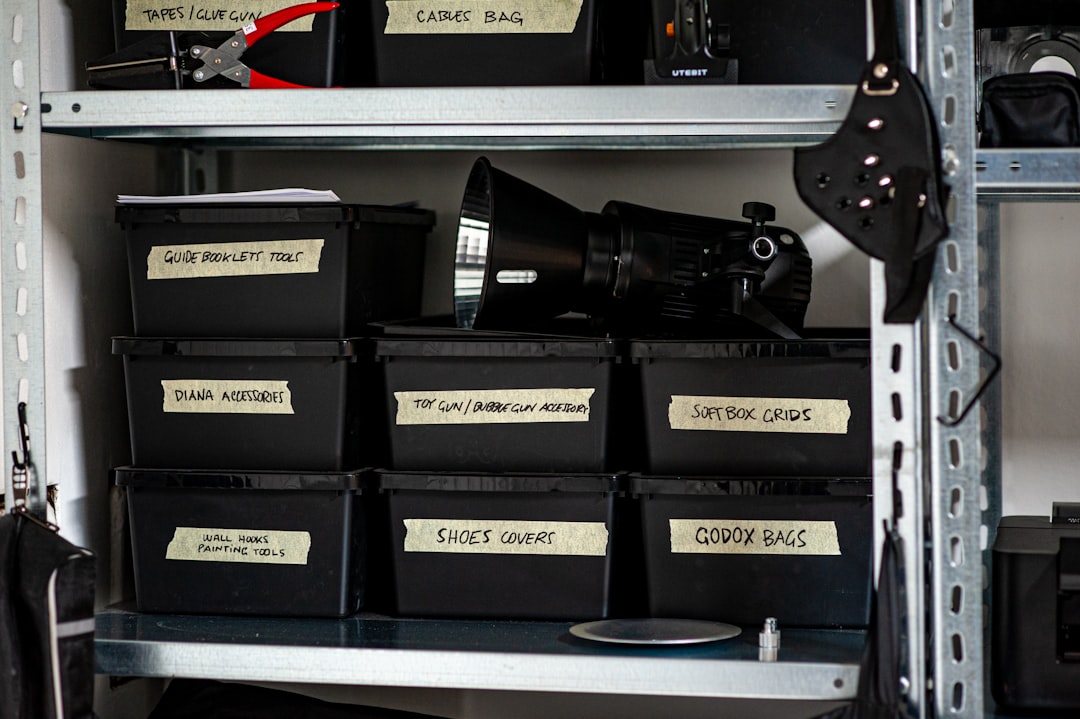
- Labeling containers for clarity and consistency
- Implementing storage solutions such as bins, drawer dividers, or shelving
- Rearranging furniture for better flow and accessibility
The focus is always on functionality. A beautifully arranged closet means little if it cannot be maintained. Sustainable organization depends on ease of use.
4. Teach Maintenance Habits
Perhaps the most underrated aspect of their work is education. Professional organizers teach clients how to maintain systems through practical routines and simple habits. They may suggest:
- Weekly reset routines
- Daily five-minute tidying sessions
- Seasonal purge checklists
- Intake rules (e.g., one in, one out)
Without maintenance strategies, even the best organizing systems can break down.
5. Support During Life Transitions
Organizers frequently assist during significant life changes, such as:
- Moving to a new home
- Downsizing
- Combining households after marriage
- Preparing for a baby
- Managing an estate after a loss
In these moments, having a calm, structured approach can reduce stress and prevent chaos.
6. Help Businesses Improve Efficiency
Professional organizing is not limited to homes. Many organizers work with small businesses and corporations to improve workflow, file management, inventory systems, and shared spaces.
Image not found in postmetaOffice organization often includes:
- Digital file structuring
- Paper reduction systems
- Inventory management improvements
- Workspace redesign for productivity
In business settings, improved organization often translates directly into time savings and increased revenue.
Common Misconceptions About Professional Organizers
“They will judge my mess.”
Professional organizers are trained to approach clutter without judgment. They understand that disorganization can result from busy schedules, health challenges, or life transitions.
“They just buy pretty containers.”
Storage products are tools—not solutions. An organizer focuses first on reducing excess and designing systems before recommending products.
“I should be able to do this myself.”
While some people can organize independently, others benefit from an external perspective. Just as one might hire a trainer for fitness goals, an organizer provides accountability and expertise.
When It Makes Sense to Hire a Professional Organizer
1. Clutter Is Causing Stress or Conflict
If disorganization is leading to anxiety, missed deadlines, or family arguments, outside help can restore calm and clarity.
2. You Feel Overwhelmed and Don’t Know Where to Start
Many people remain stuck because the task feels too large. An organizer breaks projects into manageable steps.
3. Major Life Changes Are Underway
Moving, downsizing, or welcoming a new family member significantly increases decision-making demands. Organized planning reduces unnecessary chaos.
4. Repeated DIY Attempts Have Failed
If organization efforts consistently revert to disorder, the issue may be system design—not motivation.
5. Time Is More Valuable Than DIY Savings
Professionals can complete projects efficiently, saving weeks or months of inconsistent effort.
What a Typical Organizing Session Looks Like
Though each organizer has their own approach, a typical process includes:
- Initial consultation: Discuss goals, budget, and timeline.
- Planning: Outline strategy and project scope.
- Hands-on session: Declutter, categorize, and reorganize.
- System implementation: Add storage solutions if needed.
- Follow-up: Refine and adjust systems after testing.
The Benefits Beyond a Tidy Space
Professional organizing offers ripple effects that extend far beyond visual neatness. Clients often report:
- Improved mental clarity
- Reduced daily stress
- Greater productivity
- More usable space
- Better time management
An organized environment supports focus and decision-making. When physical clutter decreases, mental bandwidth often increases.
Cost Considerations
Rates vary depending on experience, location, and project complexity. Some charge hourly, while others offer package pricing. Though the service is an investment, the long-term returns—saved time, reduced stress, increased efficiency—often outweigh the upfront cost.
Clients are encouraged to discuss expectations clearly and request detailed estimates. Transparency ensures aligned goals and realistic planning.
Is Hiring a Professional Organizer Worth It?
For individuals who feel constantly behind, overwhelmed by possessions, or stuck in cycles of clutter, hiring a professional organizer can be transformative. Rather than simply creating order, organizers help reshape habits and systems that influence daily life.
It is not about perfection. It is about functionality. When a home or workspace supports rather than hinders its occupants, energy can shift toward what truly matters.
Frequently Asked Questions (FAQ)
1. How long does it take to organize a home?
The timeline depends on the size of the space and the amount of clutter. A single room may take one or two sessions, while a full home can require several weeks of phased work.
2. Do I have to be present during the organizing process?
Most organizers prefer clients to be present, especially during decluttering, since decisions about belongings are personal. Some offer maintenance or follow-up services independently once systems are established.
3. Will a professional organizer make me throw away my belongings?
No. Organizers guide and advise, but final decisions always remain with the client.
4. How should someone prepare before hiring an organizer?
It helps to identify goals, problem areas, and budget. However, it is not necessary to clean beforehand—organizers need to see the space in its natural state.
5. Are professional organizers only for wealthy people?
Not at all. People from many income levels hire organizers, particularly during transitions or busy life stages. Services vary in scope and pricing to accommodate different needs.
6. Can professional organizers help with digital clutter?
Yes. Many offer digital organization services, including email management, cloud file structuring, and workflow optimization.
7. How do I find a reputable professional organizer?
Look for certifications, client testimonials, and clear service descriptions. An initial consultation is also a good opportunity to evaluate compatibility and communication style.
Ultimately, professional organizers do far more than tidy spaces. They create systems that support goals, reduce stress, and transform environments into places of clarity and purpose.

)