
Building a website in 2026 is easier than ever. You don’t need to know how to code. You don’t need a big budget. And you definitely don’t need a full tech team. Today’s website builders are smart, fast, and powered by AI. They help small businesses look big.
TLDR: The best website builders in 2026 make it simple for small businesses to create beautiful, fast, and mobile-friendly websites. Wix, Shopify, Squarespace, and Webflow lead the pack, but there are other strong options depending on your needs. Some tools are better for ecommerce. Others shine with design or simplicity. Pick the one that fits your goals and budget.
If you run a small business, your website is your digital storefront. It needs to be clean. It needs to load fast. And it needs to convert visitors into customers.
Let’s explore the 10 most powerful website builders for small businesses in 2026.
1. Wix – The All-Around Powerhouse
Wix continues to dominate. And for good reason.
It offers:
- AI website creation in minutes
- Hundreds of modern templates
- Built-in marketing tools
- Strong ecommerce features
You answer a few questions. Wix builds your site automatically. Then you drag and drop to customize.
It’s beginner-friendly. But still powerful.
Best for: Service businesses, freelancers, local shops.
2. Shopify – The Ecommerce King
If you sell products, Shopify is hard to beat.
It focuses almost entirely on ecommerce. That’s its strength.
Features include:
- Advanced inventory management
- AI product descriptions
- Multi-channel selling
- Powerful checkout system
It connects with Amazon, Instagram, TikTok, and more.
Best for: Online stores, dropshipping, retail brands.
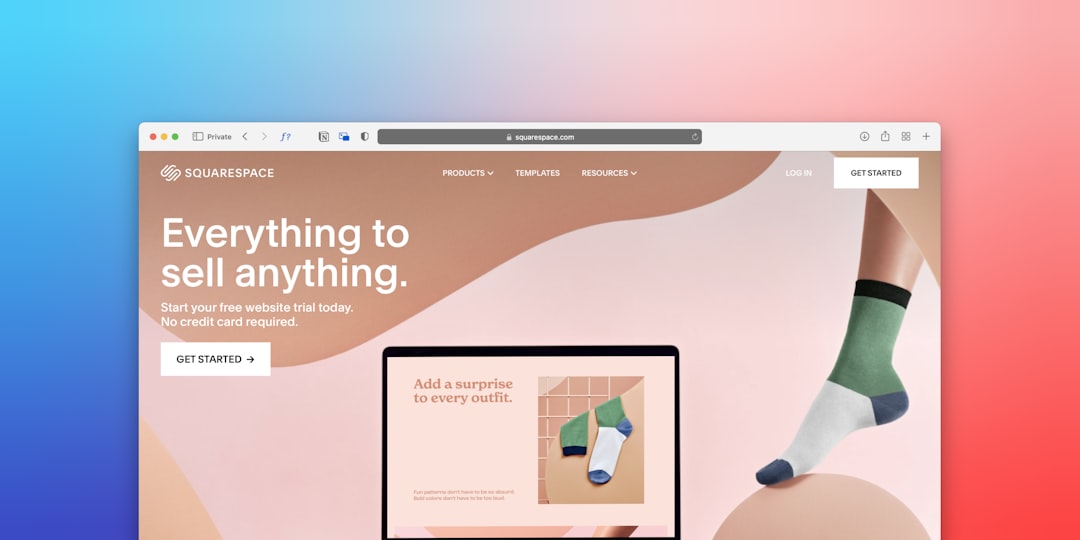
3. Squarespace – The Design Favorite
Squarespace is known for beauty.
Its templates are sleek. Modern. Professional.
You don’t get as much flexibility as Wix. But you get polish.
Top features:
- Stunning portfolios
- Built-in blogging
- Email marketing tools
- Appointment booking
Best for: Creatives, photographers, coaches, restaurants.
4. Webflow – Design Freedom with Power
Webflow is for people who want control.
It blends visual building with advanced customization.
You can design almost anything. Without writing code. But it helps if you understand structure.
Why businesses love it:
- Clean code output
- Fast hosting
- Advanced animations
- Strong CMS system
Best for: Agencies, tech startups, design-focused brands.
5. GoDaddy Website Builder – Fast and Simple
Need a site today?
GoDaddy’s builder is incredibly fast. Its AI creates a full website in minutes.
You won’t get deep customization. But you will get simplicity.
Main benefits:
- Quick setup
- Built-in marketing dashboard
- Easy domain connection
Best for: New businesses that need a quick online presence.
6. Hostinger Website Builder – Budget-Friendly AI
Hostinger has grown fast in 2026.
It’s affordable. But surprisingly powerful.
Features include:
- AI website generator
- AI copywriter
- AI logo maker
- Heatmap insights
It’s perfect if you’re starting small.
Best for: Startups and solopreneurs on a budget.
7. Squarespace Commerce – For Stylish Selling
While basic Squarespace is great for content, its commerce version steps things up.
You get:
- Product subscriptions
- Member areas
- Premium checkout experience
It’s not as deep as Shopify. But it looks better out of the box.
Best for: Boutique brands and premium products.
8. Duda – Built for Agencies
Duda flies under the radar.
But it’s powerful.
It focuses on helping agencies build multiple small business websites fast.
Highlights:
- White label options
- Client management tools
- Strong performance optimization
Best for: Web professionals managing client sites.
9. WordPress.com – Flexible and Scalable
WordPress.com combines simplicity with power.
It’s not the same as self-hosted WordPress. It’s easier.
Advantages:
- Thousands of themes
- Plugin support on higher plans
- Great blogging tools
It grows with your business.
Best for: Content-driven businesses and bloggers.
10. Framer – The New Creative Contender
Framer is rising fast in 2026.
It started as a design tool. Now it’s a full website builder.
It’s clean. Interactive. And very modern.
Why it stands out:
- Smooth animations
- AI layout generation
- Lightning-fast performance
Best for: Startups and tech brands.
Quick Comparison Chart
| Platform | Best For | Ease of Use | Ecommerce | Design Flexibility |
|---|---|---|---|---|
| Wix | All-around small business | Very Easy | Strong | High |
| Shopify | Online stores | Easy | Excellent | Medium |
| Squarespace | Creatives | Easy | Good | Medium |
| Webflow | Design pros | Moderate | Growing | Very High |
| GoDaddy | Quick launch | Very Easy | Basic | Low |
| Hostinger | Budget startups | Easy | Good | Medium |
| Duda | Agencies | Moderate | Good | High |
| WordPress.com | Blogging | Moderate | Good | High |
| Framer | Startups | Moderate | Basic | Very High |
How to Choose the Right One
Here’s the simple formula:
- Selling products? Shopify.
- Need flexibility? Wix.
- Care about design? Squarespace or Framer.
- On a tight budget? Hostinger.
- Building client sites? Duda.
Also consider:
- Your monthly budget
- Your technical comfort level
- Your growth plans
- SEO capabilities
Most platforms offer free trials. Test them.
What Makes a Website Builder “Powerful” in 2026?
Power is not just about features.
In 2026, the strongest builders offer:
- AI automation
- Fast page speed
- Mobile-first design
- Built-in SEO tools
- Marketing integrations
Speed matters more than ever. So does user experience.
Google rewards performance. Customers reward clarity.
Final Thoughts
You don’t need to overthink it.
All the builders on this list are powerful. The right one depends on your business model.
Start simple. Launch fast. Improve over time.
Your website doesn’t have to be perfect. It just has to be live.
In 2026, small businesses have more tools than ever. The playing field is level.
Pick a platform. Build your site. And start growing.

