

Running marketing operations on a self-hosted infrastructure has become increasingly appealing for organizations that value data control, customization, and cost predictability. Open-source marketing platforms allow businesses to deploy powerful tools on their own servers while avoiding recurring SaaS fees and vendor lock-in. From email automation to analytics and CRM, there are robust solutions that rival proprietary platforms in both features and scalability.
TL;DR: Open-source marketing platforms give businesses full control over their data, infrastructure, and customization. Tools like Mautic, Matomo, and SuiteCRM provide powerful capabilities comparable to mainstream SaaS solutions. Self-hosting requires technical oversight but offers long-term flexibility and potential cost savings. The right platform depends on your team’s technical resources and marketing goals.
Below are seven open-source marketing platforms that can be successfully deployed on your own server.
1. Mautic – Open-Source Marketing Automation
Mautic is widely regarded as the leading open-source marketing automation platform. It supports email marketing, campaign automation, landing pages, forms, and contact segmentation. Because it is self-hosted, companies retain complete ownership of customer data.
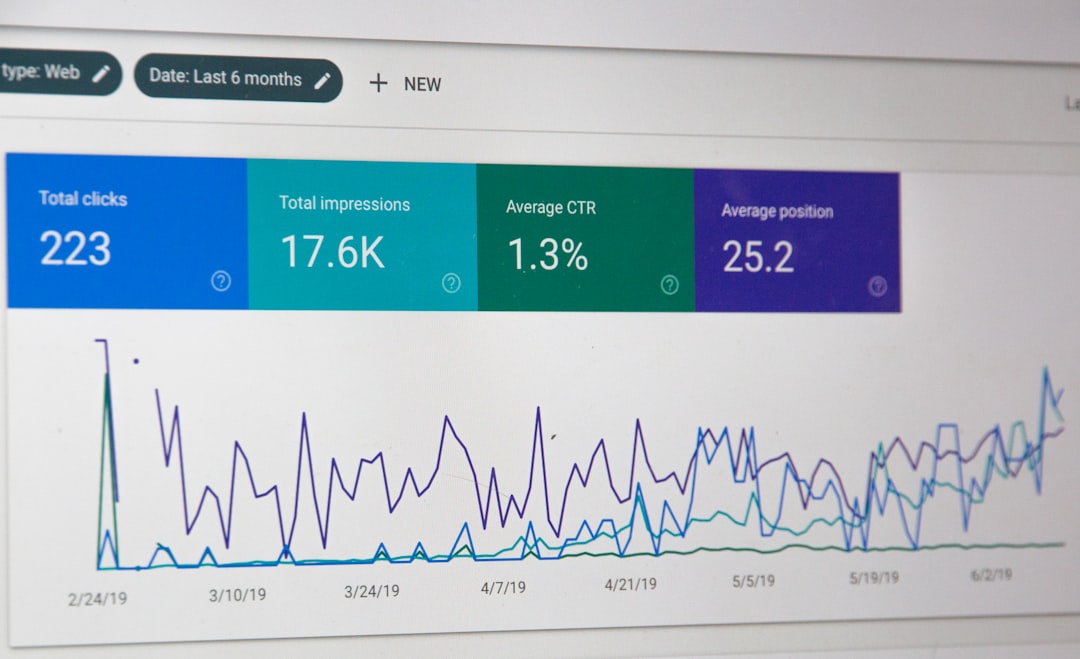
Key features:
- Drag-and-drop campaign builder
- Email automation and drip campaigns
- Contact scoring and segmentation
- API integrations with third-party tools
- Detailed reporting and analytics
Mautic is best suited for organizations that want advanced automation without paying enterprise SaaS pricing. However, it does require server management and periodic updates.
2. Matomo – Privacy-Focused Web Analytics
Matomo (formerly Piwik) is an open-source alternative to Google Analytics. It provides comprehensive website traffic insights while maintaining full data ownership and privacy compliance. This makes it particularly attractive to European and privacy-conscious organizations.
Key features:
- Real-time visitor tracking
- Heatmaps and session recordings
- Goal and conversion tracking
- GDPR compliance tools
- Customizable dashboards
By hosting Matomo internally, companies eliminate third-party data sharing and maintain strict regulatory adherence.
3. SuiteCRM – Customer Relationship Management
SuiteCRM is a powerful CRM built as a fork of SugarCRM Community Edition. It provides robust sales and marketing tools suitable for small and enterprise-level businesses.
Key features:
- Lead management and opportunity tracking
- Email campaign management
- Workflow automation
- Reporting and forecasting tools
- REST API support
SuiteCRM integrates well with marketing automation platforms like Mautic, forming a complete open-source marketing stack.
4. Odoo – All-in-One Business Suite with Marketing Tools
Odoo offers a modular open-source platform covering CRM, email marketing, social media management, and eCommerce. While not exclusively a marketing tool, its integrated environment simplifies cross-department workflows.

Key features:
- Email and SMS marketing
- Marketing automation workflows
- Event management tools
- Built-in CRM
- eCommerce integration
Odoo is ideal for businesses seeking a unified platform that connects marketing with operations and sales.
5. LimeSurvey – Open-Source Survey Platform
LimeSurvey enables organizations to create advanced online surveys for customer feedback, market research, and lead generation. When hosted locally, survey data remains fully internal.
Key features:
- Unlimited surveys and questions
- Conditional logic and branching
- Anonymous and token-based responses
- Data export in multiple formats
- Custom branding options
It is especially useful for businesses that rely on feedback-driven marketing strategies.
6. OpenEMM – Professional Email Marketing
OpenEMM is an enterprise-level email marketing solution available in open-source form. It handles high-volume campaigns and detailed subscriber segmentation.
Key features:
- Advanced mailing list management
- Responsive email templates
- Performance analytics
- SOAP and REST API integration
- A/B testing capabilities
While not as modern in interface as some competitors, OpenEMM remains reliable for large-scale deployments.
7. Plausible Analytics – Lightweight Web Analytics
Plausible Analytics offers a simple, privacy-friendly analytics solution. Though often used in hosted form, it can also be self-deployed for full control.

Key features:
- Lightweight script with minimal performance impact
- No cookies by default
- Simple, clean dashboard
- Open-source transparency
- Easy deployment via Docker
Plausible is perfect for teams seeking straightforward insights without overwhelming dashboards.
Comparison Chart
| Platform | Primary Use | Best For | Technical Complexity | Scalability |
|---|---|---|---|---|
| Mautic | Marketing Automation | Email campaigns & automation | Medium | High |
| Matomo | Web Analytics | Privacy-focused analytics | Low to Medium | High |
| SuiteCRM | CRM | Sales & customer management | Medium | High |
| Odoo | All-in-one Suite | Integrated business operations | Medium to High | High |
| LimeSurvey | Surveys | Customer feedback & research | Low | Medium |
| OpenEMM | Email Marketing | High-volume campaigns | Medium to High | High |
| Plausible | Web Analytics | Lightweight tracking | Low | Medium |
Advantages of Running Marketing Platforms on Your Own Server
- Full Data Ownership: No external vendors accessing customer information.
- GDPR and Compliance Control: Easier alignment with regulatory standards.
- Customization: Full access to modify code and integrations.
- Cost Efficiency: Lower long-term expenses compared to subscription models.
- Infrastructure Flexibility: Choose hosting environment and scaling strategy.
Potential Challenges to Consider
- Technical Expertise Required: Server administration knowledge is necessary.
- Maintenance Responsibility: Updates, patches, and backups must be managed.
- Security Management: Proper firewall, encryption, and monitoring setups are essential.
- Initial Setup Time: Deployment may take longer than subscribing to a SaaS tool.
Organizations considering this approach should evaluate internal IT capabilities before migrating completely away from hosted solutions.
Frequently Asked Questions (FAQ)
1. Are open-source marketing platforms really free?
Most platforms are free to download and use. However, costs may arise from hosting, maintenance, customization, and support services.
2. Do I need a dedicated server?
Not necessarily. Many tools run on cloud VPS environments. Larger operations may require dedicated or scalable cloud infrastructure.
3. How secure are self-hosted marketing platforms?
Security depends on server configuration and maintenance practices. When properly configured, open-source platforms can be highly secure.
4. Can these tools scale with business growth?
Yes. Most of the platforms listed support scaling through load balancing, containerization, or database optimization.
5. How difficult is migration from a SaaS platform?
Migration complexity depends on data structure and integrations. Many open-source platforms offer import tools and APIs to ease the transition.
6. What technical skills are required?
Basic Linux server administration, database management, and web hosting knowledge are typically sufficient for setup and maintenance.
By selecting the right combination of tools, organizations can build a complete, self-hosted marketing ecosystem tailored to their strategic goals—without sacrificing control or flexibility.

