
Modern warehouses are under relentless pressure to move goods faster, more accurately, and at lower cost than ever before. Rising customer expectations, labor shortages, and increasingly complex supply chains have pushed logistics leaders to adopt advanced robotics systems. At the heart of these systems are powerful control tools that coordinate fleets of machines, optimize material flow, and deliver real-time intelligence across operations.
TLDR: Warehouse robotics control tools are essential for automating and scaling logistics operations. Three key tools—Warehouse Execution Systems (WES), Robotic Fleet Management Software (RFMS), and AI-Powered Vision & Control Platforms—enable seamless coordination, task optimization, and real-time decision-making. Together, they improve productivity, reduce human error, and enhance warehouse safety. Organizations that integrate these platforms effectively gain a major competitive advantage in modern logistics.
Robots alone do not create an automated warehouse. It is the control tools behind the scenes that ensure autonomous mobile robots (AMRs), robotic arms, and conveyor systems operate in harmony. The following three warehouse robotics control tools are transforming how distribution centers and fulfillment hubs function.
1. Warehouse Execution Systems (WES)
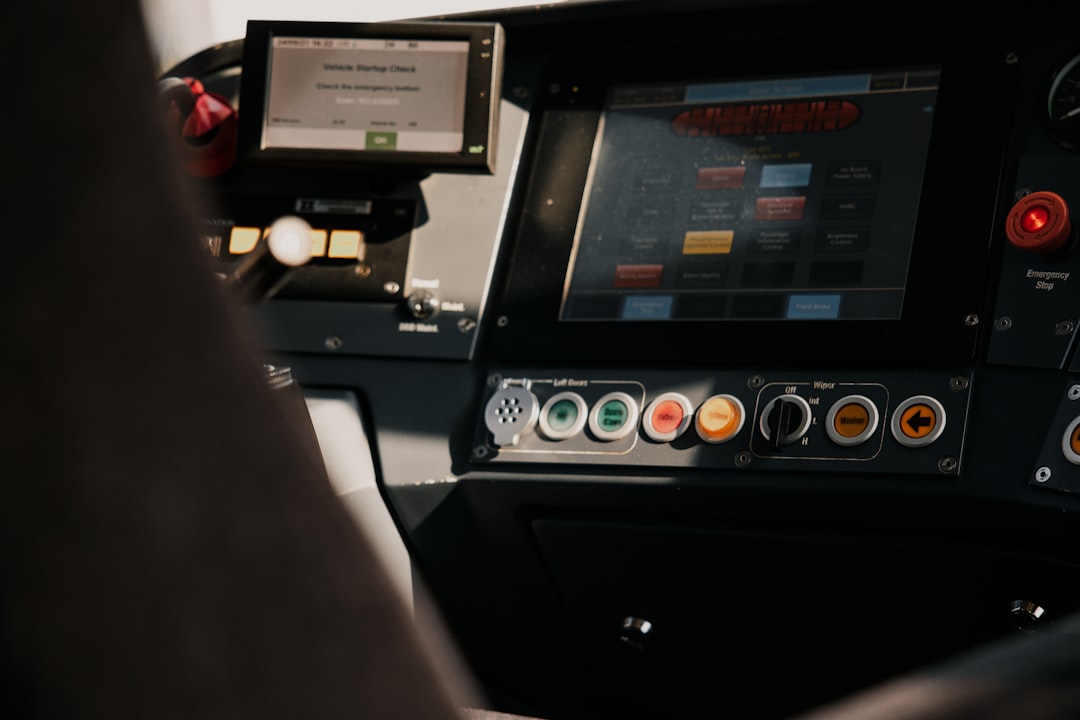
A Warehouse Execution System (WES) acts as the operational brain between high-level warehouse management software and physical automation equipment. While a Warehouse Management System (WMS) handles inventory, orders, and reporting, the WES focuses on real-time execution of workflows on the warehouse floor.
Key Functions of a WES
- Task orchestration: Assigns picking, sorting, and replenishment tasks to robots and workers.
- Workflow optimization: Dynamically prioritizes orders based on shipping deadlines and capacity.
- System integration: Connects conveyors, sorters, ASRS systems, and robotics under one control layer.
- Exception management: Identifies bottlenecks and reroutes tasks in real time.
By coordinating people and machines simultaneously, a WES ensures that resources are used efficiently. For example, if an autonomous mobile robot is delayed, the system can reassign the task to another robot or shift the workload to human pickers.
Operational Benefits
- Reduced order processing times
- Improved throughput during peak demand
- Lower labor dependency
- Enhanced visibility across operations
In high-volume e-commerce fulfillment centers, WES platforms can dramatically shorten picking cycles and reduce mis-shipments. Their ability to respond to real-time data makes them indispensable for warehouses managing fluctuating order volumes.
2. Robotic Fleet Management Software (RFMS)
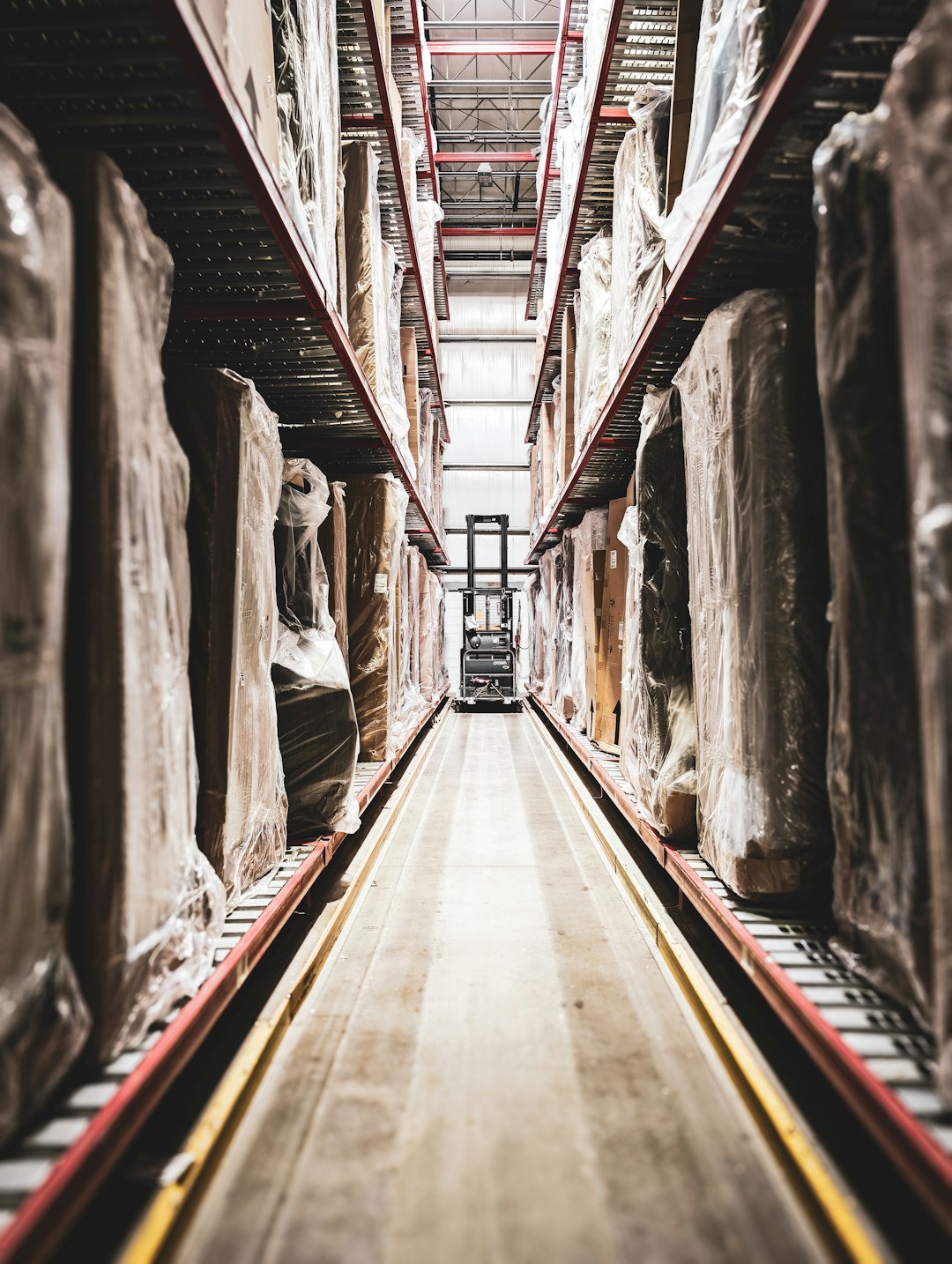
Modern warehouses often deploy dozens—or even hundreds—of mobile robots. Coordinating this robotic workforce requires specialized Robotic Fleet Management Software (RFMS). This tool ensures each robot operates efficiently, safely, and without collisions.
Core Capabilities of RFMS
- Traffic control: Manages robot pathways to prevent congestion and collisions.
- Battery monitoring: Tracks power levels and schedules automated charging.
- Task allocation: Assigns missions based on proximity, availability, and priority.
- Performance analytics: Monitors productivity metrics and system health.
Without RFMS, robotic deployments can quickly become chaotic. Multiple machines operating independently may interfere with one another, leading to downtime or safety risks. Fleet management software centralizes oversight and enables dynamic rerouting when obstacles occur.
Scalability and Flexibility
One of the greatest advantages of RFMS is scalability. As warehouses grow, new robots can be integrated into the system with minimal reconfiguration. Cloud-based dashboards allow managers to monitor fleet performance across multiple facilities from a single interface.
Additionally, RFMS platforms often include simulation features. Managers can test layout changes or increased robot volumes in a virtual environment before deploying changes physically. This reduces risk and enhances planning capabilities.
3. AI-Powered Vision & Control Platforms
The third critical tool in warehouse automation is the AI-powered vision and control platform. These systems utilize machine learning, computer vision, and sensor fusion technologies to guide robotic arms, picking systems, and quality inspection processes.
Image not found in postmetaMain Functionalities
- Object recognition: Identifies items of varying shapes and sizes.
- Adaptive grasping: Adjusts grip strength and angle for secure handling.
- Quality inspection: Detects defects or damaged goods.
- Continuous learning: Improves performance through data analysis.
Traditional robotic systems required structured environments and standardized packaging. AI-driven platforms, however, allow robots to pick irregular items from cluttered bins, dramatically expanding automation potential in sectors like grocery, apparel, and electronics.
Impact on Accuracy and Labor
AI-based control tools significantly reduce picking errors and returns. They also allow warehouses to automate tasks previously considered too complex for machines. As labor shortages persist, these intelligent systems provide a sustainable solution for maintaining productivity.
Comparison of the Three Robotics Control Tools
| Feature | Warehouse Execution System (WES) | Robotic Fleet Management Software (RFMS) | AI Vision & Control Platform |
|---|---|---|---|
| Primary Focus | Workflow orchestration | Robot coordination | Intelligent handling & inspection |
| Manages Multiple Robots | Yes | Yes (core function) | Yes (task-specific) |
| AI Capabilities | Moderate | Moderate | Advanced machine learning |
| Improves Throughput | High | High | Medium to High |
| Best For | End-to-end coordination | Large robot fleets | Complex picking tasks |
How These Tools Work Together
Individually, each control tool enhances a specific aspect of warehouse automation. Together, they create a synchronized logistics ecosystem:
- The WES determines what needs to be done and when.
- The RFMS ensures robots execute tasks efficiently and safely.
- The AI platform enables precise object handling and intelligent decision-making.
For instance, when an online order is placed, the WES prioritizes the order and assigns picking tasks. The RFMS dispatches the nearest available robot to the correct aisle. The AI vision system then guides a robotic arm to select the exact item, verify its condition, and place it for packaging. This tightly integrated process minimizes manual intervention and maximizes speed.
Implementation Considerations
Deploying robotics control tools requires careful planning. Warehouses must evaluate:
- Infrastructure readiness: Floor layout, Wi-Fi coverage, and charging stations.
- System integration: Compatibility with existing WMS and ERP systems.
- Change management: Employee training and role redefinition.
- Scalability goals: Future expansion and seasonal fluctuations.
Organizations that adopt a phased implementation approach often experience smoother transitions. Starting with fleet management or AI picking modules and layering a WES later can minimize operational disruption.
The Future of Warehouse Robotics Control
Emerging trends such as edge computing, 5G connectivity, and predictive analytics are pushing robotics control tools even further. Future platforms will likely feature:
- Autonomous decision-making with minimal human supervision
- Real-time global fleet visibility across multiple sites
- Predictive maintenance powered by machine learning
- Enhanced human-robot collaboration interfaces
As these innovations mature, warehouses will move closer to fully autonomous operations. Control tools will evolve from execution engines to intelligent orchestration platforms that continuously adapt to real-world variables.
Frequently Asked Questions (FAQ)
1. What is the difference between a WMS and a WES?
A Warehouse Management System (WMS) focuses on inventory tracking, order management, and reporting. A Warehouse Execution System (WES) operates in real time to coordinate workflows and automation equipment on the warehouse floor.
2. Can robotic fleet management software work with different robot brands?
Many modern RFMS platforms are designed to support multi-vendor environments. However, compatibility depends on integration standards and communication protocols.
3. Are AI-powered vision systems expensive to implement?
Initial costs can be high due to hardware and software requirements. However, long-term savings from reduced labor costs and improved accuracy often justify the investment.
4. How long does it take to deploy warehouse robotics control tools?
Implementation timelines vary depending on warehouse size and complexity. Small deployments may take a few months, while enterprise-level integrations can require a year or more.
5. Do robotics control tools eliminate the need for human workers?
No. These systems typically augment human labor rather than replace it entirely. Employees often transition into supervisory, maintenance, or analytical roles.
6. What industries benefit most from these tools?
E-commerce, retail distribution, manufacturing, pharmaceuticals, and third-party logistics providers benefit significantly from robotics control platforms.
By leveraging Warehouse Execution Systems, Robotic Fleet Management Software, and AI-powered vision platforms, logistics operations gain unprecedented precision, speed, and resilience. These tools form the technological backbone of the intelligent warehouse, enabling companies to meet rising demands while maintaining operational excellence.

