

Workplace management is the art and science of creating an environment where people, processes, spaces, and technology work together smoothly. Whether your organization is fully office-based, hybrid, remote-first, or spread across multiple locations, effective workplace management helps teams stay productive, engaged, safe, and aligned with business goals.
TLDR: Workplace management covers everything from office layout and employee experience to technology, policies, safety, and performance. A well-managed workplace removes friction, supports collaboration, and helps employees do their best work. The best approach combines clear processes, smart tools, flexible planning, and regular feedback. When done well, workplace management becomes a strategic advantage rather than just an administrative function.
What Is Workplace Management?
Workplace management refers to the coordinated planning and operation of a work environment. It includes managing physical spaces, digital tools, employee needs, facilities, resources, communication systems, and organizational policies. In simple terms, it is about making sure the workplace functions efficiently and supports the people using it.
In the past, workplace management often focused mainly on office maintenance, seating arrangements, and administrative tasks. Today, it is much broader. Modern workplace managers must consider employee experience, hybrid work models, health and safety, sustainability, data analytics, workplace technology, and company culture.
Why Workplace Management Matters
A workplace is more than desks, meeting rooms, and software. It shapes how people communicate, solve problems, and feel about their jobs. Poorly managed workplaces create confusion, wasted time, low morale, and unnecessary costs. Well-managed workplaces make work easier, clearer, and more enjoyable.
Strong workplace management can help organizations:
- Improve productivity by reducing distractions, bottlenecks, and inefficient processes.
- Support employee wellbeing through safer, healthier, and more comfortable environments.
- Increase collaboration by designing spaces and systems that encourage teamwork.
- Control costs by using office space, equipment, and resources more effectively.
- Strengthen culture by creating consistent, welcoming, and inclusive experiences.
- Adapt to change by supporting flexible work, growth, restructuring, or new business priorities.
Key Elements of Workplace Management
1. Space Planning and Office Design
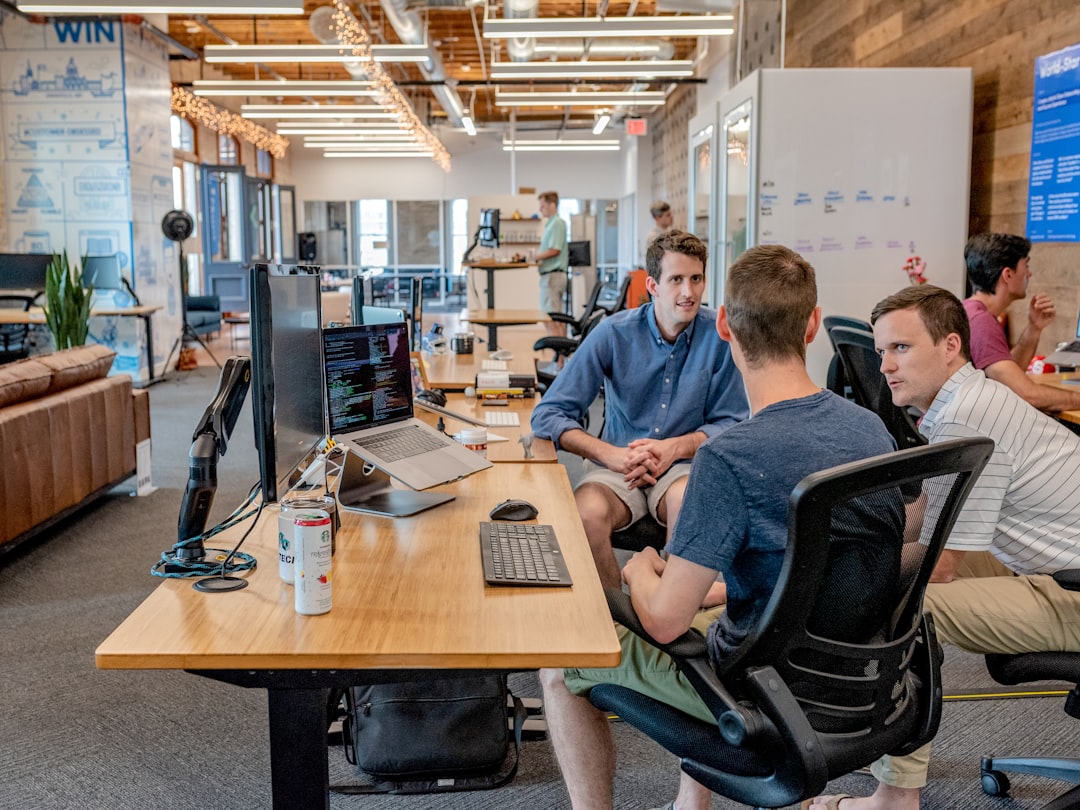
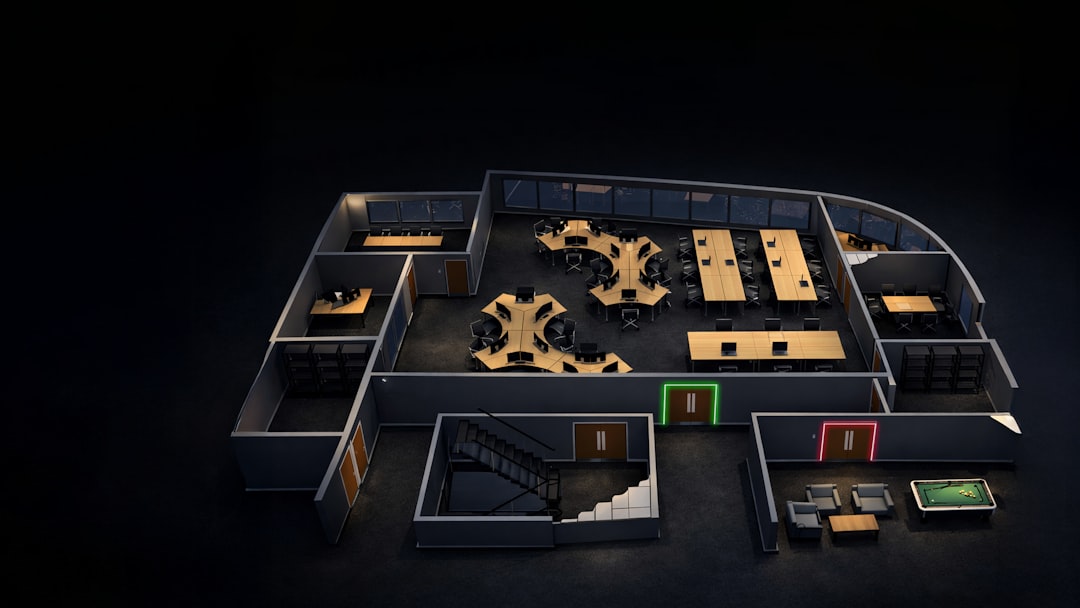
Space planning is about using the workplace intelligently. This includes desk layouts, meeting rooms, quiet zones, collaboration areas, storage, reception spaces, and shared amenities. The goal is not simply to fit as many people as possible into a building. The goal is to create spaces that match how people actually work.
For example, a sales team may need energetic shared areas and quick access to call rooms, while a product team may need whiteboards, project rooms, and quiet focus spaces. Hybrid offices may require fewer fixed desks but more flexible booking systems and multipurpose areas.
2. Employee Experience
Employee experience is one of the most important parts of workplace management. It includes every interaction an employee has with their workplace, from entering the building to using collaboration tools, requesting support, joining meetings, and accessing resources.
A positive experience makes employees feel trusted, valued, and capable. This can be supported through clear onboarding, comfortable workstations, accessible information, inclusive policies, simple request systems, and responsive workplace support teams.
3. Facilities and Maintenance
Facilities management keeps the workplace safe, functional, and professional. This includes cleaning, repairs, heating, ventilation, lighting, security, furniture, equipment, utilities, and emergency systems. When facilities are well managed, employees often barely notice them. When they are neglected, everyone notices quickly.
Preventive maintenance is especially important. Fixing problems before they become major disruptions saves money and protects employee safety. Regular inspections, service schedules, and clear reporting channels are essential.
4. Technology and Digital Workplace Tools
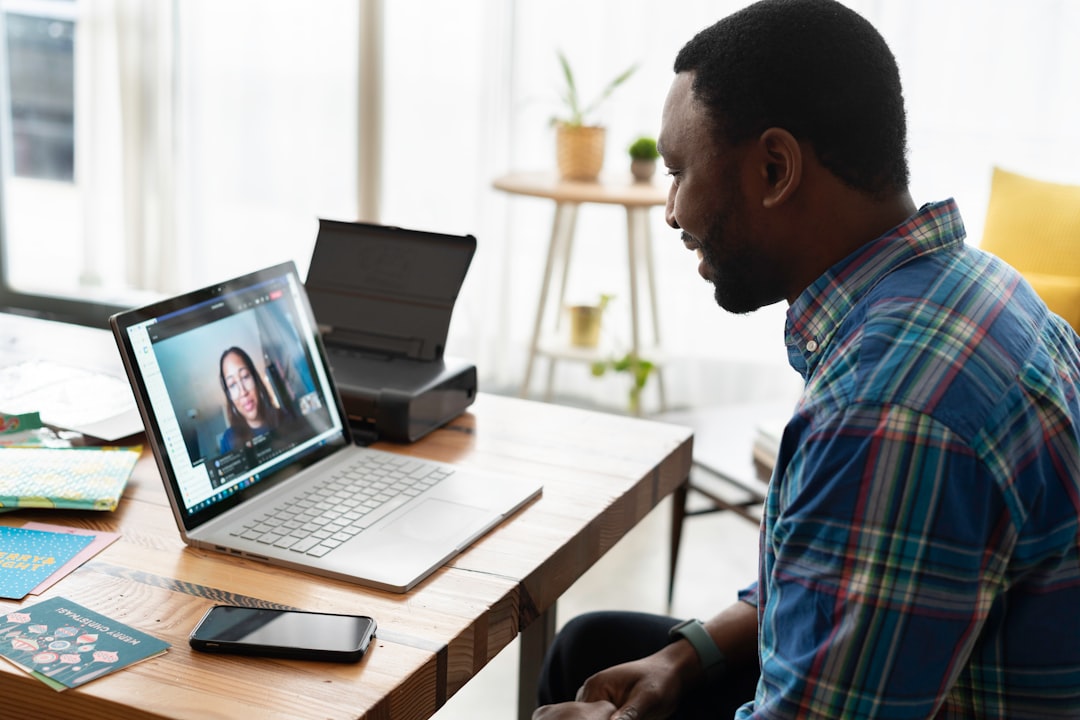
Technology is now central to workplace management. Teams rely on tools for communication, project management, room booking, visitor management, access control, help desk requests, file sharing, and video conferencing. A modern workplace must support both people in the office and people working remotely.
The best workplace technology is easy to use, reliable, secure, and integrated. If employees need five different systems to complete one basic task, the system is creating friction instead of solving problems.
5. Health, Safety, and Compliance
Every workplace must meet safety and legal requirements. This includes fire safety, ergonomic standards, emergency procedures, accessibility, data privacy, occupational health rules, and industry-specific regulations. However, safety should not be treated only as a compliance checklist.
Good workplace management creates a culture where employees understand procedures, know how to report risks, and feel comfortable speaking up. Regular training, visible signage, emergency drills, and documented policies all help reduce risk.
6. Communication and Workplace Policies
Clear communication prevents misunderstandings. Employees should know how to book rooms, request equipment, report maintenance issues, welcome visitors, use shared spaces, and follow hybrid work expectations. Policies should be practical, easy to find, and written in plain language.
Important workplace policies may include:
- Remote and hybrid work guidelines
- Meeting room and desk booking rules
- Health and safety procedures
- Visitor and security protocols
- Equipment usage and replacement processes
- Clean desk and data protection policies
- Inclusivity and anti harassment standards
Workplace Management for Hybrid Teams
Hybrid work has changed the way organizations think about offices. The office is no longer just a daily destination; it is often a place for collaboration, connection, training, creativity, and culture building. This means workplace managers must design experiences that make commuting worthwhile.
Successful hybrid workplace management usually includes flexible seating, reliable booking systems, strong video conferencing setups, clear attendance expectations, and intentional team rituals. It also requires fairness. Remote employees should not feel excluded from decisions, conversations, or advancement opportunities simply because they are not physically present.
How to Build an Effective Workplace Management Strategy
- Assess the current workplace. Review space usage, employee feedback, technology, costs, safety, and operational pain points.
- Define clear goals. Decide whether the priority is productivity, cost reduction, employee engagement, flexibility, growth, or all of these.
- Use data, not assumptions. Track occupancy, room usage, service requests, employee satisfaction, and maintenance trends.
- Involve employees. Ask people what helps them work well and what gets in their way.
- Standardize key processes. Make common tasks simple, repeatable, and easy to understand.
- Invest in the right tools. Choose systems that reduce complexity and improve visibility.
- Review regularly. Workplace needs change, so management strategies should evolve too.
Common Workplace Management Challenges
Even strong organizations face challenges. Space may be underused on some days and overcrowded on others. Employees may resist new booking systems or policies. Technology may be inconsistent across locations. Facilities teams may be asked to do more with limited budgets.
The solution is usually a combination of communication, measurement, and continuous improvement. For instance, if meeting rooms are always booked but often empty, introduce check-in requirements. If employees complain about noise, create quiet areas or adjust layout rules. If hybrid attendance is unpredictable, use scheduling guidelines and occupancy data to plan better.
Best Practices for Better Workplace Management
- Design around real behavior. Observe how employees actually use the workplace, not how leaders assume they use it.
- Keep processes simple. If a policy is too complicated, people will ignore it.
- Prioritize flexibility. Work styles, team sizes, and business needs change quickly.
- Make feedback continuous. Short surveys and open channels are better than waiting for an annual review.
- Balance efficiency with humanity. Cost savings matter, but so do comfort, trust, and belonging.
- Connect workplace decisions to business goals. Every change should support performance, culture, or growth.
The Future of Workplace Management
The future workplace will be more flexible, data-informed, and employee-centered. Artificial intelligence, sensors, automation, and analytics will help organizations understand how spaces are used and where improvements are needed. At the same time, human needs will remain at the center: connection, focus, purpose, safety, and belonging.
Workplace management is no longer just about keeping the office running. It is about creating an environment where people can do meaningful work with fewer obstacles. Organizations that treat workplace management as a strategic function will be better prepared to attract talent, adapt to change, and build resilient teams.
In short, effective workplace management turns the workplace into a tool for success. It aligns space, technology, people, and policies so that work feels smoother and more intentional. When employees have the right environment and support, they are more likely to collaborate well, stay engaged, and contribute their best ideas.

