
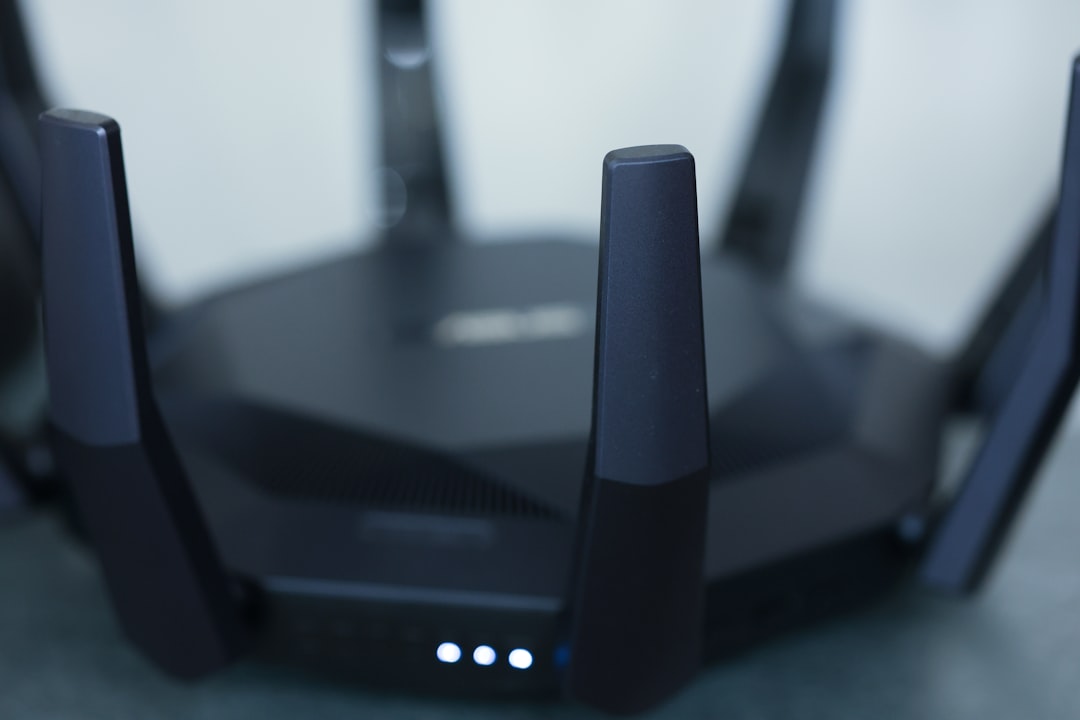
A VPN hardware appliance is a dedicated router, firewall, or gateway that runs VPN connections for your whole network without needing VPN apps on every device. It can encrypt traffic, connect branch offices, protect remote workers, or let you reach home files while traveling. Many modern boxes use WireGuard because it is lean, with roughly 4,000 lines of core code compared with much larger older VPN stacks [source: WireGuard].
TL;DR: Firewalla is the easiest pick for homes and small offices that want security alerts, VPN, and parental controls in one polished box. GL.iNet is best for travel, backup internet, and low-cost VPN routers; for example, a $100 travel router can protect a hotel room full of devices in minutes. Ubiquiti UniFi is stronger for prosumers and businesses that need managed WiFi, VLANs, cameras, and site-to-site VPNs across several locations. If you have 25 users and two offices, UniFi usually scales better; if you have one family and 40 smart devices, Firewalla feels friendlier.
What Makes It “Hardware”?
A normal VPN app protects one phone or laptop. A VPN hardware appliance protects traffic at the network edge. Plug it into your modem, switch, or router setup, and it handles the tunnel.
This matters because not every device can run a VPN app. Smart TVs, cameras, game consoles, printers, and cheap IoT gadgets often cannot. A hardware appliance can route them through a VPN anyway.
- Remote access: reach files, cameras, or servers from outside.
- Site-to-site VPN: connect two homes, offices, or shops.
- Privacy routing: send selected traffic through a commercial VPN.
- Security control: block risky regions, ads, or malware domains.
Firewalla: Friendly Security First
Firewalla is the most approachable of the three. Its app is clear. Alerts are readable. Rules are easy to create. If a kid’s tablet starts hitting strange domains at midnight, Firewalla tells you in plain language.
Firewalla boxes support VPN server and client features, including WireGuard and OpenVPN on many models. The higher-end Gold and Gold Plus units suit gigabit homes and small offices, with multi-gig options available on some models [source: Firewalla].
Best for: families, remote workers, small offices, and people who want security without babysitting a firewall.
Annoyance: the mobile-first design is great until you want to do lots of rule editing at a desk. It drives me crazy that some tasks feel faster on a full web console, yet the phone app remains the main control center.
GL.iNet: Small, Cheap, and Surprisingly Useful
GL.iNet makes compact routers that are popular with travelers and tinkerers. Many run OpenWrt under the hood, with a simpler GL.iNet interface on top. That gives you VPN features, WiFi repeater mode, tethering, and useful plugins in a tiny box.
This is the brand to pick if you want to carry your VPN with you. Use it in a hotel, Airbnb, camper, or temporary office. Connect the GL.iNet router to local WiFi, then connect your devices to the router. Your laptop, phone, and streaming stick can share one VPN tunnel.
Best for: travel, budget setups, backup internet, and hobby users who like control.
Annoyance: performance depends heavily on the model. A tiny travel router may be perfect for email and streaming, but it will not behave like a rack gateway under heavy VPN load. Expect to check CPU and VPN speed charts before buying.
Ubiquiti: Better for Structured Networks
Ubiquiti UniFi is less of a single gadget and more of an ecosystem. You get gateways, switches, access points, cameras, and a central controller. For businesses, that matters. You can create VLANs, manage guest WiFi, monitor clients, and connect offices from one interface.
UniFi gateways such as the Dream Machine and Cloud Gateway lines support VPN features like WireGuard, Teleport, and site-to-site VPN options, depending on model and software version [source: Ubiquiti].
Best for: small businesses, multi-room homes, prosumers, managed WiFi, and multi-site networks.
Annoyance: UniFi can feel too big for a simple job. A home user who only wants “turn on VPN for my TV” may spend 20 minutes clicking through settings that belong in a small office.
Firewalla vs GL.iNet vs Ubiquiti
- Ease of use: Firewalla wins. The app explains problems well.
- Travel use: GL.iNet wins. It is small, cheap, and quick to deploy.
- Business growth: Ubiquiti wins. It handles wider network design better.
- Security alerts: Firewalla is the most user-friendly.
- Price range: GL.iNet usually starts lowest.
- Network control: Ubiquiti gives the most room to grow.
Which One Should You Buy?
Pick Firewalla if you want a smart home firewall with VPN built in. It is the best “set it up and understand what is happening” option.
Pick GL.iNet if you travel often or need an affordable VPN router for a specific job. It is also great as a backup router in a bag.
Pick Ubiquiti if your network has layers: staff, guests, cameras, servers, access points, and more than one site. It takes more planning, but it rewards tidy setups.

The right VPN hardware appliance depends less on raw speed and more on daily use. A family needs clarity. A traveler needs portability. A business needs structure. Buy for the network you actually have, not the one you wish you had.

