
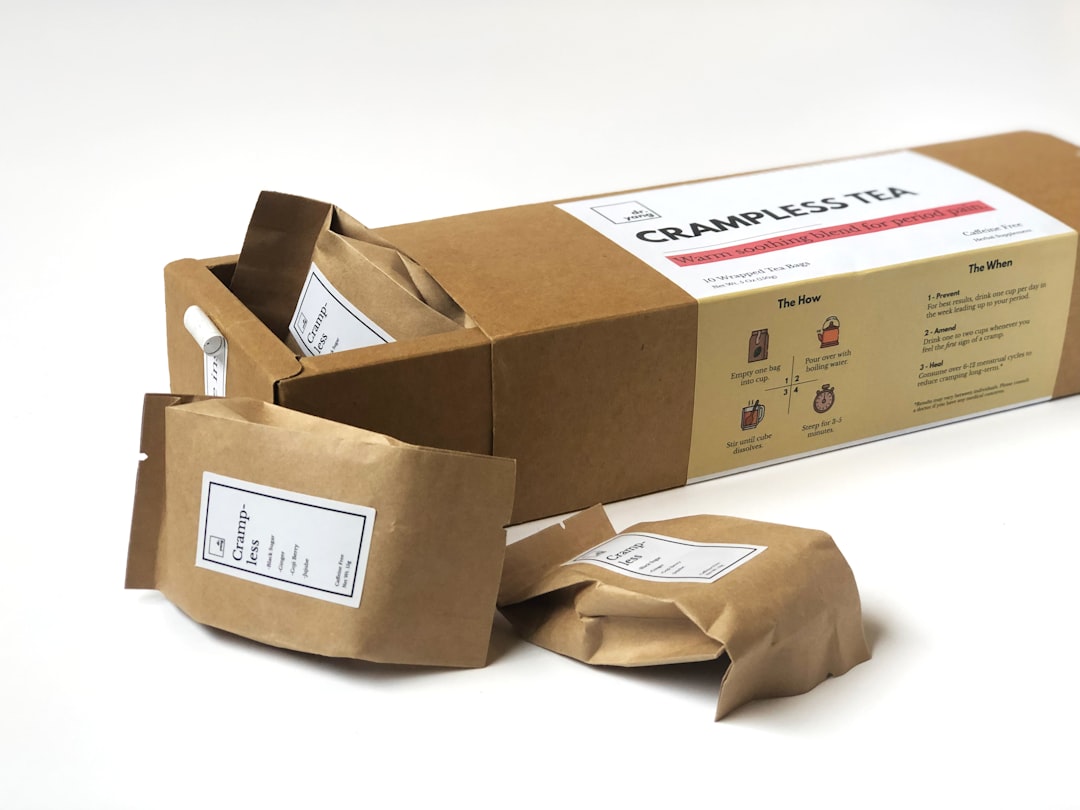
In competitive markets where products often deliver comparable functionality and price, brand identity becomes the defining differentiator. One of the most powerful yet underestimated tools for expressing that identity is packaging material. The weight of a box, the texture of paper, the sheen of a coating, or the sustainability of a reusable container all communicate meaning before a customer even interacts with the product itself. Packaging materials are not merely protective shells; they are strategic instruments that shape perception, influence trust, and establish emotional connection.
TLDR: Packaging materials play a critical role in shaping brand identity by influencing perception, trust, and emotional response. The texture, weight, sustainability, and finish of materials all communicate values before a customer even uses the product. Strategic choices in packaging materials can strengthen recognition, differentiate from competitors, and reinforce brand consistency. Thoughtful design backed by material quality turns packaging into a long-term branding asset rather than a disposable cost.
When thoughtfully chosen, packaging materials can embody a brand’s positioning with precision. When neglected, they can undermine it entirely. Understanding the art of building brand identity through materials requires a careful blend of psychology, aesthetics, function, and long-term strategic thinking.
The Psychology Behind Packaging Materials
Consumers form impressions within seconds. The tactile and visual elements of packaging activate subconscious judgments about quality, reliability, and value. A rigid, embossed carton conveys sturdiness and premium positioning. A thin, glossy plastic pouch may suggest affordability and convenience. Neither is inherently better, but each must align with the brand story.
Materials influence perception in several measurable ways:
- Weight: Heavier materials are commonly associated with durability and luxury.
- Texture: Matte finishes evoke sophistication, while high gloss implies modernity and energy.
- Sound: The opening experience, including subtle auditory cues, affects perceived quality.
- Temperature: Materials such as metal or glass feel cooler and often signal refinement.
These sensory signals combine to produce what behavioral scientists call a “halo effect,” where positive impressions about packaging transfer directly to the product inside.
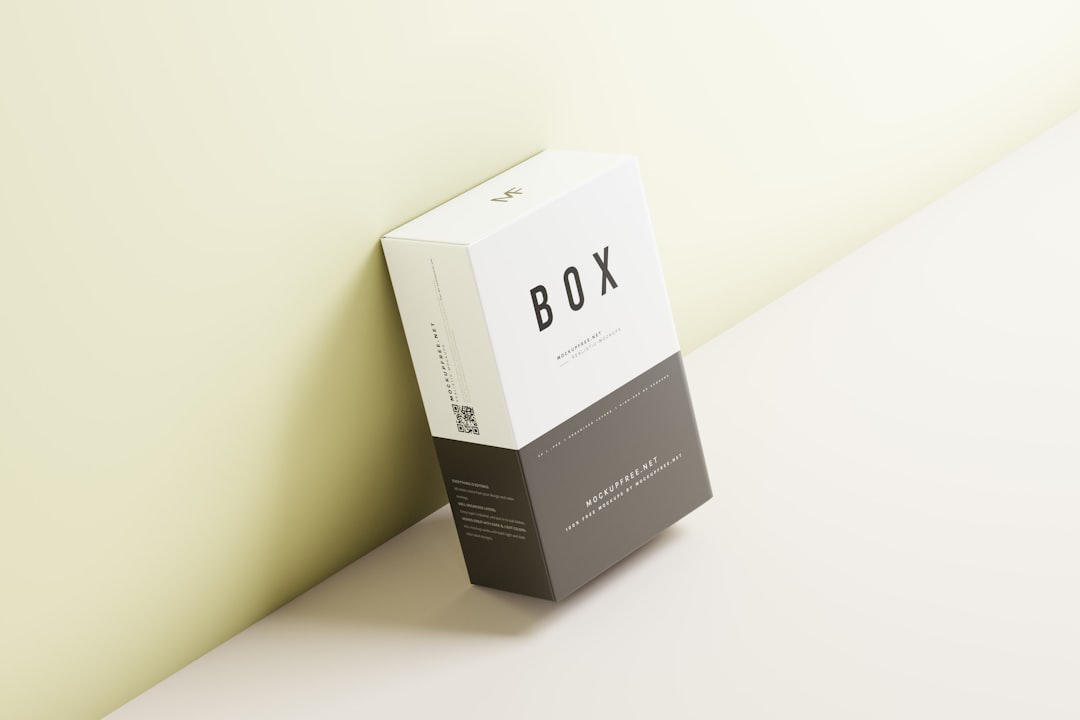
Aligning Materials With Brand Values
A brand that emphasizes sustainability cannot convincingly package its products in excessive multilayer plastics. Likewise, a high-end fragrance brand would struggle to justify flimsy cardboard containers. Authenticity demands alignment between what a brand says and what it does materially.
Key brand-value alignments often include:
- Sustainability: Recycled paper, biodegradable films, compostable mailers.
- Luxury: Rigid boxes, soft-touch coatings, foil stamping, glass containers.
- Innovation: Transparent materials, minimalist structural design, unconventional textures.
- Accessibility: Lightweight, easy-open structures, practical materials.
Modern consumers are increasingly attentive to environmental and ethical implications. Sustainable materials are no longer optional for many sectors; they are strategic necessities. However, sustainability should not feel performative. The material choice must be visible, understandable, and consistent across product lines.
Consistency Across Touchpoints
Brand identity is cumulative. Every interaction reinforces or weakens recognition. Packaging materials must align not only with core values but also with advertising, retail presentation, and digital presence. If a brand promotes minimalism online yet ships products in excessive, elaborately coated packaging, customers experience cognitive dissonance.
Consistency can be achieved through:
- Material Standards: Defining approved material types and finishes within brand guidelines.
- Structural Templates: Using consistent box styles or container shapes.
- Color and Texture Uniformity: Applying identifiable coatings or finishes across collections.
Consistency builds recognition. Recognition builds trust. Trust builds long-term equity. Packaging materials serve as tactile brand signatures that customers come to associate with reliability.
The Role of Texture and Finish
Texture is a powerful differentiator in crowded markets. While many brands may share similar color palettes or graphic styles, the physical sensation of touch is harder to replicate. Soft-touch lamination, raised varnish, embossing, debossing, and uncoated kraft papers all evoke distinct emotional tones.
For example:
- Soft-touch laminate implies elegance and modern minimalism.
- Uncoated recycled stock conveys transparency and environmental awareness.
- High-gloss UV coating signals dynamism and youth-oriented branding.
In physical retail environments, customers often pick up products based solely on tactile curiosity. This moment of contact becomes an opportunity for silent brand storytelling.
Image not found in postmetaStructural Design as Identity
Material selection cannot be separated from structural engineering. Shape, closure systems, and durability all influence brand recognition. Consider the iconic rigidity of certain electronics packaging or the distinctive silhouette of well-known glass beverage bottles. Structure often becomes inseparable from brand memory.
A well-designed structure accomplishes three goals:
- Protection: Safeguards product integrity during transport.
- Experience: Creates a deliberate and memorable unboxing process.
- Recognition: Offers shapes or systems that stand out on shelves.
In e-commerce, where physical retail presence is absent, structural packaging becomes even more important. The moment of delivery replaces the in-store shelf. The unboxing experience becomes a surrogate for face-to-face brand interaction.
Balancing Cost and Perceived Value
One of the central tensions in packaging strategy is cost management. Premium materials increase production expenses. However, cutting corners can substantially erode perceived value. The key lies in strategic allocation rather than indiscriminate spending.
Effective approaches include:
- Investing in one standout material element while simplifying others.
- Using structural design to enhance perceived quality without excessive material usage.
- Selecting durable materials that reduce returns and damage-related costs.
Research consistently shows that consumers are willing to pay more for products packaged in materials that signal quality and authenticity. In many cases, the incremental cost of better materials yields disproportionate returns in customer loyalty and word-of-mouth marketing.
Sustainability as an Identity Driver
Environmental responsibility is no longer a niche concern. For many consumers, packaging materials serve as visible indicators of corporate ethics. Compostable mailers, plant-based plastics, and FSC-certified paper stocks are increasingly becoming baseline expectations.
However, credibility requires transparency. Brands should clearly communicate the environmental impact of materials through labeling and messaging. Vague claims undermine trust; measurable data strengthens it.
Sustainable packaging strategies often include:
- Reducing material usage through optimized structural engineering.
- Replacing mixed-material constructions with mono-material solutions.
- Encouraging reuse through durable and aesthetically pleasing designs.
Sustainability, when embedded authentically, transforms packaging from waste into narrative—demonstrating long-term thinking and corporate accountability.
The Unboxing Experience as Brand Theater
The rise of social media has elevated packaging into a performative stage. Unboxing videos generate significant consumer interest, particularly in beauty, technology, and lifestyle sectors. Materials play a central role in this experience.
A deliberate unboxing sequence may include layered tissue paper, textured inserts, magnetic closures, or subtle fragrance infusions. Each component reinforces identity and encourages sharing.
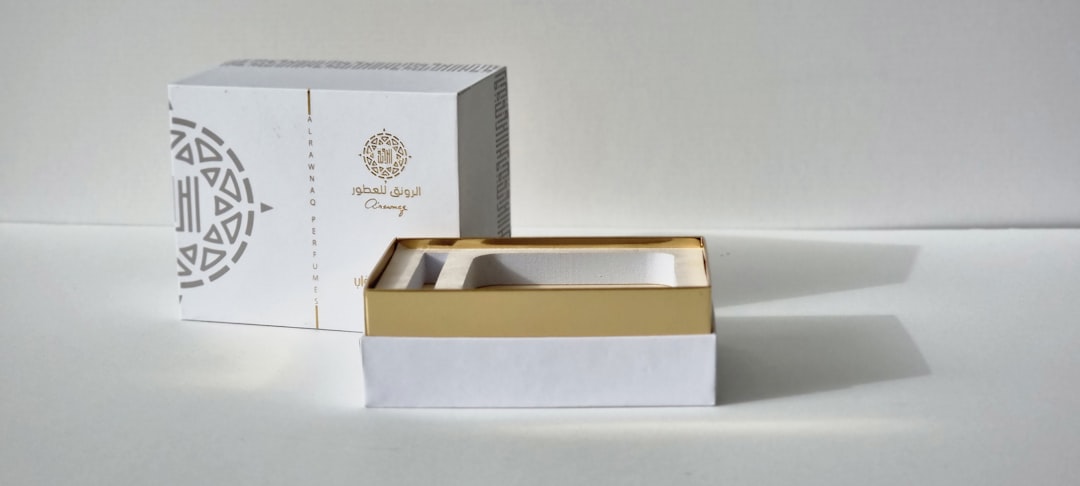
This “brand theater” should not be excessive, but intentional. Every layer must justify its existence by reinforcing meaning rather than adding waste. The most effective unboxing experiences feel cohesive and aligned with the brand narrative.
Long-Term Brand Equity Through Materials
Brand identity is not built overnight. It is shaped through repeated, consistent experiences. Packaging materials, when chosen strategically, accumulate recognition over time. Customers begin to associate specific tactile or visual cues with reliability.
Companies that treat packaging materials as long-term branding assets rather than short-term expenses benefit from:
- Improved customer retention.
- Stronger shelf differentiation.
- Higher perceived product value.
- Enhanced trust and credibility.
Material decisions should therefore be integrated into corporate brand strategy discussions, not isolated within procurement departments. Cross-functional collaboration between marketing, design, sustainability, and operations teams ensures coherence.
Conclusion
The art of building brand identity through packaging materials lies in intentionality. Every texture, weight, finish, and structural element communicates meaning. Done thoughtfully, materials reinforce values, elevate perception, and create memorable experiences that extend far beyond the initial purchase.
In a marketplace saturated with visual noise, tactile authenticity and material integrity stand out. Packaging that aligns with brand purpose, maintains consistency, and respects environmental responsibility becomes more than a container—it becomes a strategic ambassador. Organizations that understand this principle position themselves not merely as sellers of products, but as stewards of enduring brand identity.

