

Smart devices have become essential in offices, factories, hospitals, schools, homes, retail spaces, and public infrastructure. Cameras, sensors, printers, thermostats, phones, medical devices, badge readers, smart displays, and industrial controllers now connect to the network and exchange data continuously. As these devices multiply, security teams face a larger attack surface, more unmanaged endpoints, and greater pressure to protect sensitive information. Cisco cybersecurity solutions help organizations secure smart devices by combining visibility, access control, threat detection, segmentation, and cloud-based protection into a unified security strategy.
TLDR: Smart devices create new cybersecurity risks because many are always connected, difficult to monitor, and often built with limited security controls. Cisco cybersecurity solutions help organizations identify smart devices, control network access, detect threats, and contain attacks through segmentation and automation. By using tools such as Cisco Identity Services Engine, Cisco Secure Firewall, Cisco XDR, Cisco Umbrella, Meraki security, and Cisco Duo, organizations can build stronger protection across smart environments. A successful strategy depends on visibility, policy enforcement, continuous monitoring, and regular improvement.
Why Smart Devices Need Stronger Security
Smart devices are designed for convenience, automation, and connectivity. However, those same strengths can become weaknesses when devices are poorly configured, outdated, or exposed to unsafe networks. Many Internet of Things devices are deployed quickly, sometimes without being added to a formal asset inventory. Some run outdated firmware, use default passwords, or communicate with cloud services that security teams do not fully monitor.
Attackers often target smart devices because they may be less protected than laptops or servers. A compromised camera, printer, or sensor can become a foothold inside a network. From there, attackers may attempt lateral movement, data theft, surveillance, ransomware deployment, or disruption of critical operations. In industrial and healthcare environments, the impact can extend beyond data loss and affect physical safety, operational uptime, and regulatory compliance.
Effective smart device security is not based on a single product. It requires a layered approach that combines device discovery, identity-based access, network segmentation, endpoint and traffic analytics, cloud security, and rapid incident response. Cisco offers a broad security portfolio that supports this layered model across traditional networks, hybrid cloud environments, branch locations, and remote operations.

Gaining Visibility Into Connected Devices
The first step in securing smart devices is knowing what exists on the network. Without visibility, security teams cannot determine which devices are authorized, vulnerable, or behaving suspiciously. Cisco solutions help identify smart devices, classify them, and map how they communicate.
Cisco Identity Services Engine, commonly known as Cisco ISE, plays a central role in device visibility and access control. It can profile endpoints as they connect to the network, recognizing device types such as cameras, phones, printers, sensors, workstations, and guest systems. This profiling gives organizations a clearer picture of what is connected and whether each device meets security expectations.
Cisco Secure Network Analytics can also help monitor traffic patterns across the network. By analyzing network behavior, it can identify unusual communication, unexpected data flows, or signs of compromise. For example, a smart thermostat communicating with an unfamiliar external server or a security camera scanning internal systems may indicate a problem that requires investigation.
- Asset discovery: Identifies known and unknown devices on the network.
- Device classification: Groups smart devices by type, role, location, or risk level.
- Behavior monitoring: Detects abnormal traffic patterns and potential compromise.
- Policy alignment: Connects device identity with access and segmentation rules.
Controlling Access With Identity-Based Policies
Once devices are visible, organizations need to control what each device can access. Not every smart device should have broad access to corporate applications, internal databases, or administrative systems. A smart light controller, for example, should not communicate with financial servers. A building access reader should only reach the services required for its function.
Cisco ISE enables identity-based access control through policies that evaluate users, devices, locations, posture, and network context. It can allow, deny, or limit access based on security rules. This helps ensure that only trusted devices reach approved network resources.
Network access control is especially important for environments with many unmanaged or semi-managed devices. Smart devices may not support traditional endpoint protection software, so the network must become an enforcement point. Cisco ISE can work with switches, wireless controllers, VPNs, and security platforms to apply consistent access rules across the environment.
By assigning the right level of access from the beginning, organizations reduce the chance that a compromised smart device can become a gateway to more sensitive systems.
Using Segmentation to Limit Attack Movement
Segmentation is one of the most effective methods for reducing risk in smart device environments. It divides the network into smaller zones so that devices can only communicate with approved systems. If one device becomes compromised, segmentation helps contain the attack and prevents it from spreading freely.
Cisco supports segmentation through several technologies, including VLANs, software-defined access, security group tags, firewall policies, and zero-trust access controls. With Cisco TrustSec and Cisco ISE, organizations can create policy-based segmentation that follows device identity rather than relying only on physical location or IP address.
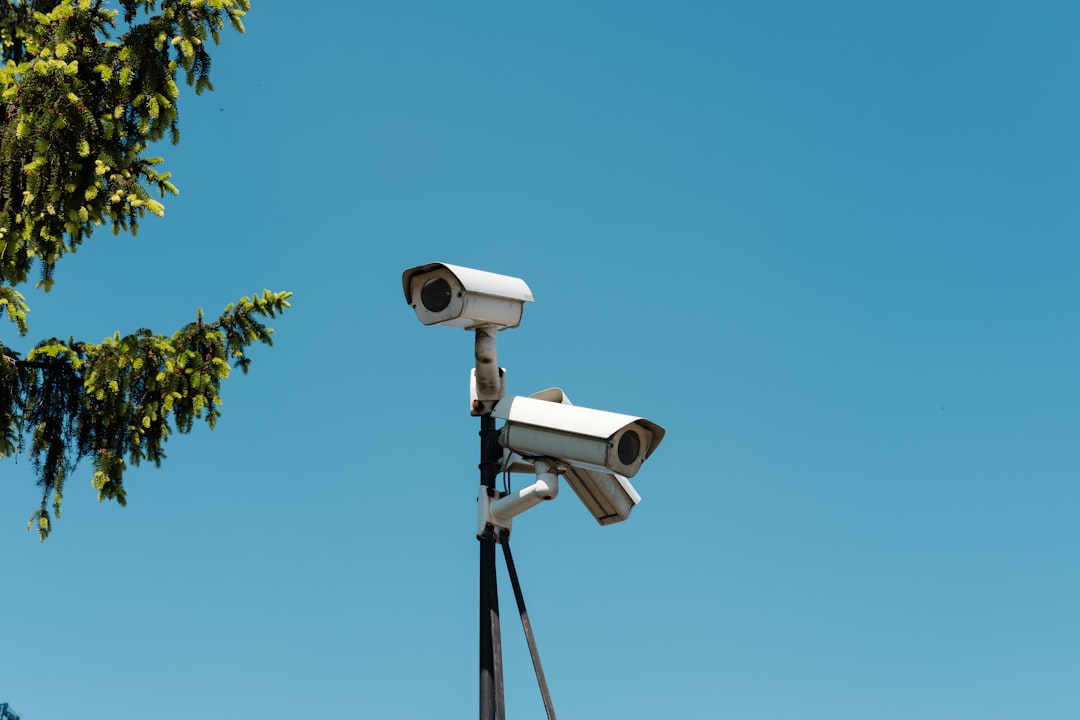
For example, smart cameras can be placed in a dedicated security camera segment. HVAC controllers can be placed in a building management segment. Medical devices can be separated from guest Wi-Fi and administrative networks. Industrial sensors can be isolated from corporate email systems. Each segment can receive tailored security policies based on function and risk.
Protecting Traffic With Cisco Secure Firewall
Cisco Secure Firewall adds another layer of defense by inspecting traffic, enforcing security policies, and blocking malicious activity. It can help protect smart device segments from unauthorized access, malware communication, exploit attempts, and suspicious external connections.
Smart devices often communicate with cloud platforms, vendor services, or application servers. Cisco Secure Firewall can inspect these communications and apply rules that limit traffic to approved destinations. It can also use intrusion prevention capabilities to detect known attack patterns. When integrated with Cisco Talos threat intelligence, firewall protection benefits from global research on malware, vulnerabilities, malicious domains, and attack infrastructure.
For organizations managing many branches or distributed smart environments, consistent firewall policy is essential. Cisco security management tools help teams maintain control across multiple sites while reducing policy drift and configuration mistakes.
Securing DNS and Internet Access With Cisco Umbrella
Many smart devices rely on internet connectivity to send telemetry, receive updates, or connect to vendor platforms. This creates risk when devices attempt to reach malicious domains, command and control servers, or compromised websites. Cisco Umbrella helps protect devices at the DNS and internet access layer.
Cisco Umbrella can block requests to malicious domains before a connection is established. This is valuable for smart devices that may not have advanced local security capabilities. If a compromised device tries to contact known malware infrastructure, Umbrella can stop that communication early.
Umbrella also supports secure web gateway, cloud-delivered firewall, and cloud access security capabilities, depending on deployment needs. For smart device environments, DNS-layer protection provides a practical and scalable security control that can be applied across networks, branches, and remote locations.
Strengthening Authentication With Cisco Duo
While many smart devices do not use human login in the same way laptops do, their management consoles, cloud dashboards, and administrator portals often require strong authentication. Weak administrative access is a common cause of smart device compromise. If attackers obtain credentials for a device management platform, they may change settings, disable security controls, or gain access to sensitive data.
Cisco Duo helps protect administrative access through multi-factor authentication and device trust policies. It verifies that administrators are who they claim to be before granting access to sensitive systems. Duo can also help enforce secure access for remote teams, contractors, and vendor technicians who manage smart environments.
This is particularly useful for organizations that depend on third-party vendors to maintain connected building systems, medical platforms, or industrial equipment. Strong authentication reduces the risk of stolen credentials becoming a direct path into critical systems.
Detecting and Responding With Cisco XDR
Smart device security requires more than prevention. Security teams must also detect threats quickly and respond effectively. Cisco XDR helps connect signals from multiple security tools, including network, endpoint, email, firewall, identity, and cloud sources. It provides a broader view of incidents and helps teams understand how an attack is unfolding.
When a smart device begins behaving unusually, XDR can help correlate that event with other indicators. For example, suspicious DNS requests, unusual network traffic, failed login attempts, and firewall alerts may appear disconnected when viewed separately. Cisco XDR can combine these signals into a clearer incident timeline, helping analysts prioritize response actions.
Automation can also reduce response time. If a device is suspected of compromise, security teams may isolate it, block malicious domains, adjust firewall rules, or trigger investigation workflows. Faster response helps limit damage and restore normal operations more efficiently.
Managing Smart Devices in Meraki Environments
Organizations that use Cisco Meraki can benefit from cloud-managed networking and security features. Meraki dashboards provide centralized visibility into wireless networks, switches, security appliances, cameras, and connected clients. This can simplify smart device management, especially for distributed organizations with multiple offices, stores, schools, clinics, or branch sites.
Meraki security appliances can enforce firewall rules, content filtering, intrusion prevention, and VPN connectivity. Meraki wireless solutions can separate guest, employee, and IoT traffic through SSIDs and policy controls. With centralized management, IT teams can apply consistent security settings across locations without needing complex onsite administration at every branch.
For smart buildings and retail environments, Meraki can be especially valuable because it combines operational simplicity with practical protection. Security teams gain visibility into connected devices and can adjust policies quickly as needs change.
Best Practices for Securing Smart Devices With Cisco Solutions
A strong Cisco-based smart device security strategy should combine technology, process, and governance. Security teams should treat smart devices as part of the overall enterprise risk landscape rather than as isolated operational tools.
- Create a complete inventory: Identify every smart device, including ownership, location, function, firmware version, and network behavior.
- Apply least privilege access: Use Cisco ISE and segmentation to ensure devices only access required services.
- Separate device categories: Place cameras, sensors, printers, building systems, and guest devices into appropriate network segments.
- Monitor traffic continuously: Use analytics, firewall logs, Umbrella activity, and XDR correlation to detect abnormal behavior.
- Secure administrator access: Protect management portals and vendor access with Cisco Duo and strong identity policies.
- Keep firmware updated: Establish a patching process for smart devices and retire unsupported hardware.
- Block unsafe destinations: Use Cisco Umbrella and firewall policies to prevent communication with malicious domains and unauthorized services.
- Prepare response playbooks: Define steps for isolating, investigating, and restoring compromised devices.
The Value of a Zero-Trust Approach
Zero trust is highly relevant to smart device security because it assumes that no device should be trusted automatically. Every connection should be evaluated based on identity, context, risk, and policy. Cisco cybersecurity solutions support zero-trust principles by helping organizations verify devices, enforce least privilege, segment access, and monitor continuously.
In a smart device environment, zero trust means a device must prove that it belongs on the network and should only receive the access necessary for its function. If its behavior changes, security tools should detect that change and trigger a response. This approach is more resilient than relying on perimeter defenses alone.
Conclusion
Smart devices deliver efficiency, automation, and valuable data, but they also introduce security challenges that organizations cannot ignore. Cisco cybersecurity solutions provide a practical framework for protecting these connected environments through visibility, access control, segmentation, threat intelligence, DNS-layer security, strong authentication, and coordinated response.
By combining Cisco ISE, Cisco Secure Firewall, Cisco Umbrella, Cisco Duo, Cisco XDR, Secure Network Analytics, and Meraki capabilities, organizations can reduce risk while supporting innovation. The most secure smart device environments are built through continuous discovery, disciplined policy enforcement, and rapid response to suspicious activity. As connected devices continue to expand, a layered Cisco security strategy helps organizations protect operations, data, and users with greater confidence.
FAQ
What makes smart devices difficult to secure?
Smart devices are difficult to secure because they often have limited built-in protection, inconsistent update processes, weak default settings, and long operational lifespans. Many are also unmanaged or deployed outside normal IT workflows.
Which Cisco solution helps identify smart devices on a network?
Cisco Identity Services Engine helps identify, classify, and control devices as they connect to the network. It supports endpoint profiling and policy-based access control.
How does segmentation protect smart devices?
Segmentation limits communication between device groups and critical systems. If a smart device is compromised, segmentation helps prevent attackers from moving freely across the network.
Can Cisco Umbrella protect IoT and smart devices?
Yes. Cisco Umbrella can block malicious DNS requests and unsafe internet destinations, helping prevent compromised devices from communicating with known threats.
Why is multi-factor authentication important for smart device security?
Multi-factor authentication protects administrative consoles, cloud dashboards, and remote access systems. Cisco Duo helps ensure that only verified users can manage sensitive smart device environments.
Is Cisco cybersecurity suitable for small and distributed environments?
Yes. Cisco Meraki, Umbrella, Duo, and other cloud-managed solutions can support smaller organizations and distributed locations by simplifying deployment, monitoring, and policy management.

