

In a digital environment where articles, videos, datasets, social posts, newsletters, and artificial intelligence summaries compete for attention, modern research has become less about finding information and more about evaluating, organizing, and applying it wisely. A skilled researcher must move beyond basic search habits and adopt structured techniques that reveal credible sources, reduce noise, and support better decisions.
TLDR: Modern research requires a clear question, smart search strategies, source verification, and organized note-taking. In a crowded digital information space, researchers must learn to identify credible evidence, avoid misinformation, and use digital tools responsibly. The strongest research process combines human judgment with technology, including databases, advanced search operators, citation tools, and critical thinking.
Why Modern Research Skills Matter
The internet has made information dramatically more accessible, but it has also made research more complicated. A person searching for a simple answer may encounter sponsored content, outdated blog posts, biased commentary, copied material, and artificially generated summaries. Without a method, even experienced professionals can mistake visibility for reliability.
Modern research techniques help individuals separate useful knowledge from background noise. Journalists, students, analysts, entrepreneurs, educators, and policymakers all rely on dependable information. When research is weak, conclusions may be misleading. When research is disciplined, decisions become clearer, arguments become stronger, and strategies become more resilient.
Starting with a Strong Research Question
Every effective research process begins with a precise question. A vague topic such as climate technology can produce millions of results, while a focused question such as how battery storage affects renewable energy adoption in urban areas narrows the path toward relevant evidence.
A strong research question should be specific enough to guide the search but flexible enough to evolve. Researchers often begin with a broad idea and refine it as they discover terminology, major debates, and gaps in available evidence. This process prevents wasted time and helps the researcher recognize which sources are central and which are merely interesting.
- Broad topic: Online education
- Focused question: How does online education affect completion rates among adult learners?
- Research angle: Completion rates, learner motivation, digital access, and instructional design
Using Advanced Search Techniques
Search engines are powerful, but they are not neutral libraries. Their results are shaped by algorithms, personalization, location, popularity, and commercial incentives. Researchers who rely only on the first page of search results risk missing higher-quality sources.
Advanced search operators can improve accuracy. Quotation marks locate exact phrases, while terms such as site: restrict results to a specific domain. The minus sign can exclude unwanted terms, and file type searches can locate PDFs, reports, presentations, and datasets.
- Exact phrase: “digital misinformation”
- Specific website: site:who.int public health guidelines
- Exclude a term: electric vehicles -sales
- Find documents: urban planning filetype:pdf
These techniques allow researchers to move from casual browsing to intentional discovery. They also reveal sources that are less likely to appear in ordinary search results, such as government reports, academic papers, technical documents, and institutional publications.
Evaluating Source Credibility
In a crowded information space, credibility is the foundation of good research. A source may look professional and still be inaccurate, biased, or incomplete. Researchers should examine who created the information, why it was produced, when it was updated, and whether its claims are supported by evidence.
One practical method is the authority, accuracy, purpose, currency, and evidence test. This framework encourages the researcher to ask structured questions before relying on a source.
- Authority: Who is the author or organization, and what expertise do they have?
- Accuracy: Are facts supported by citations, data, or transparent methodology?
- Purpose: Is the source informing, selling, persuading, entertaining, or manipulating?
- Currency: Is the information recent enough for the topic?
- Evidence: Can the claims be verified through other reliable sources?
This approach is especially important when dealing with health, finance, law, science, technology, and public policy. In fast-moving areas, an outdated source may be technically accurate for its time but misleading in the present.
Triangulating Information
Triangulation means comparing information across multiple independent sources. A claim becomes stronger when it is supported by different types of evidence, such as peer-reviewed research, official statistics, expert interviews, and direct observation. If several credible sources disagree, the disagreement itself may reveal something important.
Researchers should avoid treating a single article as final proof. Instead, they should look for patterns. Are multiple universities reporting similar findings? Do government statistics align with industry data? Are journalists citing original documents, or are they repeating another news outlet’s summary?
Triangulation reduces the risk of error and helps expose exaggeration. It also encourages a more balanced understanding of complex issues, where evidence may be mixed rather than absolute.
Recognizing Bias and Misinformation
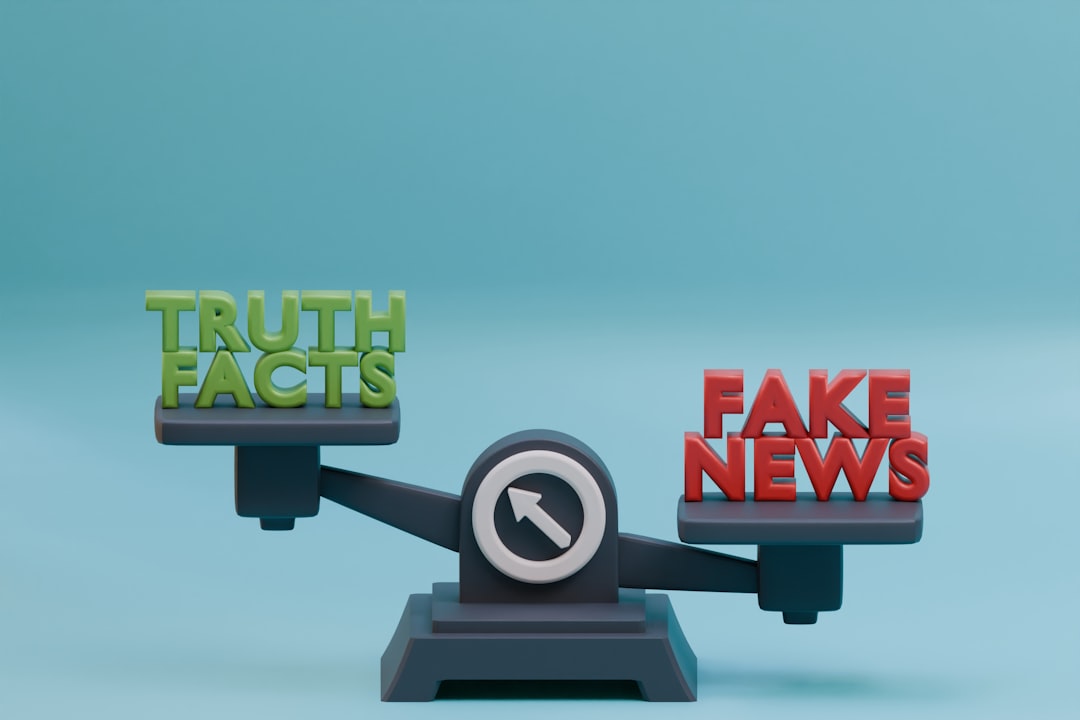
Bias does not always mean dishonesty. Every source has a viewpoint, context, and set of assumptions. The researcher’s task is not to find sources with no perspective, but to understand how perspective influences framing, emphasis, and interpretation.
Common warning signs of misinformation include emotional language, missing citations, anonymous authorship, manipulated images, false urgency, and claims that cannot be traced to an original source. Headlines that promise shocking secrets or absolute certainty should be handled carefully.
Modern researchers should also understand the influence of algorithms. Social platforms often reward content that creates strong emotional reactions. As a result, misleading content can spread quickly because it is engaging, not because it is accurate. A careful researcher pauses before accepting or sharing viral claims.
Making Better Use of Academic and Professional Databases
General web searches are useful, but they are not enough for serious research. Academic databases, digital libraries, government portals, patent databases, and industry archives often provide more reliable and detailed information. These sources may include peer-reviewed studies, technical standards, legal documents, market reports, and historical records.
Researchers should learn where high-quality information lives for their field. A medical researcher may rely on biomedical databases. A business analyst may use financial filings and market intelligence tools. A historian may search archives, newspapers, and primary documents. The best research strategy depends on the subject.
Even when sources are behind paywalls, abstracts, summaries, bibliographies, and institutional repositories can still provide valuable leads. Citation trails are especially useful. By reviewing the works cited in a strong source, researchers can discover foundational studies and related debates.
Using AI Tools with Caution
Artificial intelligence can assist with research by summarizing long documents, generating keyword ideas, translating text, organizing notes, and identifying possible themes. However, AI systems can also produce incorrect information, invent citations, overlook context, or present uncertainty as fact.
Responsible researchers treat AI as an assistant, not an authority. They verify important claims against original sources and avoid citing AI-generated answers as evidence. AI can speed up the early stages of research, but final judgment should remain with the human researcher.
The best use of AI in research is not to replace critical thinking, but to support it. When used carefully, AI can help researchers explore a topic more efficiently. When used carelessly, it can amplify errors and create a false sense of confidence.
Organizing Information Effectively
Finding information is only half of the research process. Organizing it determines whether it can be used well. Researchers who collect dozens of tabs, screenshots, and disconnected notes often struggle when it is time to write, present, or make decisions.
A strong organization system includes clear folders, consistent file names, tagged notes, citation records, and summaries written in the researcher’s own words. Digital tools can help, but the method matters more than the software.
- Capture: Save useful sources with full citation details.
- Summarize: Write brief notes explaining the main claim and relevance.
- Tag: Label sources by theme, method, date, or reliability.
- Compare: Identify agreements, contradictions, and evidence gaps.
- Apply: Connect findings to the original research question.
Good note-taking also protects against accidental plagiarism. When researchers clearly distinguish between direct quotations, paraphrases, and personal analysis, they maintain intellectual honesty and improve the quality of their final work.
Building a Personal Research Workflow
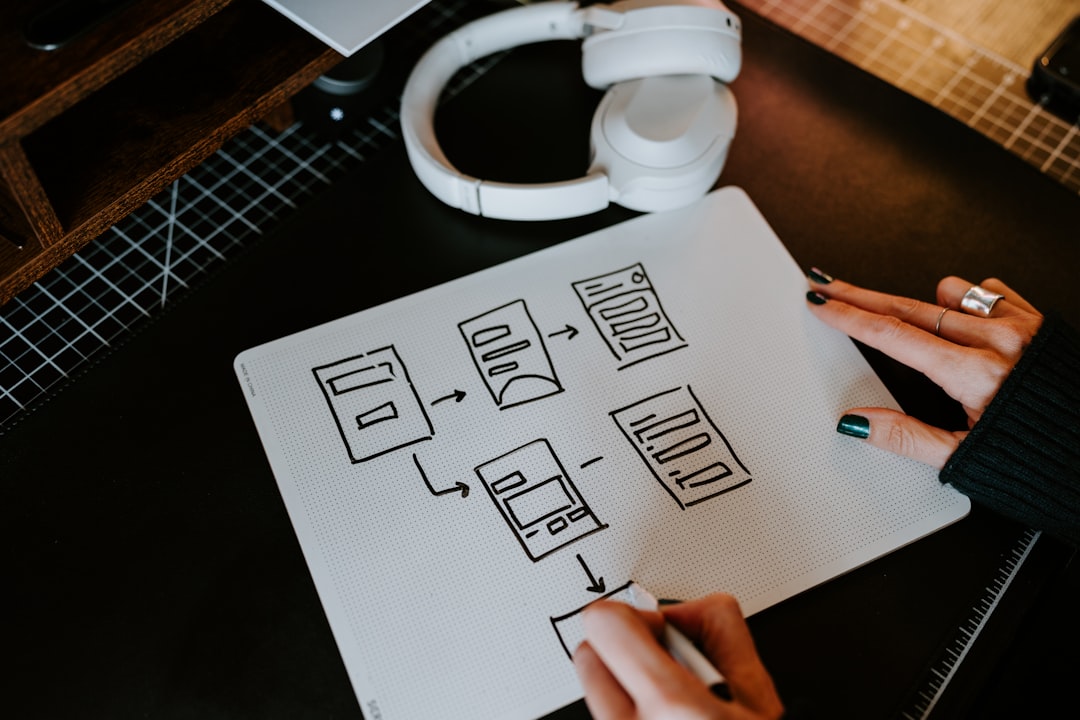
A reliable workflow turns research from a chaotic activity into a repeatable process. Although every project is different, most strong workflows follow a similar pattern: define the question, map keywords, search widely, evaluate sources, organize findings, analyze patterns, and produce conclusions.
Researchers should also schedule time for reflection. The pressure to gather more sources can become endless. At some point, the researcher must ask whether the evidence is sufficient, whether the question needs revision, and whether the conclusion fairly represents the available information.
A good workflow includes checkpoints. For example, after the first hour of research, the researcher may review whether the search terms are effective. After collecting several sources, they may evaluate whether the evidence is too narrow. Before finalizing conclusions, they may check for opposing viewpoints and missing context.
Developing Information Resilience
Information resilience is the ability to remain thoughtful and accurate in an overwhelming digital environment. It requires patience, skepticism, adaptability, and humility. Skilled researchers understand that certainty is not always possible and that strong conclusions often depend on probability, context, and evidence quality.
This resilience also includes emotional discipline. Some information confirms existing beliefs, while other information challenges them. A serious researcher does not simply collect evidence that supports a preferred conclusion. Instead, they consider alternative explanations and revise their understanding when better evidence appears.
In a crowded digital information space, the goal is not to read everything. The goal is to find what matters, understand it correctly, and use it responsibly.
Conclusion
Mastering modern research techniques is an essential skill for anyone who depends on digital information. Search engines, databases, AI tools, and online archives offer extraordinary access, but access alone does not guarantee understanding. The real advantage belongs to those who can ask better questions, evaluate sources carefully, compare evidence, and organize knowledge with purpose.
As the digital world grows more crowded, the best researchers will not be those who move the fastest. They will be those who think clearly, verify consistently, and remain open to complexity. With disciplined methods and critical judgment, researchers can navigate the noise and uncover information that is accurate, relevant, and genuinely useful.
FAQ
What is the most important modern research technique?
The most important technique is source evaluation. Without checking authority, accuracy, evidence, purpose, and currency, researchers may rely on information that is incomplete or misleading.
How can researchers avoid misinformation online?
Researchers can avoid misinformation by verifying claims through multiple credible sources, checking original documents, reviewing author expertise, and watching for emotional language or unsupported claims.
Are search engines enough for serious research?
Search engines are helpful starting points, but they are not enough for deep research. Academic databases, government archives, professional reports, and primary sources often provide stronger evidence.
Can AI tools be trusted for research?
AI tools can support research, but they should not be treated as final authorities. Important claims, statistics, and citations should always be checked against reliable original sources.
How should digital research notes be organized?
Research notes should include source details, short summaries, tags, key quotations, and personal analysis. A consistent system makes it easier to compare evidence and build strong conclusions.
Why is triangulation useful?
Triangulation strengthens research by comparing information from several independent sources. It helps confirm reliable patterns, reveal contradictions, and reduce dependence on a single source.

