
Creating an app can be a serious business opportunity, but success rarely comes from simply building software and hoping people download it. Profitable apps usually begin with a specific problem, a clearly defined audience, disciplined execution, and a revenue model that fits user behavior. Whether you are building a mobile app, web app, or software platform, the path from idea to income should be treated like building a business, not just launching a product.
TLDR: Start by validating a real problem before you spend money on development. Build a simple first version, test it with actual users, and improve based on data rather than assumptions. Choose a monetization model that matches your audience, such as subscriptions, in-app purchases, ads, or licensing. After launch, focus on retention, marketing, and continuous improvement to turn downloads into sustainable revenue.
1. Start With a Problem, Not Just an Idea
Many app ideas sound exciting at first, but the real question is whether people care enough to use them regularly or pay for them. A strong app idea solves a specific problem for a specific group of users. For example, “a fitness app” is too broad, while “a workout planning app for busy professionals who only have 20 minutes a day” is more focused and easier to validate.
Begin by writing a short problem statement:
- Who has the problem?
- What exactly are they struggling with?
- How do they currently solve it?
- Why is the current solution inefficient, expensive, or frustrating?
This step protects you from investing in features that nobody needs. Serious app businesses are built around user pain points, not developer preferences.
2. Research the Market and Competition
Before building anything, study the market. Search app stores, online communities, review sites, and competitor websites. Look for apps that already serve your target audience. Competition is not always a bad sign; it often proves that demand exists. The key is to understand where current solutions fall short.
Read user reviews carefully. Negative reviews are especially useful because they reveal unmet needs. Users may complain about confusing design, missing features, poor customer support, expensive pricing, or unreliable performance. These complaints can become your opportunity.
Create a simple competitor comparison table with categories such as features, pricing, target audience, strengths, and weaknesses. This will help you define your positioning. Your app should not be “just another option.” It should offer a clear reason for users to switch or try something new.
3. Validate Demand Before Development
Validation means proving that your target users are interested before you spend heavily on development. This can be done without a finished app. You can create a landing page, run surveys, interview potential users, or offer a clickable prototype.
Good validation questions include:
- Would users actually use this app?
- Would they pay for it, or is it only a “nice to have”?
- Which feature matters most to them?
- What would stop them from using it?
A strong signal is when people join a waitlist, sign up for a beta test, pre-order, or spend time giving detailed feedback. Compliments are encouraging, but actions are more reliable than opinions.
4. Define the Minimum Viable Product
A minimum viable product, or MVP, is the simplest version of your app that solves the core problem. It should not include every feature you can imagine. Its purpose is to test the main value proposition quickly and affordably.
For example, if you are building a personal finance app, the MVP might include expense tracking, budget categories, and basic reports. Advanced investment tools, social features, and complex automation can wait. The goal is to launch something useful, learn from real behavior, and improve with evidence.
When deciding what belongs in the MVP, separate features into three groups:
- Essential: Required to solve the main user problem.
- Useful later: Valuable, but not necessary for launch.
- Unnecessary: Interesting, but not connected to the core value.
5. Choose the Right Development Approach
There are several ways to build an app. The right choice depends on your budget, timeline, technical skill, and long-term goals.
- No-code or low-code tools: Useful for prototypes, internal tools, or simple apps. They reduce cost and speed up testing.
- Freelance developers: Flexible and often cost-effective, but you need clear specifications and project management.
- Development agency: More structured and reliable for complex projects, but usually more expensive.
- In-house team: Best for long-term products where technology is central to the business.
Whichever route you choose, document requirements carefully. Include user flows, feature descriptions, design references, security expectations, and milestone deadlines. A vague brief usually leads to delays, extra costs, and disappointment.

6. Design for Trust and Usability
Users judge apps quickly. If the interface feels confusing, slow, or unprofessional, many will leave before experiencing the value. Good design is not just visual style; it is about making tasks easy, reducing friction, and building confidence.
Focus on clarity. Use simple navigation, readable text, consistent buttons, and logical onboarding. If your app handles payments, personal data, health information, or business records, trust becomes even more important. Include visible privacy practices, secure authentication, and transparent pricing.
A trustworthy app does not surprise users with hidden fees, unclear permissions, or confusing cancellation processes. Long-term revenue depends on credibility.
7. Select a Monetization Model
Your revenue model should match the type of value your app delivers. Choosing the wrong model can reduce growth, even if the app itself is useful.
- Subscription: Best for apps that provide ongoing value, such as productivity, education, fitness, or business tools.
- Freemium: Offers a free version with paid upgrades. This works when free users can clearly see the value of premium features.
- In-app purchases: Common for games, content, digital goods, and feature unlocks.
- Advertising: Suitable for apps with high traffic and frequent usage, but it may harm user experience if overused.
- One-time purchase: Simple, but often limits recurring revenue unless you have a large audience.
- B2B licensing: Effective for apps that solve business problems and can be sold to companies or teams.
Test pricing carefully. A low price may attract users but weaken profitability, while a high price must be justified by strong value. For many serious app businesses, recurring revenue is more stable than one-time sales.
8. Prepare for Launch
A successful launch requires more than uploading the app to an app store. Prepare your product page, screenshots, description, keywords, website, support process, analytics, and feedback channels. If possible, launch first to a smaller beta group. This allows you to identify bugs, confusing features, and onboarding problems before a wider release.
Your launch plan should include:
- A clear message explaining who the app is for and what problem it solves.
- App store optimization, including relevant keywords and strong visuals.
- Email outreach to waitlist subscribers and early supporters.
- Content marketing, social media, or partnerships where your audience already spends time.
- A system for collecting reviews, support requests, and usage data.
9. Measure What Matters
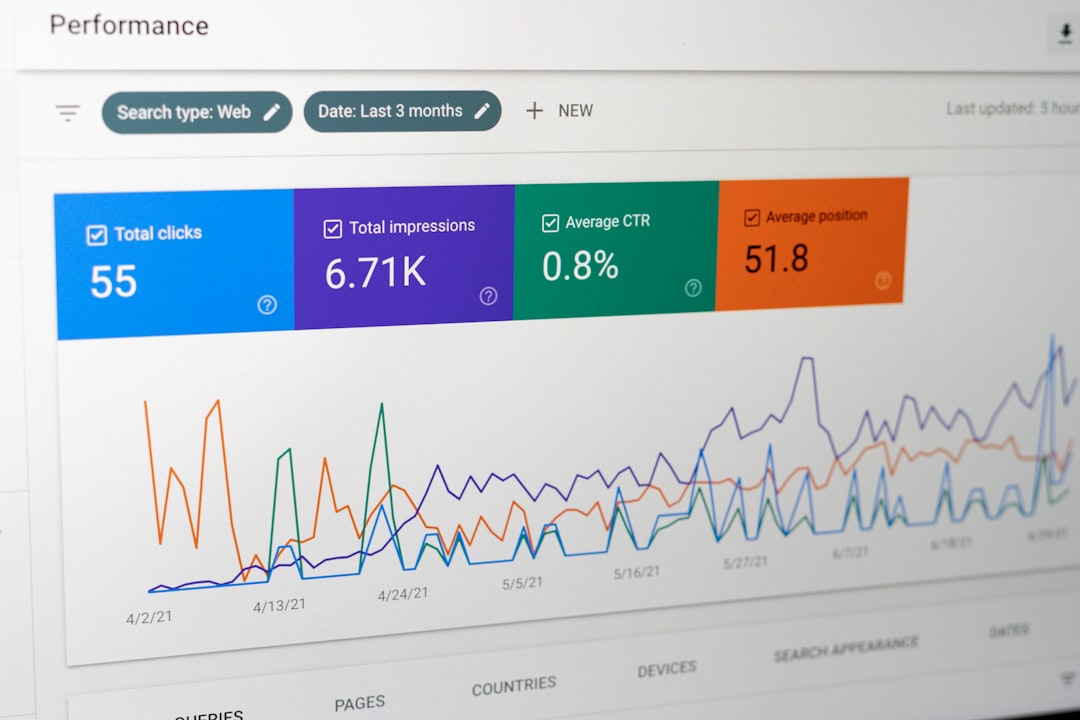
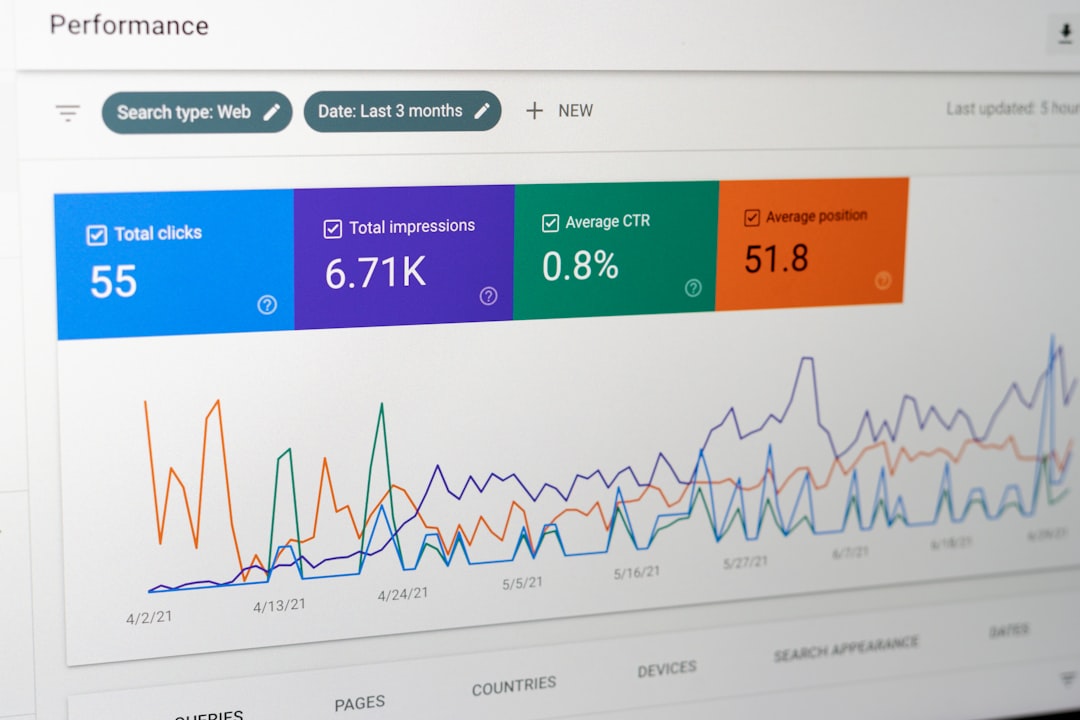
Downloads alone do not mean your app is successful. Many apps get initial attention but fail because users do not return. Track metrics that show whether the app is creating lasting value.
Important metrics include activation rate, retention rate, conversion rate, average revenue per user, customer acquisition cost, and lifetime value. These numbers help you understand whether your marketing is profitable and whether users find the app worth keeping.
If people download the app but do not complete onboarding, improve the first-time experience. If free users do not upgrade, clarify the premium value. If paying users cancel quickly, investigate whether expectations match reality.
10. Improve, Market, and Scale
After launch, app development becomes an ongoing cycle: measure, learn, improve, and promote. Regular updates show users that the product is active and reliable. However, avoid adding features randomly. Every update should support user retention, revenue, performance, or market positioning.
Marketing should also become more systematic over time. Effective channels may include search engine content, influencer partnerships, paid advertising, referral programs, app store optimization, community building, or direct sales for business apps. The best channel depends on where your target users already look for solutions.
To scale profitably, compare acquisition cost with lifetime value. If it costs $20 to acquire a customer who generates $100 in profit, you have a growth opportunity. If acquisition costs more than users are worth, improve retention, pricing, conversion, or targeting before spending more.
Final Thoughts
Creating an app and making money from it is achievable, but it requires disciplined decision-making. The strongest approach is to validate demand, build a focused MVP, choose a realistic monetization model, and improve based on user data. Treat your app as a business asset, not a one-time project. With careful planning, credible execution, and consistent marketing, an app can grow from a simple idea into a sustainable source of revenue.

