
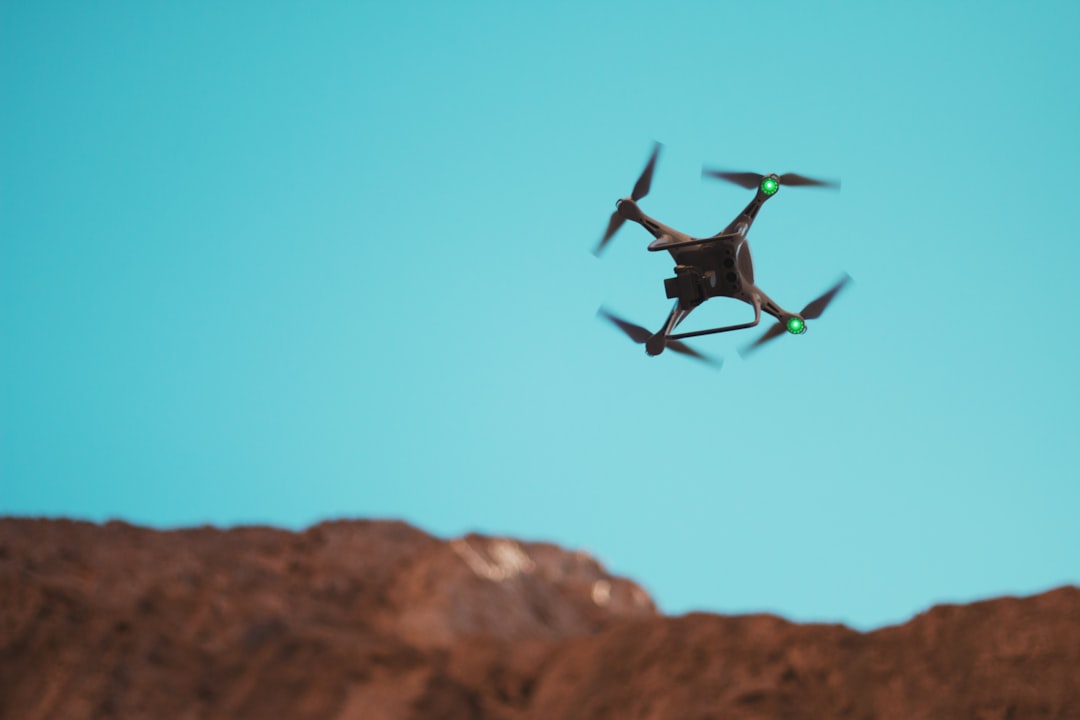
Managing a single drone is relatively straightforward. Managing a fleet of them is a completely different challenge. As commercial drone operations expand across industries such as agriculture, construction, logistics, security, and media production, organizations are turning to drone fleet management apps to stay organized, compliant, and efficient. These platforms provide centralized control, real-time monitoring, maintenance tracking, pilot coordination, and data management—all from a single dashboard.
TLDR: Drone fleet management apps help organizations monitor, control, and maintain multiple drones from one centralized platform. They improve operational efficiency, ensure regulatory compliance, enhance safety, and streamline data collection. Key features often include live tracking, maintenance logs, pilot management, analytics, and automated reporting. Choosing the right solution depends on fleet size, industry needs, scalability, and compliance requirements.
As drone adoption scales, manual tracking through spreadsheets and basic flight apps becomes inefficient and risky. Fleet management software provides a structured and scalable approach that reduces downtime, keeps teams organized, and ensures regulatory standards are met.
Why Drone Fleet Management Is Essential
Organizations operating multiple UAVs face a complex set of challenges. These include coordinating pilots, tracking flight logs, managing maintenance cycles, monitoring battery health, and ensuring compliance with aviation regulations. Without a centralized system, these tasks can quickly become overwhelming.
The key benefits of implementing fleet management software include:
- Centralized visibility of all drone operations
- Automated flight logging and compliance documentation
- Predictive maintenance scheduling
- Real-time GPS tracking
- Pilot credential and training management
- Performance analytics and reporting
For enterprises managing dozens or even hundreds of drones, these capabilities are not luxuries—they are operational necessities.
Core Features to Look For in a Drone Fleet Management App
While features vary by provider, high-quality fleet platforms typically include several core modules designed to handle complex operations.
1. Real-Time Fleet Tracking
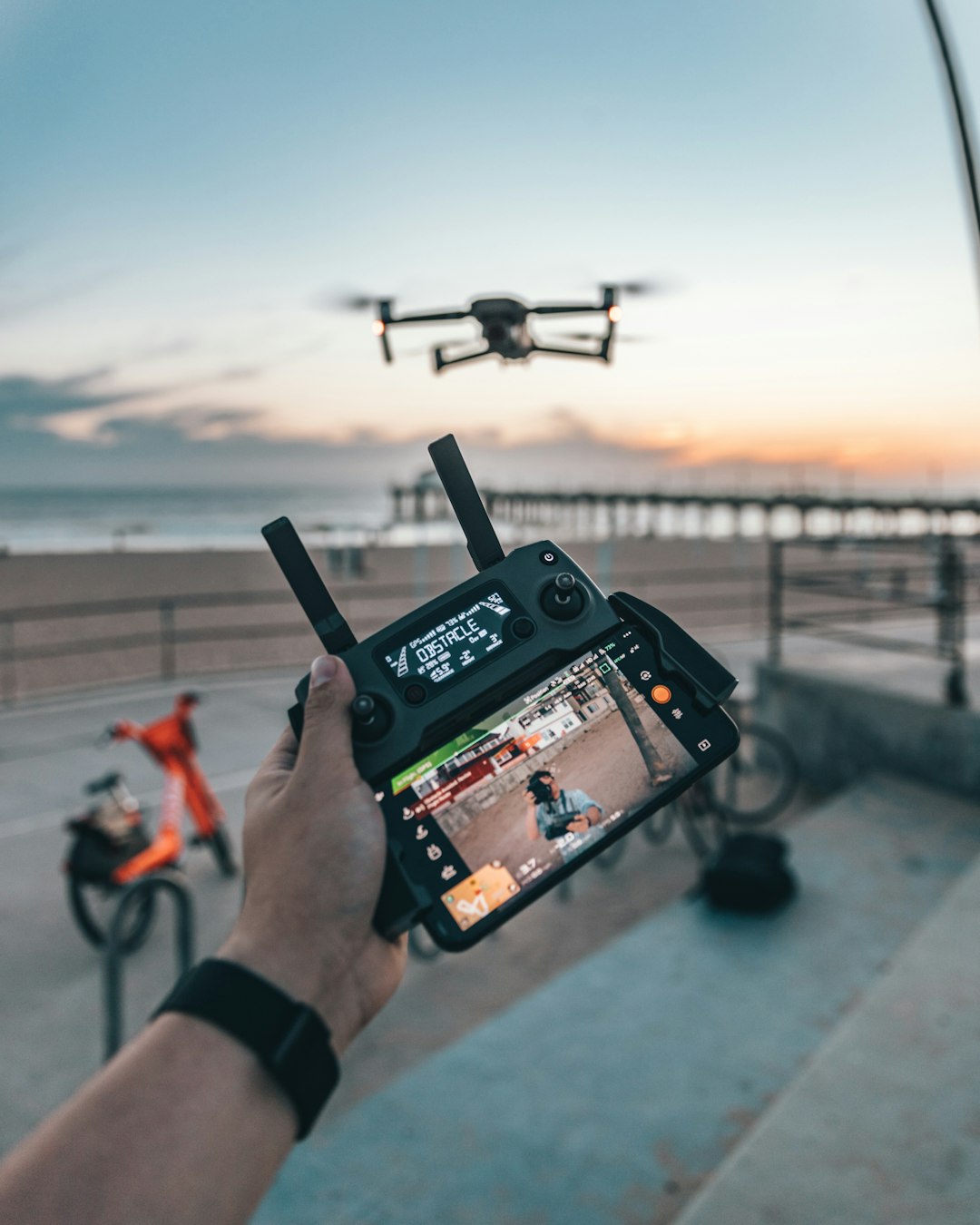
Real-time monitoring allows operators to view the location, altitude, speed, and battery status of every drone in the fleet. This enhances safety and enables immediate responses to unexpected events.
2. Maintenance & Asset Management
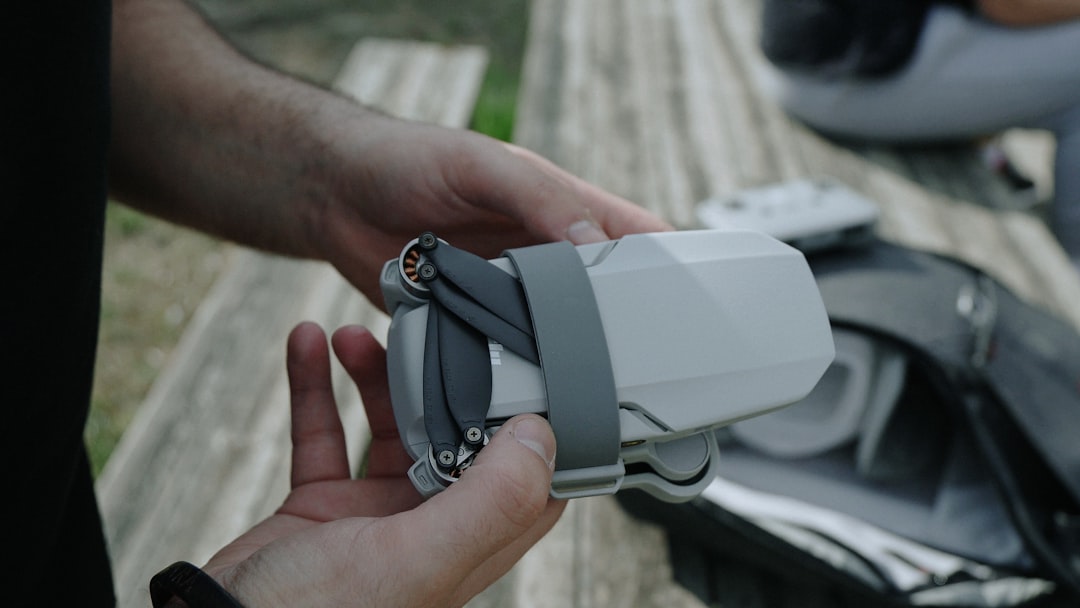
Every drone component—motors, propellers, gimbals, and batteries—requires routine inspection and replacement. Fleet apps track flight hours and generate maintenance alerts, reducing the likelihood of mechanical failure.
3. Automated Flight Logging
Regulatory compliance often requires detailed logs of each flight. Modern platforms automatically record:
- Date and time
- Location data
- Pilot identification
- Flight duration
- Aircraft status
This simplifies audits and supports airspace authorization requirements.
4. Pilot & Crew Management
Organizations must ensure pilots maintain proper certifications and training. Fleet apps organize credentials, assign missions, and track pilot performance metrics.
5. Analytics & Reporting
Advanced dashboards provide insights into utilization rates, maintenance trends, mission success metrics, and cost efficiency. Data-driven insights help maximize return on investment.
Leading Drone Fleet Management Apps
Several established platforms dominate the market, each offering unique strengths tailored to specific use cases.
1. Airdata UAV
Airdata specializes in flight data analysis and maintenance tracking. It integrates with many popular drone models and provides detailed health diagnostics.
Best for: Maintenance-heavy operations and compliance-focused industries.
2. DroneDeploy
DroneDeploy combines flight planning, mapping, and fleet management into one solution. It is particularly strong in construction and surveying workflows.
Best for: Mapping, 3D modeling, and site monitoring.
3. DJI FlightHub 2
Designed specifically for DJI enterprise drones, FlightHub enables cloud-based fleet operations with live streaming and remote mission planning.
Best for: Organizations operating primarily DJI enterprise drones.
4. Aloft (formerly Kittyhawk)
Aloft focuses heavily on airspace intelligence and compliance tools, offering LAANC authorization integration and mission planning.
Best for: Regulatory-sensitive environments and government compliance.
5. FlytBase
FlytBase emphasizes automation and remote drone operations, making it popular in security and surveillance sectors.
Best for: Automated and remote drone deployments.
Comparison Chart of Leading Platforms
| Platform | Real-Time Tracking | Maintenance Logs | Compliance Tools | Automation | Best Use Case |
|---|---|---|---|---|---|
| Airdata UAV | Yes | Advanced | Strong | Limited | Flight health monitoring |
| DroneDeploy | Yes | Moderate | Moderate | Mission planning | Construction and mapping |
| DJI FlightHub 2 | Yes | Basic | Moderate | Cloud missions | DJI enterprise users |
| Aloft | Yes | Basic | Advanced | Limited | Airspace compliance |
| FlytBase | Yes | Moderate | Moderate | Advanced | Security automation |
Industry Applications
Drone fleet management apps are transforming operations across multiple industries.
Construction
Project managers use fleet dashboards to document site progress, conduct aerial surveys, and monitor equipment deployment across multiple job sites.
Agriculture
Agricultural enterprises manage crop monitoring drones, optimize spray missions, and track field data through centralized platforms.
Energy & Utilities
Inspection teams coordinate power line surveys, wind turbine checks, and pipeline monitoring without losing data accuracy or compliance oversight.
Public Safety
Law enforcement and fire departments rely on fleet systems for rapid deployment, live video feeds, and incident documentation.
Security and Data Protection
With drones collecting high-value data—often including sensitive infrastructure imagery—security is paramount. Leading fleet apps incorporate:
- End-to-end encryption
- Role-based access controls
- Secure cloud storage
- Multi-factor authentication
Organizations should ensure any platform they adopt complies with regional aviation and privacy regulations.
Scalability and Integration
As fleets grow, scalability becomes critical. The ideal fleet management solution should:
- Support increasing numbers of drones without performance degradation
- Integrate with enterprise systems such as ERP and asset management tools
- Provide API access for custom workflow development
- Offer cross-platform compatibility (web and mobile)
Scalable platforms allow organizations to start small and expand without replacing their core management system.
Cost Considerations
Pricing models vary significantly. Some platforms charge per drone, others per user, and some use tiered enterprise pricing models. Organizations should evaluate:
- Subscription costs
- Cloud storage fees
- Additional compliance modules
- Customer support availability
- Training and onboarding resources
While basic systems may appear affordable, advanced analytics and automation features often justify higher-tier plans.
Future Trends in Drone Fleet Management
The market continues to evolve rapidly. Emerging trends include:
- AI-powered diagnostics for predictive maintenance
- Swarm coordination technology
- Autonomous docking stations
- Real-time 3D digital twin integration
- Enhanced remote operations via 5G networks
As drone fleets become more autonomous, management apps will increasingly function as centralized command centers rather than simple tracking tools.
Conclusion
Drone fleet management apps have become indispensable for organizations operating multiple UAVs. They streamline operations, reduce risk, improve safety, and provide actionable insights through centralized data management. Whether used for construction surveys, agricultural analysis, infrastructure inspection, or public safety, these platforms ensure that drone operations remain efficient, compliant, and scalable.
Selecting the right fleet management software depends on operational size, industry focus, regulatory requirements, and long-term growth plans. With the right solution in place, organizations can transform drone fleets from isolated assets into cohesive, high-performing systems.
Frequently Asked Questions (FAQ)
1. What is a drone fleet management app?
A drone fleet management app is a centralized software platform that helps organizations monitor, manage, maintain, and coordinate multiple drones and pilots from one dashboard.
2. Who needs drone fleet management software?
It is ideal for enterprises, government agencies, construction firms, agricultural operations, and security teams operating multiple drones regularly.
3. Can fleet management apps ensure regulatory compliance?
Yes. Many platforms automatically log flights, track pilot certifications, and integrate airspace authorization tools to meet aviation authority requirements.
4. Are these platforms compatible with all drone brands?
Compatibility varies. Some platforms support multiple manufacturers, while others are optimized for specific ecosystems like DJI enterprise drones.
5. How do these apps improve safety?
They provide real-time monitoring, automated maintenance alerts, pilot credential tracking, and centralized control to reduce operational risks.
6. Is cloud storage secure for drone data?
Most reputable platforms use encryption, secure servers, and role-based access control to protect sensitive flight and imagery data.
7. What should companies consider before choosing a solution?
Organizations should evaluate scalability, integration capabilities, compliance tools, cost structure, and industry-specific features before making a decision.

