
Finding files should not feel like opening a mystery box in a dark basement. If you have used Bunkr Explorer or similar tools, you already know the goal. You want to browse files fast. You want previews. You want folders that make sense. And you want your videos, images, and documents to stop hiding like tiny digital goblins.
TLDR: The best Bunkr Explorer alternatives depend on what you need most. For personal media, Plex, Jellyfin, and Emby are great choices. For serious file browsing, try Nextcloud, FileRun, or TagSpaces. For example, a small creator with 5,000 images and 300 videos could save hours each month by using tags, thumbnails, and smart search instead of digging through folders by hand.
What Makes a Good Bunkr Explorer Alternative?
A good file browser should be simple. It should load fast. It should show previews. It should not make you click 47 times just to find one video called final final real version.mp4.
The best tools usually offer:
- Clean browsing: Easy folders, clear layout, and quick navigation.
- Media previews: Thumbnails for images and videos.
- Search: Find files by name, type, date, or tag.
- Sorting: Sort by size, date, file type, or custom labels.
- Sharing: Create links or let other users access folders.
- Security: Passwords, permissions, and private storage options.
Now let us open the toolbox. No helmet needed.
1. Nextcloud
Best for: People who want a private cloud.
Nextcloud is like building your own personal Dropbox. You can upload files, make folders, preview media, and share links. It also supports apps, calendars, contacts, and team tools.
The big win is control. You can host it yourself. This means your files stay on your server. That is great for privacy. It is also good for teams that need rules, user roles, and access control.
Why it is good:
- Strong privacy options.
- Good file browsing.
- Works with phones and desktops.
- Supports sharing and user accounts.
Watch out: Setup can feel tricky for beginners. If you do not like servers, pick a hosted option or ask a tech friend. Bribe them with pizza.
2. Plex
Best for: Movies, shows, music, and polished media libraries.
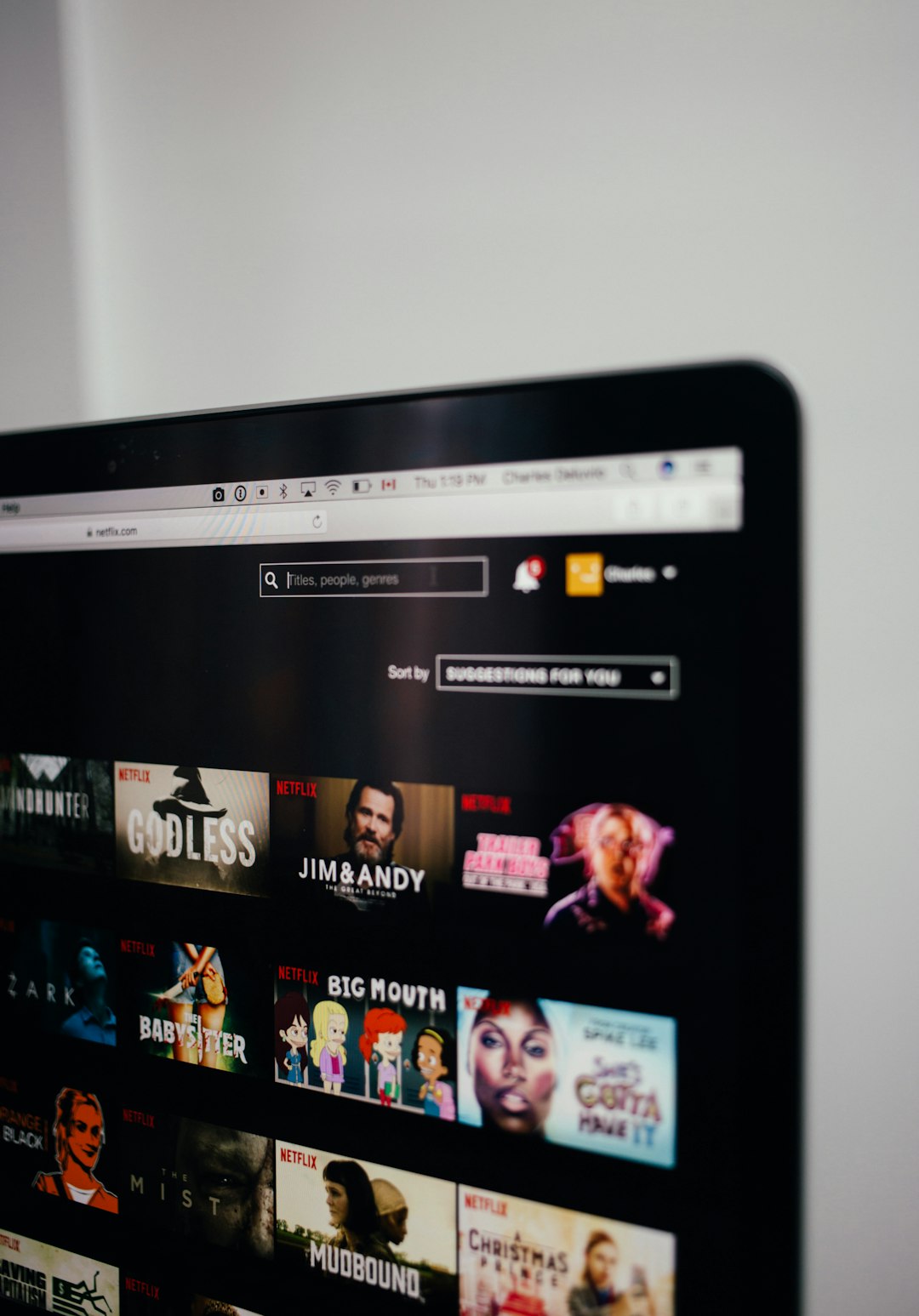
Plex is famous for a reason. It turns your media collection into a beautiful streaming library. Posters appear. Episodes group themselves. Music gets organized. It feels less like a folder dump and more like your own tiny Netflix.
Plex is not just a file browser. It is more focused on media playback. If your main goal is watching videos and listening to music, Plex is a strong pick.
Why it is good:
- Very pretty interface.
- Great for TVs, phones, and tablets.
- Automatic media matching.
- Remote streaming support.
Watch out: Plex may not be ideal for general file management. It is best when your files are named and sorted well.
3. Jellyfin
Best for: Free and open source media streaming.
Jellyfin is a lovable underdog. It does many things Plex does, but it is open source and free. You can run it on your own server. You can stream videos, music, and shows to many devices.
If you like control and do not want premium walls, Jellyfin is a happy little rocket ship.
Why it is good:
- Free and open source.
- No required paid plan.
- Good media organization.
- Active community.
Watch out: Some apps may feel less polished than Plex. But the value is excellent.
4. Emby
Best for: A balanced media server with family-friendly tools.
Emby sits between Plex and Jellyfin. It offers strong media management, streaming, user profiles, and parental controls. It is neat, smooth, and flexible.
Families may like Emby because it handles users well. You can make profiles for different people. You can limit access. You can keep little Timmy away from horror movies and your folder of weird cooking documentaries.
Why it is good:
- Solid media playback.
- Good user controls.
- Nice interface.
- Works on many devices.
Watch out: Some features require Emby Premiere. Check the pricing before going all in.
5. FileRun
Best for: Web-based file browsing with a familiar feel.
FileRun gives you a browser-based file manager. It looks clean. It feels familiar. You can upload, download, preview, share, and organize files. It is handy for people who want something lighter than a huge cloud platform.
It is especially useful if you need browser access to files stored on a server. It can handle images, documents, and media files nicely.
Why it is good:
- Simple web interface.
- Good previews.
- Sharing tools.
- Works well with existing storage.
Watch out: It is not a full media streaming platform like Plex. Think file manager first, media player second.
6. TagSpaces
Best for: People who love tags more than folders.
Folders are nice. But they can get messy fast. TagSpaces solves this by letting you tag files. You can label files as client work, vacation, inspiration, urgent, or why did I save this.
The best part is that TagSpaces can work offline. It does not force you into one cloud service. You can use it with local files, network drives, or synced folders.
Why it is good:
- Great tagging system.
- Works offline.
- Supports many file types.
- Good for research and creative projects.
Watch out: It is less about streaming and more about organizing.
7. PhotoPrism
Best for: Huge photo libraries.
PhotoPrism is made for images. It uses smart tools to sort, browse, and search your collection. It can group photos by date, location, camera, and more. It can even help detect objects and scenes.
If your camera roll looks like a digital avalanche, PhotoPrism can help. It is great for photographers, families, and anyone with years of photos sitting around.
Why it is good:
- Excellent photo browsing.
- Smart search features.
- Beautiful gallery view.
- Self-hosting options.
Watch out: It is mainly for photos. It is not the best all-purpose file manager.

8. Synology File Station
Best for: Users with a Synology NAS.
If you own a Synology NAS, File Station is already waiting for you. It lets you browse files, create shares, move folders, preview media, and manage permissions.
It works well because it is part of the Synology system. You can pair it with Synology Photos, Video Station alternatives, backups, and user accounts.
Why it is good:
- Built into Synology devices.
- Strong permission controls.
- Remote access options.
- Good for home and small office storage.
Watch out: You need Synology hardware. If you do not have one, this is not your path.
Quick Comparison
- Best private cloud: Nextcloud.
- Best polished media server: Plex.
- Best free media server: Jellyfin.
- Best family media setup: Emby.
- Best web file manager: FileRun.
- Best tagging tool: TagSpaces.
- Best photo manager: PhotoPrism.
- Best NAS browser: Synology File Station.
How to Pick the Right Tool
Do not start with the fanciest tool. Start with your problem.
If you mostly watch videos, choose Plex, Jellyfin, or Emby. If you manage work files, choose Nextcloud or FileRun. If your folders are chaos soup, try TagSpaces. If your photos are multiplying like rabbits, use PhotoPrism.
Also think about setup. Some tools are easy. Some need a server. Some need storage hardware. If you want simple, pick a hosted service or a tool with good apps. If you enjoy tinkering, self-hosting can be fun.
Final Thoughts
Bunkr Explorer alternatives come in many flavors. Some are for streaming. Some are for browsing. Some are for tagging. Some are for turning your file mess into a calm, searchable kingdom.
The best choice is the one that matches your daily habits. Keep it simple. Use previews. Add tags. Name files clearly. Future you will be grateful. Future you may even clap.

