
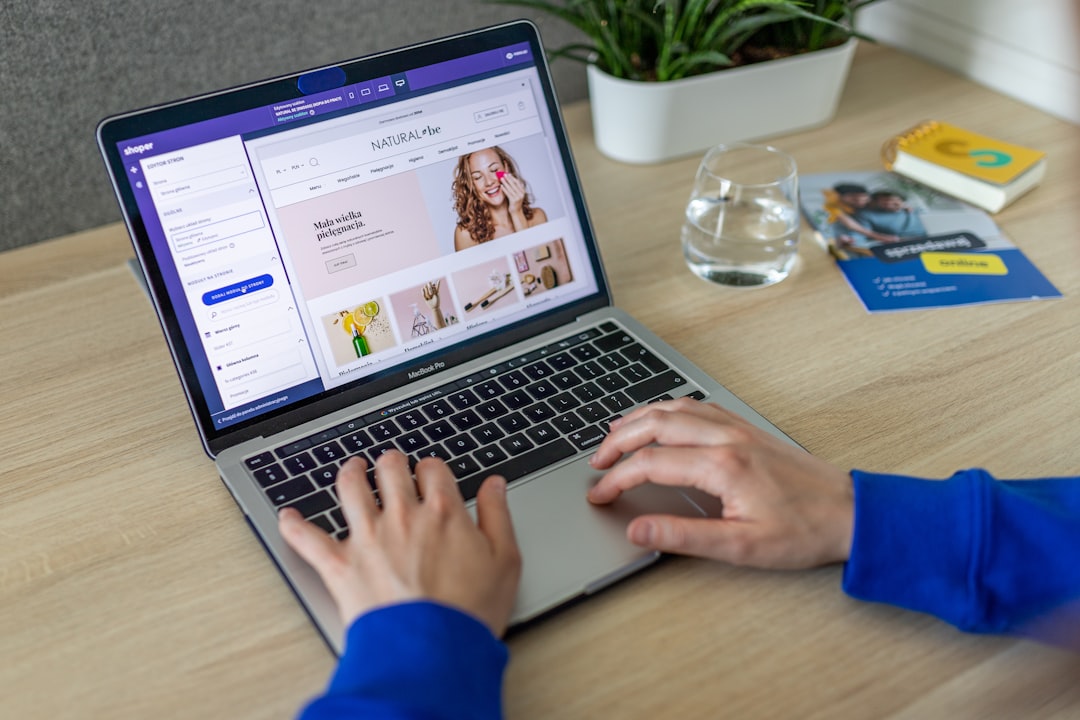
Running an ecommerce or dropshipping business can feel wonderfully lightweight: no storefront lease, no packed stockroom, and sometimes no warehouse at all. But “lean” does not mean “risk free.” A customer can claim a product caused an injury, a shipment can disappear, your ad account can get hacked, or a supplier’s mistake can become your legal problem. That is why choosing the right ecommerce business insurance is not just a boring admin task; it is a smart way to protect your revenue, brand, and future growth.
TLDR: The best ecommerce business insurance for dropshipping and online sellers usually includes general liability, product liability, cyber liability, and, for growing teams, workers’ compensation or employment practices liability. Dropshippers should pay special attention to product liability because customers often hold the seller responsible, even if a third-party supplier made or shipped the item. The right policy depends on what you sell, where you sell, your annual revenue, and your risk exposure. For many entrepreneurs, a bundled business owner’s policy plus product and cyber coverage is a practical starting point.
Why Ecommerce Insurance Matters More Than Many Sellers Think
Many new ecommerce entrepreneurs assume insurance is only for large companies, manufacturers, or brick-and-mortar stores. In reality, online businesses face many of the same risks as traditional retailers, plus a few digital ones. If you sell skincare, baby products, electronics, supplements, apparel, home goods, or pet products, one defective item or misleading instruction can trigger a claim.
Dropshipping adds another layer of complexity. You may not touch the product, store inventory, or manage shipping, but your customer usually bought from your website or marketplace listing. If something goes wrong, they may not know or care who your supplier is. Your brand is the one on the receipt, order confirmation, and support email.
Insurance helps cover legal defense costs, settlements, medical expenses, data breach response, property losses, and other expensive events that can otherwise drain your cash flow. Even if a claim is unfair, defending yourself can cost thousands of dollars.

The Core Types of Insurance Ecommerce Entrepreneurs Should Consider
There is no single “best” policy for every online business. The best ecommerce insurance is usually a combination of coverages tailored to your products, operations, and sales channels. Here are the most important types to understand.
1. General Liability Insurance
General liability insurance is the foundation of many small business insurance plans. It typically helps cover third-party claims involving bodily injury, property damage, and personal or advertising injury.
For ecommerce businesses, this can matter in situations such as:
- A customer visits your home office or storage space and gets injured.
- You damage rented property while using a temporary pop-up space or warehouse.
- A competitor claims your marketing copied their slogan or harmed their reputation.
General liability is often affordable and widely available, but it may not automatically cover all product-related claims. That is why ecommerce sellers should also look closely at product liability coverage.
2. Product Liability Insurance
Product liability insurance is one of the most important policies for ecommerce and dropshipping businesses. It helps protect your business if a product you sell allegedly causes injury, illness, or property damage.
Examples include:
- A phone charger overheats and damages a customer’s furniture.
- A skincare product causes a severe allergic reaction.
- A kitchen gadget breaks during use and injures someone.
- A children’s toy has a small part that becomes a choking hazard.
Even if your supplier, manufacturer, or fulfillment partner caused the issue, you may still be named in a lawsuit. Product liability coverage can help pay for legal defense, settlements, or judgments, depending on your policy terms.
Dropshipping tip: Always ask suppliers for proof of their own insurance, but do not rely on their policy alone. Their coverage may not protect you, may exclude your country, or may not respond quickly when you need help.
3. Cyber Liability Insurance
Ecommerce businesses run on data. You may collect names, email addresses, shipping addresses, order histories, passwords, and payment-related information. Even if your payment processor handles card numbers, your business can still be exposed to phishing, malware, ransomware, account takeovers, and data privacy claims.
Cyber liability insurance may help with costs such as:
- Customer notification after a data breach
- Credit monitoring services
- Legal and regulatory response
- Ransomware recovery expenses
- Business interruption caused by a cyberattack
- Public relations support after a security incident
If your online store is your main source of income, cyber coverage is not a luxury. A hacked website, stolen customer list, or compromised admin account can halt sales and damage trust quickly.
4. Business Owner’s Policy
A business owner’s policy, often called a BOP, usually bundles general liability insurance with commercial property insurance. It can be a cost-effective option for small ecommerce companies that own business equipment, inventory, computers, photography gear, shelving, or packaging supplies.
For example, if you store inventory in a garage, rented office, or small warehouse, a BOP may help protect those assets from covered events like fire, theft, or certain weather-related damage. However, standard property policies can have limitations, especially for inventory stored with third-party logistics companies. Always confirm where your property is covered.
5. Inland Marine Insurance
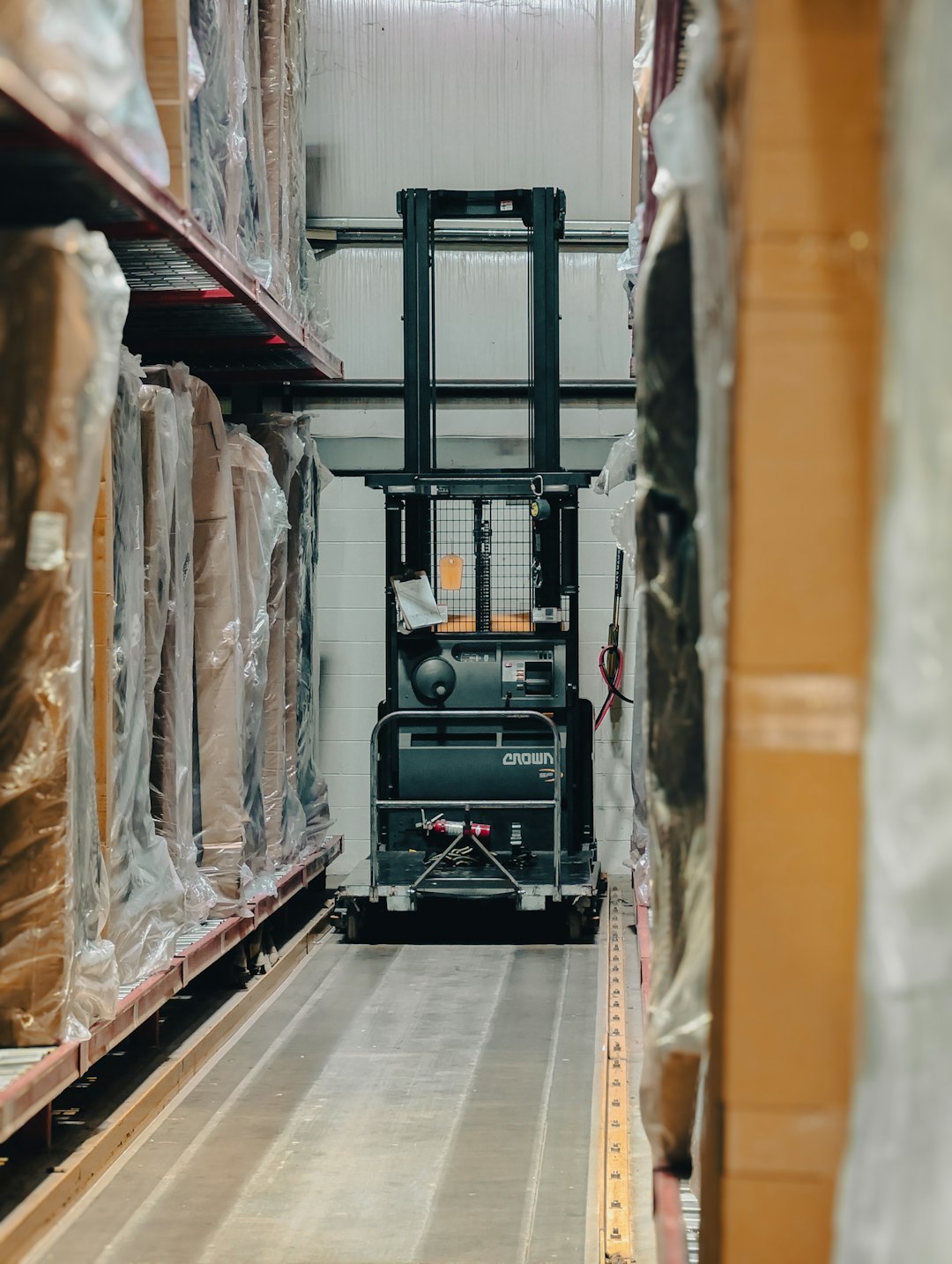
The name sounds old-fashioned, but inland marine insurance is very relevant for ecommerce. It helps cover business property while it is in transit or stored away from your main business location.
This may be useful if you ship inventory to trade shows, send products to influencers, move equipment between locations, or store goods with a fulfillment partner. If your business depends on physical products, ask whether your goods are protected while moving through the supply chain.
6. Professional Liability Insurance
Professional liability insurance, also known as errors and omissions insurance, is useful if your ecommerce business provides advice, customization, consulting, digital services, design, coaching, or product recommendations. It helps cover claims that your professional service caused financial harm.
For example, if you sell customized nutrition plans, business templates, marketing audits, digital courses, or technical setup services alongside physical products, this coverage may be worth considering.
7. Workers’ Compensation Insurance
If you hire employees, workers’ compensation insurance may be legally required. It helps cover medical expenses and lost wages if an employee is injured while working. Even ecommerce teams can face workplace injuries, especially when packing orders, lifting boxes, attending events, or working in warehouse settings.
Rules vary by location, so check your state or country’s requirements before hiring. Some businesses also need coverage for part-time, seasonal, or remote employees.
8. Employment Practices Liability Insurance
As your ecommerce brand grows, people-related risks grow too. Employment practices liability insurance, or EPLI, can help cover claims involving wrongful termination, discrimination, harassment, retaliation, or other employment-related issues.
Solo dropshippers may not need this right away, but brands building customer service teams, marketing departments, or fulfillment staff should keep it on the radar.
Best Insurance Setup for Dropshipping Businesses
Dropshipping businesses have a unique risk profile because they often depend on suppliers they do not control. You may not inspect every product, verify every safety test, or oversee packaging quality. Yet your store is still the customer-facing brand.
A strong insurance setup for dropshipping often includes:
- General liability insurance for basic third-party claims.
- Product liability insurance for injuries or damages caused by products sold through your store.
- Cyber liability insurance for data breaches, phishing, and digital attacks.
- Business interruption coverage if a covered event stops your operations.
- Professional liability insurance if you offer advice, digital products, or customization.
Dropshippers should also create a supplier risk checklist. Confirm that suppliers comply with safety standards, provide accurate product descriptions, carry insurance, and use clear return procedures. If you sell to customers in multiple countries, make sure your policy covers those territories.
Best Insurance Setup for Inventory-Based Ecommerce Brands
If you buy inventory upfront, private label products, or use a third-party logistics provider, your insurance needs are slightly different. You likely have more property exposure because you own stock before customers buy it.
Inventory-based ecommerce brands should consider:
- A business owner’s policy for general liability and business property.
- Product liability insurance with limits that match the level of product risk.
- Commercial property insurance for inventory, computers, equipment, and packaging materials.
- Inland marine insurance for products in transit or stored off-site.
- Cyber liability insurance for online store and customer data risks.
If you sell through marketplaces, read seller requirements carefully. Some platforms may require proof of commercial liability insurance once your sales exceed a certain threshold. Having coverage ready can prevent account issues and help you scale smoothly.
How Much Does Ecommerce Business Insurance Cost?
Costs vary widely, but many small ecommerce businesses can start with basic coverage for a manageable monthly premium. The price depends on several factors:
- Product category: Supplements, electronics, beauty products, children’s items, and medical-related goods are often higher risk.
- Annual revenue: Higher sales usually mean higher exposure.
- Claims history: Previous claims can increase premiums.
- Coverage limits: A $2 million policy costs more than a $500,000 policy.
- Sales locations: Selling internationally may increase complexity.
- Business model: Dropshipping, private label, wholesale, and handmade products may be rated differently.
As a rough guide, general liability may be relatively inexpensive for low-risk sellers, while product liability can cost more for categories with safety concerns. Cyber insurance pricing depends on your revenue, data practices, security controls, and the type of customer information you handle.

How to Choose the Best Ecommerce Insurance Provider
The best provider is not always the cheapest. Look for an insurer or broker that understands ecommerce, online marketplaces, international suppliers, and product liability. A general small business policy may not be enough if it excludes products, imported goods, or certain sales channels.
When comparing options, ask these questions:
- Does the policy specifically cover ecommerce sales?
- Are dropshipped or imported products covered?
- Are products stored at third-party warehouses covered?
- What countries or regions are included?
- Are marketplace sales covered?
- What are the exclusions for my product category?
- How much product liability coverage is included?
- Does cyber coverage include ransomware, breach response, and business interruption?
- Can I get a certificate of insurance quickly?
It is also helpful to work with an insurance professional who can explain policy wording in plain language. Exclusions matter. A policy that looks perfect on the quote page may have limitations that make it less useful when a real claim occurs.
Risk Management: Insurance Is Only One Layer
Good insurance is essential, but it works best alongside smart risk management. Ecommerce entrepreneurs should reduce preventable problems before they become claims.
Practical steps include:
- Use reliable suppliers and document quality checks.
- Keep product descriptions accurate and avoid exaggerated claims.
- Include clear warnings, instructions, sizing charts, and usage guidelines.
- Save supplier contracts, invoices, test certificates, and communication records.
- Use secure passwords, two-factor authentication, and limited admin access.
- Keep your ecommerce platform, apps, and plugins updated.
- Create a clear refund, return, and complaint process.
- Keep separate business finances and formal business records.
These habits may help reduce claims, support your defense if a dispute arises, and sometimes improve your eligibility for better insurance terms.
Final Thoughts
The best ecommerce business insurance for dropshipping and ecommerce entrepreneurs is the coverage that matches the real risks behind your business model. For many sellers, that means starting with general liability, adding strong product liability, and protecting the digital side of the business with cyber insurance. If you own inventory, use warehouses, hire staff, or sell higher-risk products, your coverage should grow with you.
Think of insurance as part of your ecommerce infrastructure, just like your website, payment processor, supplier network, and marketing system. You hope you never need it, but if a claim, lawsuit, breach, or disaster happens, the right policy can be the difference between a temporary setback and a business-ending crisis. In a competitive online market, protecting your brand is not just defensive; it is a sign that you are building something serious, sustainable, and ready to scale.

