

Artificial intelligence is rapidly changing how real estate professionals create, manage, optimize, and distribute property listings. What used to require hours of manual data entry, copywriting, image editing, lead routing, and portal updates can now be streamlined with smart software that connects MLS data, customer relationship management systems, advertising channels, and analytics dashboards. The best AI listing tools do more than “post a property online”; they help agents and brokerages turn listings into marketable assets that reach the right buyers faster.
TLDR: The best AI software for managing and syndicating real estate listings combines automation, MLS connectivity, marketing intelligence, and lead follow up. Platforms such as Lofty, kvCORE, Rechat, Propertybase, Lone Wolf, ListHub, Restb.ai, and Ylopo each solve different parts of the listing workflow. Choose software based on your brokerage size, MLS requirements, syndication needs, CRM setup, and how much AI assistance you want for descriptions, images, ads, and lead nurturing.
Why AI Matters in Real Estate Listing Management
Real estate listings are more than a few photos and a price. A strong listing must include accurate property details, compliant language, compelling descriptions, attractive visuals, instant distribution, performance tracking, and reliable lead capture. For a busy agent or brokerage, keeping all of this consistent across the MLS, IDX website, Zillow, Realtor.com, social media, email campaigns, and paid ads can become overwhelming.
AI-powered listing software helps reduce repetitive work while improving presentation and timing. It can draft listing descriptions, score image quality, tag property features, suggest marketing copy, identify likely buyers, automate social posts, and route inquiries to the right agent. Some platforms also use predictive analytics to recommend pricing strategies or determine which leads are most likely to convert.
The biggest advantage is not just speed. It is consistency at scale. Brokerages with dozens, hundreds, or thousands of listings need systems that keep property data clean, branding uniform, and updates synchronized across multiple channels.
What to Look for in AI Listing Software
Before comparing platforms, it helps to understand the features that matter most. The best solution depends on whether you are a solo agent, a growing team, a property manager, or a multi-office brokerage.
- MLS and IDX integration: The software should connect cleanly with your MLS, IDX feed, or data provider so listing information updates automatically.
- Syndication support: Look for distribution to major portals, brokerage websites, agent websites, social media, email, and paid advertising channels.
- AI content generation: Useful tools can create property descriptions, headlines, social captions, email campaigns, and ad copy.
- Image intelligence: AI can identify rooms, detect image quality issues, tag features, and help improve visual presentation.
- Lead capture and routing: Listing syndication is only valuable if inquiries are tracked and followed up quickly.
- Compliance controls: Real estate marketing must follow MLS rules, fair housing guidelines, brokerage policies, and local regulations.
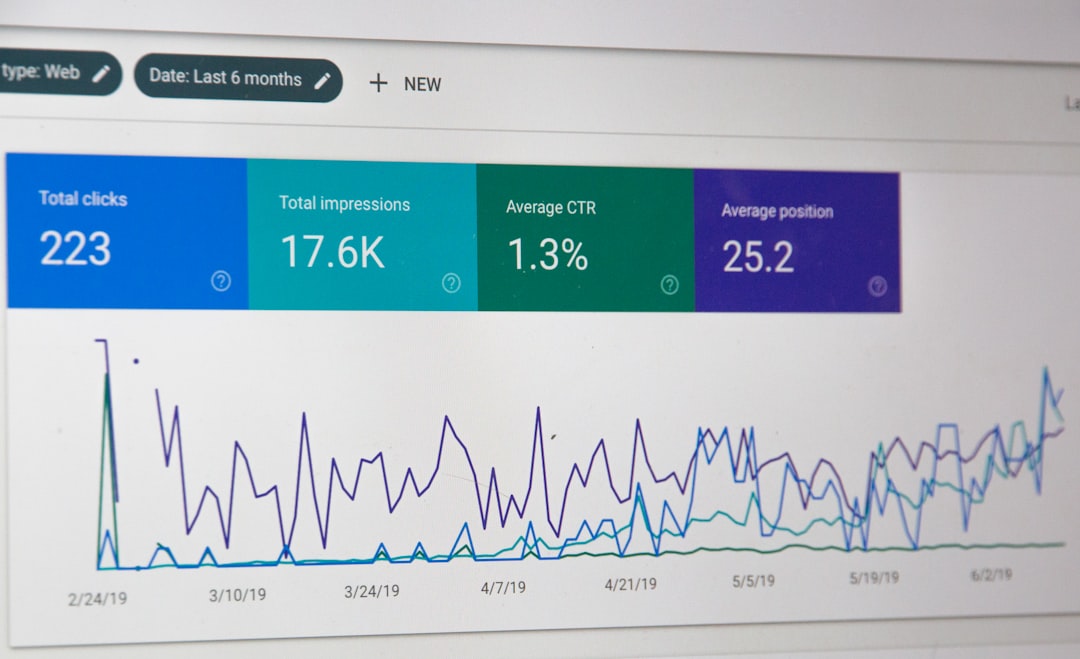
- Analytics: The platform should show views, clicks, inquiries, lead sources, campaign performance, and listing engagement.
1. Lofty: Strong AI for Teams That Need CRM and Listing Marketing
Lofty, formerly known as Chime, is a popular real estate platform that combines IDX websites, CRM, marketing automation, lead generation, and AI assistant features. It is especially useful for teams that want listing promotion and lead follow up in the same ecosystem.
Lofty’s AI tools can help with lead qualification, automated responses, behavior tracking, and personalized follow-up campaigns. Listings can be displayed on IDX websites, promoted through automated marketing, and tied directly to lead activity. This makes it easier to see which properties attract attention and which prospects are actively browsing.
Best for: Real estate teams and brokerages that want an all-in-one platform for IDX, CRM, listing promotion, and AI-assisted lead nurturing.
Why it stands out: Lofty is not just a listing tool; it connects listing engagement with sales pipeline behavior. That makes it valuable for teams that want to turn listing traffic into appointments.
2. kvCORE: A Brokerage-Friendly Platform With Smart Automation
kvCORE by Inside Real Estate is widely used by brokerages and teams that need websites, CRM, lead generation, marketing automation, and IDX search. Its AI and automation features are designed to help agents respond to leads, recommend properties, and keep contacts engaged over time.
For listing management, kvCORE is useful because it connects property search behavior with automated campaigns. When a lead views certain types of homes, the system can trigger relevant alerts and follow-up messages. This helps agents promote active listings to buyers whose behavior suggests genuine interest.
Best for: Brokerages and teams that need scalable listing exposure, CRM workflows, and automated buyer engagement.
Why it stands out: kvCORE’s strength is its combination of IDX-driven search, behavioral tracking, and automated communication.
3. Rechat: Modern AI Marketing for Agents and Brokerages
Rechat is a polished real estate operating platform that includes CRM, marketing, transaction tools, email campaigns, social content, and AI-powered assistance. It is known for helping agents create attractive marketing materials quickly while keeping branding consistent.
For listing promotion, Rechat can help generate listing announcements, open house campaigns, social content, email newsletters, and client communications. Its AI assistant can draft messages and marketing copy, making it easier for agents to produce professional content without starting from a blank page.
Best for: Agents and brokerages that care about elegant marketing, brand consistency, and fast campaign creation.
Why it stands out: Rechat is particularly strong for real estate professionals who want their listing marketing to feel premium and personalized.

4. Propertybase: Enterprise-Level Listing and CRM Management
Propertybase, built on Salesforce, is designed for brokerages and real estate businesses that need a robust CRM, transaction workflows, lead management, and website integrations. While it may require more setup than lighter platforms, it offers flexibility for organizations with complex processes.
Propertybase can centralize listing information, customer communications, marketing activity, and pipeline management. Because it is connected to the Salesforce ecosystem, larger firms can customize workflows, reporting, and automation in ways that simpler tools may not support.
Best for: Larger brokerages, luxury firms, and real estate organizations that need customizable systems.
Why it stands out: Its strength is structure. If your brokerage needs detailed reporting, permissions, and process control, Propertybase can be a powerful option.
5. Lone Wolf Technologies: Listing, Transaction, and Brokerage Operations
Lone Wolf Technologies offers a suite of tools for brokerages, including transaction management, back office software, forms, digital marketing, and real estate websites. It is especially relevant for organizations that want listing workflows connected to the larger business operation.
While not every Lone Wolf product is centered on AI, the platform’s automation and data connections can reduce manual work throughout the listing lifecycle. For brokerages, the real value is having listing, transaction, accounting, and compliance processes connected more closely.
Best for: Brokerages seeking operational efficiency from listing intake through closing.
Why it stands out: Lone Wolf is built around brokerage infrastructure, making it practical for companies that need more than marketing tools.
6. ListHub: Reliable Listing Syndication Across Major Channels
ListHub is one of the best-known listing syndication platforms in real estate. Its core function is distributing listings from MLSs and brokerages to a network of publisher websites while providing reporting on listing performance.
ListHub is not a flashy AI content generator, but it plays a critical role in syndication. Accurate distribution is the foundation of listing visibility. If your listings are not reaching the right portals with correct data, even the best AI description will not help much.
Best for: Brokerages, MLSs, and agents who need dependable listing distribution and publisher reporting.
Why it stands out: ListHub focuses on the essential problem of getting listings syndicated accurately and consistently.
7. Restb.ai: AI Image Tagging and Property Data Extraction
Restb.ai specializes in computer vision for real estate. Its technology can analyze listing photos and automatically identify rooms, features, property conditions, architectural elements, and amenities. This is incredibly useful for MLSs, portals, and brokerages that manage large volumes of listings.
For example, Restb.ai can detect whether a photo shows a kitchen, bathroom, pool, fireplace, hardwood floors, or exterior view. These tags can improve search filters, enrich listing data, and help ensure photos are categorized correctly. It can also support compliance and quality control by flagging images that may need review.
Best for: MLSs, portals, brokerages, and technology teams that want AI-powered image understanding.
Why it stands out: Restb.ai turns listing photos into structured data, which makes listings easier to search, analyze, and market.
8. Ylopo: AI-Driven Lead Generation and Listing Advertising
Ylopo is known for real estate lead generation, dynamic ads, IDX websites, and AI-assisted lead nurturing. It is particularly strong for agents and teams that use paid advertising to drive traffic to listings and property search pages.
Ylopo’s AI tools help identify buyer intent, automate conversations, and keep leads engaged through property alerts and remarketing. For listings, this means agents can promote homes to targeted audiences and capture buyer behavior in a measurable way.
Best for: Teams focused on online lead generation, listing ads, retargeting, and AI lead engagement.
Why it stands out: Ylopo is strong at connecting listing promotion with digital advertising and lead conversion.

Other Useful AI Tools for Listing Workflows
Some of the best AI listing workflows combine a primary real estate platform with specialized tools. Depending on your needs, these can add speed and polish to your process.
- ChatGPT or Claude: Helpful for drafting listing descriptions, email campaigns, neighborhood summaries, open house scripts, and social captions. Always review for accuracy and compliance.
- Canva: Useful for creating listing flyers, social posts, presentation graphics, and branded marketing materials with AI-assisted design features.
- BoxBrownie: Popular for real estate photo editing, virtual staging, item removal, and image enhancement.
- CoreLogic tools: Valuable for property data, MLS solutions, valuation support, and real estate intelligence.
- Follow Up Boss: A strong real estate CRM that pairs well with listing lead sources and automation tools.
How to Choose the Right Platform
The “best” AI listing software depends on your business model. A solo agent may need fast content generation, an IDX website, and simple social publishing. A team may need CRM automation, lead routing, and ad tracking. A brokerage may care most about MLS compliance, reporting, permissions, and bulk syndication.
Start by mapping your listing workflow from intake to closing. Ask: Who enters the listing data? Where does it come from? Which channels must receive it? Who approves marketing copy? How are leads routed? How quickly are inquiries answered? Which reports matter to sellers?
Then evaluate software based on the gaps. If listings are not reaching enough sites, prioritize syndication. If leads are slipping through the cracks, prioritize CRM and AI follow up. If marketing takes too long, choose a platform with strong content and design automation. If images are inconsistent, consider AI photo analysis or editing tools.
Compliance and Accuracy Still Matter
AI can help create better listing content, but it should not replace professional judgment. Real estate listings must be accurate, fair, and compliant with local rules. AI-generated descriptions should be reviewed to avoid exaggerations, unsupported claims, protected-class references, or incorrect property details.
Human review is essential, especially for square footage, school information, zoning, amenities, property condition, and neighborhood descriptions. A polished but inaccurate listing can create legal problems and damage trust with buyers and sellers.
Final Thoughts
The best AI software for managing and syndicating real estate listings is the one that reduces friction without sacrificing accuracy. For all-in-one sales and marketing, platforms like Lofty, kvCORE, Rechat, and Ylopo are compelling. For brokerage infrastructure, Propertybase and Lone Wolf offer deeper operational support. For syndication and data enrichment, ListHub and Restb.ai are especially valuable.
AI is not just making listing management faster; it is making it smarter. When used well, it helps real estate professionals create better marketing, reach wider audiences, respond to buyers faster, and give sellers clearer insight into listing performance. In a competitive market, that combination can make a listing stand out long before a buyer ever walks through the front door.

