
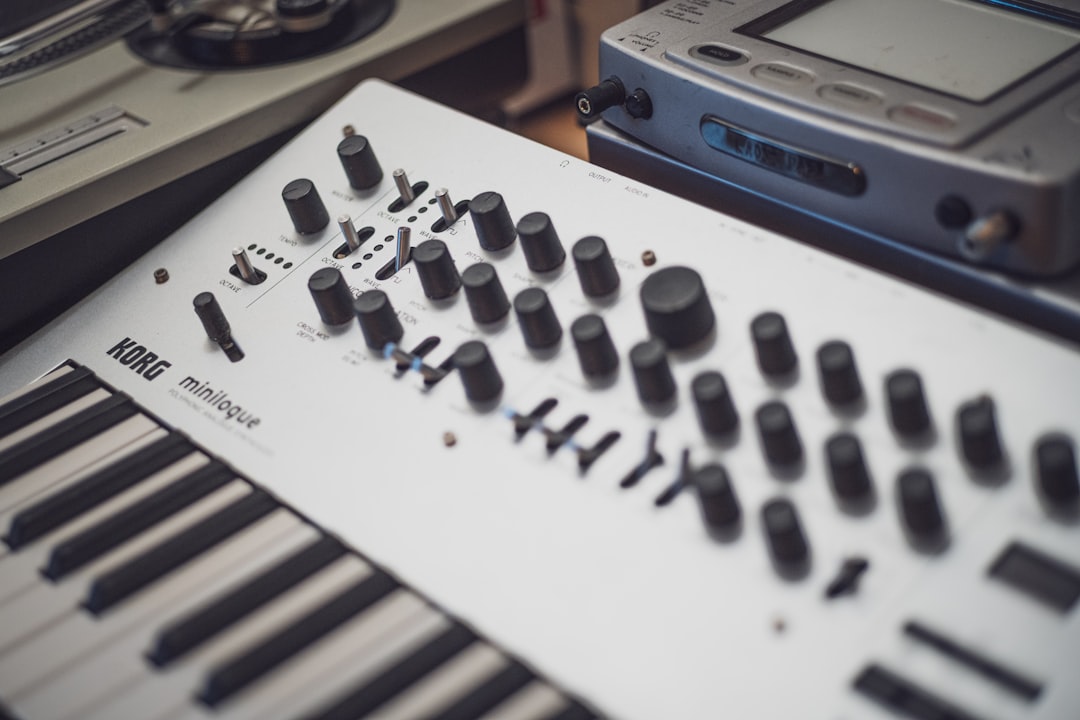
Pick Ableton Live for beat making, Logic Pro for best value, and Pro Tools for serious studio recording. Those are the big three choices for most people. The music production software market was valued at about $1.22 billion in 2023, so yes, a lot of people are making songs on laptops now [source: Grand View Research].
TLDR: If you make electronic music, start with Ableton Live or FL Studio. If you record vocals, guitars, or bands, try Logic Pro, Cubase, or Pro Tools. A simple home setup with a $150 audio interface, a $100 mic, and one good DAW can record release-ready songs. For example, a singer with 12 vocal tracks and 20 beat tracks will have an easier time mixing in Logic than in GarageBand.

What is a DAW?
A DAW is a digital audio workstation. That sounds fancy. It is just music software.
You use it to record sound. You use it to edit takes. You use it to play MIDI notes. You use it to mix, master, and cry over why the snare still sounds weak.
Here are 7 popular DAWs, compared in plain English.
1. Ableton Live
Best for: beats, loops, electronic music, live sets.
Ableton Live feels like a toy box for music. In a good way. You can throw in loops, chop samples, stretch sounds, and build a track fast.
- Recording: Good, but not the cleanest for big band sessions.
- Mixing: Solid. The stock effects are useful.
- MIDI: Excellent. Fast and fun.
- Production: One of the best.
The Session View is the star. You can build ideas without staring at a long timeline. The catch is that traditional recording can feel a bit clunky at first.
2. Logic Pro
Best for: Mac users, songwriters, pop, vocals, full production.
Logic Pro gives you a lot for the money. You get great instruments, strong mixing tools, and a clean workflow.
- Recording: Very good.
- Mixing: Strong and easy to learn.
- MIDI: Great, especially for piano roll editing.
- Production: Excellent for most styles.
Honestly, it feels like cheating how much stuff is included. Drummers, synths, amps, samplers, and effects are all there. The bad news? It only works on Mac.
3. Pro Tools
Best for: studios, engineers, bands, film audio.
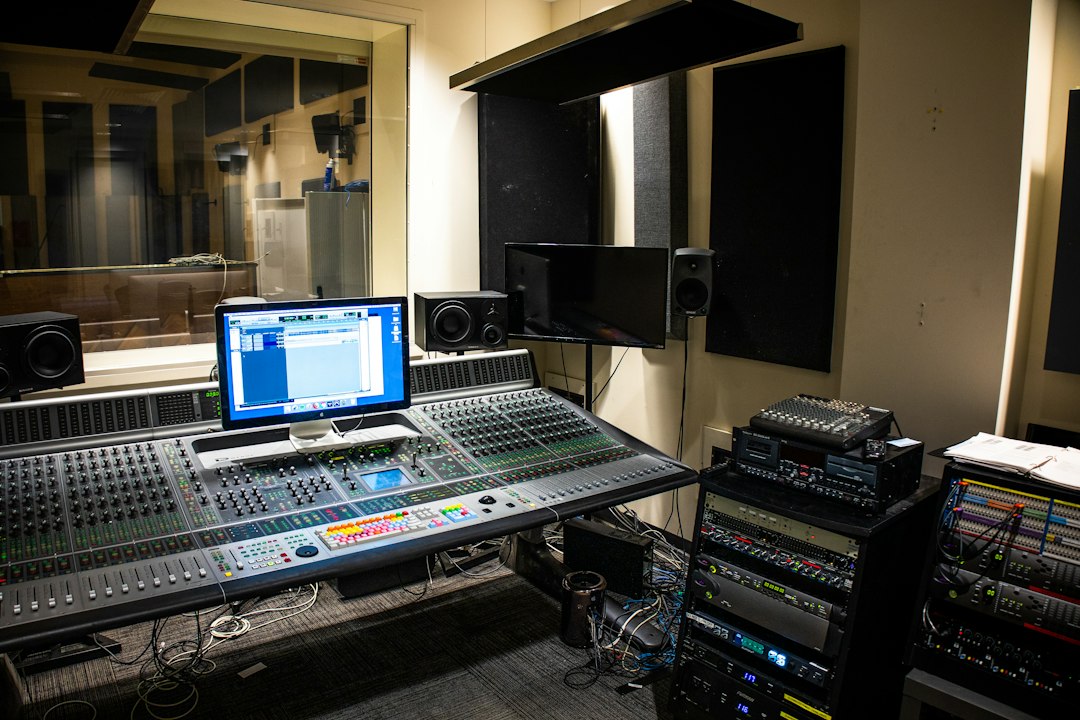
Pro Tools is the “serious studio” DAW. Many pro rooms use it. If you want to work in commercial studios, it helps to know it.
- Recording: Excellent.
- Mixing: Excellent.
- MIDI: Better than before, but not the most fun.
- Production: Best for audio-heavy work.
Editing vocals, drums, and guitars feels tight. But it can be pricey. It also likes things done its way. Expect to waste time on setup if your audio driver acts weird.
4. FL Studio
Best for: hip hop, trap, EDM, beat makers.
FL Studio is fast. Very fast. The step sequencer is great for drums. The piano roll is one of the best around.
- Recording: Fine, but not its strongest area.
- Mixing: Good once you learn the mixer.
- MIDI: Excellent.
- Production: Great for beats and hooks.
It drives me a little nuts that audio recording can feel less direct than other DAWs. Still, for making a beat in 20 minutes, FL is hard to beat.
5. Cubase
Best for: composers, MIDI-heavy music, scoring, advanced editing.
Cubase has been around forever. It is deep. Maybe too deep at first. But once it clicks, it is powerful.
- Recording: Very good.
- Mixing: Strong and detailed.
- MIDI: Amazing.
- Production: Great for complex songs.
If you make orchestral music, film cues, or huge MIDI sessions, Cubase is a beast. The menus can feel crowded. But the control is worth it.
6. Studio One
Best for: quick workflow, recording, mixing, mastering.
Studio One feels modern. Drag this here. Drop that there. Done. It tries to keep you moving.
- Recording: Very good.
- Mixing: Clean and simple.
- MIDI: Good.
- Production: Great for full songs.
The built-in mastering page is a nice bonus. You can finish a song and prep a release in one place. That saves clicks. Sweet, sweet clicks.
7. Reaper
Best for: budget users, custom workflows, audio editing.
Reaper is small, fast, and cheap. It does not look as shiny as the others. But it gets the job done.
- Recording: Excellent.
- Mixing: Very good.
- MIDI: Good, but not flashy.
- Production: Strong if you like tweaking.
Reaper is for people who enjoy control. You can customize almost everything. The downside is that it can feel plain out of the box.
Quick comparison
| DAW | Best strength | Main annoyance |
|---|---|---|
| Ableton Live | Loops and live performance | Traditional recording feels odd at first |
| Logic Pro | Value and full production | Mac only |
| Pro Tools | Studio recording and mixing | Cost and setup pain |
| FL Studio | Beats and MIDI | Audio recording is less smooth |
| Cubase | MIDI and scoring | Lots of menus |
| Studio One | Fast song workflow | Smaller user base |
| Reaper | Price and speed | Plain starting setup |
Which DAW should you choose?
- New producer: Try FL Studio or Ableton Live.
- Singer songwriter: Try Logic Pro or Studio One.
- Band recording: Try Pro Tools, Studio One, or Reaper.
- Film composer: Try Cubase or Logic Pro.
- Tight budget: Try Reaper first.
The best DAW is not the one with the longest feature list. It is the one that makes you finish songs. Download a trial. Make one short track. Mix it. Export it. If you enjoyed the process, that is your winner.

