

TutorTrac is a long-established tutoring and learning center management platform used by colleges, universities, and academic support departments to organize student appointments, track visits, document services, and report on center activity. For institutions that need structure around tutoring operations, it can be a practical system; however, its value depends heavily on how well it fits existing advising workflows, reporting needs, and the student experience.
TLDR: TutorTrac is best suited for academic support centers that need reliable appointment scheduling, visit tracking, and usage reporting. For example, a tutoring center serving 1,200 students per semester could use it to identify that 68% of visits occur in math and writing support, then adjust staffing accordingly. Its strengths are operational control and reporting, while its limitations may include interface expectations, integrations, and broader student success functionality. Institutions seeking more engagement-focused or mobile-first tools should compare alternatives before committing.
What Is TutorTrac?
TutorTrac is part of the broader Trac system family from Redrock Software, designed to support tutoring centers, writing centers, learning labs, advising offices, and other academic service units. Its core purpose is straightforward: help institutions manage who is receiving support, when they receive it, what type of support they receive, and what outcomes may be associated with that support.
Unlike general calendar tools, TutorTrac is built around academic support operations. It can help staff handle appointment availability, walk-in visits, student check-ins, tutor schedules, session notes, attendance records, and reports for administrators. This makes it particularly relevant for institutions that must document service usage for accreditation, grant reporting, internal budgeting, or student retention initiatives.
Image not found in postmetaKey Features of TutorTrac
TutorTrac’s feature set focuses on day-to-day center management. While exact functionality may vary by configuration and version, institutions typically evaluate it across the following areas:
- Appointment scheduling: Students can book sessions based on tutor availability, subject, course, location, and time slot.
- Walk-in tracking: Centers can record unscheduled visits and associate them with a course, service type, or support reason.
- Kiosk check-in and check-out: Students can sign in at a front desk or self-service station, helping staff measure actual usage.
- Tutor and staff management: Administrators can manage schedules, assignments, permissions, and service availability.
- Visit notes and documentation: Session details can be recorded for internal tracking and continuity of support.
- Reporting: Staff can generate reports on utilization, attendance, no-shows, service demand, and student engagement.
For many academic support departments, these features address a real operational problem: tutoring centers often begin with spreadsheets, shared calendars, and manual sign-in sheets. TutorTrac provides a more centralized system that can reduce administrative confusion and improve accountability.
Scheduling Experience
Scheduling is one of TutorTrac’s most important functions. A tutoring center needs to coordinate student demand with tutor availability, course coverage, modality, and room capacity. TutorTrac can help by allowing administrators to define when tutors are available, which subjects they support, and how students can reserve appointments.
The main benefit is control. Staff can limit appointment types, manage recurring availability, reduce double-bookings, and track cancellations or missed sessions. This is especially useful during peak periods such as midterms and finals, when demand can increase sharply.
However, institutions should evaluate the student-facing experience carefully. Today’s students are accustomed to clean mobile interfaces, instant confirmations, and simple rescheduling options. If the scheduling workflow feels dated or requires too many steps, adoption may suffer. Before implementation, schools should test the process from the perspective of a first-year student booking tutoring for the first time.
Practical evaluation question: Can a student find the right tutor, choose an available time, confirm the appointment, and receive a reminder in under two minutes?
Reporting and Analytics
Reporting is one of TutorTrac’s strongest areas. Academic support leaders often need to answer questions such as:
- How many students used tutoring this semester?
- Which courses generated the highest demand?
- What percentage of appointments resulted in no-shows?
- Which student groups are using services most or least often?
- How does tutoring participation relate to course completion or retention?
With proper data entry and configuration, TutorTrac can provide meaningful insight into center performance. For example, an institution might find that 42% of all tutoring visits are linked to five gateway courses. That information can support hiring decisions, budget requests, faculty collaboration, or targeted outreach.
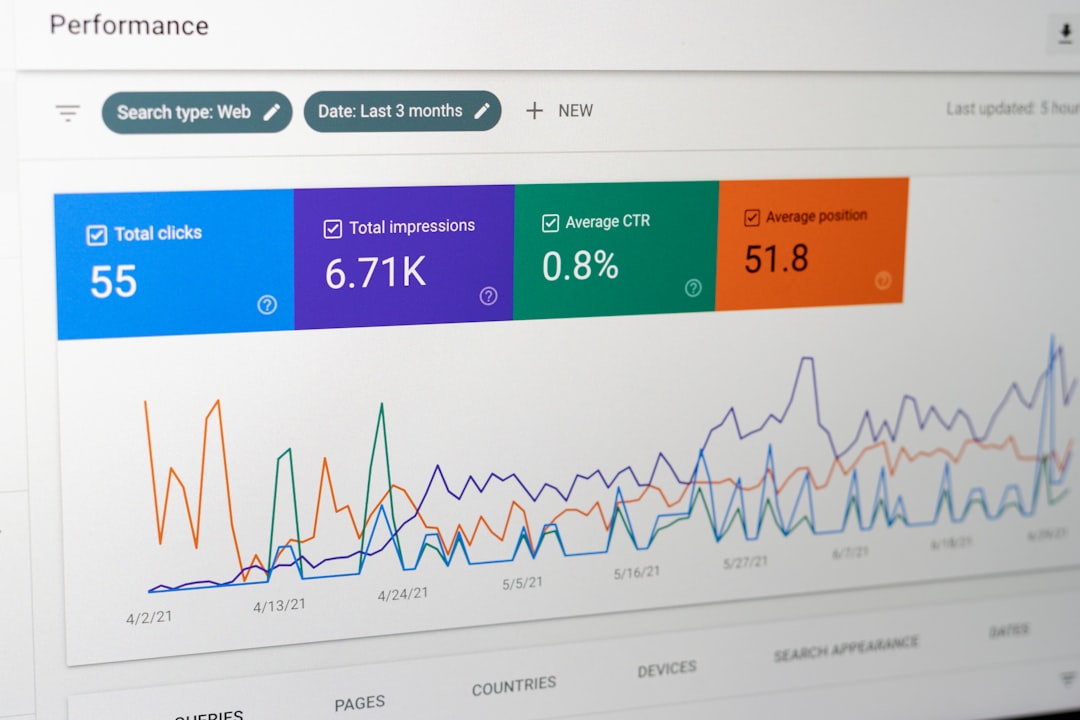
The caution is that reporting quality depends on data quality. If tutors skip notes, students select the wrong course, or staff use inconsistent visit categories, reports may become less useful. A successful TutorTrac implementation requires clear naming conventions, staff training, and periodic audits of how data is entered.
Strengths of TutorTrac
TutorTrac offers several advantages for institutions that need dependable tutoring center administration:
- Purpose-built design: It is designed specifically for academic support environments, not generic appointment booking.
- Operational visibility: Administrators can monitor visits, attendance, tutor activity, and service demand.
- Support for multiple centers: Institutions can often configure the system for tutoring, writing support, labs, or advising-related services.
- Institutional reporting: Usage data can help justify funding and demonstrate impact.
- Structured workflows: Centers can move away from informal scheduling and manual tracking.
Potential Limitations
No platform should be evaluated only by its feature list. TutorTrac may not be the ideal choice for every institution, especially if the school prioritizes modern user experience, deep advising integrations, or predictive analytics.
Common concerns to investigate include interface usability, mobile experience, integration with the student information system, reporting flexibility, and ease of implementation. Some institutions may also find that TutorTrac is more focused on tracking services than actively driving student engagement through nudges, campaigns, or coordinated care networks.
This does not make the platform weak; it simply means buyers should define their goals clearly. If the priority is managing a tutoring center efficiently, TutorTrac may be a strong fit. If the priority is institution-wide student success coordination, a broader platform may be needed.
Student Success Alternatives to Consider
Institutions comparing TutorTrac should consider what problem they are trying to solve. Several alternatives may be relevant depending on the scope:
- TracCloud: A newer cloud-based option from the same software family, often considered by institutions that want updated deployment and broader Trac functionality.
- EAB Navigate360: A broader student success platform focused on advising, coordinated care, analytics, campaigns, and retention workflows.
- Starfish by EAB: Commonly used for early alerts, advising coordination, student referrals, and success networks.
- Penji: A student-friendly tutoring and peer support platform with a strong emphasis on mobile scheduling and engagement.
- Accudemia: A learning center management platform for appointment scheduling, attendance tracking, and academic support reporting.
- Calendly or Microsoft Bookings: Useful for simple scheduling, though typically not sufficient for robust tutoring analytics or academic reporting.

A useful comparison framework is to separate center management from student success strategy. TutorTrac is strongest in the first category. Platforms such as Navigate360 or Starfish are typically stronger in institution-wide advising, alerts, and coordinated intervention. Penji may appeal to schools that want a more modern student-facing tutoring experience.
Who Should Use TutorTrac?
TutorTrac is a reasonable choice for colleges and universities that operate established tutoring or learning centers and need formal tracking, scheduling, and reporting. It is especially appropriate when administrators need to document service usage, understand staffing demand, and standardize appointment processes.
It may be less suitable for institutions looking for a highly modern mobile-first interface, advanced predictive analytics, or a single platform to manage every aspect of student success. In those cases, TutorTrac can still be part of the solution, but it should be compared against broader systems.
Final Verdict
TutorTrac remains a serious option for academic support management because it addresses the practical realities of tutoring operations: appointments, attendance, documentation, and reporting. Its greatest value is helping institutions replace fragmented processes with a more organized, measurable system.
The best decision is not whether TutorTrac is “good” in general, but whether it matches your institution’s workflows and goals. Schools should request a demonstration, involve tutoring staff and students in testing, review reporting requirements, and compare alternatives against clearly defined success metrics. When implemented with strong processes and clean data practices, TutorTrac can support better visibility, smarter staffing, and more accountable student support services.

